
Navigating Crypto News

CoinFeather
Navigating Crypto News
Source, catalyst, and sector overlap from the latest feed.
Veteran trader Peter Brandt's analysis suggests Ethereum is forming a local bottom near historical support, indicating a potential for a near-term recovery rally if key resistance levels are breached. The ETH price is currently testing resistance around $2,300, with a decisive move above this level potentially signaling a continuation towards $2,400 and $2,600, while failure could lead to a retest of lower support zones. Increased open interest in Ethereum futures, up 19.15% to $33.37 billion, alongside corporate accumulation of ETH by entities like BitMine, suggests growing market interest and potential underlying demand. Despite short-term bullish signals, Ethereum's long-term monthly chart indicates it remains within a broad consolidation phase, suggesting that a confirmed macro breakout is still pending.
Live Feed
Loading the broader stream in the same flow as the homepage feed.

The Sei Development Foundation joined in the round to support expansion of an SEC-regulated alternative trading system and settlement platform for blockchain-based securities.

The CLARITY Act faces a critical political deadline in late April/early May, with its potential passage directly impacting how stablecoins function, specifically regarding yield generation, which could divert significant capital from traditional banking deposits. Banks are lobbying aggressively to prevent stablecoin issuers from offering interest-like rewards, fearing deposit migration that could total $500 billion by 2028, while crypto firms argue such features are necessary for competition and broader adoption. Failure of the CLARITY Act to pass could lead to increased reliance on regulatory rulemaking (e.g., by the OCC) and a more uncertain future for crypto market structure, potentially delaying broader adoption and making the sector more vulnerable to political shifts. The debate over stablecoin yield is a central point of contention, highlighting a fundamental disagreement on whether these digital assets should primarily serve as payment instruments or evolve into more competitive financial products, with significant implications for both TradFi and crypto.
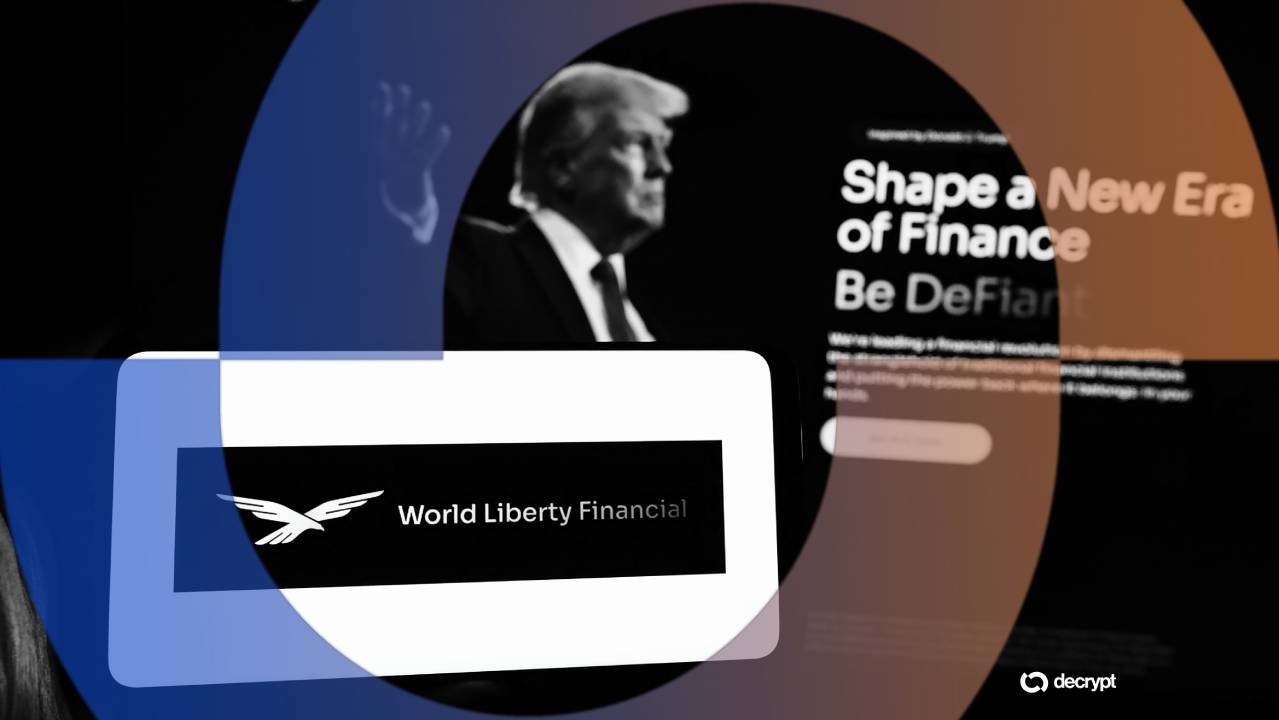
World Liberty Financial is introducing a tiered access system for investors who lock up significant amounts of WLFI tokens, potentially creating demand for the token to gain 'guaranteed access' to the team. The new governance framework requires a minimum 180-day token lock-up for participation, which could reduce the circulating supply of WLFI and influence its price dynamics. The development occurs amidst regulatory scrutiny of the Trump family's crypto ventures, suggesting a strategic move to solidify investor engagement despite external pressures. The introduction of 'super nodes' requiring $5.3 million in staked WLFI tokens aims to filter and prioritize long-term ecosystem participants, potentially impacting the project's decentralization narrative.

A recent poll indicates that crypto users prioritize privacy features over stablecoin yield incentives within the CLARITY Act, suggesting a potential divergence in market participant values versus legislative focus. The ongoing debate over stablecoin yield rules, particularly the potential for the Treasury to freeze transactions without court orders, is stalling the CLARITY Act, highlighting regulatory friction points for the crypto industry. Despite the stall, the CLARITY Act's provisions regarding transaction freezing and DeFi platform classification could significantly impact self-custody rights and financial autonomy, warranting close observation by market participants. The conflict between banking groups advocating for a ban on stablecoin rewards and crypto leaders defending their necessity for innovation underscores a fundamental disagreement shaping the future regulatory landscape.

International law enforcement agencies are coordinating 'Operation Atlantic' to combat crypto fraud, specifically targeting 'approval phishing' and 'pig butchering' scams. The initiative highlights the increasing sophistication of crypto-related scams and the growing need for cross-border collaboration to protect investors. With over $17 billion lost to crypto crimes last year, this operation signals a heightened focus on enforcement which could deter illicit activities but also increase scrutiny on the sector.
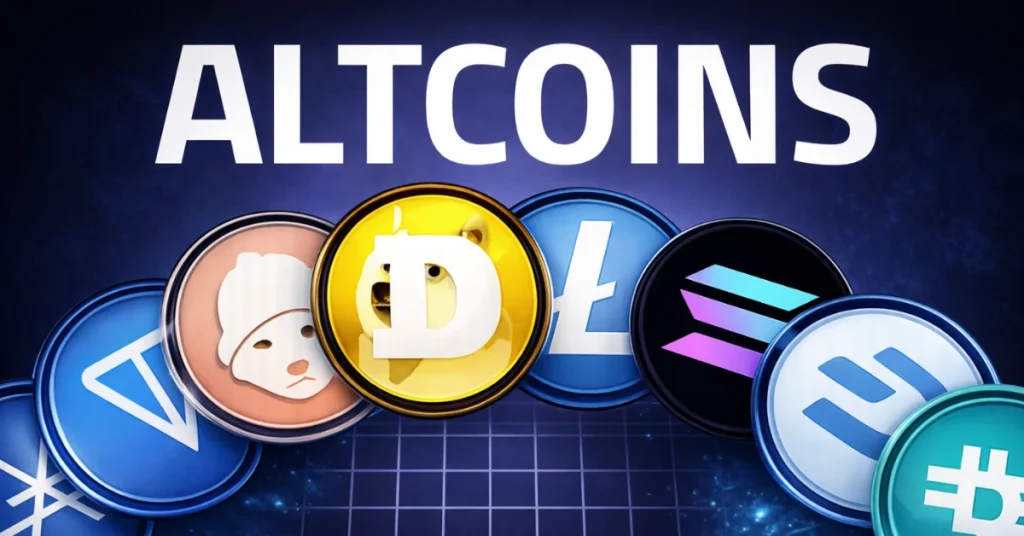
South Korean traders are driving significant volume spikes across 14 altcoins, indicating a strong retail interest that could precede broader market attention. The surge in volume for specific altcoins like XRP, TRUMP, and DKA on South Korean exchanges suggests potential short-term trading opportunities driven by localized demand. While the article highlights volume spikes, the lack of fundamental catalysts for many listed altcoins suggests a speculative driver, warranting caution for longer-term investment theses. The significant crypto adoption in South Korea, with 32% of the population owning digital assets, positions the region as a key influencer for altcoin market dynamics.
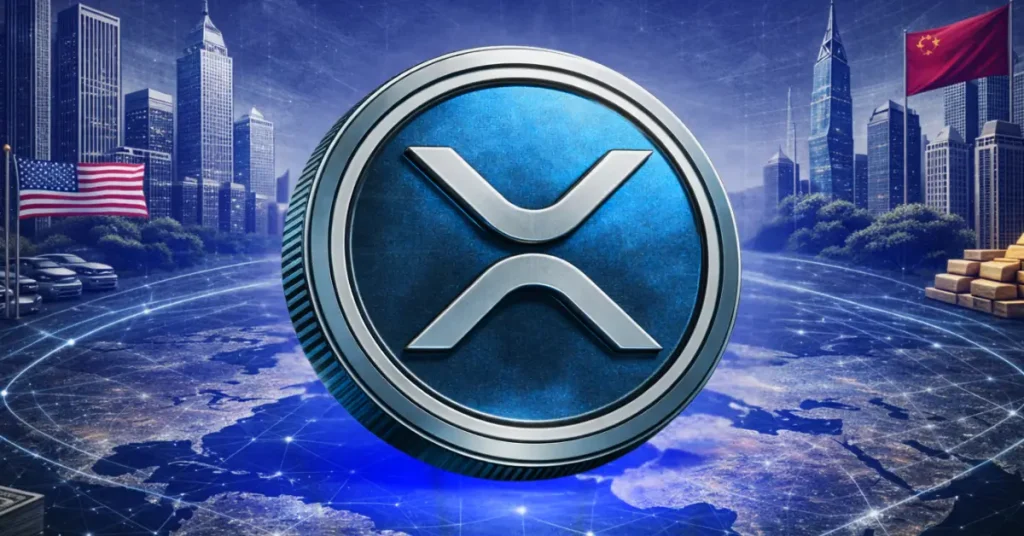
XRP's breakout above $1.45 resistance, coupled with a 140% surge in trading volume, signals increasing retail and derivatives trader interest, potentially driving price towards $1.65 if momentum sustains. Despite strong price action, institutional outflows from XRP investment products suggest the current rally may lack broad institutional backing, warranting caution on sustained upside. XRP is testing resistance at the descending channel trendline around $1.50, with the daily RSI approaching 60, indicating strengthening buying pressure but requiring confirmation for a decisive breakout.

Abra's planned Nasdaq listing via SPAC merger at a $750M valuation signals renewed institutional interest in crypto companies accessing public markets. The move by Abra, which offers wealth management, custody, and trading services, indicates a strategic pivot towards traditional finance infrastructure for digital asset firms. While SPACs offer rapid liquidity, the associated risks like volatility and regulatory uncertainty warrant a cautious approach to this listing method.

The Ethereum Foundation's new mandate clarifies its role as a neutral steward, sparking debate on whether this hands-off approach aligns with increasing institutional interest in blockchain. Critics argue the mandate's focus on core principles over practical business development may hinder Ethereum's adoption by institutions seeking clear product-market fit. Supporters view the mandate as a reaffirmation of Ethereum's decentralized ethos, emphasizing its role as a platform for permissionless innovation rather than a product builder. The debate highlights a fundamental tension in Ethereum's growth: balancing its decentralized identity with the demands of institutional capital and broader market adoption.
Crypto wealth manager Abra is going public at a $750 million valuation—but regulators have repeatedly taken issue with how it does business.

Circle's stock surge of over 100% in a month highlights growing investor confidence driven by increasing USDC demand and the expansion of tokenized assets. The current higher interest rate environment directly benefits Circle's revenue model, which relies on interest earned from USDC reserves, suggesting continued earnings potential. Emerging use cases in AI-driven payments and the broader tokenization of financial products, including Treasuries, are positioning USDC as a critical settlement layer, driving demand beyond speculative trading. Potential advancements in U.S. crypto legislation, following support for the CLARITY Act, could further institutionalize digital assets and bolster demand for stablecoins like USDC.
Signal context only. Validate with price action, liquidity, and risk limits before taking a position.
Quick market read from this story
Bitcoin's recent surge above $74,000 demonstrates resilience, but its correlation with tech stocks suggests continued volatility is likely.
Increased institutional interest, evidenced by Metaplanet's capital raise and MicroStrategy's BTC purchases, provides a bullish undertone, though broader market risks persist.
While the price action is positive, the article emphasizes caution due to macroeconomic pressures and the need to monitor both on-chain metrics and traditional market trends.
Deep Dive
Bitcoin has surpassed the $74,000 mark, demonstrating significant market momentum despite broader financial uncertainty and volatility in tech stocks. Market analysts highlight BTC's resilience, with current trading prices around $74,363.
The cryptocurrency's rally is supported by strong investor confidence and demand at key support levels. However, potential corrections remain a concern due to broader market risks. Spot Bitcoin ETF activity and market responsiveness are crucial indicators of investor sentiment.
In a notable development, MicroStrategy (MSTR) shares jumped 4% after its subsidiary purchased an additional 22,337 BTC for $1.57 billion, increasing its total holdings to 761,068 BTC. Additionally, Metaplanet raised $255 million through a share placement to expand its Bitcoin treasury, aiming for a target of 210,000 BTC, signaling growing institutional interest.
Market analysts caution that Bitcoin's price remains closely tied to tech stocks, linking its stability to overall market volatility. While the surge past $74,000 underscores Bitcoin's continued appeal, its trajectory will be influenced by both crypto-specific factors and macroeconomic trends, such as interest rates.
Investors are advised to monitor on-chain metrics alongside macroeconomic indicators. The interplay between crypto and traditional markets suggests that volatility could persist, necessitating strategic positioning that balances optimism with caution.
XRP's surge past $1.50 and $90 billion market cap signals a significant return of buying momentum after a consolidation period, potentially indicating a shift towards further gains. The renewed investor confidence and increased trading volumes suggest that recent price dips presented an attractive entry point, highlighting market resilience and potential for a medium-term recovery. While the price action is positive, traders should maintain disciplined risk management due to inherent cryptocurrency market volatility and the need to monitor liquidity and macroeconomic trends.
