
Navigating Crypto News

CoinFeather
Navigating Crypto News

Quick market read from this story
The investigation linking World Liberty Financial's partner, AB network, to sanctioned individuals raises significant reputational and potential regulatory risks for the crypto project, despite claims of due diligence and no illicit fund flow.
The news highlights the ongoing challenge of illicit finance in the crypto space, with a substantial portion of reported online scam losses attributed to cryptocurrency fraud, underscoring the need for enhanced due diligence in partnerships.
While the direct financial impact on World Liberty Financial's stablecoin USD1 appears limited given its small market cap and holder base, the association with alleged scam operations could deter future adoption and partnerships.
Source, catalyst, and sector overlap from the latest feed.
Allegations of insider trading on prediction markets like Polymarket are intensifying, with a recent $600K profit on US/Iran ceasefire bets highlighting potential information asymmetry. The repeated success of certain account clusters on Polymarket in predicting geopolitical events raises concerns about market integrity and regulatory oversight. While not definitive proof of insider trading, the well-timed and large wagers on sensitive geopolitical outcomes warrant increased scrutiny from regulators and market participants. The ongoing scrutiny and regulatory actions, such as Newsom's ban on prediction market trading for California officials, signal a growing trend towards tighter controls on such platforms.
Live Feed
Loading the broader stream in the same flow as the homepage feed.
Cango's continued sale of Bitcoin, totaling at least 6,451 BTC this year, signals a strategic pivot away from mining towards AI infrastructure investment. The company's deleveraging efforts, including retiring Bitcoin-backed loans, aim to strengthen its balance sheet and provide capital for its AI compute expansion. Despite the strategic shift, Cango maintains a significant operational hashrate and has seen a reduction in its average cash cost per Bitcoin mined, indicating ongoing operational efficiency in its mining segment.
Bitcoin's reclaim of $71,000 is primarily driven by easing geopolitical tensions, suggesting a short-term risk-on sentiment shift rather than a fundamental change. Elevated leveraged long positions on Bitfinex indicate that while sentiment has improved, many traders remain cautious or are employing hedged strategies, limiting immediate upside conviction. The next significant resistance for Bitcoin lies between $75,000 and $80,000, a level that will determine if the current upward momentum can be sustained or if a pullback is imminent. Prediction market data shows a gradual increase in optimism for Bitcoin reaching $100,000 by year-end, but the low liquidity suggests sentiment can shift rapidly on new headlines.

Yuga Labs' settlement of the Bored Ape Yacht Club (BAYC) NFT lawsuit with Ryder Ripps resolves a significant legal dispute, potentially reducing uncertainty for the brand and its associated ecosystem. The resolution of the trademark infringement case, which involved allegations of copycatting and parody, removes a legal overhang that could have impacted investor sentiment towards Yuga Labs and the broader NFT market. While the settlement terms are undisclosed, the permanent injunction against Ripps and Cahen using Yuga's trademarks suggests a favorable outcome for Yuga Labs, reinforcing the value and distinctiveness of the BAYC brand.
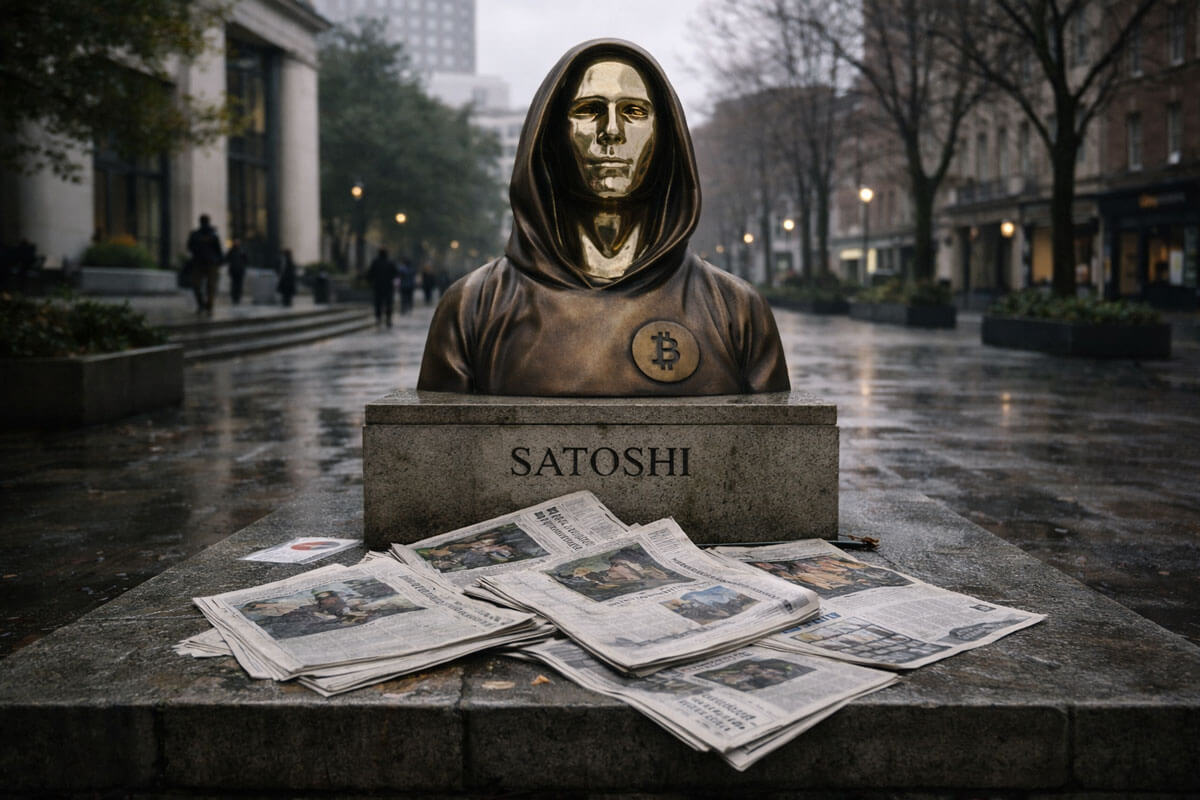
The New York Times' renewed attempt to identify Satoshi Nakamoto as Adam Back, while based on stylometric analysis, is unlikely to impact Bitcoin's price directly but highlights ongoing security concerns for prominent figures in the crypto space. Despite Adam Back's categorical denial and industry pushback against such investigations, the recurring nature of these 'Satoshi hunts' underscores the persistent narrative risk and potential for real-world harm to individuals targeted, as seen in past instances. The article emphasizes that attributing a living founder to Bitcoin poses an institutional threat to its open-source, decentralized nature, potentially inviting attempts at control or ownership that contradict its core design principles.
Significant exchange inflows of 157 billion SHIB tokens suggest potential distribution, indicating holders may be preparing to sell rather than accumulate. Despite a minor price uptick, SHIB's trading pattern remains within a dominant downtrend, with key moving averages acting as resistance and low volume limiting recovery potential. Rising exchange reserves coupled with flat to negative netflow and muted trading volume create an unfavorable supply-demand imbalance, pressuring SHIB's price.
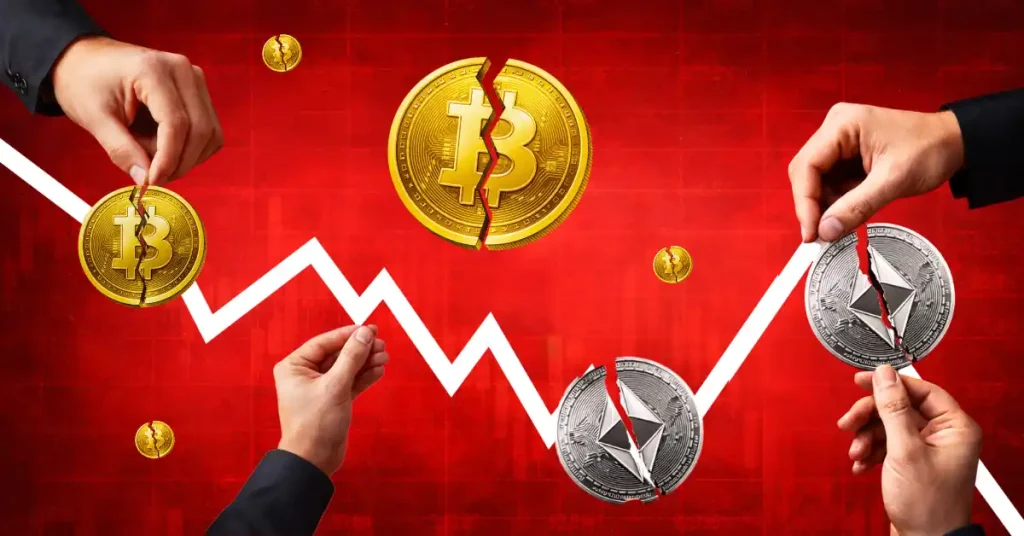
Centralized exchange trading volume has fallen 48% from its peak, indicating a significant cooling of market participation and potentially weaker underlying demand. The market's reliance on perpetual futures over spot trading ($3.5T vs $0.8T) suggests a shift towards leverage-driven activity, which can lead to increased volatility and fragile price action. Declining spot volumes across exchanges signal reduced long-term investor interest, while cooling futures activity points to fading speculative momentum, creating a less stable market environment. The fragmentation of liquidity across more exchanges, coupled with lower overall volume, may lead to choppier price discovery and less reliable trends in the near term.
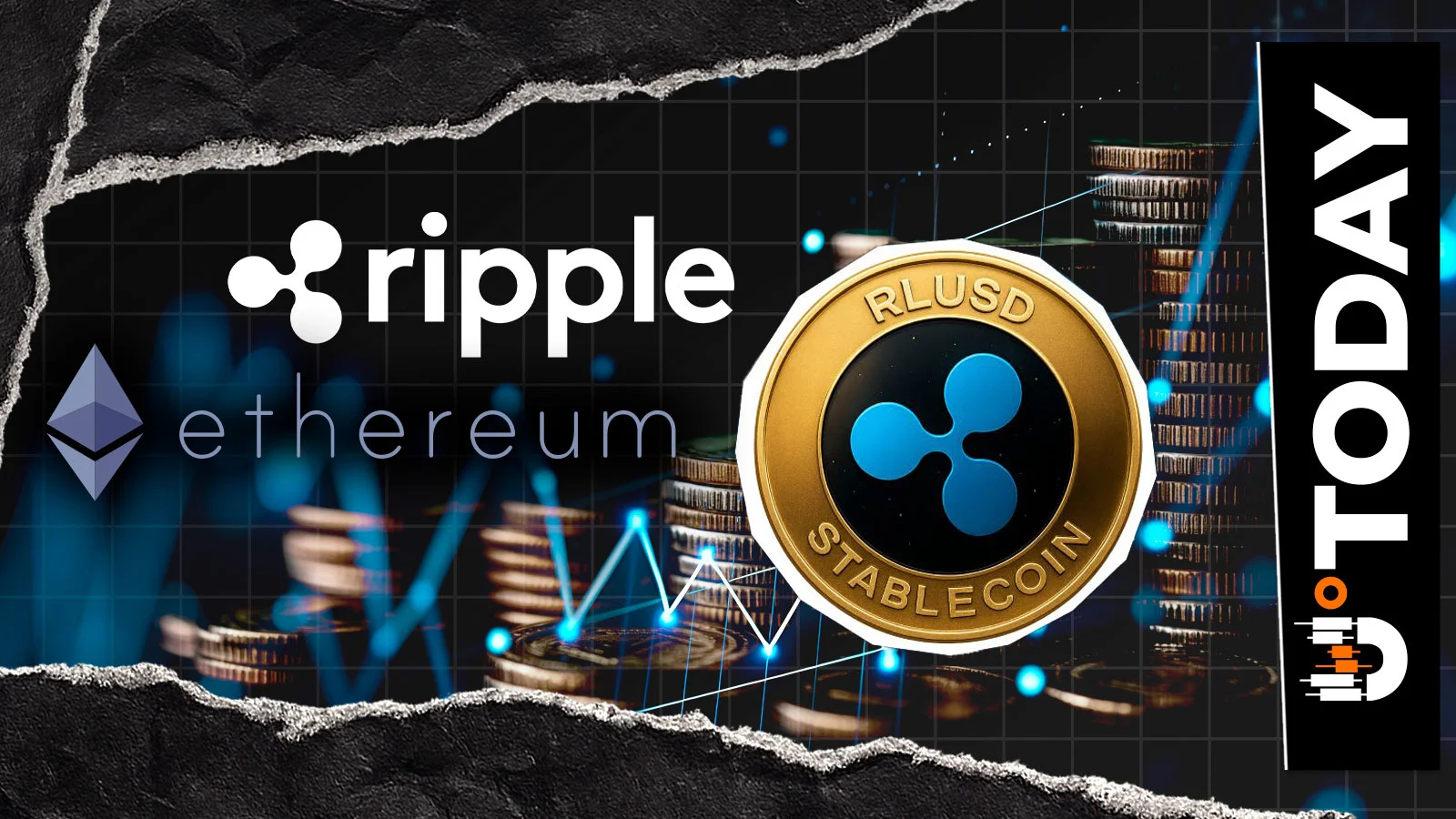
After months of burning, Ripple Labs has made a shift to mint close to 10 million RLUSD.
Peter Todd's clarification on his involvement in the HBO Satoshi documentary highlights concerns about journalistic integrity and potential risks to developers, suggesting a narrative manipulation that could negatively impact developer sentiment. The discussion around Adam Back being Satoshi Nakamoto, fueled by a NYT investigation and Todd's commentary, introduces FUD and potential security concerns for prominent figures in the Bitcoin space, without a clear catalyst for price action. Todd's stance on engaging with the press, even when critical, indicates a strategic effort to counter more extreme narratives, implying that proactive communication is seen as a necessary evil to mitigate worse 'outcomes' for the crypto ecosystem.
Ripple's launch of a Treasury Management System with native digital asset capabilities addresses a clear market demand from finance leaders seeking to integrate digital assets without complex new workflows. The integration allows businesses to manage fiat and digital assets like XRP and RLUSD within a single system, potentially increasing adoption of these assets for corporate treasury functions. This development positions Ripple as a key provider of enterprise blockchain solutions, directly targeting the gap where 72% of finance leaders feel pressure to offer digital asset services but lack clear implementation paths.
Signal context only. Validate with price action, liquidity, and risk limits before taking a position.
Adam Back has reiterated his denial of being Satoshi Nakamoto following a New York Times report that presented him as the prime suspect, a development that has minimal direct market impact but adds to the ongoing narrative surrounding Bitcoin's origins. While the investigation into Satoshi's identity is a recurring theme, this specific report and Back's denial do not introduce new fundamental catalysts for Bitcoin or related assets, suggesting a neutral market reaction. The market is unlikely to price in this news as a significant event, given Back's consistent denials and the speculative nature of identity investigations, thus warranting a 'NO_ACTION' stance from a trading perspective.
