
Navigating Crypto News

CoinFeather
Navigating Crypto News

Quick market read from this story
Stricter crypto regulations in Asia are increasing personal accountability for senior leaders, necessitating robust governance and D&O insurance to mitigate risks.
The FBI highlights a concerning trend of crypto scams evolving to target experienced investors through sophisticated 'pig butchering' tactics, leading to significant financial losses.
Regulatory developments in Hong Kong, Singapore, and South Korea signal a global shift towards heightened scrutiny and personal liability for executives in the digital asset space.
The increasing focus on personal accountability and the rise of advanced scams underscore the need for enhanced risk management and investor education within the crypto market.
Source, catalyst, and sector overlap from the latest feed.
Yuga Labs' settlement of the Bored Ape Yacht Club (BAYC) NFT lawsuit with Ryder Ripps resolves a significant legal dispute, potentially reducing uncertainty for the brand and its associated ecosystem. The resolution of the trademark infringement case, which involved allegations of copycatting and parody, removes a legal overhang that could have impacted investor sentiment towards Yuga Labs and the broader NFT market. While the settlement terms are undisclosed, the permanent injunction against Ripps and Cahen using Yuga's trademarks suggests a favorable outcome for Yuga Labs, reinforcing the value and distinctiveness of the BAYC brand.
Live Feed
Loading the broader stream in the same flow as the homepage feed.
Bitcoin is testing a critical range resistance zone, with previous breakout attempts failing, indicating potential for a stall or rejection if overhead supply is not absorbed. Orderbook data reveals significant sell pressure between $72,400 and $73,600, suggesting that a sustained breakout above this level will require substantial buying volume. While Bitcoin has shown improved recovery by clearing previous imbalances, the current consolidation phase highlights a battle between strong overhead resistance and support near $70,600, favoring range-bound trading in the short term. The third breakout attempt from the current range is a key development, but confirmation above the final overhead FVG and range ceiling is necessary to signal a definitive shift in market structure towards bullish momentum.
Bitcoin's reclaim of $71,000 is primarily driven by easing geopolitical tensions, suggesting a short-term risk-on sentiment shift rather than a fundamental change. Elevated leveraged long positions on Bitfinex indicate that while sentiment has improved, many traders remain cautious or are employing hedged strategies, limiting immediate upside conviction. The next significant resistance for Bitcoin lies between $75,000 and $80,000, a level that will determine if the current upward momentum can be sustained or if a pullback is imminent. Prediction market data shows a gradual increase in optimism for Bitcoin reaching $100,000 by year-end, but the low liquidity suggests sentiment can shift rapidly on new headlines.
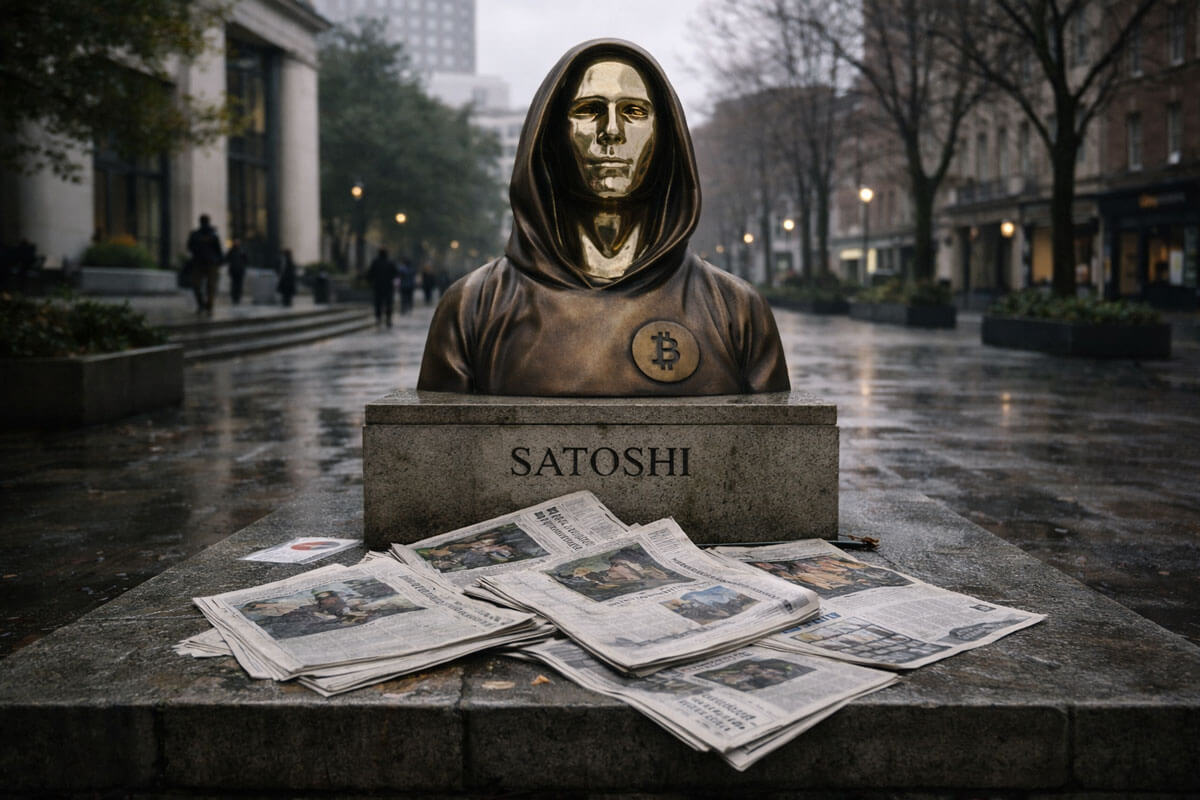
The New York Times' renewed attempt to identify Satoshi Nakamoto as Adam Back, while based on stylometric analysis, is unlikely to impact Bitcoin's price directly but highlights ongoing security concerns for prominent figures in the crypto space. Despite Adam Back's categorical denial and industry pushback against such investigations, the recurring nature of these 'Satoshi hunts' underscores the persistent narrative risk and potential for real-world harm to individuals targeted, as seen in past instances. The article emphasizes that attributing a living founder to Bitcoin poses an institutional threat to its open-source, decentralized nature, potentially inviting attempts at control or ownership that contradict its core design principles.
Significant exchange inflows of 157 billion SHIB tokens suggest potential distribution, indicating holders may be preparing to sell rather than accumulate. Despite a minor price uptick, SHIB's trading pattern remains within a dominant downtrend, with key moving averages acting as resistance and low volume limiting recovery potential. Rising exchange reserves coupled with flat to negative netflow and muted trading volume create an unfavorable supply-demand imbalance, pressuring SHIB's price.

The Ethereum Foundation's sale of 5,000 ETH, while seemingly a bearish signal, is part of a strategic treasury management plan to fund operations and R&D, indicating a long-term focus rather than immediate market pressure. The foundation's commitment to increasing ETH staking to 70,000, now achieved, suggests a strategy to generate revenue from network rewards, potentially reducing the need for future ETH sales and supporting the ecosystem. Utilizing a TWAP mechanism via CowSwap for the ETH sale aims to minimize market impact, signaling a sophisticated approach to treasury management that prioritizes stability and avoids price manipulation.
Polygon Labs is seeking up to $100 million to establish a dedicated stablecoin payments business, signaling a strategic pivot towards becoming a full-stack payments processor rather than solely a blockchain provider. This funding round, if successful, positions Polygon to directly challenge traditional fintech players like Stripe by leveraging its Layer-2 infrastructure for increased stablecoin transaction volume. The move into the regulated payments sector is an unorthodox strategy for a core blockchain developer, highlighting Polygon's ambition to capture a significant share of the global digital payments market.

After months of burning, Ripple Labs has made a shift to mint close to 10 million RLUSD.
Peter Todd's clarification on his involvement in the HBO Satoshi documentary highlights concerns about journalistic integrity and potential risks to developers, suggesting a narrative manipulation that could negatively impact developer sentiment. The discussion around Adam Back being Satoshi Nakamoto, fueled by a NYT investigation and Todd's commentary, introduces FUD and potential security concerns for prominent figures in the Bitcoin space, without a clear catalyst for price action. Todd's stance on engaging with the press, even when critical, indicates a strategic effort to counter more extreme narratives, implying that proactive communication is seen as a necessary evil to mitigate worse 'outcomes' for the crypto ecosystem.
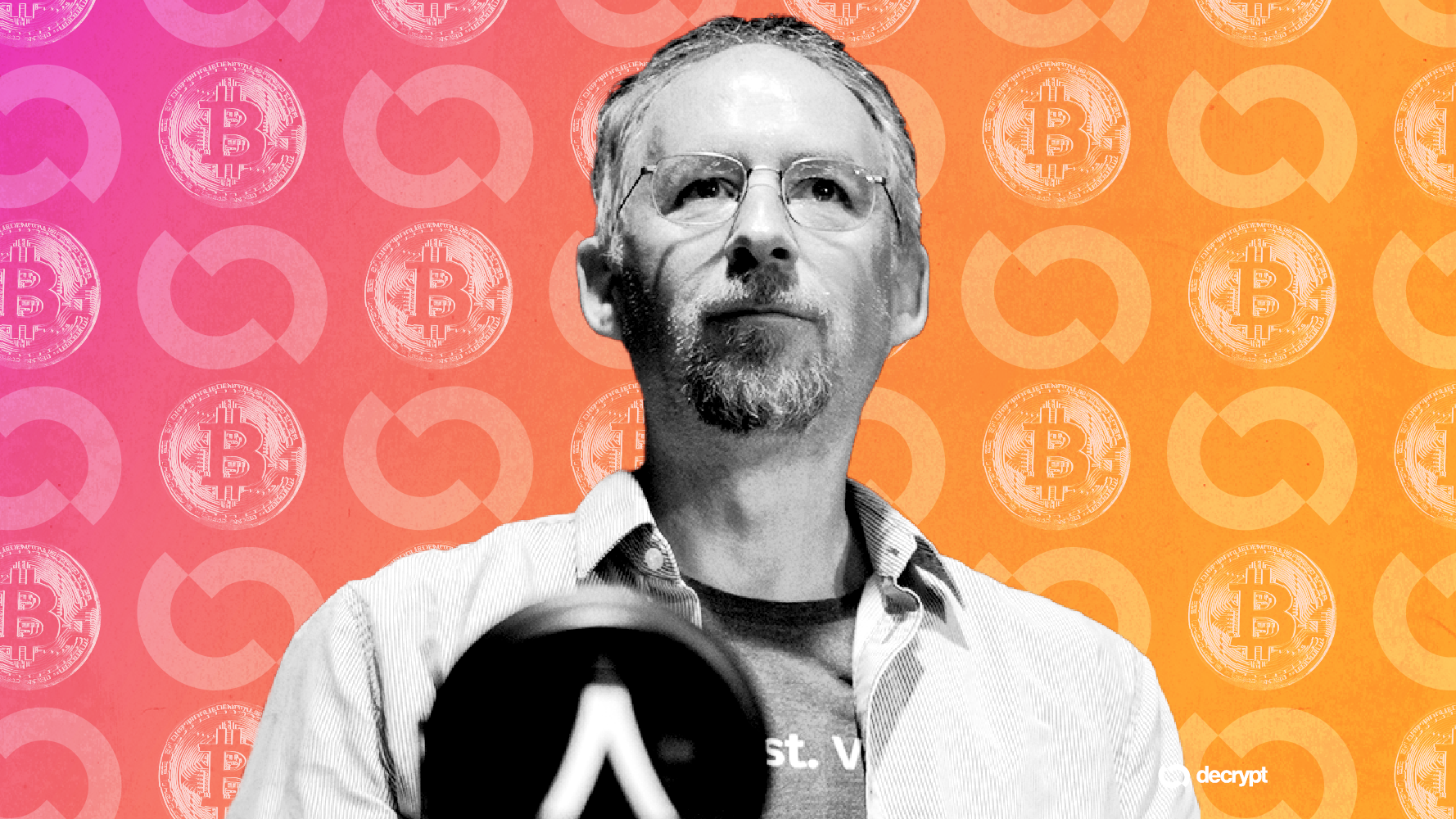
Adam Back has reiterated his denial of being Satoshi Nakamoto following a New York Times report that presented him as the prime suspect, a development that has minimal direct market impact but adds to the ongoing narrative surrounding Bitcoin's origins. While the investigation into Satoshi's identity is a recurring theme, this specific report and Back's denial do not introduce new fundamental catalysts for Bitcoin or related assets, suggesting a neutral market reaction. The market is unlikely to price in this news as a significant event, given Back's consistent denials and the speculative nature of identity investigations, thus warranting a 'NO_ACTION' stance from a trading perspective.
Signal context only. Validate with price action, liquidity, and risk limits before taking a position.
South Korea's proposed 'Digital Asset Basic Act' signals a move towards comprehensive regulatory oversight, potentially impacting stablecoin issuers and digital asset businesses through licensing and stringent operational requirements. The legislation aims to establish a robust framework for digital assets, including specific rules for value-linked tokens, which could foster greater institutional adoption by clarifying operational and capital requirements. The proposed law addresses previous regulatory disagreements over stablecoin issuance, indicating a concerted effort to create a unified and leading global digital financial order from South Korea. By introducing rules on disclosures, internal controls, and market conduct, the proposed act seeks to enhance investor protection and prevent market manipulation, aligning with broader global trends in crypto regulation.
