
Navigating Crypto News

CoinFeather
Navigating Crypto News
Quick market read from this story
Significant exchange inflows of 157 billion SHIB tokens suggest potential distribution, indicating holders may be preparing to sell rather than accumulate.
Despite a minor price uptick, SHIB's trading pattern remains within a dominant downtrend, with key moving averages acting as resistance and low volume limiting recovery potential.
Rising exchange reserves coupled with flat to negative netflow and muted trading volume create an unfavorable supply-demand imbalance, pressuring SHIB's price.
Source, catalyst, and sector overlap from the latest feed.
Bitcoin is testing a critical range resistance zone, with previous breakout attempts failing, indicating potential for a stall or rejection if overhead supply is not absorbed. Orderbook data reveals significant sell pressure between $72,400 and $73,600, suggesting that a sustained breakout above this level will require substantial buying volume. While Bitcoin has shown improved recovery by clearing previous imbalances, the current consolidation phase highlights a battle between strong overhead resistance and support near $70,600, favoring range-bound trading in the short term. The third breakout attempt from the current range is a key development, but confirmation above the final overhead FVG and range ceiling is necessary to signal a definitive shift in market structure towards bullish momentum.
Live Feed
Loading the broader stream in the same flow as the homepage feed.

The significant liquidations on Hyperliquid, totaling $79.7 million in oil perpetuals, highlight the growing exposure of DeFi traders to real-world asset volatility. The event underscores the increasing interconnectedness between traditional markets, specifically oil prices influenced by geopolitical events, and decentralized derivatives platforms. While Bitcoin liquidations were also substantial, the focus on oil derivatives suggests a shift in trading strategies and risk profiles within the Hyperliquid ecosystem. The substantial price drop in crude oil, driven by a U.S.-Iran ceasefire agreement, serves as a stark reminder of how external geopolitical factors can trigger significant repricing events in leveraged crypto markets.

Cloudflare's accelerated 2029 target for post-quantum security highlights increasing industry urgency around quantum threats, potentially impacting long-term cryptographic assumptions for assets like Bitcoin. The migration to post-quantum authentication is noted as more complex than encryption, suggesting a challenging and potentially lengthy upgrade process for systems reliant on current cryptographic standards. The convergence of timelines from major tech players like Google and Cloudflare on post-quantum readiness by 2029 signals a significant shift in cybersecurity focus that could preemptively address future quantum risks to blockchain infrastructure. The explicit mention of Bitcoin's reliance on elliptic-curve digital signatures and the potential for quantum computers to break them underscores a critical, albeit longer-term, systemic risk for the cryptocurrency market.
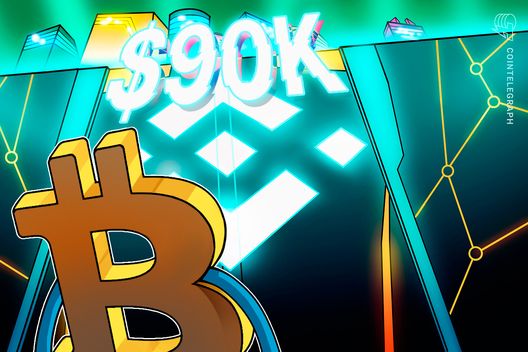
Bitcoin's technical breakout above $70,000, confirmed by a symmetrical triangle pattern, suggests a potential upward trajectory towards a $90,000 target. Aggressive buying volume on Binance, totaling $2.7 billion in taker buys following the US-Iran ceasefire, indicates strong bullish conviction and a potential short-term price surge. The confluence of improving macro sentiment and increased demand from US investors, as shown by the positive Coinbase premium index, supports the bullish outlook for Bitcoin. Traders are actively positioning for higher prices, with a $90,000 target being eyed, driven by both technical chart patterns and a perceived de-escalation in geopolitical tensions.
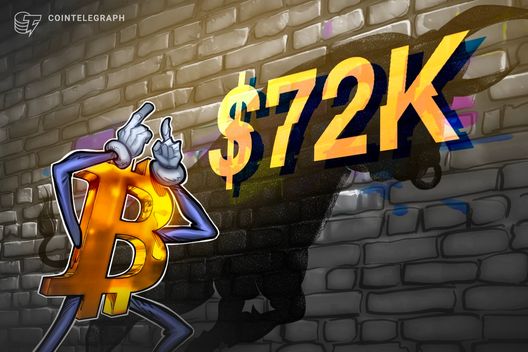
Bitcoin's spot demand is showing a positive shift with net volume delta turning positive on major exchanges like Binance and Coinbase, indicating increased accumulation after recent selling pressure. Derivatives data, specifically Binance's cumulative volume delta (CVD) reaching $5.6 billion, suggests stronger buyer conviction and increased taker-buy volume following a recent price dip. Reduced selling pressure from short-term holders, with capitulation near 3,000 BTC during the recent rally to $72,000, contrasts with previous attempts and signals less urgency to exit positions. The stabilization of Bitcoin's net realized profit/loss metric and the approach towards a positive bias suggest a gradual reduction in realized losses and a more balanced market favoring buyers.
Iran's reported plan to utilize Bitcoin for oil tanker fees through the Strait of Hormuz presents a novel geopolitical use case for crypto, potentially bypassing traditional financial sanctions and creating a new demand vector for BTC. The proposed Bitcoin payments, if implemented at scale, could represent a significant daily demand for BTC, potentially exceeding daily mining supply and impacting market dynamics if sustained. Despite the potential implications, significant uncertainties remain regarding adoption, insurance, and governmental responses, suggesting this development is currently a speculative catalyst rather than a confirmed market shift.

Allegations of insider trading on prediction markets like Polymarket are intensifying, with a recent $600K profit on US/Iran ceasefire bets highlighting potential information asymmetry. The repeated success of certain account clusters on Polymarket in predicting geopolitical events raises concerns about market integrity and regulatory oversight. While not definitive proof of insider trading, the well-timed and large wagers on sensitive geopolitical outcomes warrant increased scrutiny from regulators and market participants. The ongoing scrutiny and regulatory actions, such as Newsom's ban on prediction market trading for California officials, signal a growing trend towards tighter controls on such platforms.

Yuga Labs' settlement of the Bored Ape Yacht Club (BAYC) NFT lawsuit with Ryder Ripps resolves a significant legal dispute, potentially reducing uncertainty for the brand and its associated ecosystem. The resolution of the trademark infringement case, which involved allegations of copycatting and parody, removes a legal overhang that could have impacted investor sentiment towards Yuga Labs and the broader NFT market. While the settlement terms are undisclosed, the permanent injunction against Ripps and Cahen using Yuga's trademarks suggests a favorable outcome for Yuga Labs, reinforcing the value and distinctiveness of the BAYC brand.
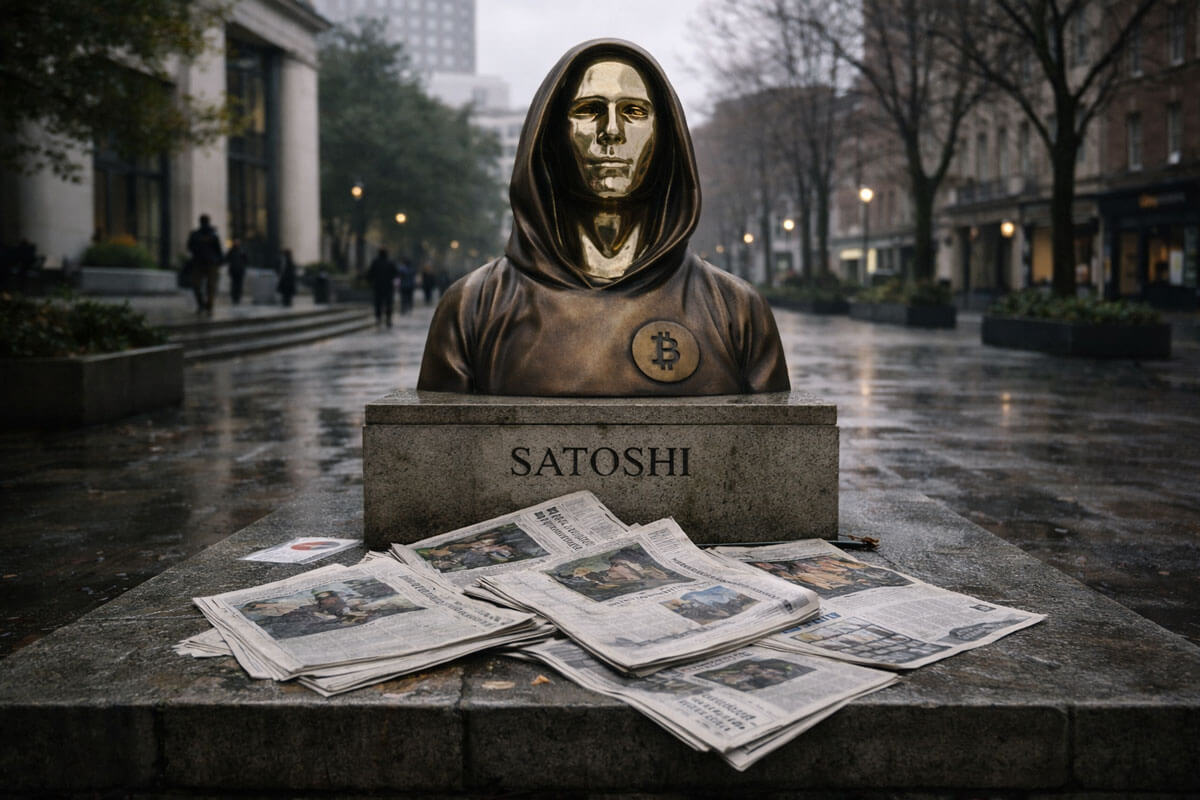
The New York Times' renewed attempt to identify Satoshi Nakamoto as Adam Back, while based on stylometric analysis, is unlikely to impact Bitcoin's price directly but highlights ongoing security concerns for prominent figures in the crypto space. Despite Adam Back's categorical denial and industry pushback against such investigations, the recurring nature of these 'Satoshi hunts' underscores the persistent narrative risk and potential for real-world harm to individuals targeted, as seen in past instances. The article emphasizes that attributing a living founder to Bitcoin poses an institutional threat to its open-source, decentralized nature, potentially inviting attempts at control or ownership that contradict its core design principles.

South Korea's proposed 'Digital Asset Basic Act' signals a move towards comprehensive regulatory oversight, potentially impacting stablecoin issuers and digital asset businesses through licensing and stringent operational requirements. The legislation aims to establish a robust framework for digital assets, including specific rules for value-linked tokens, which could foster greater institutional adoption by clarifying operational and capital requirements. The proposed law addresses previous regulatory disagreements over stablecoin issuance, indicating a concerted effort to create a unified and leading global digital financial order from South Korea. By introducing rules on disclosures, internal controls, and market conduct, the proposed act seeks to enhance investor protection and prevent market manipulation, aligning with broader global trends in crypto regulation.
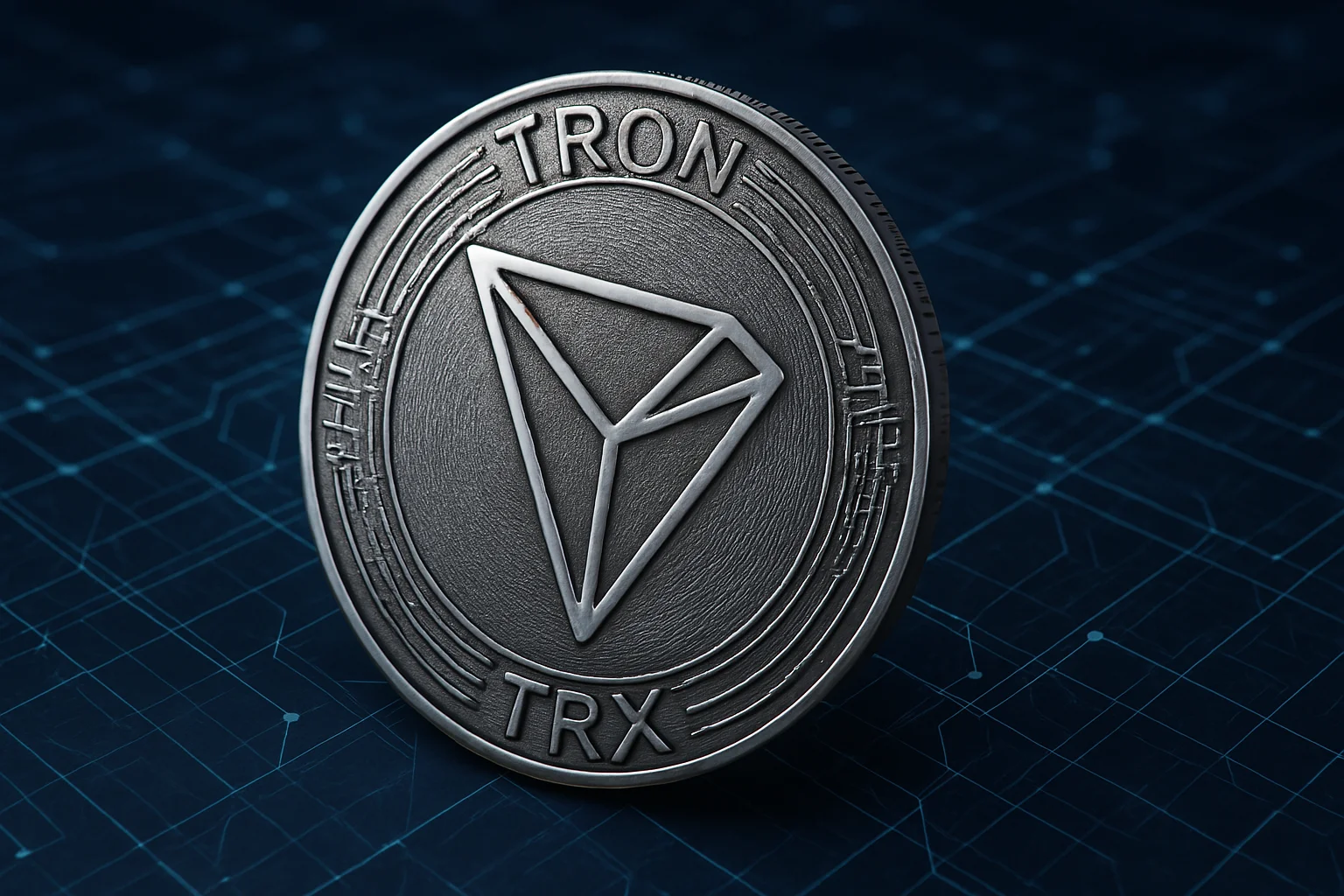
TRON's integration with Hyperlane significantly enhances its interoperability, positioning it as a potential interchain stablecoin hub and expanding its reach to over 150 chains. Recent developments including the SEC settlement, institutional custody for TRX, and a $1B AI fund expansion in Q1 2026 have bolstered TRON's institutional outlook and network fundamentals. With $86B in stablecoin supply and strong transaction volume, TRON demonstrates robust network activity, reinforcing its position as a leading chain for stablecoin settlement and economic activity. Despite market volatility, TRX has shown resilience, outperforming many altcoins and maintaining a strong technical uptrend structure, suggesting potential for continued price appreciation.

Centralized exchange trading volume has fallen 48% from its peak, indicating a significant cooling of market participation and potentially weaker underlying demand. The market's reliance on perpetual futures over spot trading ($3.5T vs $0.8T) suggests a shift towards leverage-driven activity, which can lead to increased volatility and fragile price action. Declining spot volumes across exchanges signal reduced long-term investor interest, while cooling futures activity points to fading speculative momentum, creating a less stable market environment. The fragmentation of liquidity across more exchanges, coupled with lower overall volume, may lead to choppier price discovery and less reliable trends in the near term.
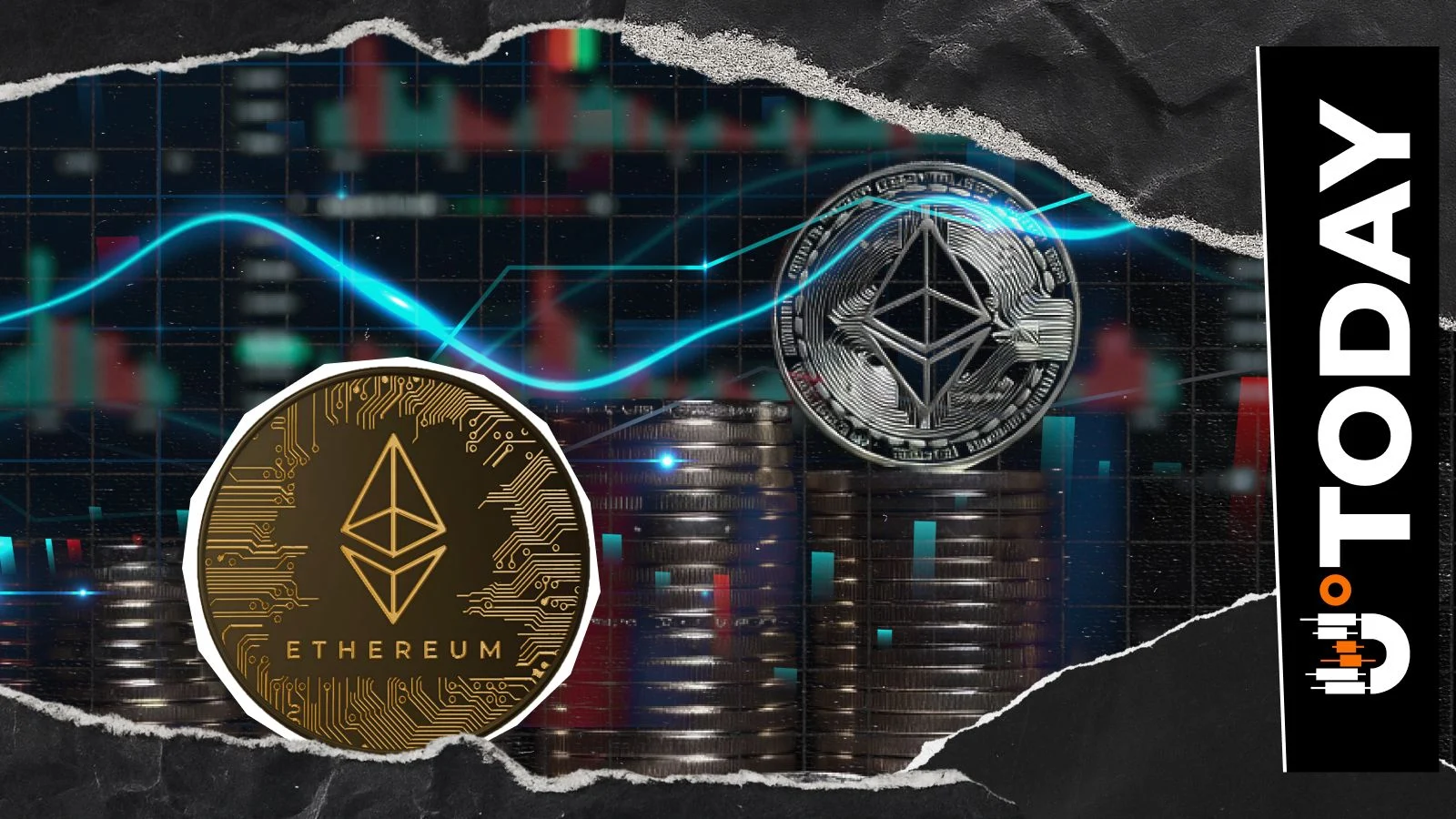
The Ethereum Foundation's sale of 5,000 ETH, while seemingly a bearish signal, is part of a strategic treasury management plan to fund operations and R&D, indicating a long-term focus rather than immediate market pressure. The foundation's commitment to increasing ETH staking to 70,000, now achieved, suggests a strategy to generate revenue from network rewards, potentially reducing the need for future ETH sales and supporting the ecosystem. Utilizing a TWAP mechanism via CowSwap for the ETH sale aims to minimize market impact, signaling a sophisticated approach to treasury management that prioritizes stability and avoids price manipulation.
Polygon Labs is seeking up to $100 million to establish a dedicated stablecoin payments business, signaling a strategic pivot towards becoming a full-stack payments processor rather than solely a blockchain provider. This funding round, if successful, positions Polygon to directly challenge traditional fintech players like Stripe by leveraging its Layer-2 infrastructure for increased stablecoin transaction volume. The move into the regulated payments sector is an unorthodox strategy for a core blockchain developer, highlighting Polygon's ambition to capture a significant share of the global digital payments market.

The investigation linking World Liberty Financial's partner, AB network, to sanctioned individuals raises significant reputational and potential regulatory risks for the crypto project, despite claims of due diligence and no illicit fund flow. The news highlights the ongoing challenge of illicit finance in the crypto space, with a substantial portion of reported online scam losses attributed to cryptocurrency fraud, underscoring the need for enhanced due diligence in partnerships. While the direct financial impact on World Liberty Financial's stablecoin USD1 appears limited given its small market cap and holder base, the association with alleged scam operations could deter future adoption and partnerships.

Bernstein's assessment of the quantum computing threat to Bitcoin suggests a manageable, long-term upgrade cycle rather than an immediate existential risk, implying that current infrastructure may have a multi-year window for adaptation. The Drift exploit, characterized as a sophisticated six-month intelligence operation rather than a simple smart contract bug, highlights a shift in threat vectors towards social engineering and infiltration, necessitating a re-evaluation of DeFi security beyond technical audits. Solana Foundation's 'Don't waste time with crypto' campaign reframes blockchain as invisible infrastructure for AI agents, signaling a strategic pivot towards utility and automation rather than direct user interaction for transaction execution. Alchemy's AgentPay tool addresses the fragmentation of AI payment systems by providing a unified integration layer, potentially streamlining adoption of AI-driven transactions and enhancing interoperability within the emerging AI-powered economy.
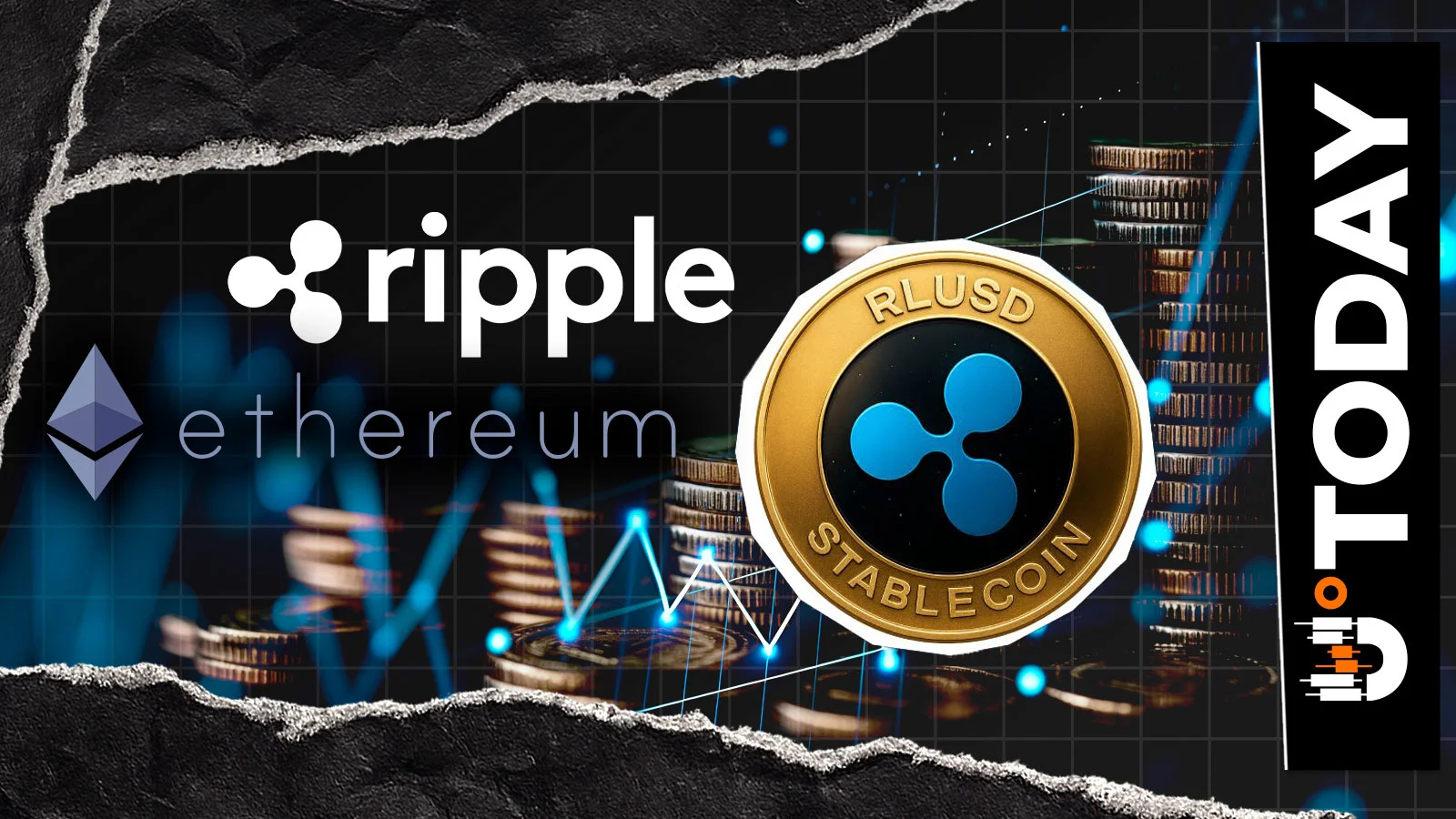
After months of burning, Ripple Labs has made a shift to mint close to 10 million RLUSD.
Signal context only. Validate with price action, liquidity, and risk limits before taking a position.
No explicit catalyst tagged.
Cango's continued sale of Bitcoin, totaling at least 6,451 BTC this year, signals a strategic pivot away from mining towards AI infrastructure investment. The company's deleveraging efforts, including retiring Bitcoin-backed loans, aim to strengthen its balance sheet and provide capital for its AI compute expansion. Despite the strategic shift, Cango maintains a significant operational hashrate and has seen a reduction in its average cash cost per Bitcoin mined, indicating ongoing operational efficiency in its mining segment.
