
Navigating Crypto News

CoinFeather
Navigating Crypto News

Quick market read from this story
Mastercard's $1.8 billion acquisition of BVNK signifies a major institutional embrace of stablecoin infrastructure, integrating on-chain payments into its vast card network.
The deal positions Mastercard to compete directly with crypto exchanges and fintechs in the rapidly growing digital currency payments market, estimated at over $350 billion.
This strategic move by Mastercard validates stablecoins as a core component of future financial services, potentially accelerating cross-border remittances and business payments.
The acquisition provides a compliant on-chain payment rail for banks and crypto firms, bridging traditional finance with Web3 assets and enhancing interoperability.
Deep Dive
Mastercard has announced its acquisition of London-based BVNK, a prominent stablecoin infrastructure provider, for up to $1.8 billion. This strategic move, confirmed on March 17, 2026, signifies a major expansion for Mastercard into on-chain payments and tokenized money, integrating BVNK's technology to process stablecoin and tokenized payments across its extensive 2.5 billion card network.
The acquisition allows Mastercard to add new payment rails for stablecoins, tokenized deposits, and other assets, covering operations in over 130 countries. BVNK's platform enables seamless sending and receiving of payments on major blockchain networks. By incorporating BVNK's backend, Mastercard can now route stablecoin flows, including cross-border remittances and business-to-business payouts, through its secure infrastructure. This integration aims to bridge the gap between traditional finance (Web2) and digital assets (Web3), enhancing services like peer-to-peer transfers and business payments.
Mastercard's move aligns with a significant industry trend, as digital currency payment volumes reached over $350 billion in 2025. The acquisition follows similar industry plays, such as Stripe's $1.1 billion purchase of stablecoin startup Bridge. The $1.8 billion valuation for BVNK marks a record for a stablecoin infrastructure firm. Industry observers noted competition from entities like crypto exchange Coinbase for BVNK, highlighting the commitment of established payment networks to stablecoins and tokenization. This development is seen as a validation of cryptocurrencies pegged to real-world assets entering the financial mainstream.
Mastercard's Chief Product Officer, Jorn Lambert, stated that the company anticipates most financial institutions and fintechs will offer digital currency services. The acquisition positions Mastercard to compete more effectively with rivals like Visa and fintech companies that are already exploring similar projects. With BVNK's technology, Mastercard can offer a compliant, turnkey platform for banks and crypto firms to issue their own digital currencies. The company emphasized that cards remain a preferred credential for consumer payments, and integrating on-chain rails aims to provide a familiar user experience with enhanced crypto capabilities.
The deal, expected to close by year-end pending regulatory approval, could have a substantial impact on payments, especially given Mastercard processed $59 billion in crypto transactions in 2025. Analysts view this acquisition as a strategic pivot, acknowledging stablecoins as a necessary currency to support. Mastercard's $1.8 billion investment in BVNK's infrastructure is a bet on the future of money being multi-currency, with the network that bridges fiat and digital payments poised for a competitive edge as stablecoins gain mainstream adoption.
Source, catalyst, and sector overlap from the latest feed.
The crypto market is experiencing sideways action due to anticipation of key macroeconomic data releases, specifically the Federal Reserve's rate decision and U.S. PPI figures. A hawkish pause or higher-than-expected PPI data could negatively impact risk assets like Bitcoin by strengthening inflation fears and delaying potential Fed rate cuts. Conversely, a lighter or in-line PPI print could provide relief, potentially leading traders to favor risk assets in anticipation of future Fed easing.
The integration of AI agents into commerce, handling on-chain contracts and payments, signals a potential shift towards durable transactional growth and increased network usage for the crypto market. Stablecoins like USDC are positioned to benefit significantly as they are expected to become the native currency for machine-to-machine commerce, with circulation already showing substantial year-over-year growth. The development of AI-driven commerce could represent a fundamental catalyst for crypto prices, moving beyond speculative hype towards genuine utility and structural demand for on-chain assets. Significant challenges remain regarding trust, security, and regulatory clarity for AI agents executing on-chain transactions, which could temper adoption and introduce new risks.
PayPal's expansion of its PYUSD stablecoin to 68 additional countries significantly broadens its utility for international remittances and payments, potentially driving adoption by offering cheaper, faster transactions and interest-like rewards. The integration of a 4% annual reward on PYUSD balances globally transforms user wallets into interest-bearing accounts, incentivizing long-term holding and increasing platform engagement, which could boost PYUSD's circulating supply. This strategic move by PayPal positions it as a major player in the digital payments and stablecoin space, directly challenging existing remittance services and potentially increasing institutional interest in stablecoins as a hedging tool against market volatility.
The XRP Ledger's milestone of 7.7 million holders, coupled with a five-week high in active addresses, signals increasing adoption and utility, potentially driving further demand for XRP. Ripple's partnership with i-Payout to enhance cross-border payments into the US and Canada represents a tangible expansion of Ripple's payment infrastructure, reinforcing its position in the remittances sector. The confluence of increased network activity, ecosystem partnerships, and positive market momentum has propelled XRP price above $1.5, indicating strong short-term bullish sentiment with key resistance levels to watch.
A prominent trader, Machi Big Brother, is significantly increasing leveraged long positions on BTC, ETH, and HYPE, indicating strong conviction despite prior unrealized losses, suggesting a potential short-term bullish sentiment driven by whale activity. Institutional accumulation signals are strengthening with BlackRock showing net Bitcoin inflows and an Ethereum whale acquiring and staking a substantial amount of ETH, reinforcing the bullish outlook for major cryptocurrencies. The convergence of whale accumulation and institutional interest, coupled with increased trading volume, suggests a potential market uptrend, making leveraged positions more attractive but also increasing risk for traders.
Mastercard's acquisition of BVNK for up to $1.8 billion signals a strategic shift by legacy payment giants to integrate stablecoin infrastructure, aiming to capture value in the growing digital payments sector. The move by Mastercard, alongside Visa's ongoing stablecoin initiatives, indicates that traditional finance is actively acquiring key blockchain middleware rather than waiting for it to mature independently, potentially altering the competitive landscape. This development suggests that the primary value capture in the stablecoin ecosystem may shift towards infrastructure and distribution layers controlled by incumbents, rather than solely the token or protocol layer. The increasing regulatory clarity, exemplified by the GENIUS Act, is accelerating the integration of stablecoins into mainstream financial systems, making acquisitions like BVNK a strategic imperative for established players.
SBI Mutual Fund's significant stake increase in Urban Company, acquiring nearly 4% post-lock-in expiry, signals strong institutional conviction despite other investors exiting. The substantial block deal, valued at ₹632 crore, indicates a potential shift in ownership and investor sentiment following the end of the IPO lock-in period. Urban Company's stock surge of over 15% highlights immediate market reaction to the increased institutional buying, suggesting potential short-term upside momentum.
The PEPE cofounder's new presale project, Pepeto, is attracting significant capital ($8.1 million raised) by targeting the $45 billion meme coin economy with dedicated trading infrastructure, suggesting strong investor interest in specialized meme coin platforms. While Monero (XMR) is seeing renewed interest for privacy, and USDe represents an experimental stablecoin, Pepeto's presale offers a distinct opportunity for potentially high returns, contrasting with the limited upside of established privacy coins and stablecoins. The rapid fundraising and token burn of Pepeto, coupled with a high APY staking reward, indicate aggressive supply management and early investor conviction, positioning it as a notable development within the meme coin sector. The article frames Pepeto's presale as a time-sensitive opportunity, implying that upcoming listings will lead to a significant price appreciation, urging potential investors to act before the presale window closes.
GSR's acquisition of Autonomous and Architech for $57 million signals a strategic move to consolidate crypto capital markets services, potentially streamlining token launches and treasury management for projects. The integration aims to address inefficiencies in the current fragmented landscape of token launch services, offering a more cohesive platform for fundraising, liquidity, and treasury operations. This consolidation could set a precedent for other market participants looking to offer end-to-end solutions for crypto projects, impacting the competitive landscape of advisory and capital markets services.
Theo's $100M facility for its gold-linked yield stablecoin, thUSD, signals institutional interest in non-Treasury yield alternatives. The thUSD yield generation strategy, combining tokenized gold with shorted futures, aims for 5-12% APY while hedging gold price volatility. The launch navigates the US GENIUS Act by generating yield from underlying assets rather than issuer-paid interest, differentiating it from restricted payment stablecoins. This development highlights a growing trend in tokenized commodities and alternative yield generation within the stablecoin market, despite ongoing regulatory debate.
The shutdown of Tally, a significant DAO tooling platform, signals a broader market challenge in monetizing governance infrastructure, suggesting that current business models may not be sustainable. Despite Tally's substantial user base and transaction volume, its closure highlights the difficulty in translating on-chain activity into viable revenue, indicating a potential shift in how crypto infrastructure projects are valued. The failure of Tally to proceed with an ICO and its subsequent shutdown underscores the market's skepticism towards governance tokens as a sustainable funding mechanism for infrastructure plays. Industry commentary suggests that the next generation of DAO coordination tools may need to focus on capital coordination rather than solely on voting portals to achieve product-market fit.
The US SEC's reclassification of XRP as a commodity, rather than a security, removes significant regulatory hurdles, potentially easing exchange listings and boosting institutional confidence. This regulatory clarity for XRP, SOL, and ADA as commodities could foster broader adoption and innovation by reducing compliance burdens and aligning them with assets like gold or oil under CFTC oversight. While the commodity status is a positive development for XRP, its price action shows a slight decline with reduced trading volume, indicating that the market may be digesting the news rather than reacting with immediate upward momentum.
The SEC and CFTC's joint MOU and XRP's classification as a digital commodity removes significant regulatory uncertainty, potentially unlocking institutional capital and clearing a path for new financial products. XRP's flip of BNB for the #4 market cap position, coupled with renewed ETF inflows, signals a strong shift in market sentiment and capital allocation towards the asset following the regulatory clarity. The regulatory decision to classify XRP as a commodity, alongside Bitcoin and Ethereum, suggests a broader shift in how established cryptocurrencies are viewed by regulators, potentially impacting other assets. Improved technical indicators, including a bullish MACD crossover and RSI in positive territory, combined with the fundamental catalyst, suggest potential for further upside if key resistance levels are breached.
The confirmed cyberattack on Bitrefill, involving drained crypto wallets and exposed user records, directly impacts user trust and security within the payments sector. The suspected involvement of the Lazarus Group, a North Korea-linked entity, highlights ongoing geopolitical risks and sophisticated threat actors targeting crypto infrastructure. While Bitrefill stores minimal sensitive data, the breach of 18,500 user records, including wallet addresses and emails, necessitates increased vigilance from users against potential phishing attempts.
Live Feed
Loading the broader stream in the same flow as the homepage feed.

UK lawmakers are proposing an immediate moratorium on crypto donations to political parties, citing risks of foreign interference and lack of safeguards. The recommendation suggests a significant regulatory hurdle for crypto adoption in political finance, potentially impacting sentiment and future policy. This development highlights ongoing global regulatory scrutiny of crypto's role in traditional financial and political systems.

Bitcoin's recent eight-day winning streak faces a 'sell the news' risk ahead of the FOMC meeting, as historical data from Two Prime indicates post-meeting weakness for BTC. Despite markets pricing a near certainty of a Fed rate hold, the historical pattern suggests the FOMC meeting event itself, rather than the outcome, drives short-term bearish volatility for Bitcoin. With inflation concerns from Middle East conflict and oil prices, coupled with a weakening jobs market, the Fed's flexibility to ease policy is limited, potentially exacerbating downside pressure on BTC post-meeting. The current market sentiment, characterized by stalled futures open interest and slightly negative funding rates, indicates reduced appetite for new longs and a cautious stance ahead of the Federal Reserve's decision.

Bitcoin is consolidating around $74,000 with reduced trading volume, indicating a pause in bullish momentum as traders await the Federal Reserve meeting for directional cues. Derivatives markets show a cautious sentiment with stalled futures open interest and slightly negative funding rates, suggesting reduced appetite for new long positions ahead of key macro events. Despite Bitcoin's consolidation, the altcoin market is showing strength with the 'Altcoin Season' index at a six-month high, and specific coins like ZEC and MORPHO outperforming. The market is in a risk-sensitive holding pattern due to geopolitical tensions and Fed uncertainty, with traders hedging for potential downside volatility post-meeting.
The joint classification of XRP as a digital commodity by the SEC and CFTC removes significant regulatory uncertainty, potentially paving the way for increased institutional investment and broader market adoption. This regulatory clarity for XRP, alongside other major tokens like BTC and ETH, signals a more stable environment for crypto innovation and could influence future regulatory approaches for other digital assets. The resolution of XRP's long-standing legal ambiguity, stemming from the Ripple-SEC case, shifts focus towards its real-world utility and adoption, presenting a positive outlook for holders and the broader ecosystem.

Bitcoin price is consolidating below its six-week high of $76,000, with traders anticipating volatility from the upcoming FOMC meeting and Jerome Powell's speech. While the Fed is widely expected to hold interest rates steady, Powell's commentary will be the key catalyst for potential price swings, as market participants look for shifts in monetary policy tone. Continued demand from spot Bitcoin ETFs, evidenced by recent inflows, provides underlying support, but failure to break $76,000 resistance could lead to a pullback towards $60,000 support levels. The market is closely watching for any dovish signals from Powell that could trigger a unwinding of hedges and potentially boost both equities and Bitcoin prices.

The proposed Fast Confirmation Rule (FCR) for Ethereum could drastically reduce L1-to-L2 and exchange deposit times from minutes to approximately 13 seconds, significantly improving user experience and capital efficiency. This development, achievable without a hard fork and supported by Vitalik Buterin, offers a potential near-term enhancement to Ethereum's interoperability and usability. While promising, the FCR relies on trust assumptions regarding validator honesty and network speed, which have raised concerns about its robustness under stress conditions.
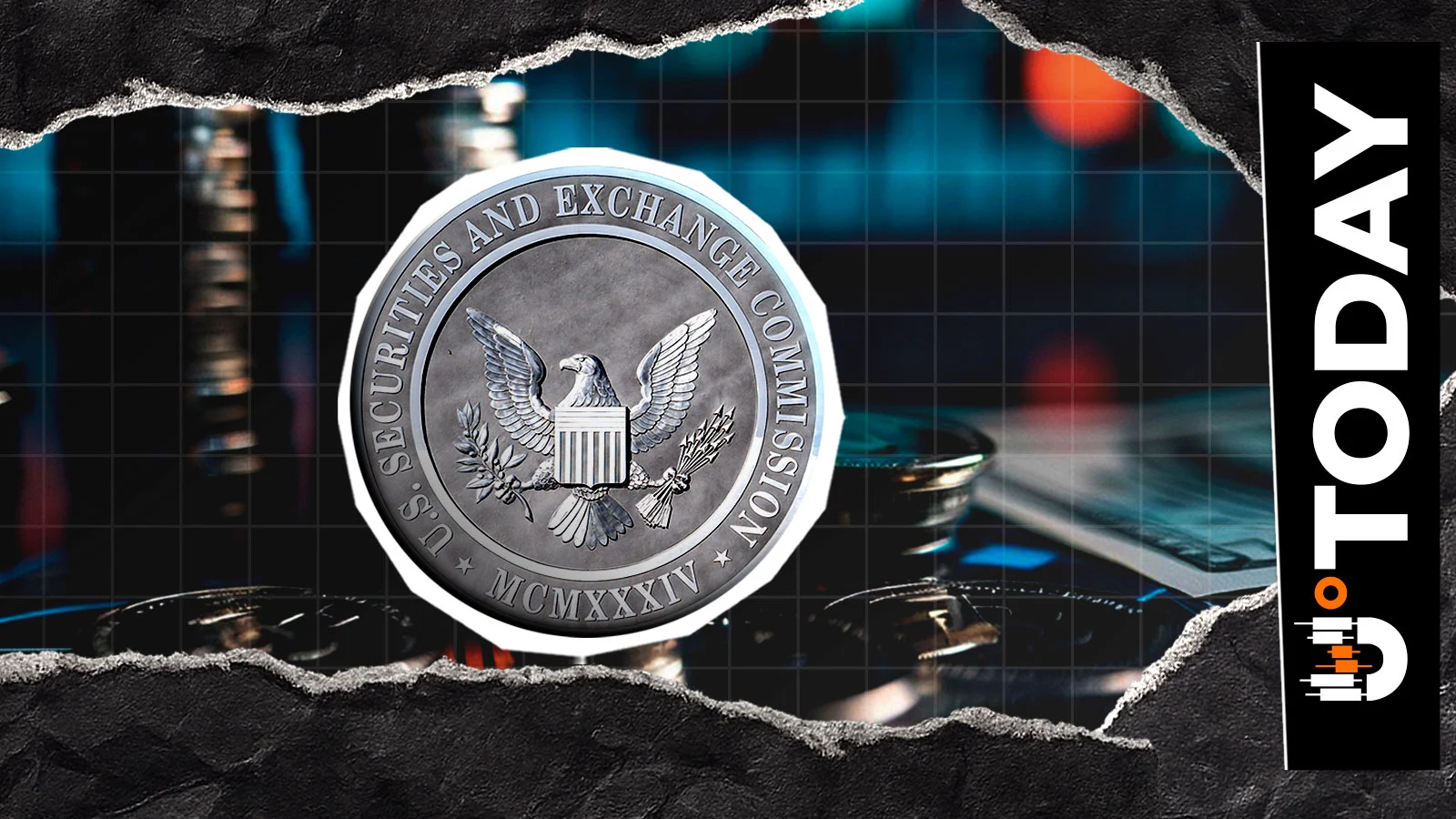
The SEC and CFTC have jointly classified 16 cryptocurrencies, including XRP, SHIB, DOGE, and ADA, as digital commodities rather than securities, providing significant regulatory clarity for the market. This reclassification by US regulators is a major development that could reduce legal uncertainty for these assets and potentially encourage broader institutional adoption and investor confidence. The explicit naming of these assets as non-securities by the SEC and CFTC is a positive signal for projects previously facing regulatory ambiguity, potentially impacting their market perception and trading dynamics.
Consistent Bitcoin ETF inflows of $199.4 million signal renewed institutional accumulation, reinforcing the current rally's durability above the $70,000 threshold. Ethereum ETFs saw significant inflows ($138.2 million), but selective demand concentrated in specific products like BlackRock's suggests a nuanced institutional approach to altcoin exposure. The $17.8 million inflow into Solana ETFs and positive XRP ETF flows indicate a gradual broadening of institutional interest beyond the top two assets, hinting at potential rotation into higher-beta altcoins. While institutional demand is rebuilding, the neutral sentiment and balanced Altcoin Season Index suggest a mid-cycle environment where capital is rotating cautiously, not yet entering a speculative altcoin-driven phase.

The SEC and CFTC's joint guidance on crypto asset classification, while intended to reduce regulatory uncertainty, has not yet provided enough momentum for Bitcoin to break through the $75,000 resistance level. Despite the clarity provided by the new guidance, Bitcoin's inability to sustain a move above $75,000 suggests that other market factors, such as the upcoming Federal Reserve interest rate decision, are currently overshadowing regulatory developments. The classification of crypto tokens into five categories aims to create a more predictable regulatory environment, potentially supporting institutional adoption and innovation, but immediate price action indicates a cautious market response.
Kohl's is halting store closures despite a sales decline, shifting strategy to optimize existing locations and improve performance, indicating a focus on operational efficiency over physical expansion. While profitability has improved due to cost controls and inventory management, the continued drop in customer traffic and net sales presents a significant challenge to Kohl's turnaround efforts and future growth prospects. Analysts remain skeptical of Kohl's recovery, citing persistent sales weakness and a projected flat to declining sales outlook for the upcoming year, suggesting a cautious approach for investors.
The NCLT's approval of Adani Enterprises' ₹14,535 crore resolution plan for Jaiprakash Associates Limited (JAL) is a significant development, directly impacting JP Power's stock performance. Adani's acquisition of JAL, which includes a 24% stake in JP Power, is expected to bring improved management and financial backing, potentially leading to expansion and easier access to capital for JP Power. The approved resolution plan includes the delisting of JAL's securities from stock exchanges, a key event that investors should monitor for its implications on liquidity and trading.

Dogecoin's recent surge above $0.10, while psychologically appealing, is unlikely to signal a sustained rally due to repeated failures to hold this level and its position below the critical 50 EMA resistance. The 50 EMA remains the primary technical barrier for DOGE, and reclaiming it is necessary to indicate a potential trend reversal, suggesting that current price action above $0.10 is more consolidation than a confirmed bullish shift. True historical resistance at $0.11 presents the next significant hurdle for Dogecoin; failure to break this level would reinforce the existing downtrend pattern of lower highs, limiting the impact of the recent price move.
US spot Bitcoin ETFs have extended their inflow streak to seven consecutive days, totaling approximately $1.2 billion, indicating sustained institutional interest despite falling short of previous record streaks. While Bitcoin ETFs show a positive inflow trend, overall year-to-date flows remain negative, suggesting a cautious market sentiment that requires further sustained inflows to reverse the trend. Altcoin ETFs, particularly for ETH and SOL, are also experiencing renewed inflows, with XRP ETFs seeing their first positive day after a significant losing streak, signaling a potential broadening of institutional appetite beyond Bitcoin. Despite recent inflows, Ether ETFs continue to face substantial year-to-date outflows, highlighting a divergence in institutional preference between Bitcoin and Ether products.
Signal context only. Validate with price action, liquidity, and risk limits before taking a position.
