
Navigating Crypto News

CoinFeather
Navigating Crypto News
Quick market read from this story
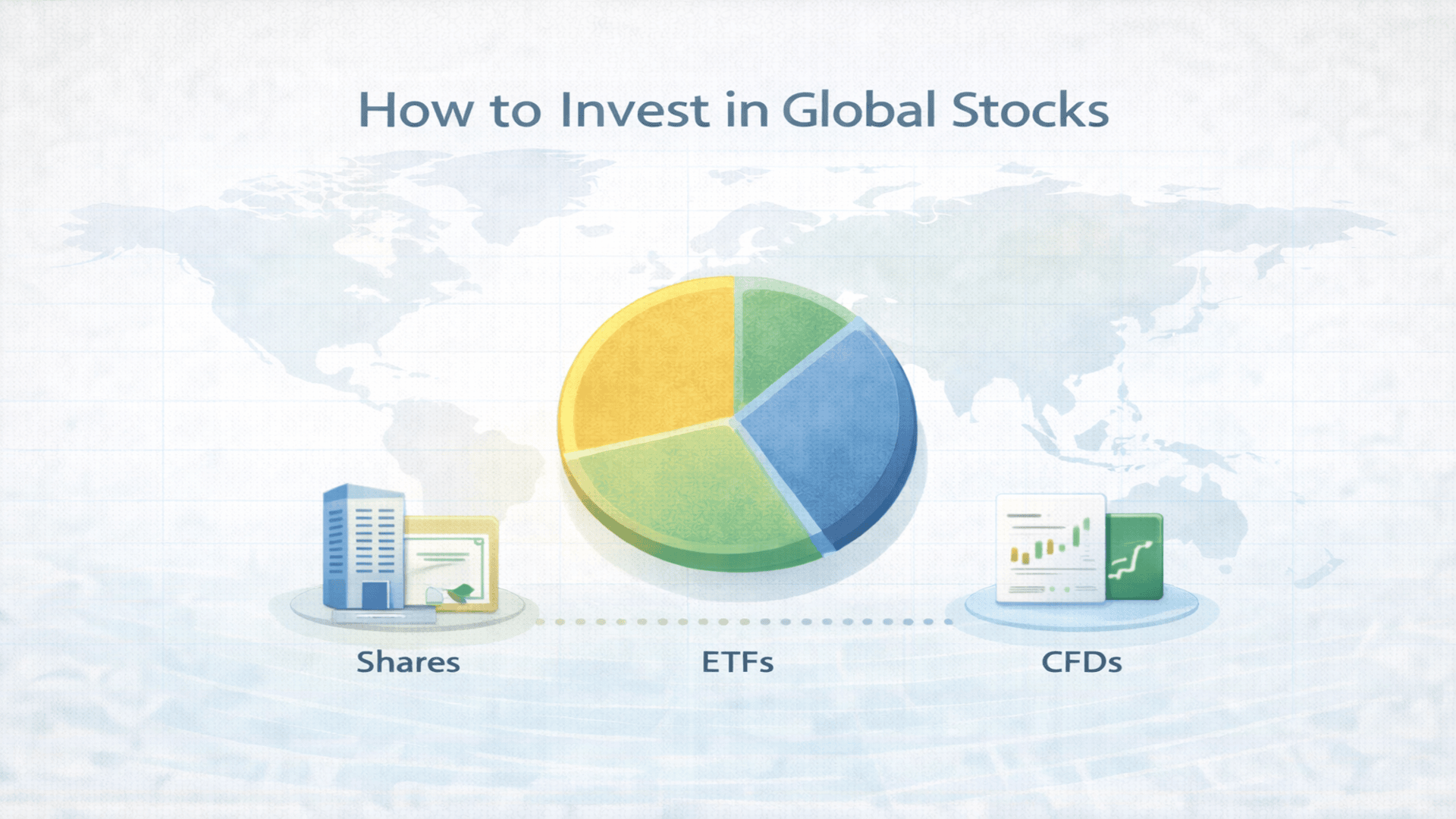
The article discusses investing in global stocks, highlighting traditional methods like ETFs and individual shares alongside modern approaches such as CFDs, which offer leverage and short-selling capabilities.
For active traders, CFDs provide leveraged exposure to global stock price movements, enabling quicker entries and exits with potentially amplified gains or losses.
Risk management strategies including diversification across regions, position sizing, and stop-losses are crucial for navigating currency, political, and volatility risks associated with international stock investments.
Deep Dive
Investing in global stocks allows individuals to own stakes in companies worldwide, thereby diversifying risk beyond their domestic markets. While many investors begin with local equities, incorporating international exposure can potentially enhance returns and reduce overall portfolio volatility. Emerging markets may offer higher growth prospects, whereas developed markets typically provide greater stability.
Traditional methods for investing in global stocks include purchasing individual shares through a brokerage account with international trading capabilities. Alternatively, Exchange Traded Funds (ETFs) offer a simpler, diversified approach, tracking thousands of global stocks in a single trade with low fees, such as the Vanguard Total World Stock ETF (VT). Mutual funds also provide managed global exposure, though they often come with higher minimum investment requirements and management fees.
Contracts for Difference (CFDs) present a modern alternative, enabling speculation on stock price movements without direct ownership of the underlying assets. CFDs allow for leveraged trading, potentially amplifying gains (and losses) with less capital, and facilitate easy short-selling. This method is particularly suited for active traders seeking rapid entry and exit points. A comparison table highlights key differences: direct shares offer ownership but no leverage, ETFs and mutual funds provide fund ownership with diversification, while CFDs offer leverage and short-selling capabilities without ownership, primarily for active trading.
| Method | Ownership | Leverage | Short Selling | Fees | Best For |
| Direct Shares | Yes | No | Difficult | Broker + stamp duty | Long-term, dividends |
| ETFs | Yes (fund) | No | Possible (inverse ETFs) | 0.05-0.5% annual | Passive diversification |
| Mutual Funds | Yes (fund) | No | No | 0.5-1.5% annual | Managed exposure |
| CFDs | No | Yes (5x-20x) | Easy | Spreads + funding | Active trading |
To begin investing in global stocks, key steps include selecting a regulated platform with international access and low fees, funding the account with a small initial amount (e.g., $100-500), researching relevant markets using economic calendars and company reports, choosing appropriate exposure (starting with ETFs for safety), and implementing robust risk management strategies, such as limiting risk per trade to 1-2% and utilizing stop-losses.
Investors face several risks, including currency fluctuations, where a strengthening domestic currency can reduce returns from foreign investments. Political and regulatory risks are also present, particularly in emerging markets, necessitating caution. Higher volatility in certain regions requires careful position sizing and the use of stop-losses. Diversification across regions like the US, Europe, and Asia, allocating approximately 20-40% to global stocks, is crucial for mitigating these risks and building a resilient portfolio.
Source, catalyst, and sector overlap from the latest feed.
Hyperliquid's record $720M weekend volume highlights increasing demand for on-chain macro trading, driven by commodity volatility. The surge in oil and silver-linked trades on Hyperliquid indicates a growing intersection between traditional market events and decentralized derivatives platforms. Despite record trading volumes, the HYPE token price remains significantly below its peak, suggesting a decoupling between platform activity and native token valuation. Geopolitical tensions and commodity price shocks are emerging as significant catalysts for on-chain derivatives trading, potentially attracting new capital flows into the DeFi space.
A bearish 21 EMA crossing below the 50 EMA on XRP's chart signals potential further downside, mirroring past cycles that preceded market bottoms. Despite short-term bearish signals and over 50% of circulating supply being underwater, the long-term symmetrical triangle pattern suggests a significant upside target of $8.5 is still in play. Traders should monitor the $0.91–$0.85 support zone for a potential final liquidity sweep before any sustained recovery, with a weekly close above $1.80 or $2.00 indicating a potential bottom. The current price action, characterized by a bearish EMA cross and a large portion of holders being in loss, suggests a potential capitulation phase, which historically precedes a market recovery.
Bitcoin's price recovery indicates a trader preference for risk assets when immediate macro-driven panic subsides, suggesting demand remains present at lower levels. The potential G7 coordinated oil reserve release acted as a de-escalation signal, easing fears of inflation and tightening financial conditions, which directly supported Bitcoin's rebound. Near-term Bitcoin price action will likely remain sensitive to geopolitical headlines and energy market movements, with a sustained rally contingent on further de-escalation or official intervention. Traders are closely monitoring liquidity, crude oil prices, and geopolitical developments, implying a tactical rather than a fundamentally driven recovery for Bitcoin at this juncture.
The ongoing delays in passing the CLARITY Act are creating regulatory uncertainty that disproportionately impacts US banks, hindering their ability to invest in digital asset infrastructure, while crypto firms continue to innovate and grow. The former CFTC Chair's assessment suggests that crypto companies are less dependent on the CLARITY Act for their operations compared to traditional financial institutions, indicating a potential shift in market leadership if regulatory clarity is not achieved. Disputes over stablecoin reward programs are stalling the CLARITY Act, with accusations that banks are holding the bill 'hostage,' which could lead to a loss of US competitiveness in the global financial ecosystem if not resolved.
Easing geopolitical tensions surrounding the US-Iran conflict are driving a broad crypto market rebound, with total market cap increasing and major assets showing positive momentum. The market's positive reaction suggests that traders are viewing de-escalation as a catalyst for risk-on assets, potentially leading to further upside if tensions continue to recede. Bitcoin's recovery to $67.5K with increased trading volume and Ethereum reclaiming the $2K level indicate renewed investor confidence and a potential shift away from safe-haven assets.
Live Feed
Loading the broader stream in the same flow as the homepage feed.

A prolonged U.S.-Iran conflict could drive increased government deficit spending, potentially devaluing fiat currencies and creating a favorable macro environment for Bitcoin as a non-sovereign asset. The potential for lower interest rates, driven by the need to finance increased debt and maintain Treasury market stability, combined with rising debt levels, historically supports Bitcoin's performance, suggesting a bullish macro outlook. While a war-driven surge in oil prices could introduce stagflationary risks, the strategist argues that even such an environment may benefit Bitcoin as policymakers prioritize financial stability over inflation control.
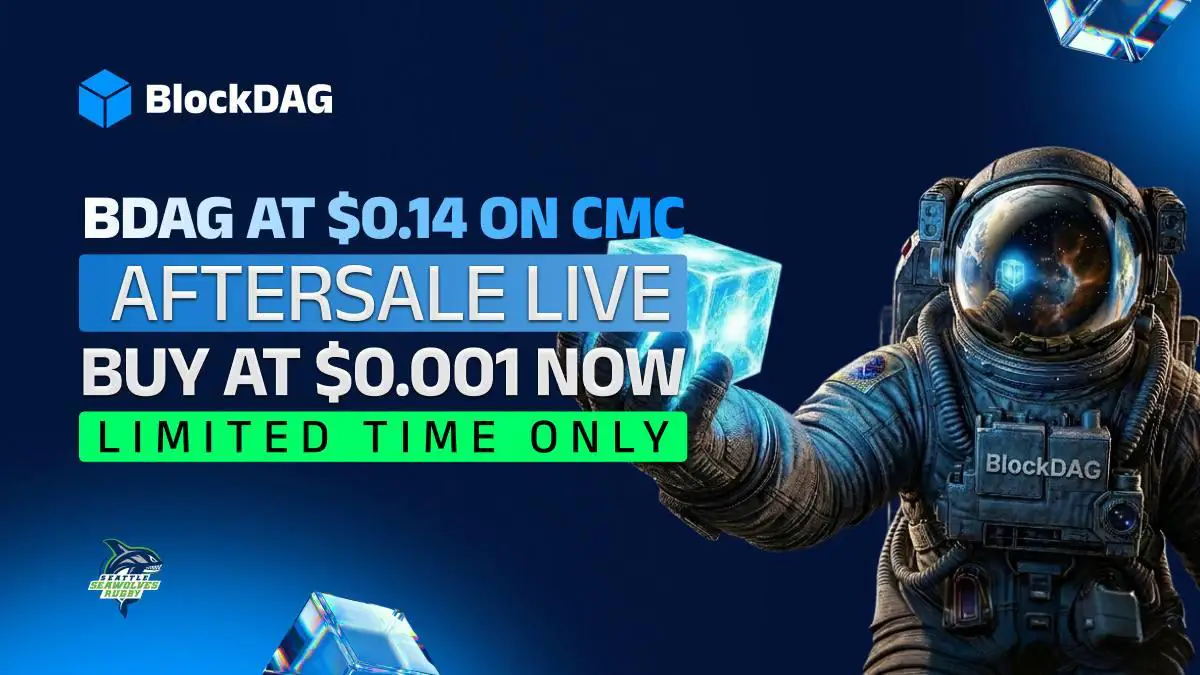
Dogecoin's multi-year bullish pennant suggests potential for a 10x rally if resistance is broken, indicating a long-term accumulation play for patient investors. Ethereum faces short-term bearish pressure below key levels despite increased trading volume, suggesting a cautious outlook until selling pressure subsides. BlockDAG's aftersale offers a unique 140x entry potential at $0.001 against a $0.14 listing price, presenting a speculative opportunity for traders seeking high-risk, high-reward plays before its official market debut. The market exhibits a bifurcated sentiment, with established assets like DOGE and ETH showing mixed signals while new projects like BlockDAG aim to capture speculative capital through aggressive pricing strategies.

Bitcoin's resilience above $65,000 amid traditional market volatility suggests potential defensive capital inflow, as traders seek alternatives to oil-sensitive assets. The pullback in crude oil prices from $120 to $95 has eased pressure on risk assets, contributing to the recovery in Bitcoin and Ether prices. Circle's USDC adoption for insurance payments highlights growing utility for stablecoins in traditional finance, potentially boosting confidence in the asset class. While short-term bounces are expected in traditional markets, persistent weakness suggests a cautious outlook for broader risk assets, with Bitcoin's ability to hold above $70,000 being a key indicator.

Veteran trader Peter Brandt disputes the validity of the 'cup and handle' pattern for Bitcoin, directly challenging the $500,000 price prediction based on this technical analysis. Brandt's rejection of the pattern, drawing parallels to gold's successful rally, suggests that market participants relying on this specific technical setup for Bitcoin may be misinterpreting chart structures. The commentary highlights the importance of rigorous technical analysis and warns against applying patterns across different asset classes without proper validation, potentially tempering speculative optimism.
Amina's integration as the first regulated bank participant on the EU's 21X DLT pilot platform signifies a crucial step in bridging traditional finance with tokenized securities markets. This development addresses interoperability concerns, a key barrier to institutional tokenization adoption, by connecting regulated banks with blockchain-based issuance and trading venues. While the EU's DLT pilot regime aims to foster innovation, its current limitations and Amina's participation will be closely watched to determine if it can accelerate scaling and competitiveness against other jurisdictions. The increasing involvement of traditional financial institutions in tokenized real-world assets, exemplified by Amina's move, suggests a growing trend towards integrating digital asset infrastructure with established capital markets.
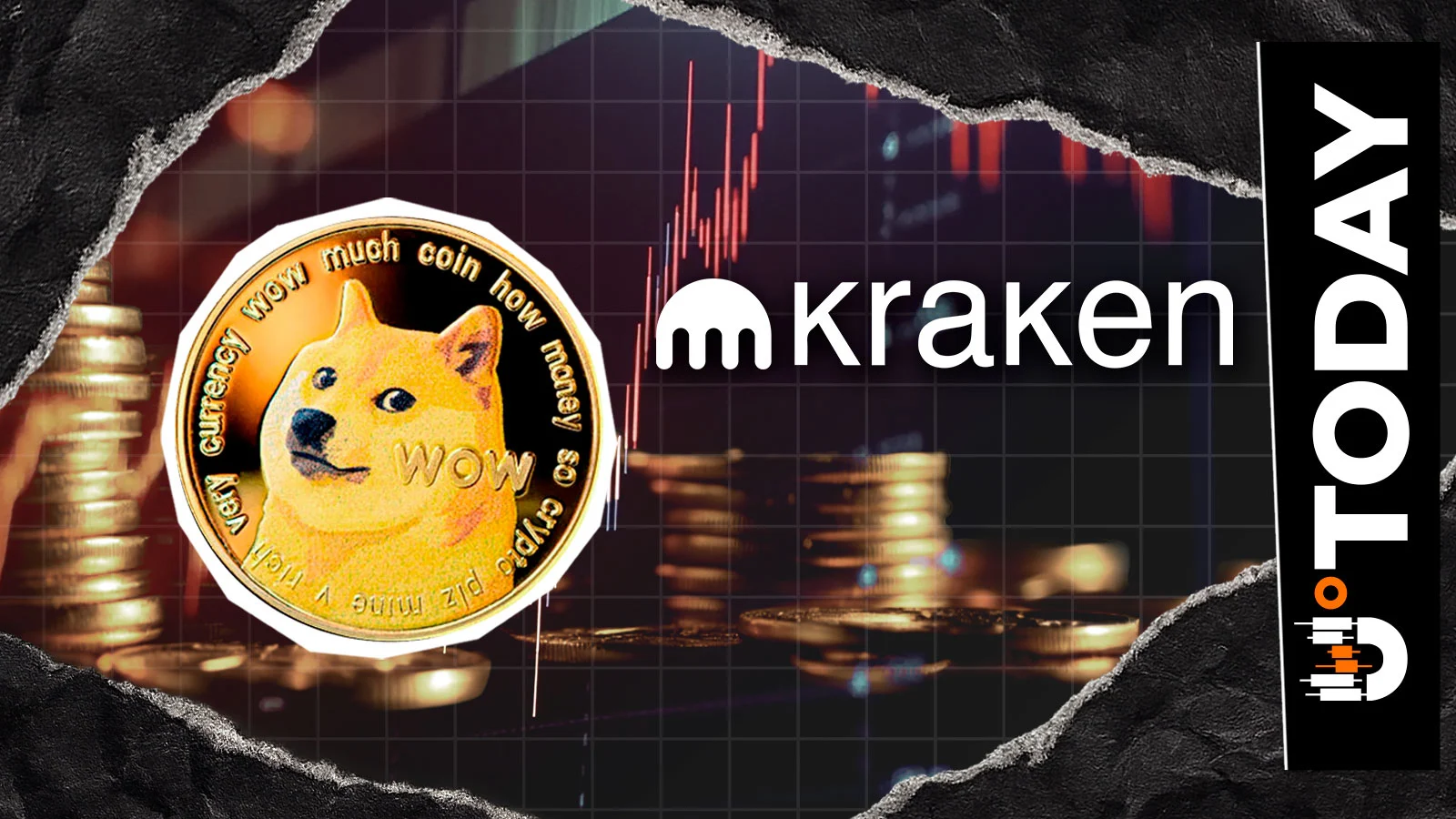
A significant withdrawal of $28.4 million in DOGE from Kraken to an unknown wallet suggests potential accumulation by large holders at current price levels. The timing of this whale activity ahead of the US CPI report implies a strategic move to position for potential volatility and price action post-announcement. Reduced exchange supply from this large withdrawal could decrease immediate selling pressure, making DOGE more susceptible to upward price movements if macroeconomic data is favorable.

Shiba Inu experienced a significant 658% surge in spot flows, indicating increased trader interest and potential shifts in market supply or demand dynamics. The rise in spot flows coincides with a 9.39% increase in SHIB's open interest, suggesting growing leverage in the market and potentially setting the stage for increased volatility. Technical indicators like contracting Bollinger Bands on the weekly chart suggest SHIB may be consolidating for a significant price move, with key resistance levels identified at $0.00000587 and $0.00000653. Broader market sentiment, particularly influenced by upcoming U.S. inflation data (CPI, Core CPI) and PCE figures, will be a critical factor in SHIB's potential price recovery this week.
Nasdaq's partnership with Kraken to bring tokenized equities on-chain signifies a major step towards bridging traditional finance and blockchain, potentially increasing institutional adoption of digital assets. This development allows traditional stocks to be traded as tokens on crypto exchanges, creating a new avenue for liquidity and accessibility while maintaining regulatory compliance. The collaboration with Payward, Kraken's parent company, aims to build infrastructure for seamless movement of tokenized equities between regulated markets and decentralized networks, impacting the RWA sector.
Digital asset funds saw significant net inflows of $619 million last week, primarily driven by Bitcoin and Ethereum, indicating sustained institutional interest despite macro headwinds. Solana (SOL) is holding a critical $81 support level, with analysts suggesting a reclaim of the $87 zone is necessary for bulls to regain momentum and target a potential move towards $100. Despite overall inflows, XRP experienced $30.3 million in outflows, highlighting divergent investor sentiment within the altcoin market. Geopolitical tensions and rising oil prices contributed to a late-week risk-off sentiment, leading to outflows on Thursday and Friday after substantial early-week inflows.
Dogecoin is exhibiting a strong bearish structure with a descending trendline and lower highs, indicating persistent seller control and a potential for further downside if key support levels fail. The critical $0.088 support level is under repeated testing, suggesting it may weaken and lead to a liquidity sweep and accelerated price decline if broken. Despite recent volatility and a sharp dip below $0.089, buyers are attempting to defend lower zones, indicating potential short-term consolidation or a fight for control at current price levels. The ongoing downtrend, marked by a 36% decline and failure to break resistance, suggests that any rallies are likely to be short-lived unless a decisive breakout above the trendline occurs.

Crypto fundraising has seen a significant downturn, with capital raised down 62% and deal count down 38% in the last three months, indicating a tightening market for new projects. The market is shifting towards larger, strategic rounds and M&A, with DeFi leading in deal volume but facing compressed valuations, while CeFi attracts larger capital injections through acquisitions. Potential catalysts for a fundraising rebound in the latter half of 2026 include regulatory clarity from legislation like the GENIUS Act, a strong IPO pipeline for crypto-native firms, and increased VC interest in AI infrastructure and DePIN. The maturation of the crypto market is evident as 'spray-and-pray' tactics fade, leading to consolidation and a focus on established players, signaling a less accessible but potentially more stable environment for select companies.
Geopolitical tensions and surging oil prices are creating market noise, but the S&P 500's resilience near all-time highs suggests underlying strength despite recent dips. A technical breakdown below the 6,770 support level indicates potential downside, with traders watching the 6,550 zone as the next demand target. Upcoming economic data, including CPI and PCE, could influence market direction, but geopolitical events are currently the primary driver of sentiment. The market's ability to absorb negative news without a sharp sell-off is being interpreted as strength, though recent price action suggests potential cracks are forming.

ZODL's $25 million seed funding, backed by major VCs like Paradigm and a16z crypto, signals strong institutional confidence in the Zcash ecosystem's future development and privacy-focused applications. The formation of ZODL by former ECC core team members, following a governance dispute, indicates a potential shift in Zcash's development structure, with a focus on independent innovation for the ZEC protocol and its Zodl wallet. The substantial funding and continued development of Zodl, which has reportedly driven significant growth in Zcash's shielded pool, suggest a strategic effort to enhance user adoption and utility for privacy-centric transactions.
The mining of the 20 millionth Bitcoin marks a significant supply milestone, confirming 95.2% of the total capped supply is now in circulation, reinforcing Bitcoin's scarcity narrative. With only 1 million BTC remaining and issuance slowing dramatically due to halving events, the diminishing supply rate over the next century until 2140 will continue to be a key factor in Bitcoin's long-term value proposition. The historical context of Satoshi Nakamoto's 'educated guess' for the 21 million cap, potentially linked to global M1 money supply at the time, adds a layer of fundamental reasoning to Bitcoin's fixed supply model.
BlackRock's transfer of $153 million in BTC and ETH to Coinbase suggests potential portfolio rebalancing or strategic positioning ahead of its Staked Ethereum Trust launch. The move to Coinbase, a major custodian for crypto ETFs, could indicate a shift in how BlackRock manages its digital asset holdings for its growing ETF products. Increased institutional activity, even if for rebalancing, signals continued engagement from major asset managers like BlackRock in the digital asset space. The upcoming launch of BlackRock's Staked Ethereum Trust (ETHB) with a revised staking fee structure may influence staking yields and investor interest in ETH staking products.

Global insurance broker Aon's successful test of stablecoin payments for premiums signals growing institutional interest in blockchain for traditional finance settlements. The use of USDC on Ethereum and PYUSD on Solana by Aon demonstrates the increasing maturity and potential integration of stablecoins into corporate treasury functions, facilitated by improved regulatory clarity. This proof-of-concept by a major financial intermediary suggests a potential shift towards faster, more transparent cross-border transactions within the insurance sector, moving beyond traditional banking rails.
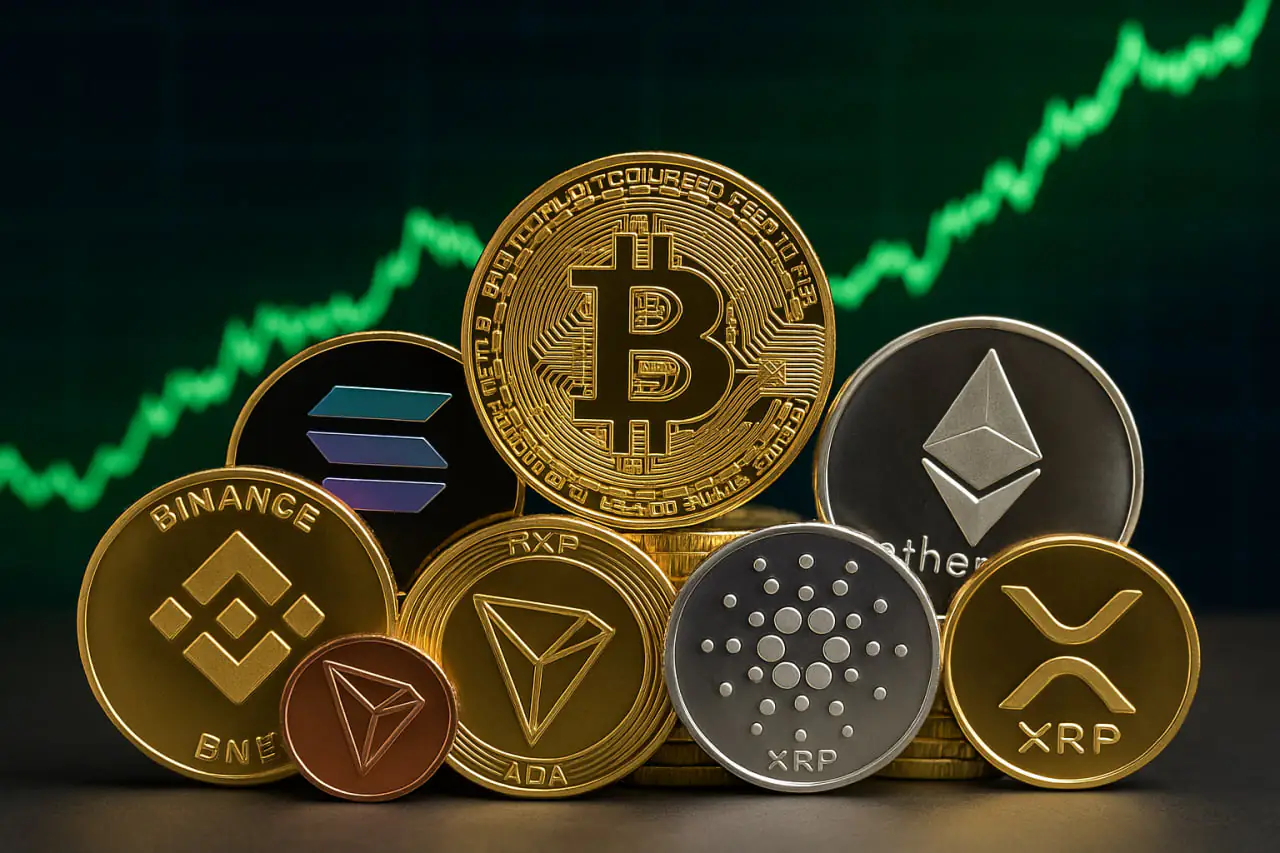
The crypto market's total capitalization nearing $2.36 trillion and Bitcoin approaching $70,000 signals a potential shift in investor sentiment, driven by renewed institutional interest and broad-based gains across major altcoins. Technical indicators for Bitcoin, including RSI and MACD, suggest strengthening bullish momentum, with a decisive break above $70,000 potentially opening further upside towards $72,000-$74,000. Despite the rally, the Crypto Fear & Greed Index at 22 indicates persistent caution, suggesting that while short-term momentum is positive, underlying investor sentiment has not fully recovered from recent volatility. Ethereum's upward movement and consolidation above $2,000, coupled with gains in BNB and Solana, highlight a rotation back into large-cap altcoins, though XRP and TRON show more muted performance.
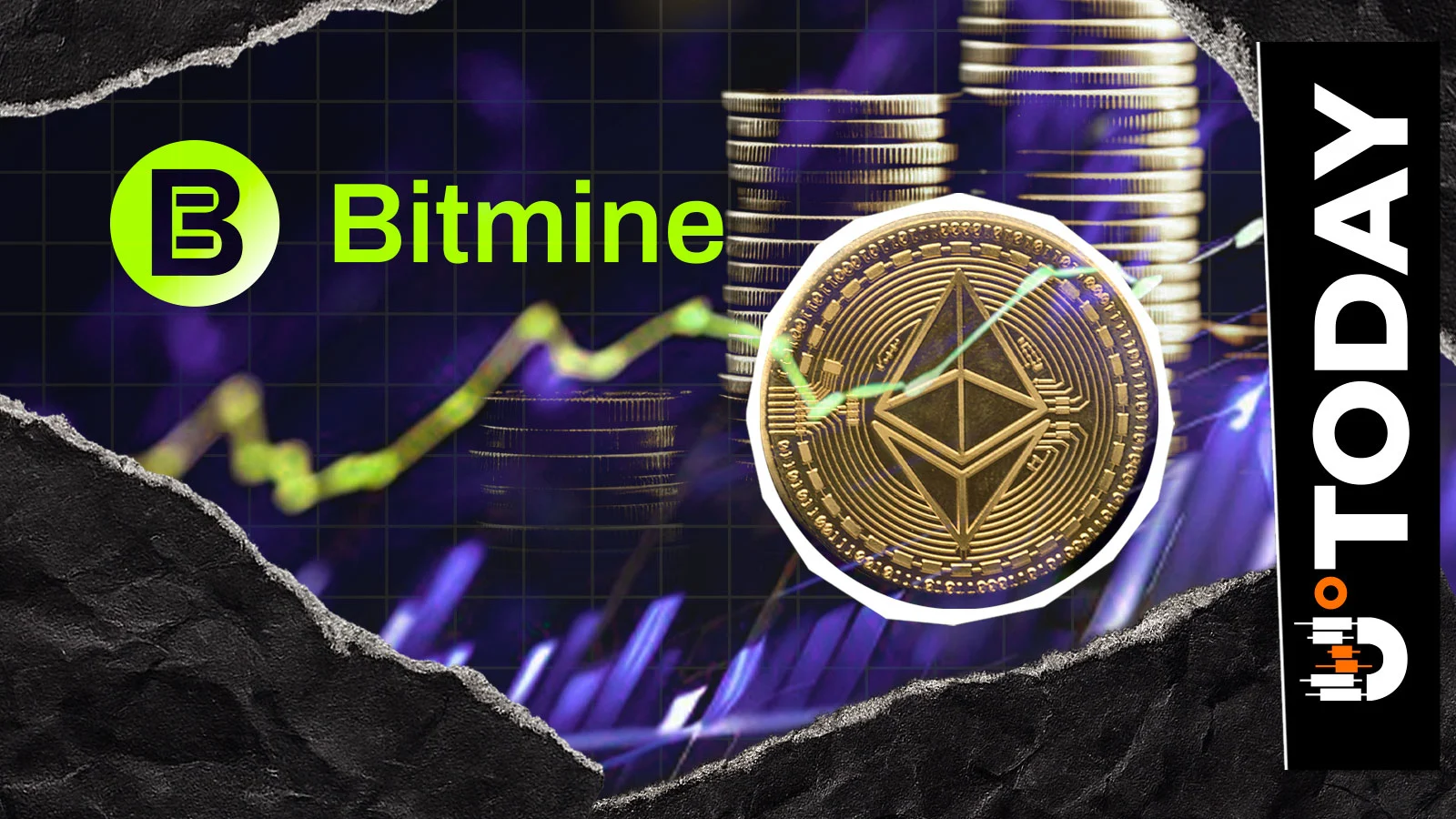
BitMine's substantial ETH purchase, exceeding $131 million, positions it as the largest corporate holder and signals continued institutional interest in Ethereum despite recent price volatility. The acquisition at an average price of $1,965 per ETH, below its ATH, suggests a strategic accumulation during a perceived market bottom, aligning with a bullish long-term outlook for Ethereum's fundamental development. This significant corporate accumulation of ETH, representing 3.7% of the circulating supply, could provide a degree of price support and indicates a growing trend of institutional capital flowing into major Layer-1 assets.
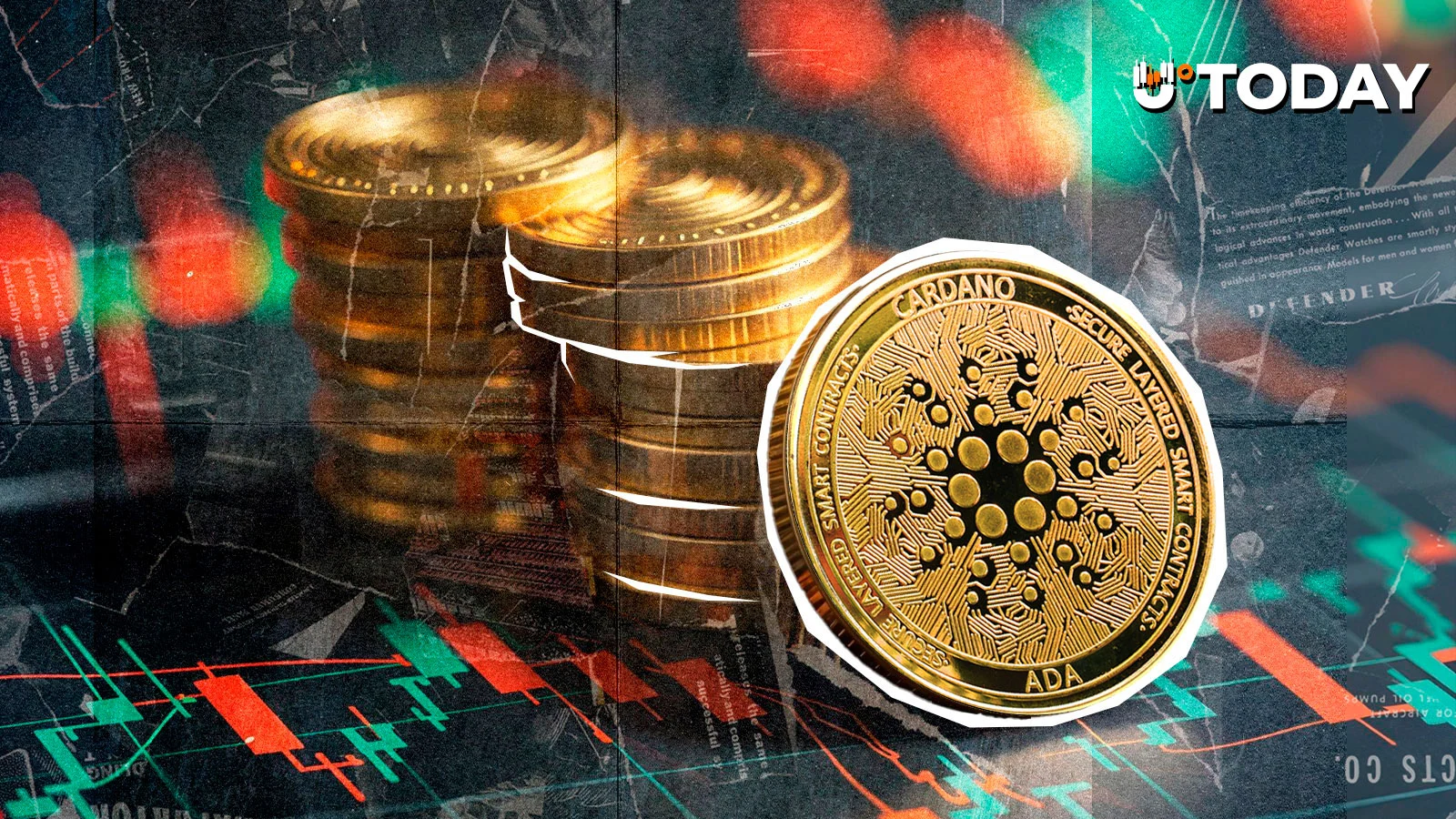
Cardano's introduction of programmable tokens via CIP-0113 enables enhanced control for asset issuers, including KYC/AML compliance and asset freezing, positioning it for regulated DeFi and RWA tokenization. The new standard allows for modular logic integration into tokens, facilitating specialized use cases for securities, real estate, and stablecoins without core network changes. This development signals Cardano's strategic move into the regulated DeFi space, aiming to attract institutional interest and capture market share in tokenized assets. While a live preview is available, a professional security audit is pending, indicating that full mainnet deployment and broader adoption will require further validation.
Signal context only. Validate with price action, liquidity, and risk limits before taking a position.
