
Navigating Crypto News

CoinFeather
Navigating Crypto News
Quick market read from this story
Dogecoin is exhibiting a strong bearish structure with a descending trendline and lower highs, indicating persistent seller control and a potential for further downside if key support levels fail.
The critical $0.088 support level is under repeated testing, suggesting it may weaken and lead to a liquidity sweep and accelerated price decline if broken.
Despite recent volatility and a sharp dip below $0.089, buyers are attempting to defend lower zones, indicating potential short-term consolidation or a fight for control at current price levels.
The ongoing downtrend, marked by a 36% decline and failure to break resistance, suggests that any rallies are likely to be short-lived unless a decisive breakout above the trendline occurs.
Deep Dive
Dogecoin (DOGE) is currently trading around $0.09081, marking a 2.4% gain amidst significant volatility. The cryptocurrency experienced a sharp dip before buyers intervened, pushing the price higher. Momentum indicators suggest buyers are attempting to maintain control, with support identified near $0.0880 and $0.0870, while resistance is forming at $0.09235.
Analyst Ali Martinez highlights a strong bearish structure on Dogecoin's 4-hour chart, characterized by a consistent movement under a descending trendline. Each price rally has resulted in a lower high, indicating that sellers remain dominant. This trend has led to a decline of approximately 36% over the analyzed period. Despite brief upward bounces, selling pressure has consistently reasserted itself.
Martinez points out that DOGE is trading precariously close to the $0.088 support level, which has been tested multiple times recently. Repeated testing typically weakens support, and a breakdown below this level could trigger further downward momentum. Conversely, a strong defense of this level by buyers, followed by a breakout above the descending trendline, could signal a potential shift in market sentiment.
In a separate analysis, Trader Tardigrade observed a sharp breakdown in Dogecoin's price after it lost the crucial $0.089 support level. The price had been consolidating in a tight range before sellers exerted control, leading to a rapid drop to approximately $0.08688. This swift decline is interpreted as a potential liquidity sweep, where stop-loss orders were triggered in rapid succession. Following this sharp drop, Dogecoin saw a quick bounce as buyers stepped in around the $0.0869 mark, suggesting short-term traders are attempting to defend this lower price zone.
Source, catalyst, and sector overlap from the latest feed.
Digital asset funds saw significant net inflows of $619 million last week, primarily driven by Bitcoin and Ethereum, indicating sustained institutional interest despite macro headwinds. Solana (SOL) is holding a critical $81 support level, with analysts suggesting a reclaim of the $87 zone is necessary for bulls to regain momentum and target a potential move towards $100. Despite overall inflows, XRP experienced $30.3 million in outflows, highlighting divergent investor sentiment within the altcoin market. Geopolitical tensions and rising oil prices contributed to a late-week risk-off sentiment, leading to outflows on Thursday and Friday after substantial early-week inflows.
Geopolitical tensions and surging oil prices are creating market noise, but the S&P 500's resilience near all-time highs suggests underlying strength despite recent dips. A technical breakdown below the 6,770 support level indicates potential downside, with traders watching the 6,550 zone as the next demand target. Upcoming economic data, including CPI and PCE, could influence market direction, but geopolitical events are currently the primary driver of sentiment. The market's ability to absorb negative news without a sharp sell-off is being interpreted as strength, though recent price action suggests potential cracks are forming.
Coinbase's expansion of regulated crypto futures trading to 26 European countries signifies a strategic move to capture a previously underserved market, potentially increasing derivatives volume and revenue for the exchange. The launch offers European traders a compliant alternative to offshore platforms, potentially drawing capital into regulated venues and increasing demand for underlying assets like BTC and SOL through futures contracts. By offering both perpetual-style and dated futures with leverage, Coinbase is positioning itself as a comprehensive trading venue, aiming to attract sophisticated traders and broaden its appeal beyond spot markets.
China's expanded restrictions on BHP's iron ore shipments signal a strategic move to assert greater control over commodity pricing, potentially impacting global supply chains and commodity markets. The escalating pricing dispute between China and BHP, a major global mining entity, has led to a significant drop in BHP's share price, highlighting the market's sensitivity to geopolitical trade tensions and resource control. This development underscores China's increasing leverage as a dominant consumer, suggesting a shift in power dynamics with major resource suppliers and potentially influencing future trade negotiations.
The metaverse sector continues to evolve, with projects like Decentraland and The Sandbox focusing on virtual worlds while others like Enjin and Render provide underlying infrastructure. As VR technology and Web3 development advance, metaverse cryptocurrencies are positioned to play a significant role in the future internet economy, driven by digital ownership and decentralized economies. The article highlights key metaverse coins for 2026, including MANA, SAND, AXS, ENJ, ILV, APE, and RENDER, detailing their features, pros, and cons, which can inform investment strategies.
A significant withdrawal of $28.4 million in DOGE from Kraken to an unknown wallet suggests potential accumulation by large holders at current price levels. The timing of this whale activity ahead of the US CPI report implies a strategic move to position for potential volatility and price action post-announcement. Reduced exchange supply from this large withdrawal could decrease immediate selling pressure, making DOGE more susceptible to upward price movements if macroeconomic data is favorable.
Shiba Inu experienced a significant 658% surge in spot flows, indicating increased trader interest and potential shifts in market supply or demand dynamics. The rise in spot flows coincides with a 9.39% increase in SHIB's open interest, suggesting growing leverage in the market and potentially setting the stage for increased volatility. Technical indicators like contracting Bollinger Bands on the weekly chart suggest SHIB may be consolidating for a significant price move, with key resistance levels identified at $0.00000587 and $0.00000653. Broader market sentiment, particularly influenced by upcoming U.S. inflation data (CPI, Core CPI) and PCE figures, will be a critical factor in SHIB's potential price recovery this week.
Significant outflows of 275 billion SHIB from exchanges suggest holders are moving assets to private wallets, potentially reducing immediate sell pressure. Despite exchange outflows, SHIB remains in a multi-month downtrend with lower highs and lows, indicating that the broader market structure has not yet shifted in favor of buyers. While on-chain data shows active circulation and a slight increase in network activity, the price action is likely to remain volatile and influenced by macroeconomic factors and Bitcoin's performance.
Patos (PATOS) has confirmed a CEX listing price that guarantees a 108% ROI for early presale investors, signaling strong initial demand and a potential catalyst for price appreciation upon listing. The strategic appointment of 'Mark Zuckerfart' as Lead Marketing Executive has reportedly driven a 500% surge in presale activity, highlighting the impact of influencer marketing and community engagement on token sales. The project's positioning on the Solana blockchain, combined with confirmed CEX listings and early dApp development, suggests a focus on utility and liquidity that could differentiate it from typical meme coin volatility.
XRP experienced a significant $30.3 million outflow from institutional funds, indicating a potential shift in investor sentiment away from the asset despite broader market optimism. Coinbase's expansion of regulated futures to 26 European countries offers new trading avenues, though Shiba Inu (SHIB) futures are not included, dampening speculation for that specific asset. Dogecoin is consolidating within a descending triangle pattern, suggesting a potential 37% breakout or breakdown is imminent, contingent on broader market momentum and Bitcoin's performance. The upcoming CPI report on March 11 is a key market driver, with Bitcoin expected to trade within a $66k-$70k range until its release, influenced by ETF flows and oil market stability.
Live Feed
Loading the broader stream in the same flow as the homepage feed.

BlockDAG's current trading performance on CoinStore, including its top 100 ranking and strong initial staking metrics, demonstrates significant pre-existing demand that could be amplified by future Tier 1 US exchange listings. The anticipated Tier 1 US exchange listings represent a critical catalyst for BlockDAG, expected to unlock access to a larger trader base, attract institutional capital, and significantly increase market visibility and liquidity. The project's price targets of $0.20, $0.40, and $0.50 are explicitly linked to staged exchange listing events, suggesting a structured rollout plan that traders can follow for potential entry and exit points. While current trading on CoinStore shows promise, the core value proposition and potential for a 100x surge are contingent on the successful execution of upcoming Tier 1 US exchange listings, making this the primary event to monitor.

The analysis highlights that rhodium and iridium are currently the most valuable metals due to extreme scarcity and irreplaceable industrial demand, particularly in catalytic converters and high-tech applications. Gold's value is sustained by its monetary history, central bank accumulation, and jewelry demand, positioning it as a stable safe-haven asset despite lower industrial use. Silver's demand is projected to grow significantly due to its critical role in solar panel manufacturing, suggesting a strong long-term outlook driven by the green energy transition. Platinum and palladium face long-term headwinds from the shift to electric vehicles, which reduces their primary demand driver: catalytic converters.

Latin America's crypto market surged to $730 billion in 2025, driven by stablecoin adoption for payments and inflation hedging, indicating a shift from speculative use to functional financial infrastructure. Brazil and Argentina lead regional adoption, with Brazil showing significant institutional growth and Peru exhibiting the fastest per capita user expansion, highlighting diverse market dynamics. Upcoming VASP licensing and AML reporting regulations in 2026 across Brazil, Argentina, and Mexico will test the market's resilience and could impact major exchanges like Binance, which handles over 50% of regional activity.
The crypto market experienced a significant rally driven by institutional buying and a perceived shift in US regulatory stance on privacy tools, suggesting a potential easing of enforcement fears. Bitcoin's breach of $69,000 and Ethereum's move above $2,000, coupled with substantial short liquidations, indicate strong upward momentum and a potential shift in market sentiment from fear to cautious optimism. While the rally shows breadth with assets like SOL, BNB, and ADA showing gains, the Altcoin Season Index at 35 suggests Bitcoin remains the primary driver, with broader altcoin participation yet to materialize. Upcoming US Bitcoin ETF flow data and ongoing geopolitical risks present key variables that could influence the sustainability of this rally, highlighting the market's continued sensitivity to macro factors and institutional flows.
CZ's prediction of a Bitcoin super cycle, driven by institutional adoption and regulatory clarity, suggests a potential shift away from traditional four-year cycles, favoring utility-focused projects. The article highlights Pepeto's presale as a direct beneficiary of CZ's super cycle thesis, emphasizing its exchange infrastructure development as key to capturing institutional capital flows. With $7.5M raised and a focus on exchange tools, Pepeto is positioned to capitalize on the predicted influx of tokenized assets, aiming for significant returns upon its listing.

BlockDAG's successful multi-exchange launch and validated $0.05 support level suggest immediate upside potential, with market makers targeting $0.20 and a $10B market cap as key near-term objectives. Hyperliquid's resilience and growth in a bear market, coupled with the HyperEVM launch and a proposed $1B token burn, position it for a potential breakout above $35 towards its all-time high. Chainlink's fundamental strength is reinforced by institutional accumulation via the GLNK ETF and its critical role in the growing RWA tokenization trend, setting the stage for a rebound above $10.50. Polkadot's upcoming March 14th tokenomics upgrade, featuring a supply cap and reduced emissions, creates a scarcity-driven catalyst with potential for significant price appreciation above $1.70.

Bitcoin has reclaimed the $68,000 support level after a brief dip, indicating a repair within its current trading range rather than a confirmed breakout. The price action suggests that while a major drop was avoided, Bitcoin faces overhead resistance at $71,500, necessitating acceptance above this level for a sustained upward trend. Macroeconomic factors like inflation and interest rates continue to influence Bitcoin's price, creating a range-bound environment with event risk at the edges. Despite recent outflows ending, cautious sentiment persists among options traders, aligning with the channel analysis that points to consolidation over immediate bullish momentum.

The perpetuals market has seen significant growth, exceeding $7.24 trillion in monthly volume, with Binance maintaining dominant market share but facing increasing competition from decentralized exchanges. Hyperliquid's entry into the top 10 decentralized exchanges for perpetuals volume marks a critical shift, demonstrating the growing viability and competitiveness of DeFi derivatives infrastructure against established centralized players. The increasing market share of DEXs in perpetuals, driven by improved execution speeds and capital efficiency, suggests a potential long-term structural change in derivatives trading, attracting institutional interest and advanced trading strategies. While centralized exchanges retain advantages in liquidity and fiat on-ramps, the closing UX gap and emerging trends like RWAs and AI traders indicate a dynamic market where decentralized platforms are poised for further growth.
Kazakhstan's $350 million allocation to crypto infrastructure signals sovereign validation of the sector, potentially driving demand for related projects like exchange infrastructure providers. The article promotes Pepeto as a significant opportunity, highlighting its $7.8M presale raise during a period of market fear and its focus on exchange infrastructure, drawing parallels to past successful meme coins. Despite a general altcoin downturn, the article suggests a potential crypto market explosion driven by institutional interest and specific project developments, positioning Pepeto as a key beneficiary.
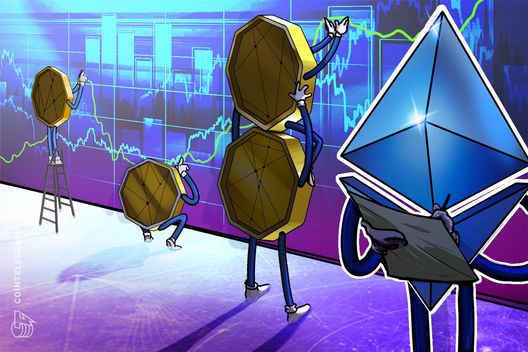
Increased Ether derivatives inflows and a record leverage ratio suggest heightened speculative activity, potentially leading to amplified volatility as ETH targets short liquidity above $2,000. The concentration of short liquidations near $2,030 presents a potential magnet for price, which could trigger accelerated upside movement if these positions are forced to close. ETH is testing a long-term ascending trendline, and a sustained hold above the $1,900-$2,000 area could signal a continuation of the bullish momentum observed in recent market cycles.

A prolonged U.S.-Iran conflict could drive increased government deficit spending, potentially devaluing fiat currencies and creating a favorable macro environment for Bitcoin as a non-sovereign asset. The potential for lower interest rates, driven by the need to finance increased debt and maintain Treasury market stability, combined with rising debt levels, historically supports Bitcoin's performance, suggesting a bullish macro outlook. While a war-driven surge in oil prices could introduce stagflationary risks, the strategist argues that even such an environment may benefit Bitcoin as policymakers prioritize financial stability over inflation control.
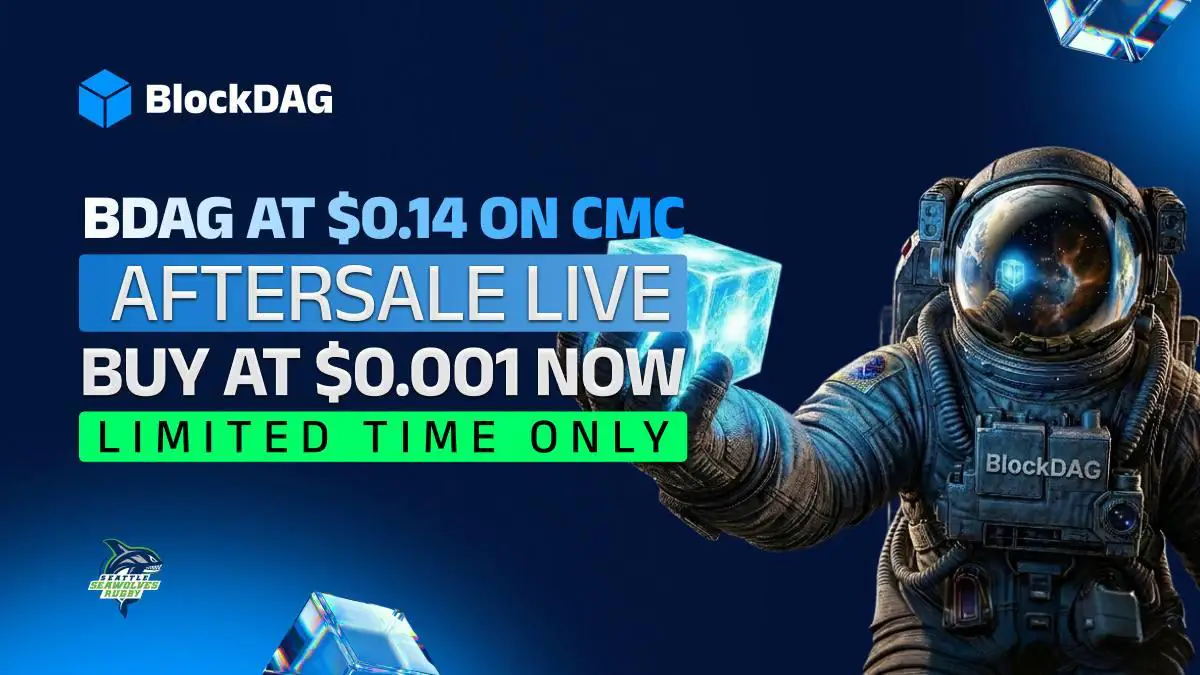
Dogecoin's multi-year bullish pennant suggests potential for a 10x rally if resistance is broken, indicating a long-term accumulation play for patient investors. Ethereum faces short-term bearish pressure below key levels despite increased trading volume, suggesting a cautious outlook until selling pressure subsides. BlockDAG's aftersale offers a unique 140x entry potential at $0.001 against a $0.14 listing price, presenting a speculative opportunity for traders seeking high-risk, high-reward plays before its official market debut. The market exhibits a bifurcated sentiment, with established assets like DOGE and ETH showing mixed signals while new projects like BlockDAG aim to capture speculative capital through aggressive pricing strategies.

Bitcoin's resilience above $65,000 amid traditional market volatility suggests potential defensive capital inflow, as traders seek alternatives to oil-sensitive assets. The pullback in crude oil prices from $120 to $95 has eased pressure on risk assets, contributing to the recovery in Bitcoin and Ether prices. Circle's USDC adoption for insurance payments highlights growing utility for stablecoins in traditional finance, potentially boosting confidence in the asset class. While short-term bounces are expected in traditional markets, persistent weakness suggests a cautious outlook for broader risk assets, with Bitcoin's ability to hold above $70,000 being a key indicator.

Veteran trader Peter Brandt disputes the validity of the 'cup and handle' pattern for Bitcoin, directly challenging the $500,000 price prediction based on this technical analysis. Brandt's rejection of the pattern, drawing parallels to gold's successful rally, suggests that market participants relying on this specific technical setup for Bitcoin may be misinterpreting chart structures. The commentary highlights the importance of rigorous technical analysis and warns against applying patterns across different asset classes without proper validation, potentially tempering speculative optimism.

Hyperliquid's record $720M weekend volume highlights increasing demand for on-chain macro trading, driven by commodity volatility. The surge in oil and silver-linked trades on Hyperliquid indicates a growing intersection between traditional market events and decentralized derivatives platforms. Despite record trading volumes, the HYPE token price remains significantly below its peak, suggesting a decoupling between platform activity and native token valuation. Geopolitical tensions and commodity price shocks are emerging as significant catalysts for on-chain derivatives trading, potentially attracting new capital flows into the DeFi space.
Amina's integration as the first regulated bank participant on the EU's 21X DLT pilot platform signifies a crucial step in bridging traditional finance with tokenized securities markets. This development addresses interoperability concerns, a key barrier to institutional tokenization adoption, by connecting regulated banks with blockchain-based issuance and trading venues. While the EU's DLT pilot regime aims to foster innovation, its current limitations and Amina's participation will be closely watched to determine if it can accelerate scaling and competitiveness against other jurisdictions. The increasing involvement of traditional financial institutions in tokenized real-world assets, exemplified by Amina's move, suggests a growing trend towards integrating digital asset infrastructure with established capital markets.
Ethereum's derivatives market is showing signs of a structural reset, with Binance's 30-day average open interest hitting its lowest point since May 2025, indicating a cooling off of leverage and speculation. The decline in open interest suggests traders are reducing exposure and adopting more cautious strategies, potentially clearing out excessive leverage and creating conditions for more organic price movements. This stabilization in the derivatives environment, characterized by reduced leverage, could set the stage for a new cycle of activity and potentially influence future price action for ETH.
Nasdaq's partnership with Kraken to bring tokenized equities on-chain signifies a major step towards bridging traditional finance and blockchain, potentially increasing institutional adoption of digital assets. This development allows traditional stocks to be traded as tokens on crypto exchanges, creating a new avenue for liquidity and accessibility while maintaining regulatory compliance. The collaboration with Payward, Kraken's parent company, aims to build infrastructure for seamless movement of tokenized equities between regulated markets and decentralized networks, impacting the RWA sector.
Signal context only. Validate with price action, liquidity, and risk limits before taking a position.
