
200+ crypto news providers in one place.

CoinFeather
200+ crypto news providers in one place.

Quick market read from this story
Bitcoin reached a one-month high, surpassing $71,000, driven by geopolitical stability hopes and potential US regulatory clarity
The Clarity Act, aimed at legalizing stablecoins, is speculated to be nearing passage, potentially benefiting altcoins
Bitcoin's oversold condition prior to recent geopolitical events has likely revived investor interest, including institutional inflows into spot ETFs
Traders anticipate continued volatility, especially if the Strait of Hormuz remains disrupted, impacting oil prices.
Deep Dive
Bitcoin (BTC) surged to nearly $72,000 on March 4, 2026, reaching a one-month high and boosting the broader cryptocurrency market. This outperformance occurred despite significant turmoil in traditional markets due to the conflict in the Middle East.
Several factors contributed to Bitcoin's strength. These include its relative positioning, increased optimism surrounding the potential passage of the U.S. Clarity Act aimed at legalizing stablecoins, and hopes for a swift resolution to the conflict with Iran.
Bitcoin had been oversold prior to the recent hostilities, which likely contributed to its resilience as traditional assets declined. This performance has reportedly revived investor interest, potentially drawing institutions back to spot ETFs.
An argument suggests that global government finances may worsen due to the ongoing conflict, potentially leading to increased fiat debasement, which could benefit Bitcoin.
A report from The New York Times, cited by Bloomberg, indicated that Iranian intelligence operatives contacted the CIA to discuss ending the war shortly after hostilities began. While the U.S. did not engage, this suggests active backchannels that could facilitate a ceasefire.
Speculation about the imminent passage of the Clarity Act in the U.S. has also bolstered the market. According to Paul Howard, director at trading firm Wincent, this legislation is expected to benefit altcoins significantly. However, Howard cautioned that there is currently no strong evidence of substantial sidelined capital preparing to enter the digital asset market, suggesting any rotation is gradual.
Traders anticipate continued volatility, especially if the Strait of Hormuz remains closed, leading to further oil price surges. QCP Capital's market insight team noted that Bitcoin has shown greater resilience than broader risk assets and should be monitored as an early indicator of stabilizing sentiment.

Bitcoin's recent move above $71,000 has refocused attention on the $74,000 level, a historical resistance and support zone. A sustained break above this area could signal further upside, while failure to do so might reignite selling pressure.
Major crypto-related stocks such as Coinbase (COIN), Marathon Digital Holdings (MARA), and Riot Platforms (RIOT) showed mixed pre-market performance. MicroStrategy (MSTR), a significant holder of Bitcoin, saw its stock price increase.
Geopolitical events, particularly the conflict in the Middle East, are impacting global markets. Fears of an oil shock and rising inflation have affected Asian markets, while European markets experienced a pause in their selloff. Reports indicate that President Trump is urging the passage of the U.S. Clarity Act, criticizing banks for perceived interference.
In regulatory news, Kraken has become the first crypto firm to gain access to the Federal Reserve's core payment systems, a significant development for the industry.
Source, catalyst, and sector overlap from the latest feed.
Former Binance global communications lead Brad Jaffe hired as CCO at KAST. KAST is a stablecoin firm focused on international entrepreneurs and digital asset users. KAST has made over 300 hires in the past year across engineering, product, and compliance.
Sui's native stablecoin USDsui has launched. Yield from USDsui's backing assets will be used to repurchase SUI tokens or deploy to DeFi protocols. This model contrasts with Tether and Circle, which retain yield externally. USDsui is issued by Bridge, a stablecoin firm acquired by Stripe.
Tether invested $50 million in sleep technology startup Eight Sleep. Eight Sleep will use the funding to develop new AI health features using Tether's QVAC architecture. This investment marks Tether's expansion beyond crypto into longevity and AI. Tether reported over $10 billion in net profits through 2025, channeling earnings into venture investments.
White House crypto adviser Patrick Witt rejects Jamie Dimon's view on regulating yield-bearing stablecoins as banks. Witt argues the Genius Act prevents stablecoin issuers from lending reserves, differentiating them from traditional banks. The debate centers on whether yield-bearing stablecoins should face bank-like regulations including capital and liquidity rules.
Market infrastructure operators DTCC, Euroclear, and Clearstream highlight interoperability as crucial for tokenized securities adoption. Lack of interoperability between DLT and traditional finance systems risks higher costs and fragmented liquidity. The industry needs agreed-upon standards for seamless asset movement across diverse blockchain and legacy systems. The goal is 'same asset, same rights, same outcome' across all platforms.
Cardano founder Charles Hoskinson criticizes the CLARITY Act as "horrific" and "trash." Hoskinson argues the bill could classify all digital assets as securities, harming new crypto projects. He disagrees with Ripple CEO Brad Garlinghouse's support for the bill, questioning the rush to pass it. The CLARITY Act could lead to increased SEC oversight and regulatory ambiguity for the crypto industry.
White House advisor Patrick Witt disputes JPMorgan CEO Jamie Dimon's claims on yield-bearing stablecoins. Witt argues stablecoin issuers under the GENIUS Act cannot lend reserves, unlike banks. The dispute is stalling the passage of the broader CLARITY Act for U.S. crypto regulation. Coinbase offers 3.5% yield on USDC, a rate traditional banks struggle to match.
CFTC Chair Mike Selig indicates U.S. perpetual futures are expected within the next month. This regulatory clarity could bring institutional capital back to the U.S. derivatives market. Onchain perps leader Hyperliquid faces both opportunity from increased demand and threat from regulated U.S. alternatives. Perpetual futures volume is expected to increase, with potential for both onchain and centralized venues to capture growth.
South Korea proposes capping major shareholder stakes in crypto exchanges at 20% Exchanges will have three years to comply, with potential extensions for smaller platforms Major exchanges like Upbit and Bithumb currently exceed the proposed ownership limit The move could impact competition and innovation within the South Korean crypto market
Solana casinos are gaining popularity due to the network's fast transactions and low fees. Several crypto casinos are highlighted for supporting SOL deposits and withdrawals. Platforms offer diverse game libraries, crypto bonuses, and fast payouts for SOL players.
Live Feed
Loading the broader stream in the same flow as the homepage feed.
The post How High Will Bitcoin Price Go This Week? appeared first on Coinpedia Fintech News Bitcoin climbed over the past 24 hours, raising a question across the market: how high can Bitcoin go this week? Bitcoin is currently trading near $71,370, up about 6.35% in the last 24 hours. The rally appears to be driven mainly by activity in derivatives markets, where a large number of bearish bets were suddenly …
Suzlon shares fell below ₹40, reaching a two-year low. The company announced a leadership restructuring with Ajay Kapur appointed as group CEO. Despite the price drop, multiple brokers maintain a 'Buy' rating with a target price of ₹60. The leadership overhaul aims to transition Suzlon into an integrated renewable energy solutions provider.
Ray Dalio warns Bitcoin cannot replace gold as a safe-haven. Gold gains amid market stress while Bitcoin drops 45% from recent highs.

The South Korean stock market (KOSPI) closed near 5,094 after falling 12.06% in a single session today. The index had already fallen 7.24% the prior session, taking the two-day slide to roughly 18.4% on a compounded basis. South Korean equities did not fall alone, but the magnitude set Korea apart in a global risk-off window. […] The post Bitcoin surges past $71,000 during a record South Korean stock market crash of 18% this week appeared first on CryptoSlate.
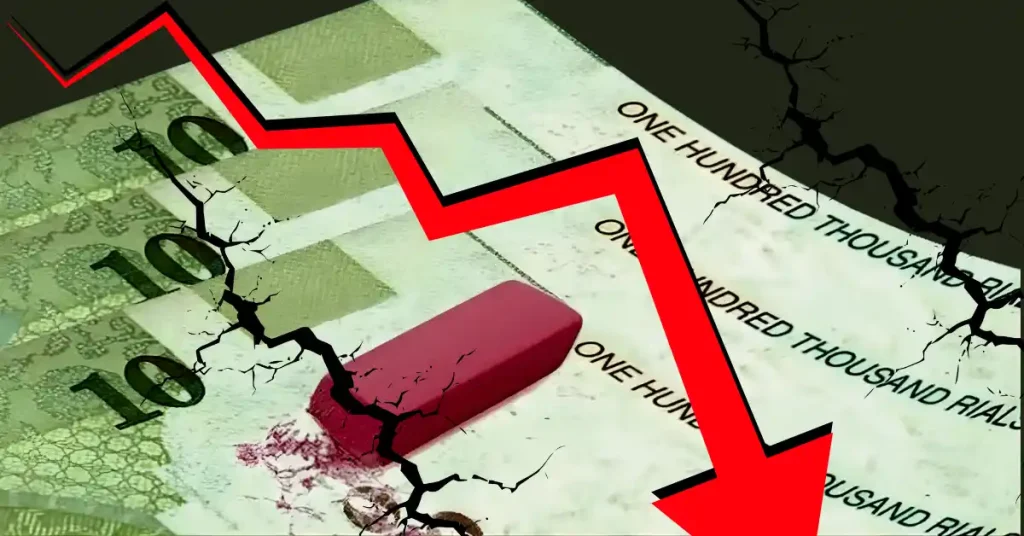
Iranian crypto market activity surged 873% above normal levels following regional airstrikes. Individuals and organizations are moving funds out of Iranian exchanges for safety and to bypass restrictions. High inflation and currency devaluation are driving Iranians to crypto as a financial hedge. The Iranian government utilizes crypto to mitigate economic pressure from international sanctions.
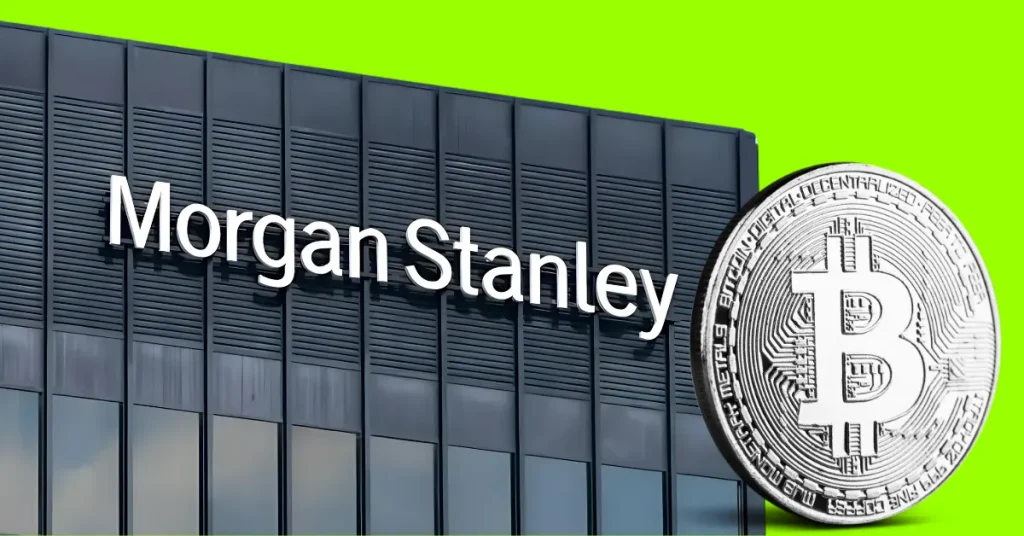
Morgan Stanley updated its SEC filing for a Bitcoin Trust ETF. BNY Mellon named as administrator and cash custodian. Coinbase Custody to safeguard bitcoin holdings. Trust will hold physical bitcoin and track its value via CoinDesk Bitcoin Benchmark.
Ethereum Smart DCA indicator shows a surge, historically signaling accumulation phases. ETH price is forming higher lows and testing the $2.1K resistance level. Analyst charts indicate a consolidation structure with support near $1,800 and resistance around $2,100. Breakout above $2,100 is needed to shift short-term momentum.
Dogecoin trading below $0.0932 and 100-hour SMA, indicating bearish short-term outlook. Bears control DOGE price action since losing the $0.10 level. Key resistance at $0.0920 and $0.0932 must be cleared for potential recovery. Breakdown below $0.0885 could accelerate losses towards $0.0850 and $0.0800.
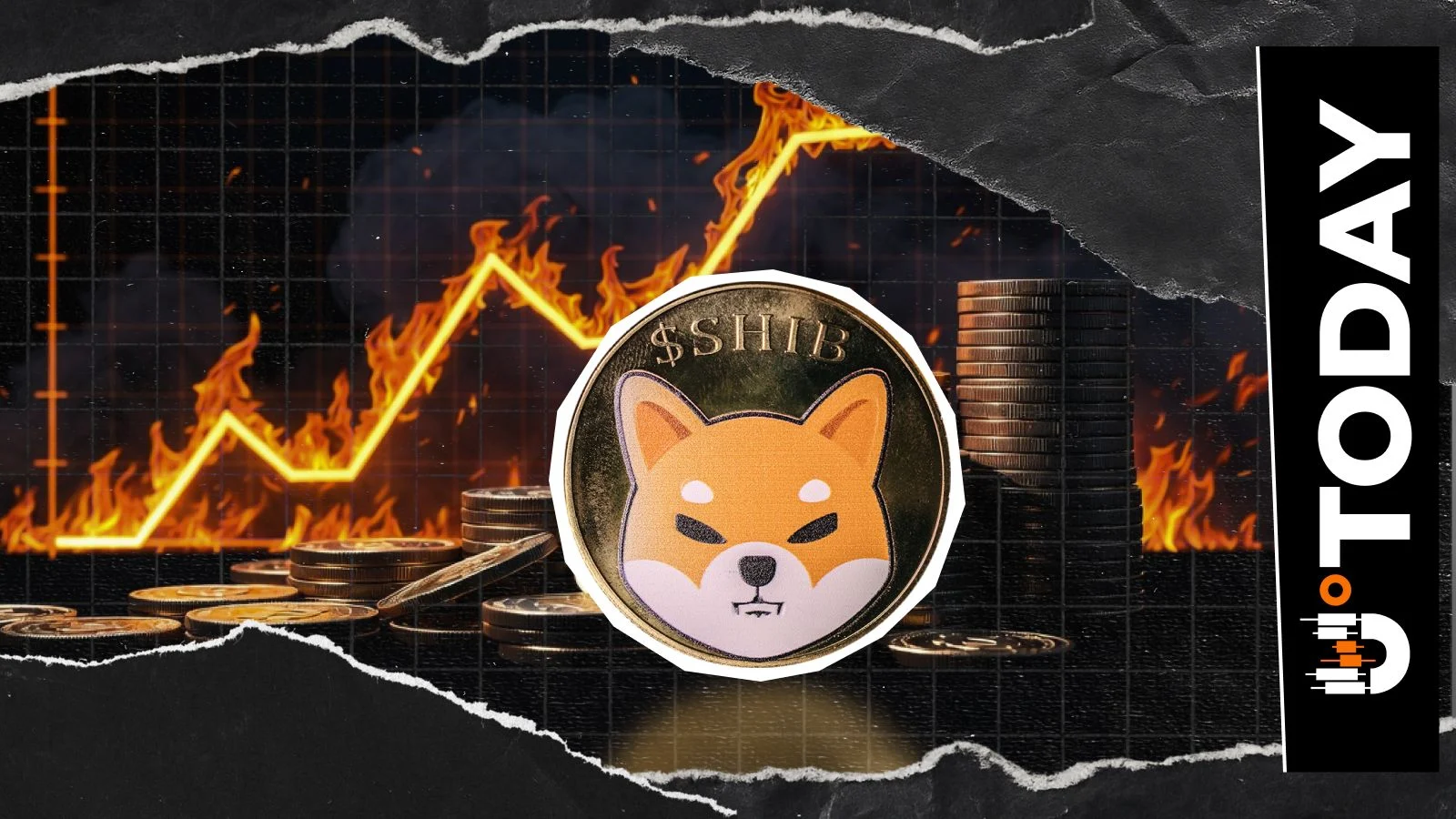
Shiba Inu price increased by 6.35% in the last 24 hours. Shiba Inu burn rate surged by 53,954% in the past day. 841,084 SHIB tokens were burned, reducing total supply. Exchange reserves for SHIB decreased significantly, indicating increased buying activity.
Tata Steel shares dropped 8% to ₹194.43 due to geopolitical tensions impacting metal markets. Iran conflict and Strait of Hormuz blockade caused supply disruption concerns, driving aluminum prices higher. Qatalum suspended production due to natural gas shortages linked to the Iran conflict. Broader sell-off observed in cyclical stocks like Vedanta and Hindustan Zinc.
Key Insights: Ethena price went up 7% over the last 24 hours. Sounds good at first. The token reached $0.115 on March 3, 2026. Traders got a bit excited. But there’s a problem. Ethena crypto rally stopped at a key level. It couldn’t break through $0.1196. That number matters a lot for the chart pattern. […] The post Ethena Price 7% Bounce Fails to Turn Bullish: Here’s Why a 20% Drop Looms appeared first on The Coin Republic.
Signal context only. Validate with price action, liquidity, and risk limits before taking a position.
