
Navigating Crypto News

CoinFeather
Navigating Crypto News
Quick market read from this story
FXRP's 600% YoY surge and over 107 million tokens locked on Flare indicate significant DeFi adoption for XRP, transforming it into a versatile financial asset beyond payments.
The integration of XRP via FXRP into Flare's EVM-compatible ecosystem unlocks DeFi functionalities like lending, borrowing, and yield farming, directly impacting XRP's utility and market position.
FXRP's success positions it as XRP's smart contract standard, potentially bridging institutional liquidity from areas like DTCC custody with decentralized finance opportunities.
Deep Dive
XRP is expanding its presence in decentralized finance (DeFi) through FXRP on the Flare Network. On-chain metrics provider BankXRP reports that FXRP has become a benchmark for XRP on smart contract chains, experiencing a year-on-year surge of over 600%. Experts anticipate this growth to continue.
Flare, an EVM-compatible blockchain, introduced FXRP to integrate XRP into the DeFi space. Unlike the native XRP Ledger, FXRP allows holders to engage in activities such as lending, borrowing, trading, and yield farming. Currently, over 107 million FXRP are locked on the Flare network, indicating significant adoption and active participation.
FXRP enables XRP holders to access Flare's DeFi ecosystem by converting XRP into a smart contract-compatible token. This allows for participation in lending, liquidity provision, and yield generation while maintaining a connection to their original XRP assets. Key features of FXRP include:
Beyond its DeFi capabilities, XRP holds a strategic market position, with potential to access the vast institutional liquidity within DTCC custody, estimated at over $100 trillion. This, combined with market dynamics such as potential rallies from over-leveraged traders, presents both short-term trading opportunities and long-term growth prospects for XRP.
As adoption grows and smart contract integration deepens, FXRP is poised to redefine XRP's function, connecting traditional finance, blockchain innovation, and real-world applications.
Source, catalyst, and sector overlap from the latest feed.
Falling US yields and a softer dollar are providing a tailwind for gold, pushing it towards the $4,600 resistance level, indicating a potential short-term bullish bias driven by macro factors. Despite geopolitical tensions and inflation concerns, gold's longer-term uptrend appears intact, with current pullbacks viewed as normal corrections within a broader bullish cycle, suggesting buyers remain active on dips. While Turkey's central bank selling gold reserves adds some supply pressure, it has not fundamentally altered the market structure, with key price levels at $4,600 resistance and $4,780-$4,800 support remaining critical for near-term direction. Analysts suggest a potential breakout for gold in the second quarter, with some forecasting targets exceeding $8,000 by July 2026 if buyers reclaim the upper range, highlighting a longer-term bullish outlook contingent on technical resolutions.
Alphabet's significant AI spending plan, coupled with rising energy costs due to geopolitical tensions, is pressuring GOOG stock despite its strong market position. Investors are evaluating the trade-off between Alphabet's aggressive AI investment and its impact on near-term profitability, creating uncertainty for the stock. While regulatory scrutiny persists, the core AI and search businesses continue to generate substantial cash flow, suggesting potential for a valuation reset rather than a fundamental decline.
XRP demonstrates resilience and potential for near-term upside as it stands out among a majority of altcoins experiencing stagnation under Bitcoin's dominance. Growing institutional interest, evidenced by CME Group's filing, alongside the rapid adoption of FXRP in DeFi, suggests a strengthening fundamental case for XRP beyond current market conditions. The current market environment, characterized by low altcoin breadth and high Bitcoin dominance, historically precedes significant altcoin rallies, positioning XRP as a potential leader in the next upward cycle.
Dogecoin price has dropped 5% as ETF investors show no new inflows for eight consecutive days, indicating a cautious institutional stance despite retail accumulation. The stagnation in Dogecoin ETF flows suggests that current price action is insufficient to attract new institutional capital, implying a need for a clearer market signal for sustained upside. Despite a bearish 'death cross' technical signal, exchange data reveals ongoing accumulation by traders viewing price dips as buying opportunities, creating a divergence between technical indicators and on-chain activity.
Solana is testing a critical $88 support level, with a potential rebound to $93 if buyers step in, but failure to hold this level could lead to a drop to $85. While Solana is in a broader downtrend from its peak, a potential base may be forming between $80-$112, with bullish divergence on momentum indicators suggesting a rebuilding narrative. A confirmed move above $112 is required to invalidate the bear flag scenario and signal renewed bullish momentum, potentially opening doors to higher targets like $150-$180. Despite short-term weakness, long-term optimism remains due to low transaction costs attracting developers and speculative activity, with some analysts projecting a potential cycle high of $500.
XRP is consolidating within a key demand zone of $1.30-$1.40, with potential upside targets of $5-$6 by 2026 and $18 by 2030, contingent on broader market momentum and Ripple's continued institutional adoption in cross-border payments. On-chain data indicates a reset in speculative positioning, with declining spot volume and reduced leverage suggesting a cleaner market structure conducive to more sustainable directional moves once momentum returns. The article presents long-term price predictions for XRP, ranging from $5-$6 in 2026 to potentially $18-$30 by 2030, driven by factors such as institutional partnerships and global payment integration.
Despite a 7% price drop and a broader market sell-off, Cardano's hourly chart shows a golden cross, a bullish technical signal that could indicate a potential short squeeze or a bull trap for traders betting on further declines. Negative funding rates on ADA derivatives suggest a heavily crowded short trade, increasing the probability of a short squeeze that could drive prices higher against the prevailing bearish sentiment. Monument Bank's plan to tokenize £250 million in deposits on Cardano's Midnight network represents a significant real-world asset adoption for a regulated institution, potentially validating the privacy-focused blockchain's utility.
The NYSE's strategy to layer blockchain onto existing systems, rather than replace them, signals a cautious, incremental approach to tokenization adoption by traditional finance. This integration-focused model suggests that the immediate impact on market structure will be gradual, prioritizing interoperability and regulatory compliance over rapid disruption. The NYSE's parent company ICE's strategic investment in OKX highlights a dual approach: leveraging existing crypto infrastructure while building bridges to traditional markets.
Coinbase's new mortgage structure allows borrowers to pledge BTC or USDC for down payments, potentially increasing demand for these assets by linking them to a major financial product. This development signifies a growing integration of crypto assets into traditional finance, specifically the US housing market, following recent regulatory signals and other lender initiatives. While enabling crypto-backed mortgages, the structure introduces new risks for borrowers due to asset volatility and the need for additional debt, which traders should monitor for potential impacts on asset liquidity and borrower financial health.
The shift of Digital Asset Treasury Companies (DATCOs) from passive holding to active yield generation via staking or operational participation introduces significant new risks, blurring the lines between corporate finance and fund management. Regulators, index providers, and investors must reclassify DATCOs that engage in active treasury management, as their operational responsibilities and liabilities now resemble those of operating companies or funds, not passive asset holders. The "active treasury" model, while potentially boosting short-term performance, dramatically increases tail risk and exposes companies to operational failures, governance decisions, and protocol-level outcomes beyond simple market volatility. The market is moving towards demanding greater transparency and fund-grade governance from DATCOs engaging in active strategies, signaling the end of the "easy phase" of passive balance sheet exposure.
The appointment of Benji Taylor, with prior experience at Aave Labs and Coinbase's Base, as Design Lead for X signals a strategic push towards integrating fintech and potentially crypto features into the platform. X's ambition to become a 'super app' is reinforced by this hire, suggesting a focus on enhancing user experience for new financial services like X Money, which could drive adoption and utility. While the direct impact on specific cryptocurrencies is speculative, the move indicates a growing trend of traditional tech platforms exploring deeper blockchain and payment integrations, potentially benefiting the broader crypto ecosystem.
Stablecoins are transitioning from niche trading instruments to foundational global financial infrastructure, impacting cross-border payments and tokenized markets. The passage of the GENIUS Act provides regulatory clarity for stablecoins in the US, establishing them as a distinct payment instrument and potentially extending the reach of the US dollar in the digital economy. Advisors must assess stablecoin credibility based on reserve quality, transparency, redemption rights, and regulatory oversight, as these factors are crucial for institutional adoption in tokenized capital markets. Global regulatory approaches to stablecoins, including those from the EU and Asia, highlight differing strategies for integrating digital assets while preserving monetary sovereignty and domestic financial relevance.
The appointment of Fred Ehrsam and Marc Andreessen to Trump's Science and Technology Advisory Council signals increased mainstream recognition and potential policy influence for the crypto industry. Whop's integration of Aave into its platform, enabling 21 million users to earn yield on idle balances without direct DeFi interaction, represents a significant step in mainstream DeFi adoption by abstracting away complexity. Despite a recent selloff, Circle's stock rebound and analyst support, coupled with Ark Invest's purchase, suggest market overreaction to regulatory concerns, reinforcing the stablecoin issuer's fundamental value proposition. Google's 2029 deadline for post-quantum cryptography transition highlights a looming, albeit distant, threat to current blockchain security, prompting proactive development like Bitcoin's BIP 360.
Live Feed
Loading the broader stream in the same flow as the homepage feed.

Institutional investors are hesitant to adopt public blockchains due to transparency concerns that conflict with traditional risk management and trading strategies. The core issue for institutional adoption is not blockchain technology itself, but its implementation, with a strong preference for private, permissioned networks offering greater control over data and access. While tokenization of real-world assets is gaining traction, its successful integration into traditional finance hinges on the development of private blockchains that address privacy and market structure concerns like front-running. The divergence between public blockchain transparency and institutional needs suggests a bifurcated market where private solutions will likely dominate for traditional finance integration.

A supply chain attack targeting the popular LiteLLM Python package has been detected, injecting wallet-stealing malware that specifically searches for Bitcoin, Ethereum, and Solana private keys and validator credentials. The incident highlights a significant risk to developers and crypto infrastructure, as the malware was distributed via PyPI to tens of millions of users, potentially compromising sensitive information stored on developer machines and within Kubernetes environments. While detection was relatively swift, the sophisticated nature of the attack, which included persistence mechanisms and targeted harvesting of cloud credentials and SSH keys, suggests a high potential for undetected compromises and subsequent exploitation of drained assets or compromised infrastructure. This event underscores the critical need for enhanced supply chain security practices, including dependency pinning, secure credential management, and robust auditing, to mitigate risks associated with widely used developer tools.

Ripple's proactive AI-driven security initiative, uncovering 10 bugs in the XRP Ledger, signals a maturing approach to network integrity as XRPL expands into RWA and institutional DeFi. The decision to dedicate the next XRPL software release solely to bug fixes and improvements, rather than new features, demonstrates a commitment to foundational stability over rapid expansion. The integration of AI for vulnerability discovery, alongside mandatory audits and expanded bug bounties, enhances the XRP Ledger's security posture, potentially increasing investor confidence in its long-term viability.

Dogecoin's significant drop in spot flows, despite a broader market sell-off, could signal underlying demand as assets leave exchanges. The current price action shows Dogecoin struggling to break past key resistance levels, indicating potential downside risk towards the $0.06 support. Despite a negative netflow, the article suggests this outflow might be interpreted as a bullish sign of demand, creating a nuanced market signal.

Crypto prices and risk assets remain at the mercy of macro headlines for now, one analyst said.
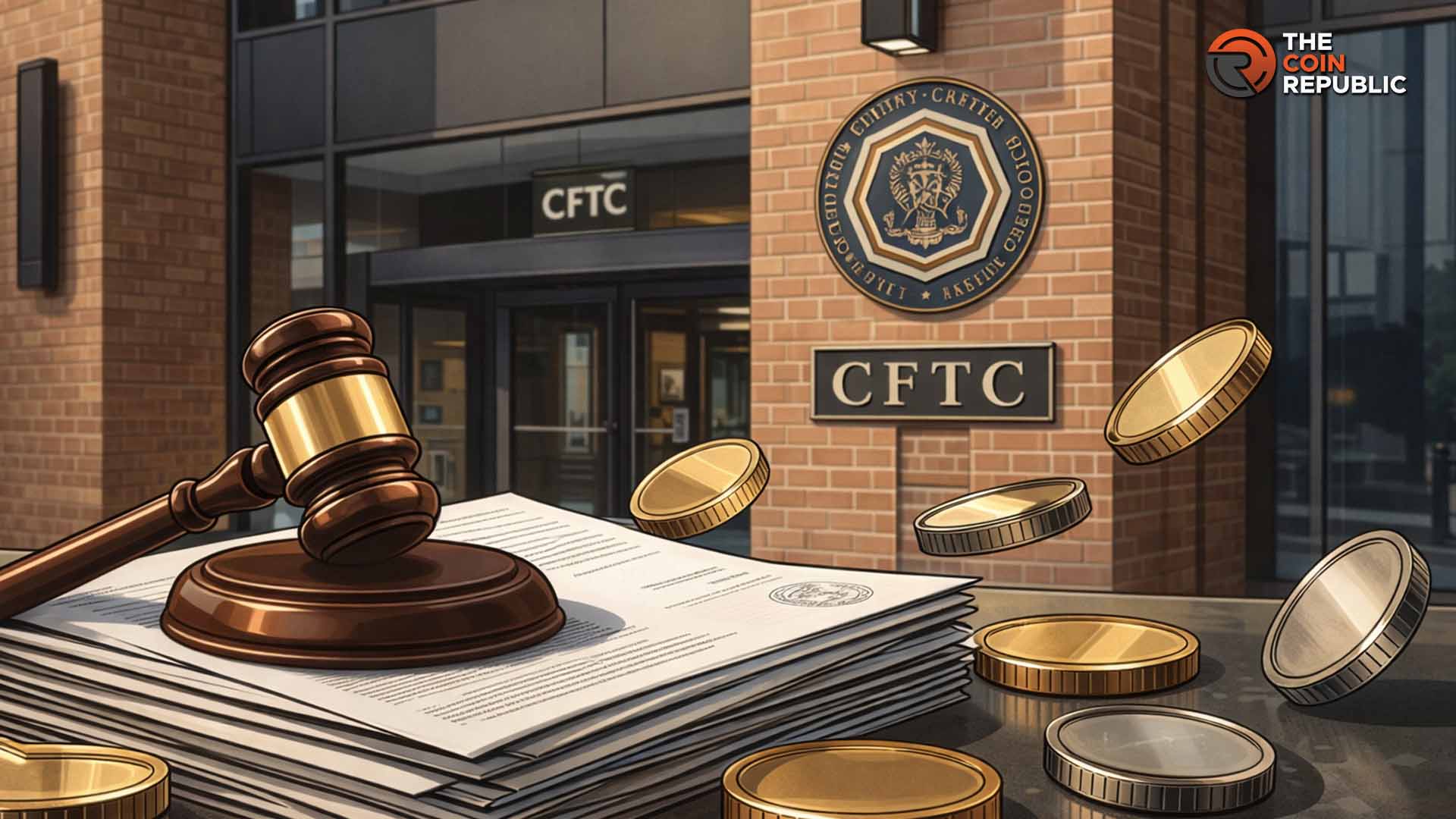
The CFTC's proposal to reintroduce perpetual futures trading in the US could significantly reshape the domestic crypto market by attracting institutional capital and increasing liquidity. A coordinated effort between the SEC and CFTC to simplify the regulatory framework and classify tokens like XRP and SOL as commodities may reduce market uncertainty and encourage broader adoption. The potential return of perpetual futures trading onshore could shift significant volume from offshore platforms back to US-regulated exchanges, impacting market structure and oversight. While the CFTC chair signals a pro-innovation policy, the lack of specific timelines for reintroducing perpetual futures suggests a 'watchlist' approach for traders pending further clarity.

UK sanctions on crypto marketplace Xinbi and associated entities signal an intensified global effort to disrupt illicit finance networks, potentially impacting the operational capacity of scam centers reliant on crypto services. The targeting of Xinbi by regulatory bodies highlights the increasing scrutiny on crypto infrastructure used for fraudulent activities, suggesting a heightened risk environment for platforms facilitating such operations. This regulatory action, following previous large-scale asset freezes against the Prince Group, indicates a coordinated and sustained approach by international authorities to dismantle crypto-enabled scam operations, which could lead to further crackdowns.
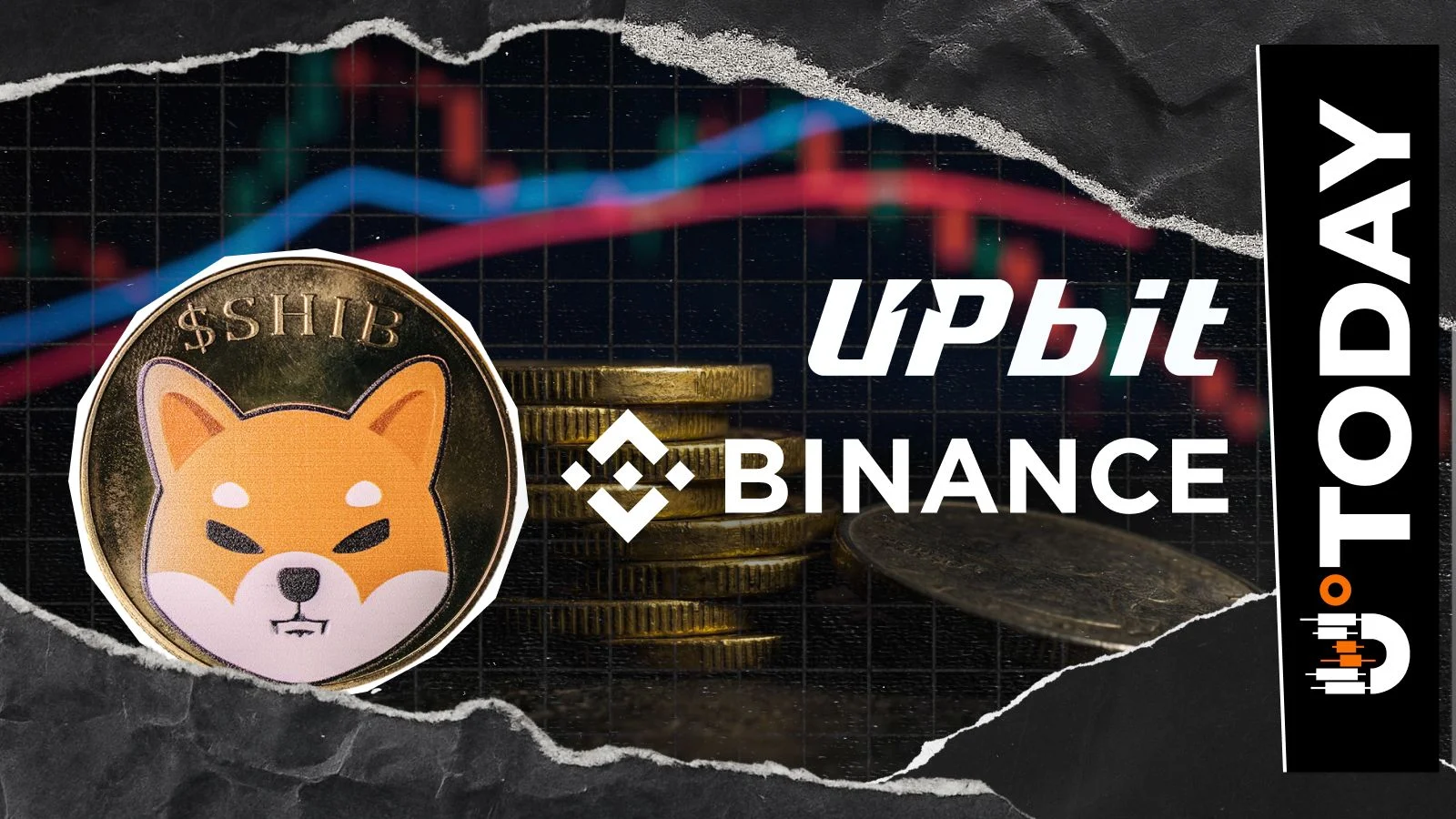
Shiba Inu's global trading volume decline of 35% highlights a market pause, shifting focus to localized exchange activity. Upbit's near-parity volume with Binance suggests a significant concentration of current SHIB interest in the Asian market, particularly South Korea. The current low-volume environment makes SHIB highly sensitive to individual trades, with the "kimchi premium" potentially becoming a key short-term price indicator. Despite overall volume contraction, the exchange competition for SHIB trading volume indicates sustained, albeit concentrated, retail interest.
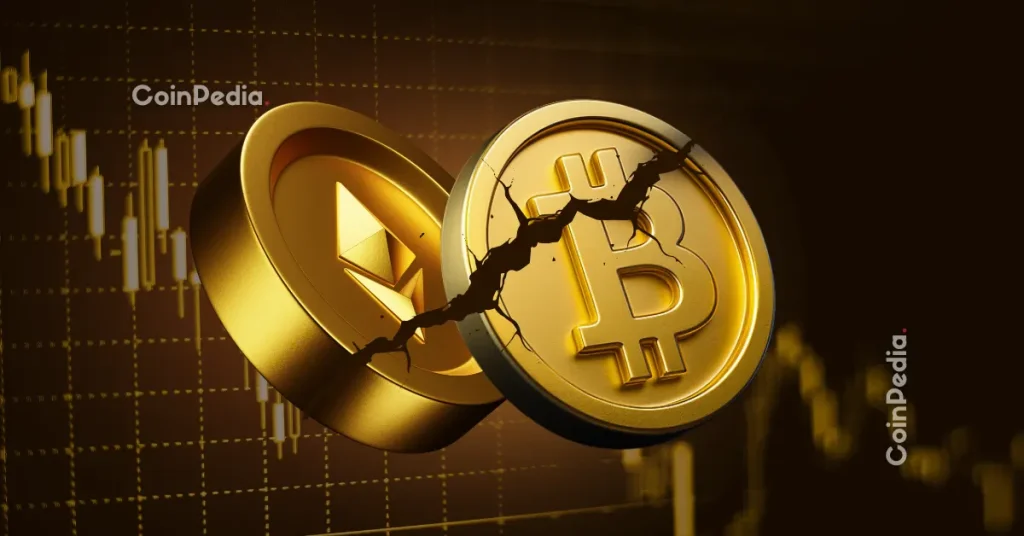
The expiration of $16.4 billion in Bitcoin and Ethereum options presents a significant event that could lead to increased volatility as markets approach the 8am UTC deadline. The concept of 'max pain' suggests a potential gravitational pull on BTC and ETH prices towards specific strike levels, influencing short-term price action. Post-expiry, the removal of this large options open interest could unlock suppressed price movements, leading to sharp rallies or declines depending on pre-expiry positioning. With Bitcoin holding the majority of the notional value and Ethereum trading below its max pain level, market makers and traders are actively positioning for potential price swings.

Bitcoin demonstrates relative resilience compared to gold and silver amid geopolitical stress and weakening liquidity, suggesting a shift in safe-haven asset preference or a maturing macro asset role. JPMorgan's analysis highlights diverging ETF flows, with gold experiencing significant outflows while bitcoin funds maintain net inflows, indicating sustained institutional interest in BTC despite broader market volatility. Deteriorating liquidity conditions in gold, now trailing bitcoin, coupled with declining momentum signals for precious metals, suggest potential for continued underperformance relative to BTC's stabilizing price action.

Brazil's new law allows seizure and sale of digital assets, including Bitcoin, to fund public security, signaling a new regulatory approach to crypto in combating crime. The legislation empowers judges to order the sale of seized crypto, potentially impacting liquidity and creating a new source of funding for government initiatives. This development highlights the increasing recognition of digital assets by governments as both a target for seizure and a potential funding mechanism.

The CLARITY Act is nearing a critical legislative phase, with bipartisan support and White House backing, aiming to define digital commodities and assign CFTC authority, which could provide regulatory clarity for assets like BTC and ETH. A significant hurdle remains regarding stablecoin yields, where a proposed ban on passive yield has caused pushback from industry players like Coinbase and Circle, indicating potential for further negotiation or market impact. The potential passage of the CLARITY Act by the end of April could be a major catalyst for the US crypto market, but failure to pass before the May deadline may delay significant regulatory progress until 2027.

XRP's derivatives market has undergone a significant reset, with leverage ratios collapsing and open interest declining, indicating a cleansing of excesses from the previous cycle and reducing the risk of cascading liquidations. Despite short-term bearish signals like oversold RSI and low spot volume, long-term technical analysis suggests a potential setup for a substantial rally, with Fibonacci cycle projections targeting $21-$27 by August 2027, contingent on holding a key support level around $0.87. The current market setup presents a dichotomy: short-term indicators point to continued pressure, while long-term structural analysis suggests a foundation for future growth, creating a divergence that traders must navigate based on their time horizon.
Despite current price pressure and oversold RSI, XRP's derivatives market has undergone a significant reset, with leverage ratios collapsing, suggesting a structurally cleaner environment for potential future rallies. Long-term technical analysis, including Fibonacci cycle patterns and monthly RSI formations, indicates a potential for substantial price appreciation to $21-$27 by August 2027, contingent on holding a key support level around $0.87. While short-term indicators show continued selling pressure and low spot volume, the reset in leverage and open interest in the derivatives market implies that the risk of cascading liquidations has been structurally reduced. The fading institutional interest in XRP ETFs, mirroring the derivatives market reset, suggests that the market is moving past the initial euphoria and is now focused on longer-term structural developments.
Signal context only. Validate with price action, liquidity, and risk limits before taking a position.
