
Navigating Crypto News

CoinFeather
Navigating Crypto News

Quick market read from this story
The ECB's target to finalize digital euro technical standards by summer signals a concrete step towards potential issuance, influencing preparations for payment providers and merchants within the Eurozone.
While the digital euro is positioned as a public infrastructure, its development and potential costs (estimated at 4-6 billion euros for EU banks) warrant close monitoring for impacts on existing financial intermediaries.
The ECB's focus on integrating central bank money into future wholesale markets via projects like Pontes and Appia suggests a strategic push to anchor tokenized assets and maintain monetary control in evolving financial ecosystems.
The timeline for a potential digital euro issuance around 2029, contingent on legislative approval, indicates a medium-term development that may not immediately impact current crypto market dynamics but sets a precedent for CBDC integration.
Deep Dive
The European Central Bank (ECB) is set to announce the European standards for a potential digital euro by this summer, according to ECB Executive Board member Piero Cipollone. This move is intended to allow payment providers and merchants to prepare their systems in advance of any final issuance decision.
Once the standards are finalized, the ECB will collaborate with market participants to integrate them into payment terminals and other solutions. Cipollone indicated that new terminals and payment applications could ship with these standards embedded, giving European companies a head start. The ECB anticipates that EU legislation for the digital euro could be in place by 2026.
The ECB's digital euro pilot program, which began accepting applications from licensed payment service providers in March, is scheduled to run for 12 months starting in the second half of 2027. This pilot will test person-to-person and point-of-sale payments. The central bank aims to be technically ready for a potential issuance around 2029, pending approval from lawmakers.
Previous ECB analysis estimated that a digital euro could cost EU banks between 4 to 6 billion euros over four years. However, Cipollone suggested these costs should be weighed against the long-term benefits, such as retaining more merchant fees and scaling European payment schemes. He emphasized that the digital euro is envisioned as a public payment infrastructure, with private intermediaries like banks and payment providers offering wallets and services, rather than a direct ECB product.
The digital euro aims to provide pan-European payment rails to reduce reliance on international card schemes. Co-badged cards and bank wallets would be able to switch between domestic schemes and the digital euro across the euro area. Cipollone stressed that the digital euro is intended to complement cash and bank deposits, not replace them. Accessibility features, including voice commands and large-font displays, are being incorporated into the reference app design to ensure inclusivity.
The ECB also intends for central bank money to remain the anchor for future wholesale markets. This is supported by projects like Pontes, which tests settling tokenized securities in central bank money across different distributed ledger technology platforms, and the Appia roadmap, which outlines a tokenized European financial ecosystem. Cipollone also noted that tokenized central bank money could serve as the settlement asset for stablecoins and tokenized deposits.
Source, catalyst, and sector overlap from the latest feed.
Bitcoin's recent outperformance of gold during the Iran conflict is challenged by its continued correlation with risk assets, suggesting its safe haven narrative remains unproven due to sensitivity to global liquidity conditions. The article posits that Bitcoin's price is primarily driven by global liquidity rather than geopolitical events, indicating that tighter financial conditions, such as higher real yields, suppress its price despite inflation concerns. While on-chain data shows accumulation, Bitcoin's short-term behavior as a risk asset, reacting negatively to inflation-driven policy tightening, complicates its role as a direct inflation hedge.
Bitcoin's price action is testing the critical $72,000 resistance level, a key indicator for potential further upside, with traders watching for sustained breaks above this mark. The bounce from the 50-day moving average suggests renewed bullish sentiment, but significant seller interest near $72,000 indicates a crucial battleground for price discovery. Correlation with gold and US stocks suggests a broader market relief rally may be influencing Bitcoin's short-term price movements, driven by geopolitical de-escalation hopes. While whales are showing buying activity, the persistent inability to hold above $72,000 suggests that significant upside momentum may require more than just technical support.
Central Bank Digital Currencies (CBDCs) are presented as a critical tool for governments to bridge the financial inclusion gap, potentially bringing over 1.3 billion unbanked individuals into the formal economy. The article argues that CBDCs offer a trusted, low-cost gateway to financial services, overcoming the infrastructure and operational challenges associated with cash-based systems and enabling access to credit and insurance markets. While acknowledging existing progress in mobile phone ownership and digital payments, the author emphasizes that CBDCs are uniquely positioned to address the persistent financial exclusion faced by a significant portion of the global population.
Bitcoin's price action is currently acting as a real-time sentiment instrument for global risk, reacting directly to geopolitical developments like the US-Iran ceasefire proposal. The immediate price rebound in Bitcoin suggests a short-term positive correlation with risk assets, driven by easing geopolitical tensions and reduced inflation fears tied to oil supply routes. Despite the recent bounce, significant resistance is observed around $72,000-$74,000, indicating potential for a price consolidation or reversal if bullish momentum falters. Historical data from the Bitcoin Macro index suggests that even after positive geopolitical news, further downside may be possible before a sustained recovery, implying caution for near-term trades.
Bhutan's continued offloading of Bitcoin, totaling over $120 million in March, suggests a potential shift in sovereign treasury strategy or a need for liquidity, impacting market sentiment around large holder movements. The ongoing reduction in Bhutan's Bitcoin holdings, now significantly below October 2024 levels, indicates a decrease in its sovereign BTC reserves, which could be interpreted as a bearish signal for short-term price action if the trend continues. Despite recent sales, Bhutan's long-term strategy involving Bitcoin mining and its planned use for the Gelephu Mindfulness City project highlights a continued, albeit evolving, integration of digital assets into national development plans.
Ripple's participation in Singapore's MAS BLOOM Initiative, leveraging the XRP Ledger and RLUSD for trade finance, signals a strategic push into tokenized real-world assets and programmable settlements. The pilot use case with Unloq aims to automate cross-border trade payments, directly increasing the utility of XRPL and the RLUSD stablecoin within a regulated sandbox environment. This development, following Ripple's recent expansion of its stablecoin infrastructure and acquisition of an Australian license, highlights its growing focus on institutional adoption and regulatory compliance in the APAC region. The integration of RLUSD into trade finance workflows, coupled with its recent listing on Coinone, suggests a broader strategy to establish the stablecoin as a key settlement asset in various financial applications.
Circle's stock experienced a significant 20% drop, its worst single session, due to potential regulatory restrictions on stablecoin yield within the Clarity Act draft. Tether's announcement of its first Big Four audit, if successful, could close the credibility gap with USDC, especially as USDC faces regulatory headwinds on its yield model. The CFTC's establishment of an Innovation Task Force signals a proactive regulatory approach to emerging sectors like crypto and AI, aiming to provide clearer frameworks for builders. Despite a challenging month for traders on Pump.fun with over 50% losing money, the platform continues to process high volumes, indicating a speculative but high-risk environment for memecoin creation.
Circle is advocating for regulatory adjustments in the EU's Market Integration Package, arguing that current rules hinder stablecoin adoption and institutional access, particularly for its euro-backed stablecoin EURC. The company's feedback highlights how restrictive thresholds and fragmented implementation of regulations like MiCA create operational friction and limit liquidity, impacting the growth potential of stablecoins within European markets. Circle's proposals aim to foster broader participation by suggesting more flexible criteria and supervisory assessments, which could lead to increased integration of stablecoins into traditional finance and settlement systems.
US regulators, particularly the CFTC and SEC, are establishing a more permanent regulatory infrastructure for crypto through MOUs, task forces, and interpretive guidance, signaling a shift from enforcement-only to structured oversight. The creation of dedicated task forces and interagency agreements indicates a proactive regulatory approach, aiming to clarify jurisdictional boundaries and streamline pathways for new crypto products, potentially reducing future regulatory uncertainty. While Congress remains deadlocked on comprehensive legislation, agency actions are building a de facto operating system for crypto regulation, creating a more durable framework that is harder to dismantle than individual guidance documents. The focus on prediction markets highlights the growing mainstream integration of crypto, prompting regulatory bodies to assert jurisdiction and coordinate with entities like MLB to ensure market integrity, reflecting broader concerns about the asset class's reach.
Law enforcement successfully accessed a Bitcoin wallet containing 500 BTC, valued at $34 million, which was part of a larger seizure of 6,000 BTC from a drug trafficker. The recovery of these funds, originally seized in 2019 and now worth significantly more due to Bitcoin's price appreciation, highlights the long-term value accrual potential of seized digital assets. This event underscores the increasing sophistication of law enforcement in tackling crypto-related crime and recovering illicitly obtained digital assets.
XRP's volatility has compressed to multi-year lows, historically preceding significant price movements and suggesting a potential breakout is imminent. The $1.40-$1.50 price range is identified as a critical pivot zone, with sustained buyer demand reinforcing underlying strength and setting the stage for a potential move towards $1.80 if resistance is broken. Growing institutional adoption, highlighted by XRP's inclusion in the Bank for International Settlements' report on top crypto assets held by banks, provides a fundamental tailwind supporting the technical setup for a breakout.
Australia's central bank projects up to $16.7 billion in annual efficiency gains from tokenization, signaling significant potential for market innovation and cost reduction. The Reserve Bank of Australia's approach suggests stablecoins and bank deposit tokens will coexist, indicating a multi-faceted digital asset ecosystem rather than a single dominant solution like a CBDC. Australia's planned digital sandbox for tokenized finance demonstrates a proactive regulatory stance, aiming to address technical and legal challenges and foster industry growth. The RBA's acknowledgment that a wholesale CBDC is not essential for tokenization's growth highlights the increasing maturity and self-sufficiency of the tokenized asset market globally.
Live Feed
Loading the broader stream in the same flow as the homepage feed.

Ethereum's MVRV ratio dropping below 0.8 at the $1,800 ascending triangle support, combined with a weekly SuperTrend indicator flip to bullish, suggests a potential trend shift from bearish to bullish conditions. An all-time high staking rate of 31% and multi-year lows in circulating ETH on Binance indicate a significant tightening of liquid supply, which could amplify price movements if demand increases. Despite positive technical and supply-side signals, persistent negative ETF flows and Coinbase Premium suggest institutional demand has not yet confirmed the bullish setup, creating a potential divergence. While technical indicators and supply dynamics present a compelling case for a potential Ethereum recovery, the proximity to realized price resistance and lack of confirmed institutional demand temper immediate upside expectations.

The NYSE's partnership with Securitize to build a system for trading tokenized securities signals a significant integration of traditional finance with blockchain technology. This collaboration aims to establish regulatory and technical standards for institutional tokenized markets, potentially paving the way for broader adoption and increased liquidity in RWA tokenization. While tokenized equities are gaining traction, the NYSE's focus on 'native tokenization' with Securitize suggests a move beyond derivatives or price trackers, addressing criticisms of current offerings. The NYSE's initiative, alongside Nasdaq's similar efforts, indicates a growing institutional race to develop infrastructure for tokenized assets, potentially impacting market access and trading paradigms.

SIREN coin experienced a significant 116% surge in 24 hours, recovering from a sharp decline attributed to potential price manipulation, indicating high volatility and speculative interest within the memecoin sector. Despite the price surge, declining trading volume and open interest, coupled with negative funding rates, suggest a lack of sustained conviction from leveraged traders and potential for a bearish reversal, despite short-term bullish technical indicators. The current price action for SIREN coin is at a critical juncture, needing a strong close above $2.37 resistance to maintain upward momentum, while a failure to do so could lead to a significant drop towards $1.00.

Aave (AAVE), up 5.8% from Tuesday, joined Stellar (XLM) as a top performer.

SUI is experiencing a significant surge in user activity, with new user sign-ups approaching 800K, indicating strong network interest that has yet to be reflected in its price action. Despite user growth, SUI's price is consolidating within a critical demand zone ($0.80-$1.00), suggesting a divergence between on-chain fundamentals and market valuation that warrants close observation. The sustainability of SUI's user growth is questionable due to a gap between new and active user retention, implying that a breakout above resistance levels like $1.50 is needed to confirm a trend reversal. The current SUI price action presents a 'wait-and-watch' scenario, as momentum indicators show weakening downside pressure but lack a confirmed bullish trend change, making the $0.80 support level crucial for potential recovery.

A significant influx of over 350 billion SHIB tokens into exchanges indicates increased selling pressure from holders, suggesting a bearish short-term outlook for the asset. Despite the bearish exchange netflow, the growing number of SHIB holders to over 1.55 million suggests underlying community growth, which could provide support if selling pressure subsides. The recent surge in SHIB exchange netflow, coupled with a mild price drawdown, points to potential near-term downside risk as traders liquidate positions.

The recent two-block reorg on Bitcoin highlights how increased miner concentration, particularly with Foundry holding ~31% of hash rate, elevates the risk associated with the traditional six-confirmation rule. The six-confirmation heuristic, rooted in a 2008 model assuming 10% attacker hashpower, now faces a reversal risk near 18.9% under current concentration levels, suggesting a potential need for revised finality standards for high-value transactions. While exchanges like Coinbase and Kraken use lower confirmation thresholds (2-3), the gap between these operational standards and the cultural six-confirmation norm underscores that the latter is more a convention than a strict security guarantee. The event serves as a catalyst for reassessing Bitcoin's finality mechanisms, potentially leading exchanges and merchants to adopt dynamic confirmation requirements based on real-time hash rate distribution and transaction value.
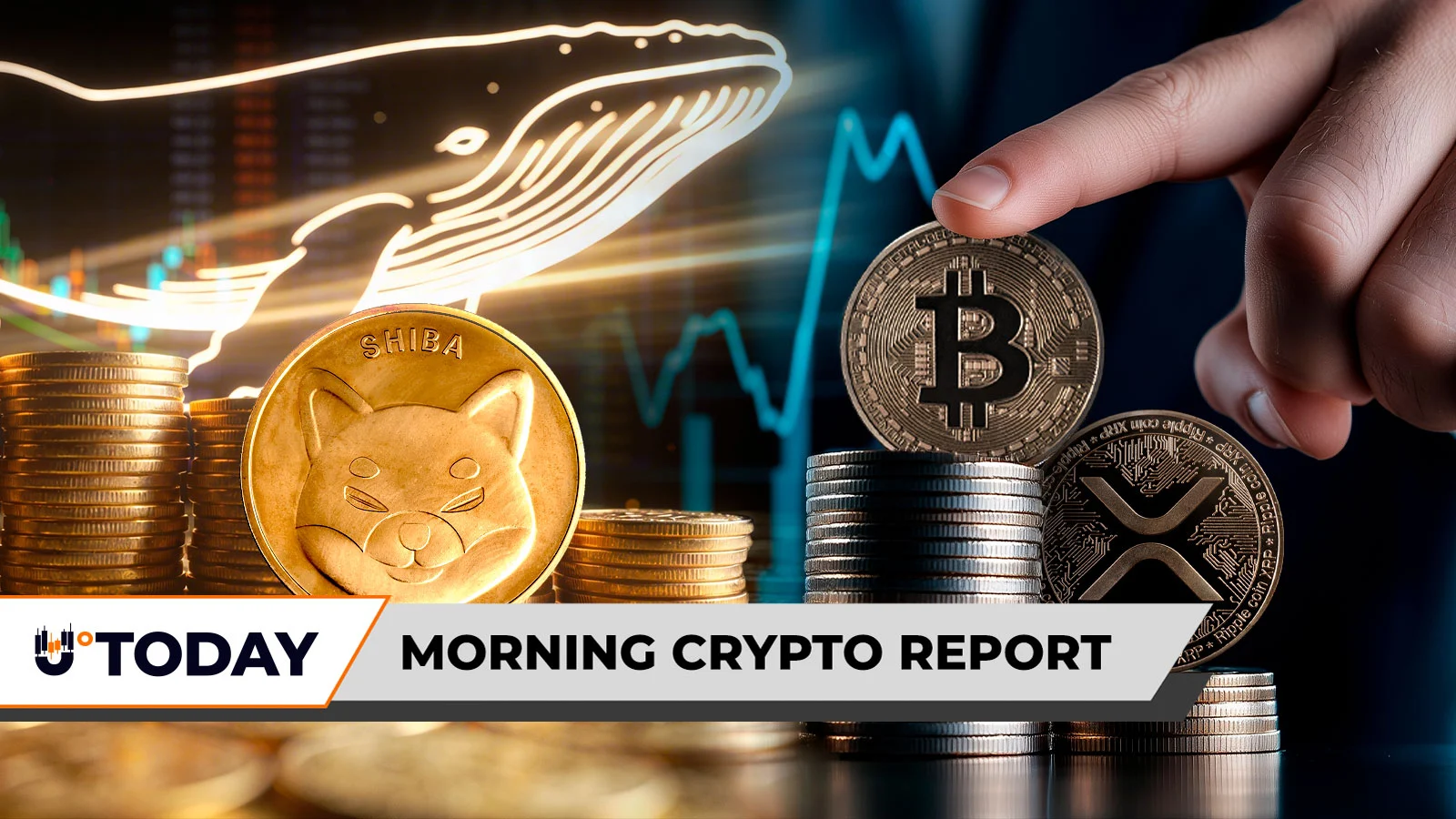
A significant whale accumulation of 120 billion SHIB suggests potential Trader DonAlt indicates Bitcoin's price action around $71,000 is critical, with a weekly close below this level potentially signaling a significant correction. Jim Cramer questions the safe-haven status of gold and crypto during crises, despite Bitcoin outperforming gold in recent volatile periods. The crypto market faces a "Friday storm" with a large options expiry and an SEC deadline for multiple ETF applications, creating potential for heightened volatility.
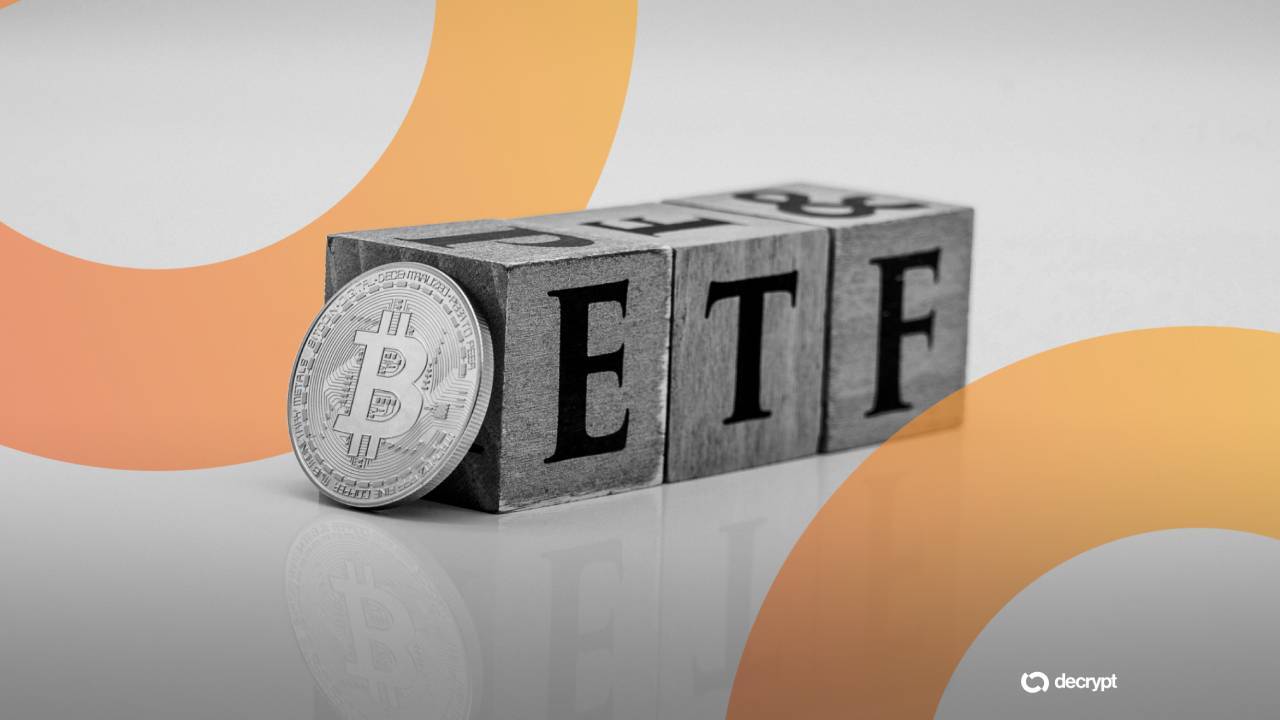
Sustained $2.5 billion in monthly Bitcoin ETF inflows demonstrate significant institutional demand, absorbing price drawdowns and signaling a potential shift towards Bitcoin as a core portfolio diversifier. The resilience of Bitcoin ETF inflows, even amidst a 40% price drop, contrasts sharply with traditional assets like gold, suggesting Bitcoin is increasingly valued as a forward-looking liquidity asset rather than being solely driven by short-term macro factors. The strong performance of Bitcoin ETFs, with some already erasing year-to-date losses, coupled with broader ETF market dominance, indicates a potential for an extended recovery rally in Bitcoin and the wider crypto market if macro conditions stabilize. Institutional investors are actively repositioning via ETFs, with flows rotating from gold into Bitcoin ETFs, implying a tightening supply dynamic for Bitcoin and reinforcing its role as a hedge against macroeconomic and geopolitical uncertainty.

Cipher Digital's strategic pivot from bitcoin mining to AI data centers, underscored by a new 15-year hyperscale lease and $200 million credit facility, signals a significant shift in its business model towards high-growth technology infrastructure. The company's rebranding and focus on high-performance computing capacity align it with the burgeoning AI sector, potentially attracting new investor interest and capital beyond its previous bitcoin mining operations. Securing a substantial 15-year lease and a $200 million credit facility provides Cipher Digital with long-term revenue visibility and financial flexibility, reducing reliance on volatile crypto markets and supporting its expansion into AI infrastructure.
Geopolitical de-escalation hopes are driving a risk-on sentiment in traditional markets, with futures indicating a strong opening, suggesting a potential, albeit fragile, shift away from safe-haven assets. Falling oil prices are easing inflation concerns and boosting equity markets by increasing expectations for potential interest rate cuts, a dynamic that could indirectly benefit crypto assets sensitive to macro liquidity conditions. Market sentiment remains highly reactive to geopolitical headlines, indicating that while current optimism is present, the situation is fluid and any escalation could quickly reverse the positive trend in both stocks and potentially crypto. The current market rally appears driven primarily by geopolitical developments rather than fundamental economic data or earnings, suggesting that crypto markets may also be influenced more by macro sentiment shifts than internal developments in the short term.

Bitcoin price is consolidating near $71,000, forming a bullish technical pattern that suggests a potential breakout towards $75,000 if resistance is overcome. Significant exchange outflows of over 77,000 BTC indicate tightening supply dynamics, as coins are moved to long-term holding wallets, reducing sell-side pressure. On-chain metrics such as MVRV, NUPL, and Puell Multiple suggest Bitcoin is in a favorable accumulation zone, signaling reduced downside risk and improved long-term upside potential. The confluence of technical consolidation, reduced exchange supply, and favorable on-chain valuation metrics creates a setup for a potential accelerated upward move in the near term.
Dogecoin's price is approaching a critical support zone, coinciding with a significant 3x speed upgrade on the Qubic network ahead of its April 1 mining launch, suggesting potential for a substantial upward price movement. Technical indicators, including a compressed weekly RSI, a retested accumulation zone, and high historical volume, suggest that Dogecoin's downward momentum is waning and could support a rally of up to 300% if it breaks out of its current bullish pennant structure. The Qubic network's performance tripling and reducing tick intervals to 0.6 seconds indicates robust infrastructure development, preparing for increased load and faster confirmations, which is a positive signal for Dogecoin miners and the network's efficiency. Analysts are flagging early signs of a potential trend shift for Dogecoin, with a green candle forming at the base of a rising channel on shorter timeframes, historically a reliable indicator of bottoms and potential start of a recovery phase.
Analysis suggests that the FTX liquidations created synthetic sell pressure on altcoins, particularly Solana, by enabling funds to hedge short positions against token purchases. The significant off-chain sales of locked tokens may reduce future selling pressure, potentially creating opportunities for altcoin recovery as Bitcoin dominance remains high. While Bitcoin experienced substantial gains post-FTX, altcoins largely stagnated due to these liquidation-induced pressures, indicating a divergence in market performance.
Signal context only. Validate with price action, liquidity, and risk limits before taking a position.
