
Navigating Crypto News

CoinFeather
Navigating Crypto News
Quick market read from this story
Dogecoin is showing signs of a technical recovery, trading above the Bollinger Bands basis and defending a decade-long support trendline, indicating potential for a short-term bullish reversal.
Analysts highlight a critical 10-year support trendline retest for DOGE, suggesting historical patterns could precede a significant rally if the support holds, with ambitious price targets projected.
Despite positive price action and long-term support, momentum indicators remain cautious, signaling that a confirmed bullish breakout above $0.10 and the upper Bollinger Band is necessary to validate a sustained upward trend.
Deep Dive
Dogecoin (DOGE) has seen a recovery, climbing 4.26% in the last 24 hours to trade at $0.09829. This price action follows buyers stepping in to defend a critical decade-long support trendline. While this indicates renewed short-term confidence, analysts suggest a breakout above $0.10 is necessary to confirm a sustained rally.
On the 1-day chart, DOGE has moved above the Bollinger Bands basis at $0.0937, recovering from a low near $0.0876. This suggests buyers are gradually regaining control. The immediate resistance is now seen at the upper Bollinger Band near $0.0998. A decisive break above this level would signal a significant shift in market structure. The Chande Momentum Oscillator remains in negative territory at approximately -7.39, indicating that while momentum is improving, bullish conviction has not yet reached a level to confirm a trend change. The current technical indicators point to stabilization rather than a strong surge.
Analyst Trader Tardigrade highlights that Dogecoin is retesting a rising support trendline that has been in place for over a decade. This trendline has been tested twice before, with each instance followed by a substantial upward price movement. The current interaction marks the third test of this historically validated support level. If historical patterns repeat and the support holds, Trader Tardigrade projects a potential rally towards $12, which would represent an increase of approximately 12,261% from the current price. This ambitious target is based on the trajectory observed during previous breakouts from this long-standing trendline.
Source, catalyst, and sector overlap from the latest feed.
Bitcoin's price surge to near $74K is driven by technical breakouts and commentary on oil prices, overshadowing persistent PCE inflation data that suggests the Fed may delay rate cuts. Despite Bitcoin's upward momentum, analysts note the broader market structure lacks confirmation of a long-term bottom, indicating potential for continued volatility. Persistent core PCE inflation at 3.1% and unchanged core capital goods orders suggest a stagflationary environment, complicating the Federal Reserve's monetary policy decisions and reducing the likelihood of near-term rate cuts.
The recent 10% price surge in PI coin is primarily driven by its listing on Kraken, significantly expanding trading access and liquidity for the token. Anticipation for the annual Pi Day event on March 14, coupled with ongoing mainnet technical upgrades, is fueling community activity and renewed trading interest. While technical indicators suggest strong momentum and a shift towards a stronger trend, the RSI nearing overbought territory indicates potential for short-term consolidation.
Bitcoin's reclaim of $73,000, driven by a significant short squeeze, indicates strong underlying demand and potential for further upside if the level holds. The surge in liquidations, particularly of short positions, highlights the impact of leveraged trading on price volatility and suggests a potential shift in market sentiment towards bullishness. While Bitcoin leads the current rally, sustained outperformance from Ethereum and major altcoins will be crucial to confirm a broader market recovery and the start of an altseason. Traders should monitor Bitcoin's ability to hold above $71,000-$72,000 support and observe for declining liquidation totals and balanced funding rates as indicators of a healthy upward trend.
Adobe's stock experienced a significant 8.85% drop driven by the unexpected retirement announcement of its long-time CEO, overshadowing strong Q1 earnings and raising concerns about leadership transition amidst intense AI competition. Despite solid Q1 results and positive outlook for Creative Cloud, Document Cloud, and AI features, the market's focus on CEO Shantanu Narayen's departure amplifies fears of leadership uncertainty and competitive threats from AI startups. Technical indicators show a breakdown below key moving averages, and analyst price targets have been slashed, suggesting potential further downside risk if the company fails to navigate the leadership change effectively and address AI disruption. While some analysts maintain a bullish long-term view based on Adobe's historical performance and AI monetization potential, the immediate market reaction indicates a 'value trap' scenario unless a strong successor is appointed and competitive challenges are effectively managed.
Shibarium's ongoing indexing issues, with only 41% of blocks processed, are causing temporary display discrepancies for tokens and NFTs, impacting user confidence in asset visibility. Despite recent infrastructure upgrades and RPC changes aimed at improving stability, the continued indexing delays on Shibariumscan highlight ongoing recovery efforts and potential user friction. The Shiba Inu team's focus on rebuilding the network and addressing user concerns, alongside the launch of the SOU token for impacted users, signals a commitment to ecosystem resilience.
A dormant whale's $7 million investment in TRUMP tokens, triggered by a Mar-a-Lago gala announcement, demonstrates speculative interest in politically-linked memecoins. The TRUMP token experienced a 60% rally following the gala news, highlighting the sensitivity of memecoins to event-driven narratives and influencer activity. Despite the recent surge, TRUMP remains significantly down from its all-time high, indicating high volatility and speculative risk associated with the asset.
Shiba Inu (SHIB) has experienced a significant weekly price increase of 17%, its strongest performance since December 2025, indicating a potential shift in market sentiment. Technical analysis using Bollinger Bands suggests a realistic upside potential of approximately 22% for SHIB, targeting a price of $0.00000760, driven by current market momentum. The current week's strong performance, the most 'green' since December 2025, combined with technical indicators, supports a bullish outlook for SHIB in the short term.
Despite a 7% rally in Dogecoin's spot market price, Dogecoin ETFs recorded zero net inflows over the past 24 hours, indicating a disconnect between retail price action and institutional investment sentiment. The sustained lack of inflows into Dogecoin ETFs since early March suggests that institutional capital is not yet participating in the current price appreciation, potentially limiting upside momentum. While Dogecoin's price shows resilience defending the $0.09 support level, the absence of ETF inflows points to a market consolidation phase rather than a strong bullish breakout, requiring further capital to sustain a rally.
The rally in TRUMP, Pi Network, and Render tokens highlights a rotation into specific narratives driven by project-specific catalysts, rather than a broad market altcoin season. The Official Trump token's surge is directly linked to an upcoming event with Donald Trump, indicating a speculative play on political association. Kraken's listing of Pi Network token provides a significant liquidity and accessibility boost, potentially attracting new users and capital to the ecosystem. Render's continued ascent, driven by AI developments and token burns, signals sustained interest in the AI sector and its associated infrastructure.
Shiba Inu's recent token burn of 6.8M SHIB, while a 44% increase in burn activity, is unlikely to significantly impact its massive circulating supply of over 585 trillion tokens, suggesting limited near-term price appreciation from this event alone. Despite the ongoing debate about the effectiveness of SHIB's deflationary mechanism, the token experienced a 4% price gain coinciding with the burn, indicating potential short-term speculative interest or broader market sentiment influencing its movement. The article highlights that historical burn events have not consistently triggered price rallies, and SHIB has seen a significant year-to-date decline, suggesting that current price action may be more sensitive to overall market trends than token burns.
Live Feed
Loading the broader stream in the same flow as the homepage feed.

The XRP Ledger's v3.1.2 update addresses a critical security flaw that could have compromised $80 billion in network value, significantly enhancing protocol security and stability. The rapid patching of this vulnerability, identified with AI assistance, demonstrates the XRPL Foundation's commitment to safeguarding institutional capital and supports its growing role in DeFi. While the update is purely a security fix, the underlying technical improvements and increasing network activity suggest a strengthening foundation for XRP, potentially supporting near-term price consolidation and upside.

Arthur Hayes highlights Hyperliquid's strong revenue and genuine trading activity as key differentiators, suggesting a potential $150 price target for HYPE based on its disciplined tokenomics and expanding market access. Hyperliquid's ability to offer 24/7 trading on non-traditional assets like oil and equity indices with high leverage presents a unique value proposition, attracting traders seeking alternatives to traditional markets. Hayes's bullish stance on HYPE is contingent on sustained revenue and continued team token supply restraint, with a sharp rise in P/E ratio or increased competition posing potential risks to the thesis. Beyond Hyperliquid, Hayes identifies Zcash as a privacy-focused narrative with potential upside due to increasing concerns over blockchain surveillance and AI analysis.
The article reframes the XRP narrative from replacing SWIFT to enabling institutional settlement infrastructure, driven by corporate treasury and tokenized capital markets demand. The DTCC's planned tokenization in H2 2026, referencing XRP and XLM as liquidity tokens, signals a potential structural role for XRP in bridging future tokenized asset networks. Mastercard's Crypto Partner Program, integrating treasury solutions with its payment network, creates a direct bridge between traditional finance and digital asset rails, potentially increasing demand for underlying settlement assets like XRP. While XRP's price action is currently outperforming, the core development is the potential for its ledger to become a critical liquidity bridge in a tokenized financial system, processing trillions in FX settlement.

Increased ETH accumulation addresses and record staked supply suggest growing long-term confidence, potentially signaling a bottoming formation. A decisive break above the $2,200 resistance level is critical for ETH bulls, historically preceding significant price rallies. Despite current price weakness, rising network activity and accumulation trends present a bullish divergence for Ether.

KuCoin's launch of perpetual futures for Tesla and MicroStrategy stocks signifies a growing trend of crypto exchanges bridging traditional finance assets, potentially attracting new capital and user bases. The introduction of USDt-settled, 24/7 tradable equity derivatives on KuCoin offers continuous exposure to stock price movements, bypassing traditional market hours and potentially increasing trading volume for these synthetic products. This development aligns with the broader market trend of RWA tokenization, with tokenized equity market cap surging, indicating increased institutional and retail interest in integrating traditional assets with blockchain technology. While KuCoin's move expands derivative offerings, potential regulatory restrictions in certain jurisdictions could limit the global adoption and impact of these new contracts.

U.S. Treasury sanctions highlight the ongoing use of fraudulent IT operations by North Korea to fund weapons programs, with nearly $800 million generated in 2024 alone through these schemes. The sanctions target individuals and entities involved in converting funds, including approximately $2.5 million into cryptocurrency, underscoring the role of digital assets in illicit finance. This action reinforces the regulatory scrutiny on crypto's use in circumventing sanctions, potentially increasing compliance burdens for entities handling cross-border transactions.
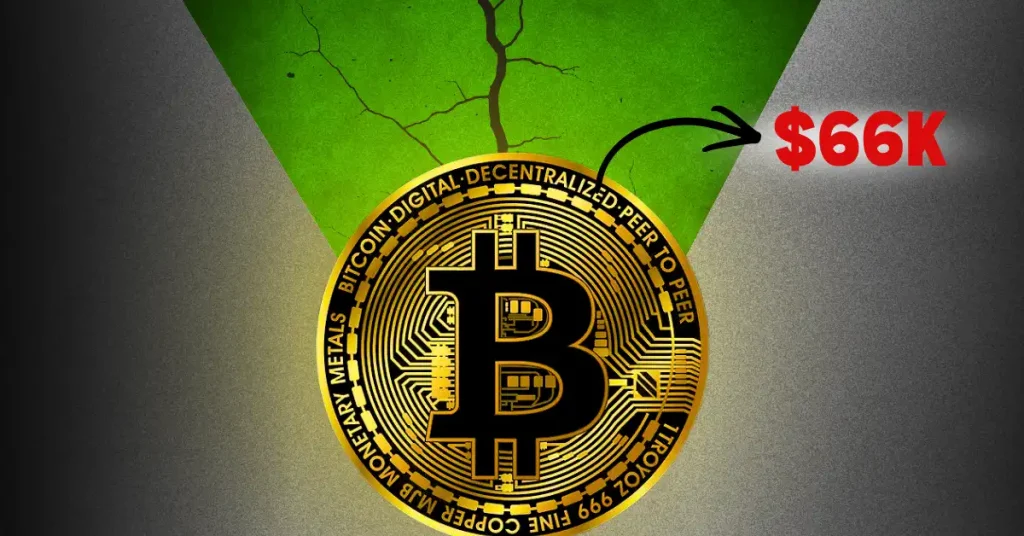
Bitcoin's price action is currently characterized as a counter-trend bounce, suggesting that the dominant market direction has not yet shifted despite recent upward movement. A decisive break and hold above the $74,460 level is critical for confirming a new rally and unlocking higher price targets, while failure to do so indicates a continuation of the current range-bound trading. The observed decline in attention from crypto influencers and prominent traders towards Bitcoin, shifting towards traditional assets like gold, may signal a potential turning point in market sentiment.

A massive $50 million USDT to AAVE trade resulted in extreme slippage, leaving the trader with only $36,000, highlighting significant risks in large DeFi swaps. Speculation points to Bitcoin OG Garrett Jin as the potential trader behind the $50M slippage event, based on wallet analysis and recent transaction patterns. The substantial losses were distributed among liquidity providers, arbitrage bots, and protocol fees, with a significant portion going to the block builder, underscoring MEV dynamics. Aave's founder indicated plans to refund fees, but the incident serves as a stark reminder of the operational risks and lack of traditional financial safeguards in DeFi for large-scale transactions.

Geopolitical tensions in the Middle East have triggered a sharp, albeit potentially short-lived, pullback in Bitcoin and other risk assets, demonstrating crypto's sensitivity to global macro events. Despite the intraday dip, Bitcoin remains in a net gain for the 24-hour period, suggesting underlying bullish momentum may persist if geopolitical concerns do not escalate further. The market's reaction highlights the correlation between crypto and traditional risk assets, with gold's pullback and oil's rise indicating a flight to safety that temporarily sidelined crypto investors.
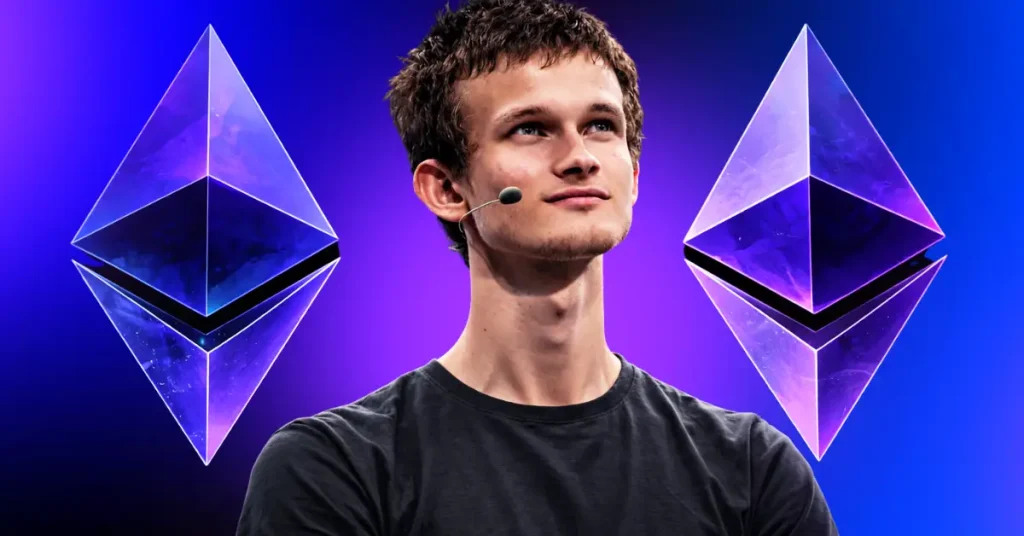
The Ethereum Foundation has clarified its mandate, prioritizing censorship resistance, open source, privacy, and security (CROPS) over adoption metrics or market performance. This strategic focus implies the EF will not back projects heavily reliant on centralized infrastructure or opaque code, signaling a potential shift in ecosystem development priorities. The 'walkaway test' reinforces the EF's commitment to Ethereum's core functionality, suggesting a long-term vision independent of the Foundation's continued existence.
Fidelity's Jurrien Timmer maintains that Bitcoin's $60,000 level represents a significant cyclical floor, supported by his power law model and the Bitcoin-to-gold ratio. The analysis suggests that despite potential short-term dips below $60,000, the current market conditions, influenced by institutional adoption via ETFs, indicate a shallower crypto winter than in previous cycles. Traders should monitor the $60,000 price level as a key support zone, with deviations from the power law trendline and Z-score of the Bitcoin-gold ratio serving as potential indicators of cycle bottoms.
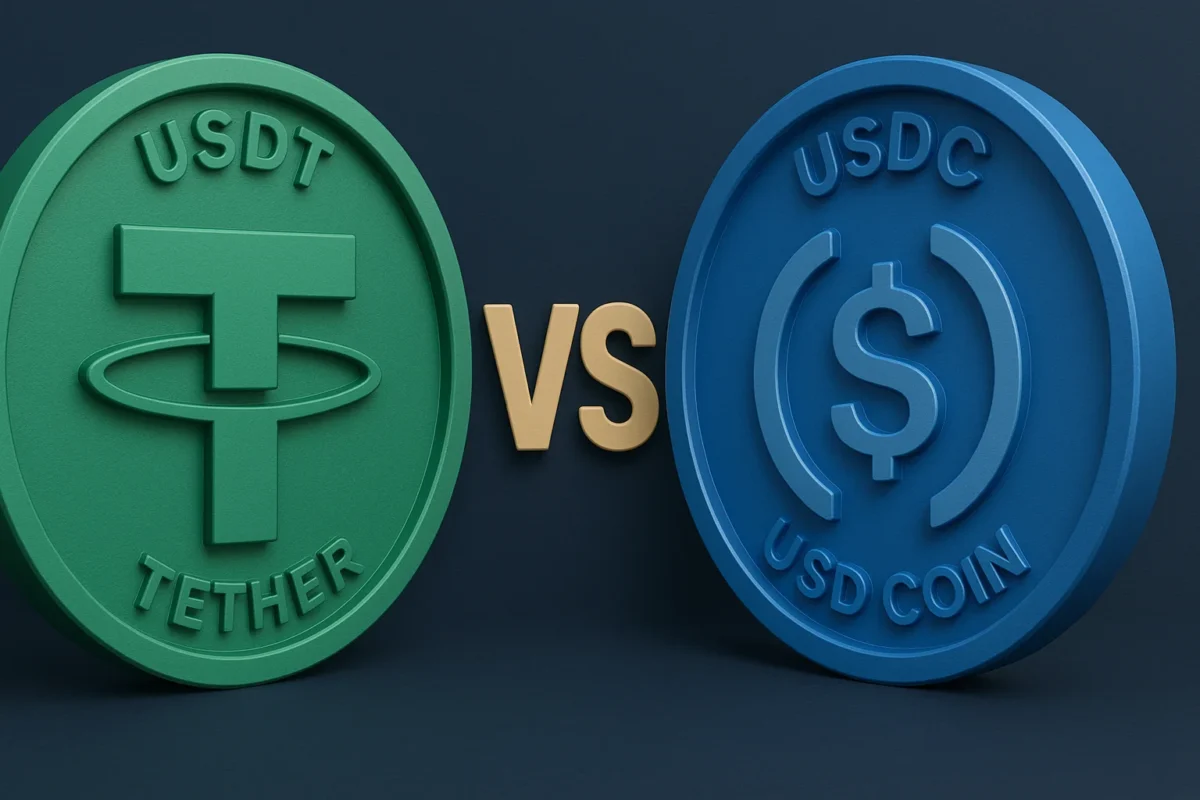
USDC's surpassing of USDT in transaction volume signals a potential shift in stablecoin dominance, driven by emerging use cases beyond traditional crypto trading. The ongoing regulatory debate, particularly in the UK, introduces uncertainty for stablecoin issuers and could influence future adoption and market structure. While USDC leads in transaction volume, USDT's larger market cap indicates continued market segmentation, with long-term leadership likely dependent on real economic utility. Mizuho's revised forecasts for Circle suggest increased confidence in USDC's long-term growth, projecting significant increases in wallet usage and market capitalization.

The Federal Reserve's upcoming vote on a revised Basel capital proposal is a critical determinant for how banks will integrate Bitcoin into their balance sheets, potentially shifting the focus from legal permission to economic feasibility. A more favorable capital treatment for Bitcoin exposures could unlock significant bank-led custody, financing, and market-making services, thereby increasing Bitcoin's bankability and potentially its price stability. Conversely, a punitive capital framework would reinforce Bitcoin's status as a balance sheet hazard for large banks, limiting institutional adoption and keeping it on the periphery of the regulated financial system. The outcome of this regulatory review is poised to significantly influence the near-term trajectory of institutional Bitcoin adoption and its integration into traditional finance.

Historical forum evidence suggests Satoshi Nakamoto and Hal Finney supported the creation of altcoins, challenging modern Bitcoin maximalist narratives and implying a broader ecosystem vision than currently practiced. The early Bitcoin community's openness to forks and alternative blockchains, as highlighted by the Zcash founder, suggests a potential shift in understanding the 'original vision' for crypto, which may influence how new projects are perceived. This historical context could reframe the debate around altcoins and ecosystem expansion, potentially impacting sentiment towards projects that build on or fork from Bitcoin's foundational principles.
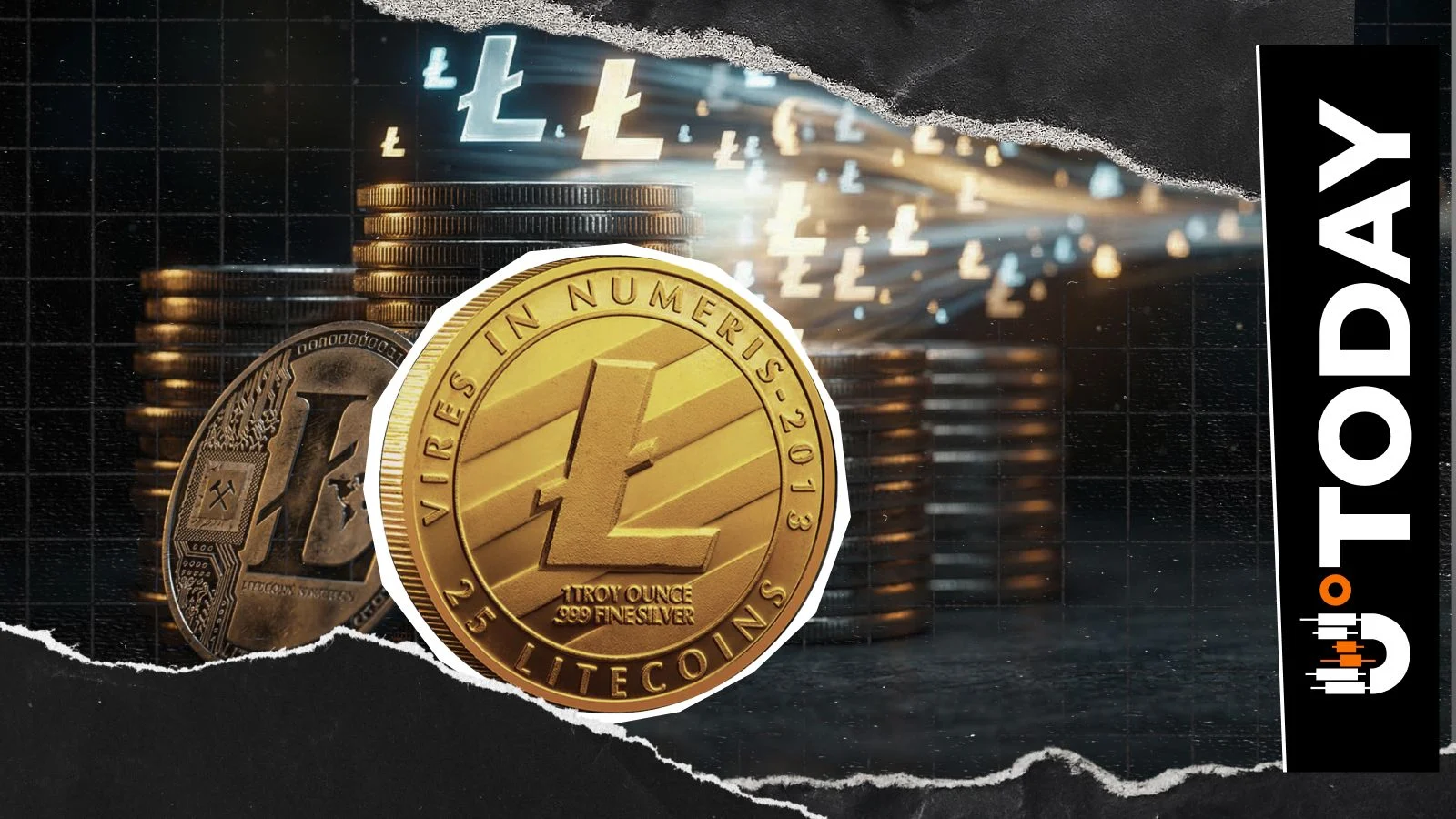
The upcoming Litecoin halving, approximately 500 days away, will reduce miner rewards from 6.25 LTC to 3.125 LTC per block, a programmed supply shock designed to curb inflation. Historically, Litecoin price has seen pre-halving rallies followed by post-halving dips, suggesting that while the event is a known supply-side catalyst, its immediate price impact may be muted or even negative. The market sentiment surrounding the Litecoin halving remains a key variable, as past performance may not dictate future outcomes given evolving market conditions and investor psychology.

MoonPay's integration of Ledger hardware signing for its AI agents addresses a critical security gap in autonomous trading, potentially enabling wider adoption of AI-driven financial management in crypto. By ensuring private keys remain on the hardware signer, this development mitigates the risk of key compromise associated with AI agents, a significant hurdle for institutional and retail users managing substantial assets. This move signals a growing trend towards enhanced security for AI-powered crypto tools, suggesting that future developments in this space will likely prioritize user control and non-custodial solutions.

Stellar's XLM price is showing signs of recovery driven by increased social volume and a positive RSI shift, indicating renewed retail interest. Despite positive technicals and social sentiment, whale activity shows a negative delta, suggesting potential distribution into the retail-driven rally and questioning its sustainability. The admission of Akuna Wallet, built on Stellar, into the Bank of Ghana's regulatory sandbox provides a fundamental adoption narrative, potentially driving future network usage. The confluence of improving technical momentum, rising social engagement, and a new adoption narrative in Africa presents a short-term bullish case for XLM, though whale distribution warrants caution.
Signal context only. Validate with price action, liquidity, and risk limits before taking a position.
