
Navigating Crypto News

CoinFeather
Navigating Crypto News

Quick market read from this story
Crypto ATM fraud losses in the US have surged 33% to $333 million in 2025, driven by industrialized scam networks leveraging AI deepfakes, indicating a significant escalation in financial crime targeting vulnerable demographics.
The increasing sophistication of AI in social engineering, making scams 4.5 times more profitable, poses a growing threat to crypto ATM users, particularly the elderly, and highlights the need for enhanced security measures beyond current forensic tracing capabilities.
Regulatory efforts, including proposed legislation like the Crypto ATM Fraud Prevention Act, aim to address the rise in ATM fraud, but the inherent anonymity and speed of crypto transactions at kiosks present ongoing challenges for law enforcement and consumer protection.
Deep Dive
Crypto ATM fraud in the US surged dramatically in 2025, reaching an estimated $333 million. Complaints filed with the FBI saw a 33% increase, reflecting the growing sophistication and industrialization of scam networks that are increasingly leveraging advanced AI deepfake technology. Cybersecurity firm CertiK highlighted in a recent report that criminal organizations exploit the speed and anonymity offered by crypto ATMs, often referred to as "kiosks," to rapidly extract funds from victims.
The FBI processed over 12,000 complaints between January and November 2025, a figure also up 33% from the previous year. The US dominates the global crypto ATM market, accounting for 78% of the world's 45,000 machines. CertiK noted that the minimal identity verification required for quick cash-to-crypto conversions makes these ATMs a low-friction channel for scammers. The report identified that approximately 86% of losses affected victims over the age of 60, who are particularly vulnerable due to accumulated savings, lower crypto literacy, and social isolation. Younger victims are increasingly targeted through romance or investment scams, such as "pig butchering," alongside other common tactics like government impersonation, tech support fraud, grandparent scams, and fake fraud recovery offers.
AI-powered social engineering scams proved significantly more profitable in 2025, generating 4.5 times more revenue than traditional methods. CertiK emphasized that the integration of "real-time deepfake synthetic media" represents a major escalation in fraud operations. AI-driven personalization tools allow scammers to gather social media data and create highly targeted scripts that mimic the communication styles and even appearance of a victim's trusted contacts. Furthermore, the profile of crypto ATM scammers has evolved from independent actors to structured transnational criminal organizations operating with corporate-like divisions of labor, industrializing ATM-based extraction at an unprecedented scale.
Efforts are underway to combat this rising tide of fraud. In September, Wyoming Senator Cynthia Lummis expressed hope that crypto market structure legislation could help address ATM fraud by penalizing illicit actors without stifling innovation. Earlier, in February 2025, US Senator Dick Durbin introduced the Crypto ATM Fraud Prevention Act, a legislative measure designed to implement safeguards for users of crypto kiosks.
Source, catalyst, and sector overlap from the latest feed.
New Zealand's FMA has ruled that the NZDD stablecoin is not a financial product, providing a degree of regulatory clarity for specific stablecoin implementations. This designation, stemming from a fintech sandbox pilot, signals a pragmatic approach by the FMA towards blockchain innovation, potentially encouraging further development in the region. While this specific ruling offers clarity for NZDD, it does not set a precedent for all stablecoins, indicating that future regulatory assessments will remain product-specific.
Despite current AI agent payment volumes being significantly lower than initially reported, the substantial investment in underlying infrastructure by major players signals a strong long-term conviction in this emerging market. The discrepancy in reported payment volumes highlights the early-stage nature of measurement tools and the ongoing development of the AI agent transaction ecosystem. Coinbase's expansion of its x402 Facilitator to Polygon, supporting USDC payments, indicates a strategic move to capture future machine-to-machine transaction growth by enabling efficient, low-fee settlements. The increasing integration of x402 by major payment and internet companies, alongside Coinbase CEO's prediction of AI agents surpassing humans in transaction volume, suggests a potential paradigm shift in digital commerce.
Kalshi's preemptive lawsuit against Iowa regulators highlights ongoing jurisdictional battles between prediction markets and state-level gambling laws. The outcome of this legal challenge, alongside previous conflicting federal court rulings, will significantly shape the regulatory landscape for event contracts and potentially impact market access for similar platforms. Traders should monitor this case as it could signal increased regulatory scrutiny or provide clarity on the CFTC's exclusive jurisdiction over federally regulated contract markets.
White House crypto chief Patrick Witt argues that stablecoin yields will drive capital into US banks, countering claims that they will siphon deposits. The debate highlights a potential conflict between traditional banking interests and the growing stablecoin ecosystem, with regulatory clarity (CLARITY Act) as a focal point. Witt's perspective suggests that demand for USD-backed stablecoins, particularly from foreign entities, represents net new capital inflow for the US banking system. The differing views between industry participants like Standard Chartered and White House officials underscore the ongoing tension and uncertainty surrounding stablecoin regulation and its impact on financial markets.
The Bank of England's openness to alternative stablecoin risk management strategies beyond holding limits signals a more pragmatic regulatory approach, potentially easing concerns for UK-based crypto innovation. The explicit exclusion of self-custody wallets from the UK's stablecoin regulatory regime highlights a key divergence from other jurisdictions and may push users towards regulated entities. The Bank of England's commitment to opening applications for sterling stablecoin issuers by year-end 2026 indicates a clear timeline for regulatory clarity, potentially attracting new projects to the UK market.
Australia's financial regulator, ASIC, is prioritizing regulation based on economic function over technological labels, signaling a shift towards applying existing securities and payment laws to crypto assets. The upcoming Digital Assets Framework Bill 2025, with a June 30, 2026 licensing deadline, aims to bring crypto intermediaries under established financial regulations, potentially unlocking significant productivity gains but also imposing substantial penalties for non-compliance. ASIC's stance that identifiable parties influencing protocols are subject to regulation, even in decentralized systems, challenges the notion of decentralization as a regulatory shield and will impact how projects structure their governance. While the framework could resolve de-banking issues by providing clear legal status, industry leaders are pushing for more precise definitions to avoid overly broad regulatory powers and extensive discretionary authority for ASIC.
Developer exodus from blockchain to AI infrastructure signifies a potential long-term shift in talent allocation, impacting future innovation pace in the crypto space. The significant decline in active developers across major Layer 1s like Ethereum and Solana, alongside newer chains, suggests a consolidation phase and reduced development momentum. While overall developer activity is down, the growth in experienced developers and wallet infrastructure indicates a focus on core development and essential tools within the remaining crypto ecosystem. The strong pull of AI projects, backed by venture funding and commercial demand, presents a challenge for crypto to re-attract talent, potentially slowing down the development of new blockchain applications.
Coinbase leadership has publicly denied allegations of lobbying against Bitcoin's de minimis tax exemption, refuting claims that they favor stablecoins like USDC for payment adoption. The controversy highlights a potential conflict of interest for Coinbase, given its significant revenue generation from stablecoin reserves, which could be impacted by Bitcoin's broader adoption as a medium of exchange. Despite the strong denials, the accusations and subsequent debate underscore the ongoing tension between Bitcoin maximalism and the business interests of major crypto exchanges regarding payment adoption and tax policy.
Live Feed
Loading the broader stream in the same flow as the homepage feed.
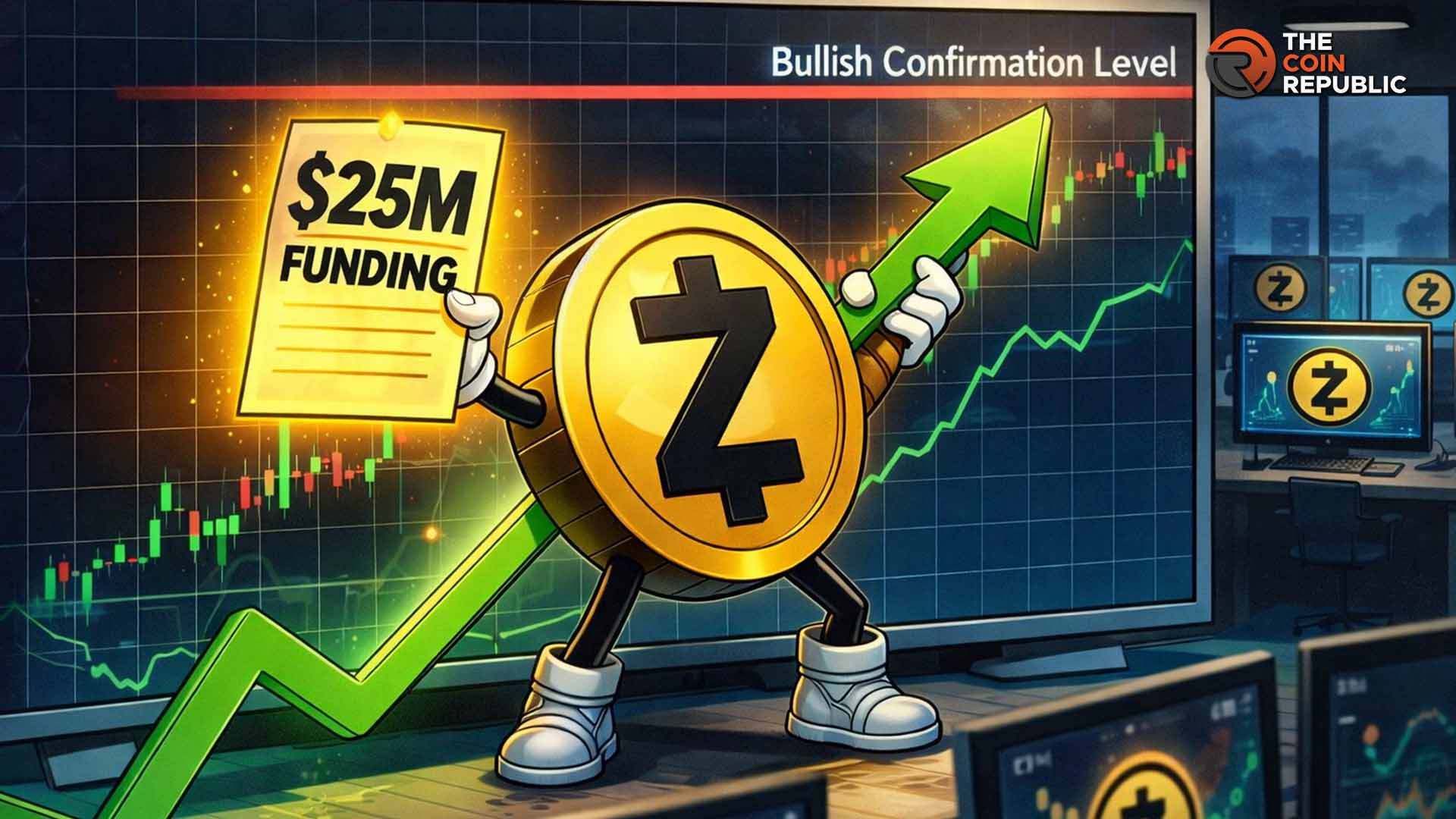
Major VC funding of $25 million for ZODL, the Zcash Open Development Lab, led by Paradigm and a16z, signals renewed institutional confidence and addresses prior governance uncertainty. Accumulation by Zcash whales (182% increase for standard whales, 19% for mega whales) coupled with significant exchange outflows (43%) suggests reduced sell-side pressure ahead of a potential price breakout. The Zcash price must achieve a daily close above $250, supported by a Chaikin Money Flow (CMF) break above its trendline, to confirm the bullish momentum and invalidate the risk of a failed bounce. While the recent 10% rally is positive, the market awaits confirmation above the $250 resistance level, with potential upside targets at $283 and $340 if the bullish case solidifies.

Aave founder Stani Kulechov proposes a significant DAO governance overhaul, suggesting professional teams handle day-to-day decisions to improve efficiency and mitigate political maneuvering. The proposed changes aim to address Aave's governance cracks, highlighted by concentrated voting power (three wallets controlling over 58%) and recent departures of key contributors due to funding and IP disputes. While Aave maintains a substantial $26.5B TVL, the ongoing governance dysfunction poses a risk to its competitive edge in the DeFi sector, potentially impacting investor confidence and future development. Kulechov's call for reform aligns with broader industry trends towards modular governance and liquid democracy, suggesting a potential shift in how DAOs operate to foster more effective decision-making.

Across Protocol's proposal to transition from a DAO to a U.S. C-corporation has triggered an 80% price surge in its ACX token, indicating market optimism towards a traditional corporate structure for institutional deal-making. The proposed structure offers ACX holders a choice between exchanging tokens for equity or a USDC buyout at a 25% premium, creating a floor for the token price and driving speculative interest above the buyout level. This move represents a significant reversal of the prevailing DAO model in DeFi, suggesting that some protocols may find traditional corporate structures more conducive to growth and partnerships. The market reaction, with ACX outperforming BTC and the CoinDesk 20, highlights a potential shift in investor sentiment favoring projects that prioritize pragmatic business structures over pure decentralization for commercial success.
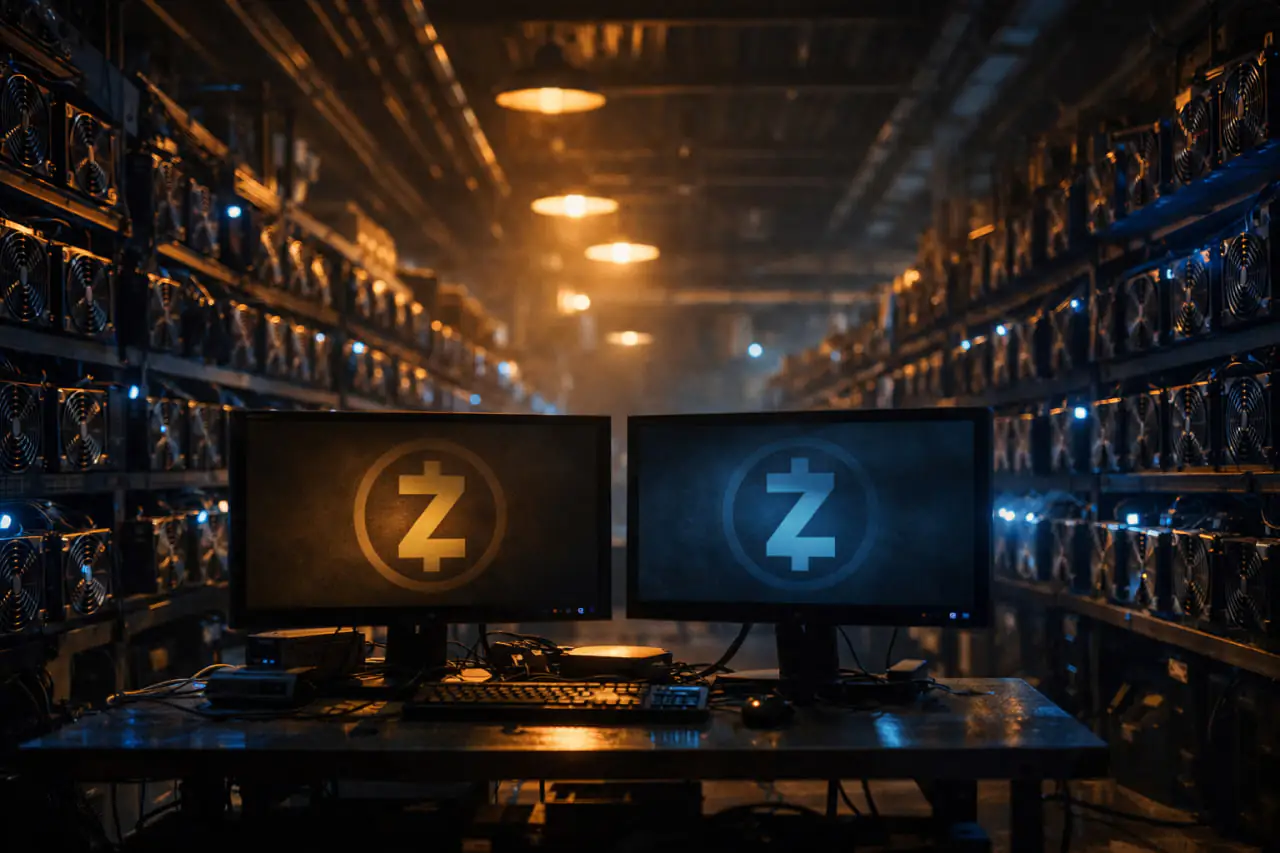
Foundry Digital's entry into Zcash mining with institutional-grade infrastructure, despite ZEC trading significantly below its all-time high, signals a potential long-term confidence play by a major player in the mining sector. The launch of a compliant, U.S.-based mining pool for Zcash aims to address institutional demand for regulated infrastructure, potentially mitigating some of the risks associated with privacy coins amidst increasing global regulatory scrutiny. While Foundry's move provides a crucial infrastructure upgrade, the Zcash ecosystem faces significant headwinds from internal development turmoil and intensifying regulatory crackdowns on privacy coins, creating a complex risk-reward scenario for ZEC.
The article provides a forward-looking overview of top investment banks in 2026, highlighting their roles in capital raising, M&A, and trading, which are foundational to traditional finance. While the article focuses on traditional finance, its mention of Goldman Sachs' activity in 'fintech investments' and links to related crypto news suggest potential intersections with the digital asset space. The analysis of major investment banks like JPMorgan, Goldman Sachs, and Morgan Stanley offers context for how large financial institutions operate, which can indirectly inform strategies for crypto projects seeking institutional adoption or partnerships.

XRP is consolidating near $1.38, with Bollinger Bands tightening on the daily chart, indicating a potential breakout is imminent as traders await U.S. CPI data. Despite subdued price action, robust on-chain activity with over 2.7 million daily transactions and $1.4 billion in XRP-linked investment products suggests underlying network health and sustained institutional interest. Ripple's commencement of a $750 million share buyback, valuing the company at approximately $50 billion, provides a fundamental positive backdrop for XRP, independent of short-term market fluctuations. Traders are closely monitoring the $1.35-$1.37 support and $1.40-$1.42 resistance levels, with a decisive break in either direction likely to dictate XRP's near-term price trajectory.
Metaplanet is pivoting from pure Bitcoin accumulation to ecosystem development by launching venture and asset management arms, signaling a strategic shift to generate diversified revenue streams beyond direct BTC holdings. The firm's $25 million investment plan in Japan's Bitcoin infrastructure, including a stake in the first licensed yen stablecoin (JPYC), aims to capitalize on favorable regulatory frameworks and foster local innovation. Despite significant unrealized losses on its BTC holdings, Metaplanet's move into venture capital and asset management could provide a pathway to long-term value creation by supporting the growth of Bitcoin-related services.

Geopolitical tensions in the Middle East are directly impacting Bitcoin's price, causing it to fall below $69,500 as oil prices surge above $100. The repeated pattern of Bitcoin rallies being cut short by Middle East conflict escalations suggests a lack of fundamental bullish momentum, with on-chain data indicating negative demand and rising supply in loss. The resurgence of oil prices above $100 due to geopolitical events complicates the macroeconomic outlook, potentially delaying anticipated interest rate cuts from the Federal Reserve. The correlation between rising oil prices and declining Bitcoin price highlights a risk-off sentiment in the market, impacting other major cryptocurrencies like Ether, Solana, and XRP.
Metaplanet's establishment of Metaplanet Ventures signals a strategic move to foster Bitcoin ecosystem growth in Japan, anticipating regulatory clarity and potential international competitiveness. The venture firm's focus on payments, lending, stablecoins, and tokenization indicates a broad approach to building regulated Bitcoin financial infrastructure, potentially impacting DeFi and RWA sectors. With a planned investment of 4 billion JPY over 2-3 years, Metaplanet is demonstrating significant commitment to developing Japan's crypto landscape, funded by its existing Bitcoin operations.
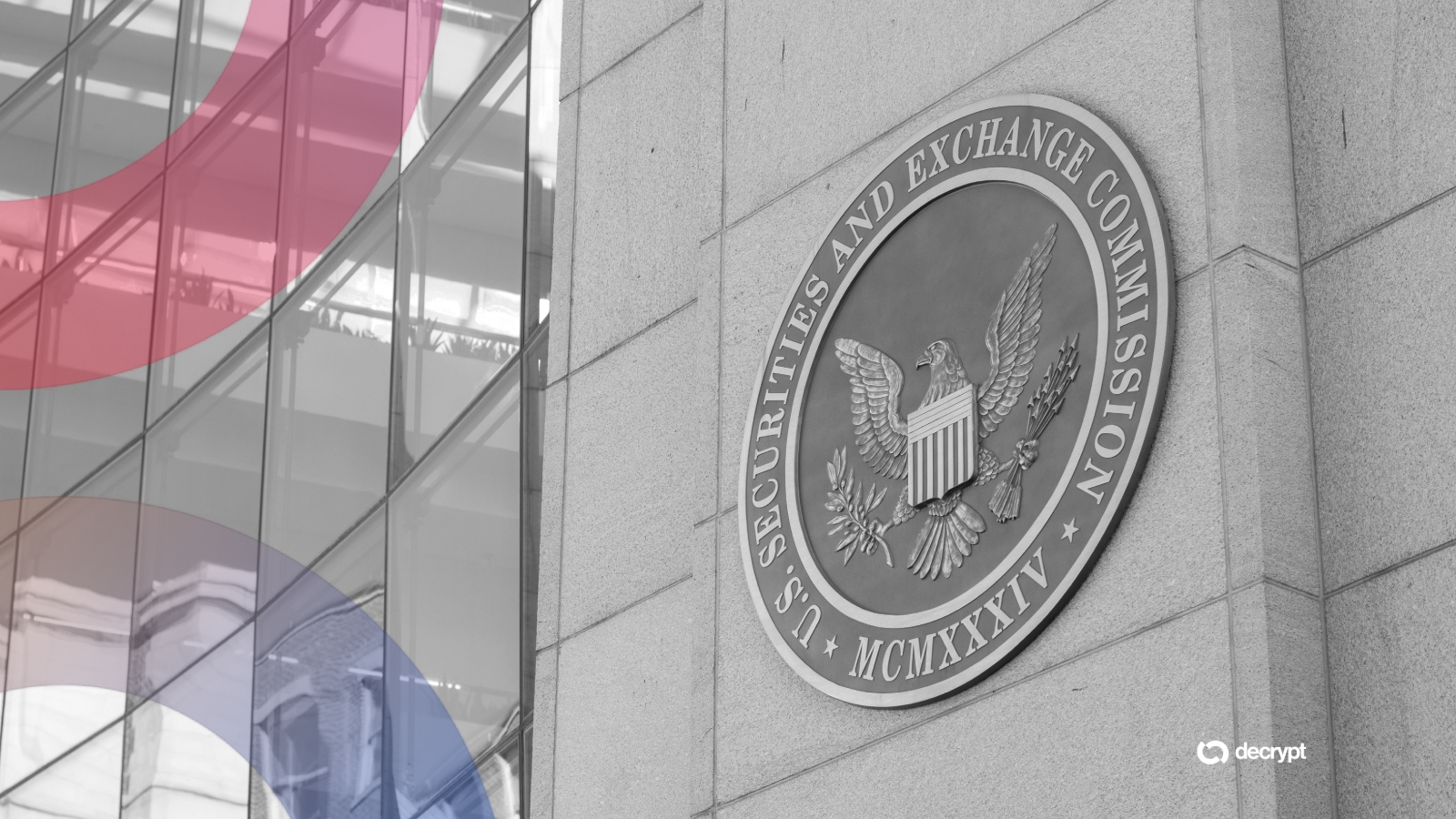
The SEC and CFTC's coordination pact aims to harmonize crypto regulations, potentially reducing compliance friction and encouraging institutional capital to enter the market by clarifying asset classifications and jurisdictional overlaps. This regulatory alignment signals a maturing phase for the digital asset industry, offering a more predictable framework for builders and potentially preventing firms from seeking more favorable jurisdictions offshore. The agreement could streamline processes for compliant products to reach the market by reducing redundant approvals and navigating divergent supervisory expectations between the two agencies.

The domain hijacking of Bonk.fun, a Solana launchpad backed by Raydium and BONK, highlights ongoing frontend vulnerabilities in the crypto space despite increasing institutional interest. While the full extent of losses is undisclosed, the swift community alerts and the operator's statement suggest that damage may be limited to users who interacted with the compromised site post-breach. This incident serves as a reminder for users to remain vigilant regarding domain security and to verify terms-of-service agreements on any platform, especially during periods of rapid development.
Signal context only. Validate with price action, liquidity, and risk limits before taking a position.
