
200+ crypto news providers in one place.

CoinFeather
200+ crypto news providers in one place.

Quick market read from this story
Core Scientific plans to sell substantially all of its Bitcoin holdings this year
The company currently holds less than 1,000 Bitcoin
Sales are expected to occur primarily in Q1, subject to market conditions
The move supports a strategic pivot towards AI and high-performance computing (HPC) infrastructure.
Deep Dive
Core Scientific has announced plans to sell a substantial portion of its Bitcoin holdings this year to fund its strategic shift towards artificial intelligence (AI) and high-performance computing (HPC). The company aims to monetize nearly all of its Bitcoin assets as capital expenditures for its data center buildout increase.
In its fourth-quarter earnings report, Core Scientific detailed its intention to sell the majority of its Bitcoin holdings, primarily in the first quarter of the year, contingent on market conditions. This move reflects a broader trend among U.S. Bitcoin mining companies seeking to capitalize on the high demand for AI-related infrastructure. CFO Jim Nygar stated that the company currently holds less than 1,000 Bitcoin. In January, Core Scientific sold 1,900 Bitcoin for $175 million.
The company's latest earnings presentation, which notably omitted mention of Bitcoin, positioned Core Scientific as a leader in digital infrastructure for high-density colocation services, specifically targeting AI and HPC data centers. This strategic pivot is also evident in other industry players; Cango recently sold 4,451 Bitcoin to support its AI business, and Bitfarms rebranded to Keel Infrastructure, signaling a focus on HPC and moving away from being a Bitcoin company.
Core Scientific is actively converting its Pecos, Texas facility from Bitcoin mining to colocation services. CEO Adam Sullivan indicated that the company expects all megawatts in its portfolio to be dedicated to colocation within the next three years. This transition marks an end to self-mining operations, which previously constituted the majority of Core Scientific's revenue.
In the fourth quarter, self-mining generated $41.1 million, while colocation services brought in $31.3 million. Hosting Bitcoin mining for customers added another $6.5 million during the period. Overall, Core Scientific reported a fourth-quarter net income of $216 million, a significant improvement from a $291 million loss in the prior year. However, total revenue decreased to $70 million from $94.9 million year-over-year, attributed to the contraction in its self-mining business.
Core Scientific's shares experienced a 6.4% decline on Tuesday, closing at $15.43. Over the past year, the stock has risen 52%, reaching a peak of approximately $23.63 in November.
Source, catalyst, and sector overlap from the latest feed.
X will suspend creators from its revenue-sharing program for 90 days if they post undisclosed AI-generated war videos. The policy aims to prevent manipulation and ensure access to authentic information during wartime. Violators face permanent removal from the monetization program for repeat offenses. This policy targets the financial incentives for creators to post misleading AI-generated content.
President Trump urges Congress to pass crypto market structure legislation (CLARITY Act) urgently. Dispute over stablecoin yield programs between banks and crypto firms stalls CLARITY Act negotiations. JPMorgan CEO Jamie Dimon argues crypto firms offering stablecoin yield should operate as banks. The GENIUS Act, a stablecoin framework, has been enacted and is being implemented by regulators.
South Korean police arrested individuals paid in cryptocurrency for "private revenge" attacks. Payments ranged from $337-$675 or 500,000-1,000,000 KRW worth of crypto. Tactics included vandalism, threats, and spreading human waste. Authorities are investigating potential links to a larger Telegram-based organization.
OpenAI released GPT-5.3 Instant, updating ChatGPT's default model for improved accuracy and conversational flow. The new model reduces unnecessary refusals and disclaimers, aiming for more direct and helpful user interactions. Internal evaluations show hallucination rates dropped by nearly 30% with web use and 19.7% without. GPT-5.2 Instant will be retired on June 3, marking a transition period for users.
Bitcoin rose Tuesday, outperforming U.S. stocks amid Middle East conflict uncertainty. Bitcoin recovered from intraday lows, trading around $68,783. Rising oil prices and potential inflation support Bitcoin's 're-inflation' narrative. Gold and silver declined, underperforming Bitcoin.
Aave Chan Initiative (ACI) will exit Aave DAO governance after a contested vote. ACI plans to wind down operations over four months, transferring responsibilities. The exit follows a dispute over a $42.5 million funding package and voting power concerns. Aave maintains a dominant DeFi position with $26.51 billion in total value locked.
Over 31.6 million ETH withdrawn from exchanges in February, the largest monthly outflow since November. Binance saw the largest ETH withdrawals, with reserves dropping to a 2020 low of 3.46 million ETH. Retail investors show consistent buying pressure, while larger participants have been net sellers. Reduced exchange supply could amplify price moves if buying pressure aligns across all investor classes.
American Bitcoin purchased 11,298 ASIC miners, increasing capacity by 12%. The acquisition is set for deployment in March 2026 in Alberta, Canada. The added hashrate represents approximately 0.3% of the global hashrate. This move contrasts with peers shifting focus towards AI infrastructure.
MARA considers selling Bitcoin holdings due to unprofitable mining economics. Bitcoin mining production cost ($87k) exceeds spot price ($69k), leading to losses. Mining companies like MARA, Riot, and Core Scientific are pivoting infrastructure to AI and HPC. Production and accumulation of Bitcoin have decoupled for miners.
Public bitcoin miners are shifting balance sheets from BTC treasuries to AI infrastructure. Miners are selling more BTC to fund AI expansion due to compressed mining profit margins. Several major miners like IREN, WULF, CIFR, RIOT, HUT, CORZ, MARA, BTDR, and BITF are reducing or eliminating BTC holdings. This pivot signals potential increased selling pressure on Bitcoin from miners.
Ripple Payments expanded to over 60 markets with new stablecoin and fiat collection, custody, and liquidity tools. The platform now supports unified collections and advanced liquidity features, aiming to reduce vendor complexity for businesses. Over $100 billion in volume has been processed, with more than 75 licenses globally, targeting financial institutions and fintechs. XRP price action remains volatile, with analysts suggesting a potential fractal pattern indicating a move higher later in March.
IPO Genie ($IPO) aims to democratize private market investing by tokenizing access with a $10 minimum entry. The platform utilizes AI to identify early-stage investment opportunities, similar to traditional VC firms. The $IPO token offers tiered access, revenue sharing, staking rewards, and voting rights to holders. The project has undergone security audits by CertiK and SolidProof and uses Fireblocks for asset protection.
Visa and Bridge are expanding stablecoin card program to over 100 countries by end of 2026. MetaMask and Phantom users can spend crypto directly from self-custody wallets via Bridge's API. Visa is testing direct on-chain settlement using stablecoins on the Solana blockchain. Expansion follows recent regulatory clarity in the US with the GENIUS Act.
BitGo expands MiCA-compliant crypto-as-a-service to 30 EEA countries. Service enables banks and fintechs to integrate licensed custody, payments, and trading via API. Offering includes multi-asset wallets, SEPA fiat rails, and $250 million in insured custodial wallets. Expansion follows MiCA implementation, aligning with broader European institutional adoption of digital assets.
Live Feed
Loading the broader stream in the same flow as the homepage feed.
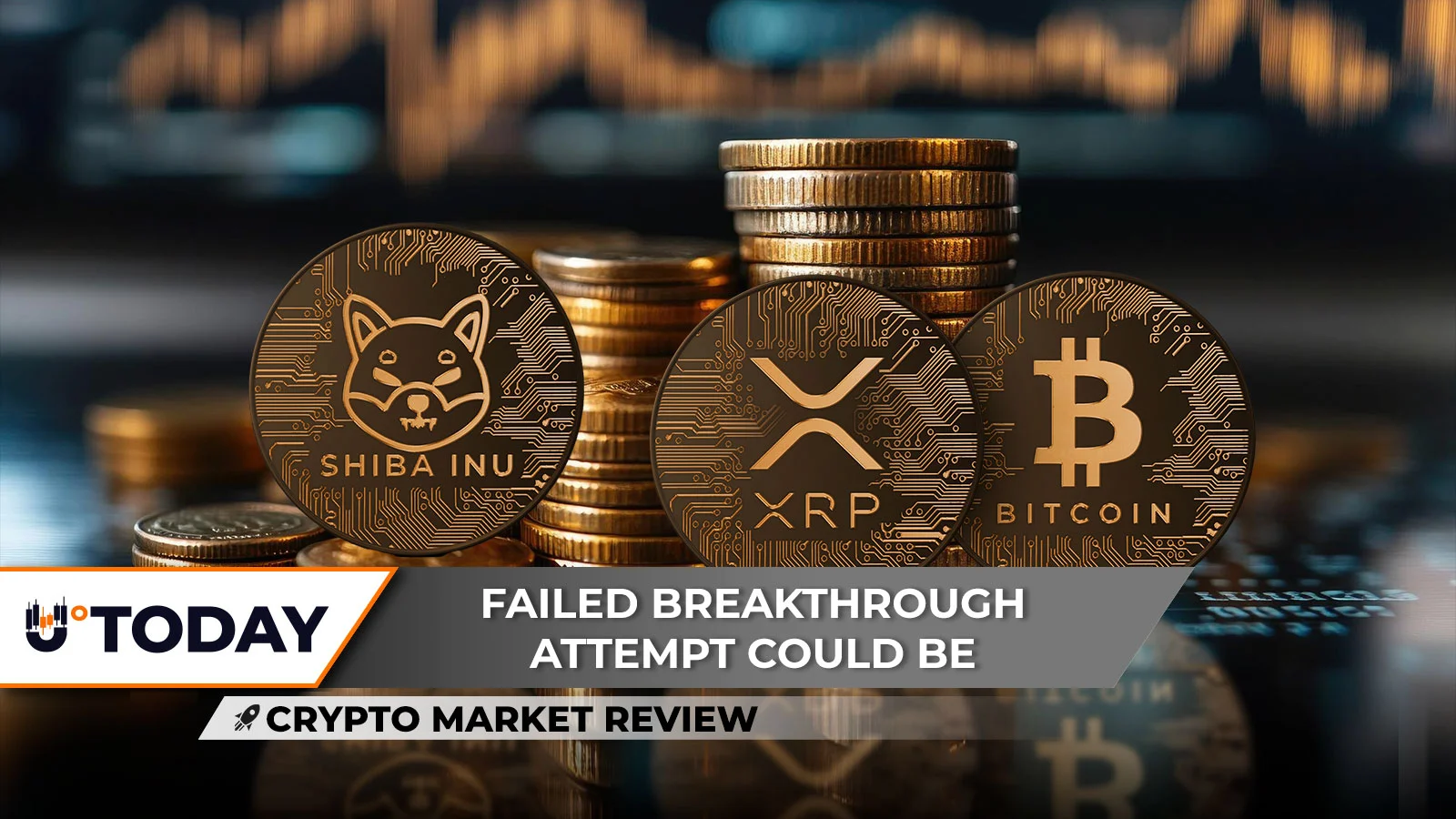
Shiba Inu (SHIB) price has fallen to 2023 levels with successive technical failures. XRP shows a modest attempt at stabilization with a short-term rising support line, but overall trend remains negative. Bitcoin (BTC) is consolidating below $70,000 after bouncing from $63,000, with increasing volume supporting the recovery. Market sentiment is weak due to institutional uncertainty and low retail liquidity.

Indiana mandates crypto inclusion in state-managed retirement and savings plans. House Bill 1042 signed into law by Governor Mike Braun on March 3. State plans must offer at least one cryptocurrency as an investment option in self-directed brokerage accounts. Pension providers have until July 1, 2027, for full integration.

Crypto industry PACs are spending millions on US party primaries for the 2026 midterm elections. The outcome of these primaries could influence future crypto legislation in Congress. Super PACs like Fairshake have significant funds and a track record of influencing elections to support pro-crypto candidates. Specific races, such as the Texas Senate primary, are seeing substantial political spending.

Bitcoin functions as everyday money in parts of Africa, not just a store of value. Merchants in some African economies prefer satoshis over dollars due to rapid inflation. Sub-Saharan Africa saw over $205 billion in onchain value from July 2024 to June 2025, a 52% year-on-year increase. Retail transfers under $10,000 represent over 8% of total value sent in Sub-Saharan Africa, indicating strong retail adoption.

Donald Trump urges passage of the Clarity Act to prevent crypto industry moving overseas. Banking industry opposes stablecoin yield offerings, fearing deposit flight. Negotiations continue between banking and crypto sectors over market structure bill language. The Clarity Act aims to regulate stablecoins and market structure, with ongoing debate on yield provisions.

Strategy Inc. acquired an additional 3,015 BTC for $204 million, increasing its total holdings to 720,737 BTC. 470 million XRP were deposited on Binance in the past week, raising concerns of potential sell-offs. Dogecoin ETFs have recorded zero net inflows since February 3rd, indicating a lack of investor demand.
CFTC Chair Michael Selig anticipates "true perpetual futures" for cryptocurrencies in the US within the next month. The CFTC is also preparing to issue guidance on prediction markets soon. Discussions on a market structure bill are ongoing, with a need for Congressional clarity for the SEC and CFTC. The CFTC aims to bring offshore liquidity back to the US by addressing these market structures.

MARA Holdings clarifies its 10-K filing allows flexible Bitcoin sales, not a mandated sell-off strategy. Company VP Robert Samuels directly refuted claims of a shift toward a Bitcoin treasury sell-down. MARA holds 53,822 BTC valued at approximately $3.7 billion, making it a significant holder among public miners. The clarification aims to address market speculation regarding MARA's Bitcoin treasury management.

Jamie Dimon states stablecoin issuers paying interest should be regulated as banks. Dimon argues for a level playing field between traditional banks and crypto firms offering similar services. The CLARITY Act discussions are ongoing in Washington regarding stablecoin oversight. Banks want stablecoin issuers to meet bank standards including capital, liquidity, and AML rules.
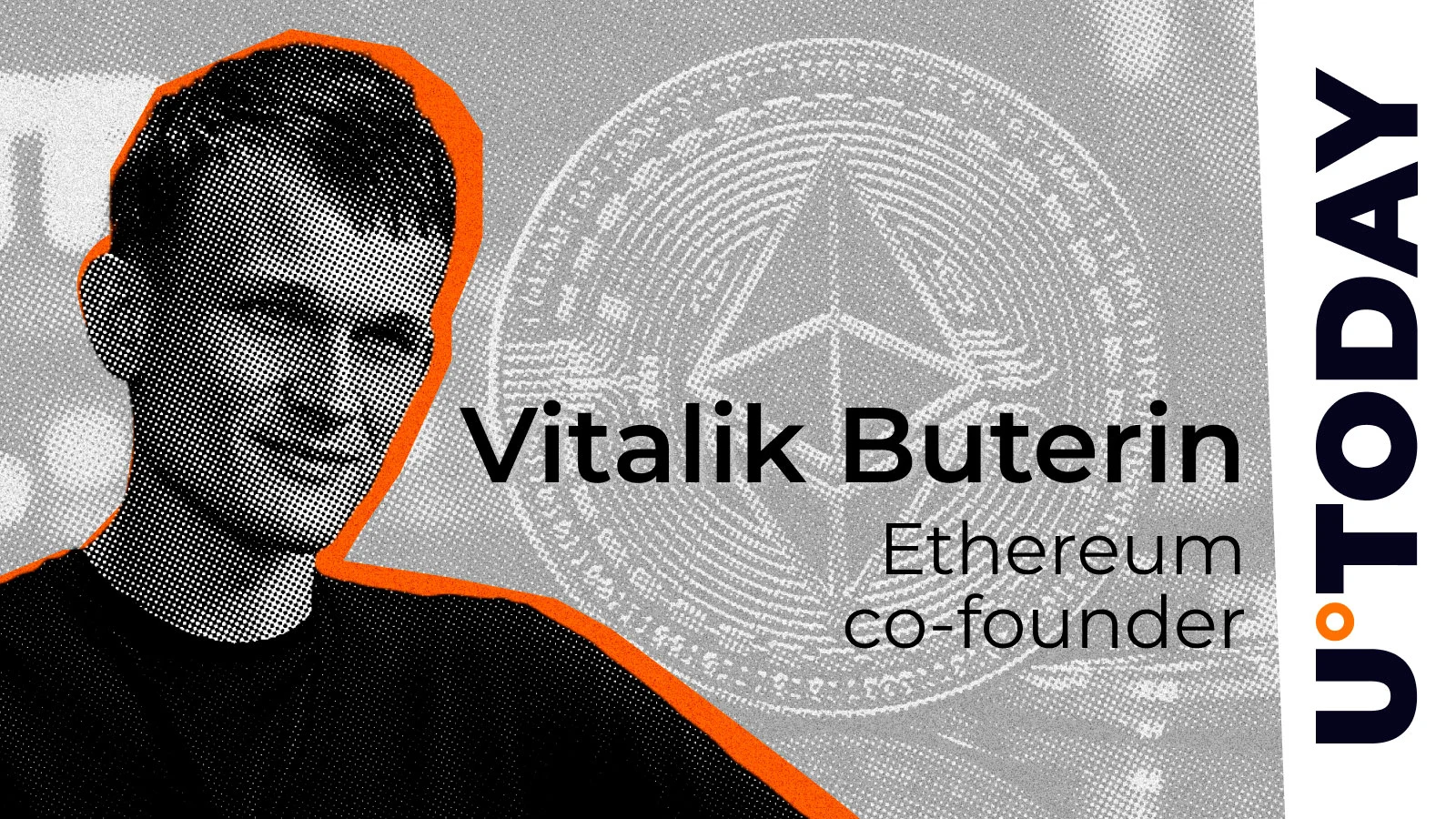
Vitalik Buterin calls for Ethereum to shift focus from tech 'shininess' to sanctuary against authoritarianism. Buterin expresses frustration over Ethereum's limited role in improving lives beyond finance. He suggests Ethereum should act as a defensive perimeter for 'sanctuary technologies'. Buterin pushes back against limiting Ethereum's scope solely to DeFi.

Bitcoin shows resilience decoupling from traditional equities and gold despite US dollar strength. Robust institutional demand evident with $1.5 billion in Bitcoin ETF net inflows over 7 days. Concerns arise from potential miner liquidations and a shift in focus towards AI data centers. A definitive breakout above $75,000 is needed to confirm the end of the bear market.
Signal context only. Validate with price action, liquidity, and risk limits before taking a position.
