
Navigating Crypto News

CoinFeather
Navigating Crypto News
Quick market read from this story
BlockFills' Chapter 11 bankruptcy filing, with liabilities significantly exceeding assets, signals a severe liquidity crisis and potential loss for unsecured creditors.
The bankruptcy follows a lawsuit from Dominion Capital over commingled client funds and a freeze on 70.6 Bitcoin, indicating operational and legal distress impacting client assets.
The company's cessation of deposits during Bitcoin price drops suggests a direct correlation between market volatility and its financial instability, highlighting counterparty risk in lending operations.
Deep Dive
Crypto lender BlockFills and its affiliates filed for Chapter 11 bankruptcy in Delaware on March 15, 2026. The company reported assets between $50 million and $100 million, while liabilities range from $100 million to $500 million. This filing follows a series of critical events, including the cessation of deposit services during a Bitcoin price decline and the departure of its CEO.
The bankruptcy proceedings were precipitated by a lawsuit from Dominion Capital, which alleged a $77 million deficit due to commingled client funds. A court order has frozen approximately 70.6 Bitcoin that were part of these commingled assets. BlockFills stated that restructuring through Chapter 11 is the most effective strategy to safeguard client interests. However, unsecured creditors are now facing an uncertain outlook regarding the recovery of their funds.
Source, catalyst, and sector overlap from the latest feed.
Australian Senate committee backs a bill to integrate crypto platforms and custody providers into the existing financial services system, signaling a move towards clearer regulatory oversight. The proposed legislation focuses on licensing and compliance for firms managing digital assets, aiming to enhance investor protection by aligning crypto services with traditional market standards. While the bill has committee support, it has not yet become law, meaning affected crypto firms will have a six-month grace period to comply once enacted, providing a window for adaptation. This regulatory development could offer greater certainty for exchanges, custody firms, and investors in Australia by establishing a more defined market conduct and licensing regime.
Live Feed
Loading the broader stream in the same flow as the homepage feed.

UniCredit's formal takeover offer for Commerzbank, valuing shares at a modest premium, signals a significant push for European banking consolidation. The market reaction shows a divergence, with Commerzbank shares rising on takeover speculation while UniCredit shares dipped due to investor caution over integration costs and regulatory hurdles. This potential merger represents a test case for cross-border banking consolidation in Europe, highlighting the challenges and potential benefits of creating larger, more competitive financial institutions. While the deal faces opposition from Commerzbank's management and government, UniCredit aims to increase its stake beyond 30% to gain influence, with a formal offer expected in early May.
Huawei remains a privately held, employee-owned company, meaning there is no publicly traded stock or ticker symbol available for investors. Despite persistent speculation, Huawei has not announced any concrete plans for an IPO, citing strategic independence and potential geopolitical complexities as reasons for remaining private. Investors interested in Huawei's market segments can explore competitors in telecom infrastructure and supply chain companies, as direct investment is not possible. The company's significant influence in global telecommunications, smartphones, and AI means any future IPO would be a major market event, though currently speculative.

Dogecoin's 11% weekly rally, outperforming the broader market, suggests renewed investor interest driven by short liquidations and increased whale accumulation. The price action has erased a zero from DOGE's valuation, with a key resistance at $0.105 poised to determine if the upward momentum can extend towards $0.110-$0.120. Surging trading volume and derivatives activity confirm a bullish trend, indicating potential for continued upside if market conditions remain favorable.
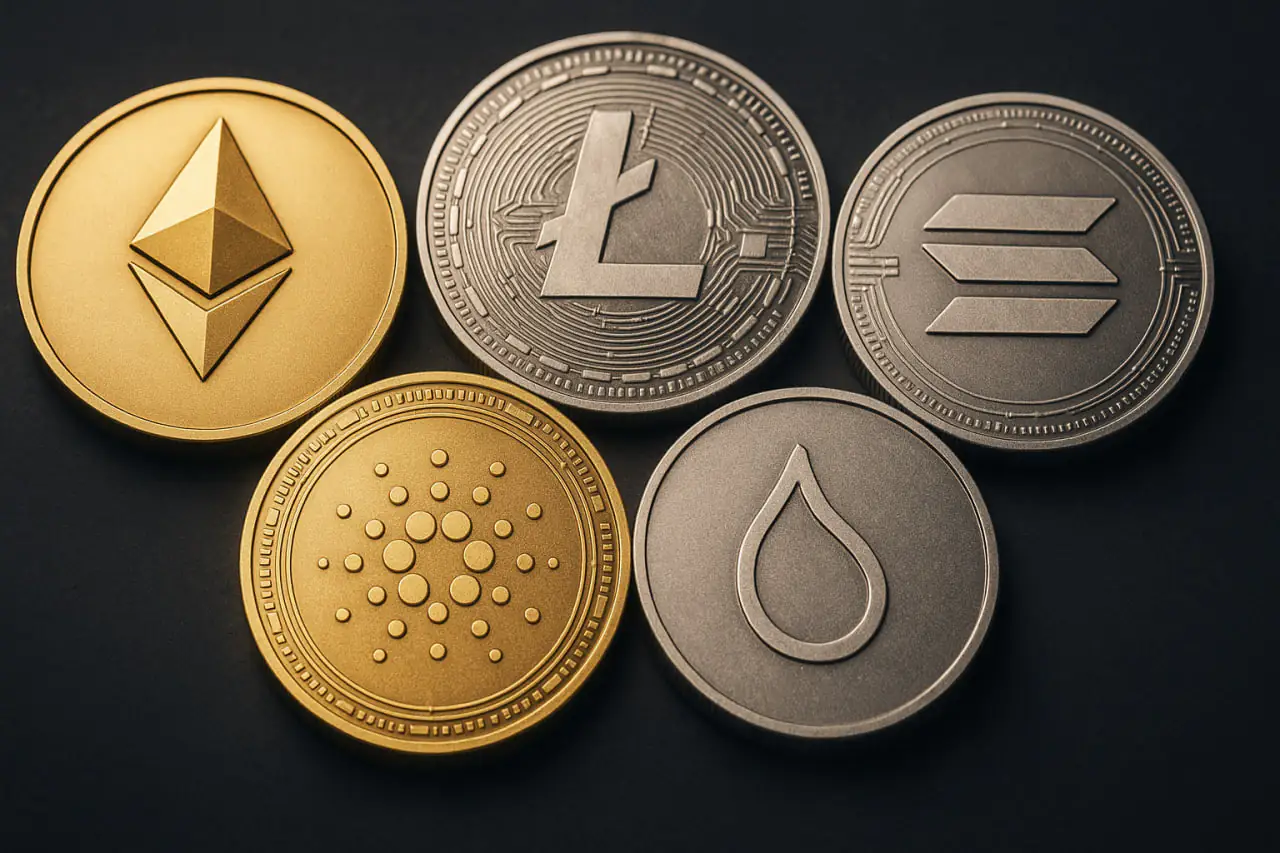
The traditional 'altcoin season' is structurally dead, replaced by rapid, short-lived sector rotations driven by institutional capital flows into BTC and ETH ETFs. Institutional capital anchored to BTC and ETH ETFs is starving mid-cap altcoins of liquidity, fundamentally altering market dynamics away from broad-based rallies. DWF Labs anticipates new ATHs for major assets in H1 2026, but warns that only projects with tangible utility and RWA or infrastructure focus will survive the shift. The CMC Altcoin Season Index remains in 'Bitcoin Season' territory (45/100), indicating a market structure that favors dominant assets over speculative altcoin plays.
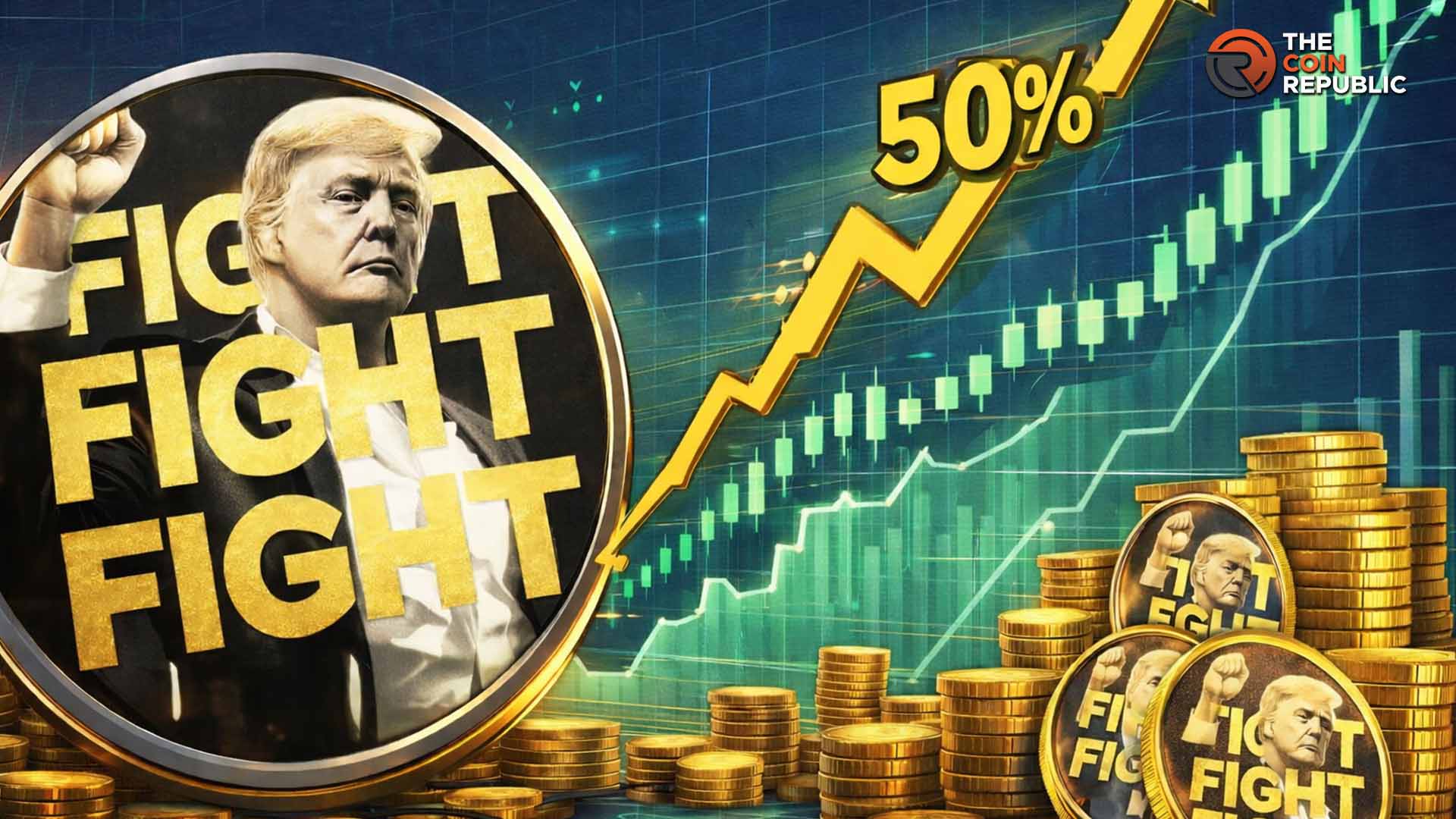
The TRUMP coin experienced a significant 53% price surge driven by the announcement of an upcoming Mar-a-Lago dinner event for top holders, mirroring past price action around similar events. Whale activity shows substantial bullish positioning in derivatives markets, with nearly $250 million in long positions opened, indicating anticipation of further price appreciation. While the event has historically preceded price rallies, the article notes a substantial cooling off post-event, suggesting potential for a retracement after the April 25th gala. The meme coin's price action is heavily influenced by speculative events tied to political figures, highlighting its nature as a sentiment-driven asset rather than one based on fundamental utility.
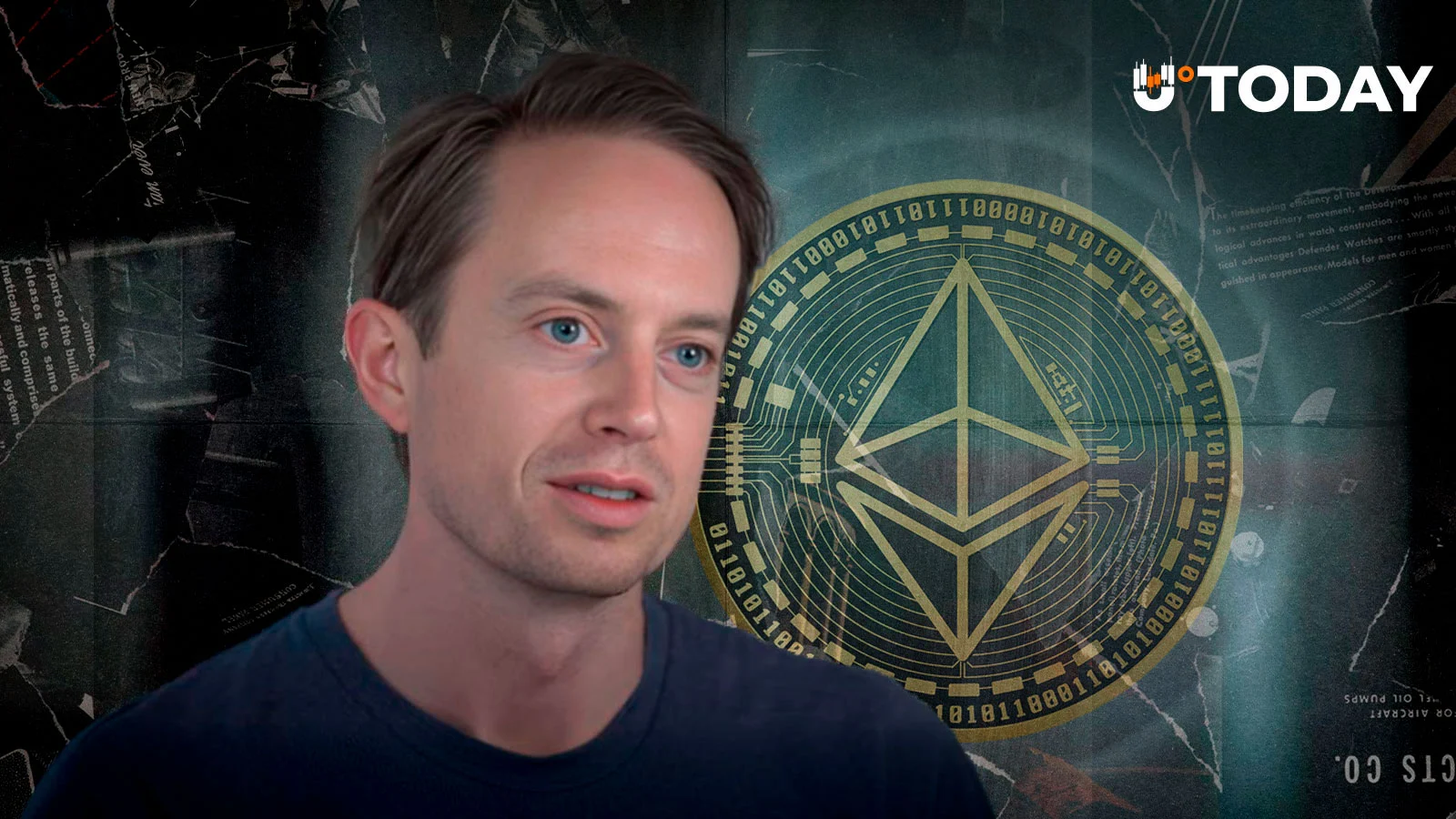
Erik Voorhees, a prominent early Bitcoin adopter, is aggressively accumulating Ethereum (ETH) with $49 million deployed, signaling a potential smart money rotation from Bitcoin or stablecoins into ETH. The significant capital inflow from high-profile investors like Voorhees, an early Ethereum builder, and Cumberland indicates strong conviction in ETH's near-term price appreciation, driving its current upward momentum. This concentrated buying activity, coupled with ETH clearing the $2,200 resistance, suggests a potential short-term bullish trend for Ethereum as market participants interpret these moves as a positive signal for demand.
The Teucrium CEO's projection that Ripple could become a top-20 bank hinges on securing a national trust bank charter, a development that would significantly validate blockchain-based financial institutions. Ripple's substantial XRP holdings, estimated at 40 billion, could serve as a major balance sheet asset, potentially driving institutional valuation if the company achieves banking status. The potential integration of Ripple's blockchain infrastructure and XRP reserves into a regulated banking framework signifies a convergence of digital assets and traditional finance, impacting the broader financial sector.

The total crypto market cap surpassing $2.5 trillion, driven by Bitcoin's near-$74K price and Ethereum's outperformance, signals a broadening market recovery beyond just BTC. Ethereum's stronger weekly gains compared to Bitcoin suggest a potential shift in momentum, indicating increased investor interest in altcoins as the market expands. Despite the upward trend, sentiment indicators like the Fear & Greed Index at 41 and the Altcoin Season Index at 45 suggest a cautiously optimistic market, not yet in a full altcoin bull run. The sustained trading volume and the mention of continued BTC accumulation by entities like MicroStrategy indicate underlying strength and institutional interest supporting the current market rally.

The increasing competition for electricity between AI data centers and Bitcoin miners presents a potential threat to Bitcoin's network security and its store-of-value narrative, as AI offers significantly higher revenue per megawatt. Despite concerns over miners pivoting to AI, the Bitcoin network's inherent difficulty adjustment mechanism is expected to rebalance profitability, potentially driving out less efficient miners and making mining attractive again. The debate highlights a critical juncture for Bitcoin, where its price action in the near term will likely determine whether miners continue to exit the network due to AI competition or if profitability can be restored. While some see AI as a 'doomsday' scenario for Bitcoin, others argue that the network's design and the potential for AI to rely on Bitcoin infrastructure suggest a more symbiotic or self-correcting relationship.

The SEC's dismissal of the BitClout founder case, citing reassessment of evidence, signals a potential shift in regulatory approach, though the SEC cautions against broad interpretation. This development removes a significant legal overhang for Nader Al-Naji and the DeSo ecosystem, potentially improving sentiment and reducing uncertainty for related projects. While the case was dismissed with prejudice, the SEC's explicit statement that this outcome is case-specific limits its direct impact on other ongoing enforcement actions.
Signal context only. Validate with price action, liquidity, and risk limits before taking a position.
No explicit catalyst tagged.
TradeEU Global positions itself as a regulated CFD broker offering leveraged trading on a diverse range of assets including forex, indices, commodities, shares, and cryptocurrency CFDs. The platform is designed for retail traders, emphasizing a web-based interface with tools for technical analysis, suitable for day and swing traders. While the article mentions cryptocurrency CFDs, specific digital assets are not detailed, suggesting potential but unconfirmed crypto exposure. The review highlights that TradeEU Global operates within a regulated framework, which includes client fund segregation and KYC procedures, but stresses that regulation does not eliminate market risk inherent in leveraged trading.
