
Navigating Crypto News

CoinFeather
Navigating Crypto News
Quick market read from this story
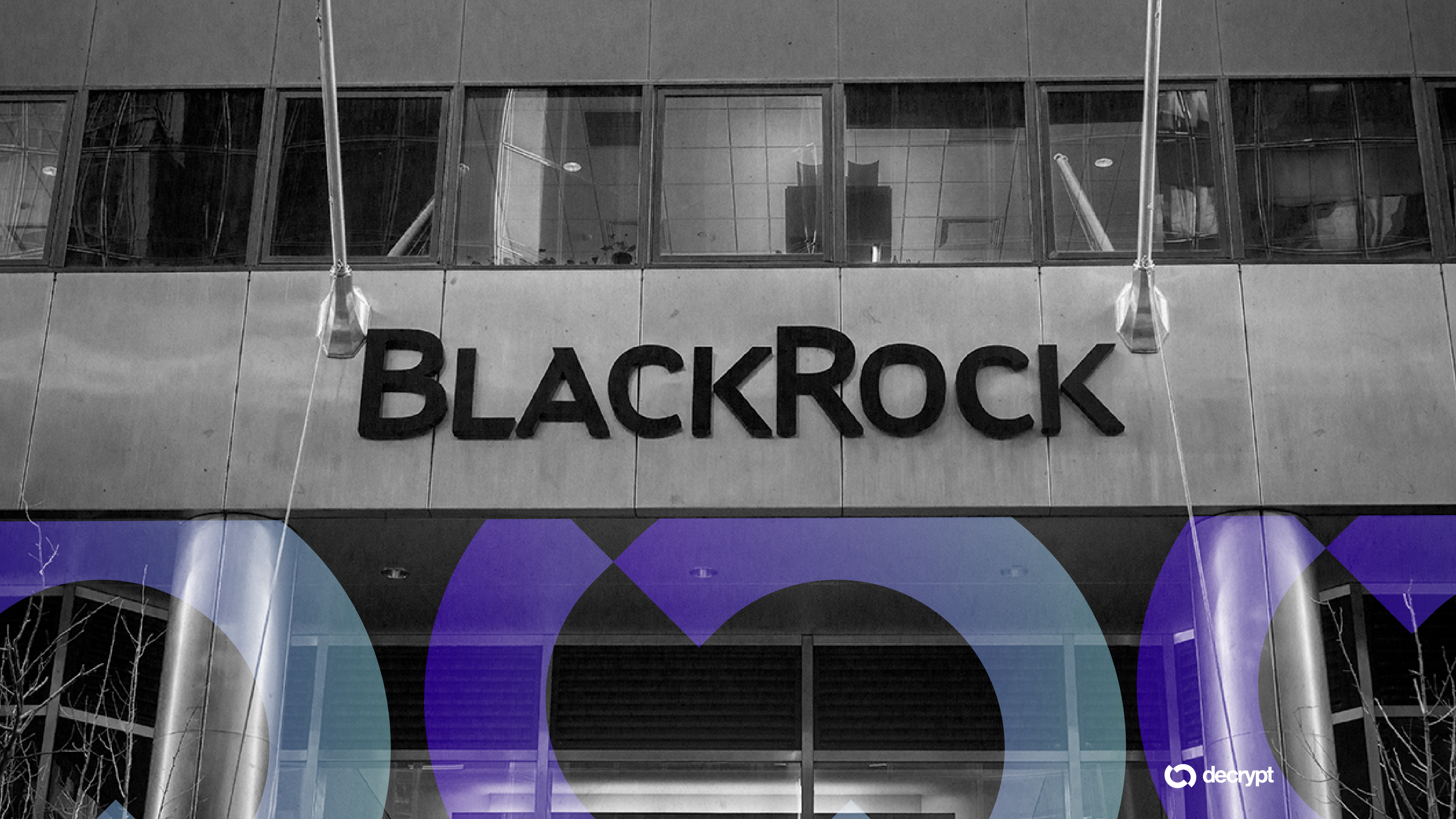
BlackRock's new Staked Ethereum Trust (ETHB) has rapidly accumulated $254 million in AUM within its first week, indicating strong institutional demand for yield-generating ETH products.
The ETHB fund's strategy of staking 70-95% of its ETH and passing through 82% of staking rewards to investors positions it as a direct competitor to existing staked Ethereum ETFs.
Despite facing competition and a volatile market, the rapid uptake of ETHB suggests a growing acceptance of regulated products offering direct exposure to Ethereum staking yields.
Deep Dive
BlackRock's iShares Staked Ethereum Trust (ETHB) has rapidly accumulated $254 million in assets under management (AUM) since its launch on March 12. The fund saw an influx of $146 million in investor capital within its first week, in addition to over $100 million in seed funding.
The ETHB fund stakes between 70% and 95% of its Ethereum holdings. It distributes 82% of the resulting staking rewards directly to investors through monthly payments. The remaining 18% is allocated among the trust, custodians, and staking service providers. Key validators for the fund include Figment, Galaxy Blockchain Infrastructure, and Attestant.
BlackRock's offering entered a market already featuring staked Ethereum products from Grayscale and REX-Osprey. ETHB charges a 0.25% sponsor fee, which is discounted to 0.12% for the first year on assets up to $2.5 billion. Unlike competitors that added staking features later, BlackRock's fund was designed and launched with staking capabilities from inception.
Grayscale's Ethereum Staking ETF (ETHE), which added staking in October 2025 and was renamed to reflect this, experienced a net outflow of $32.5 million in its first week as a staking ETF. This occurred during a period of market volatility, including a Bitcoin flash crash in October that impacted the broader crypto market. Grayscale also launched the Ethereum Staking Mini ETF in April 2024, adding staking capabilities on October 6, 2025.
The launch and performance of ETHB occurred amidst broader market movements. Ethereum had briefly rallied above $2,300 earlier in the week but subsequently fell, mirroring declines in Bitcoin and the wider cryptocurrency market. At the time of reporting, ETH was trading around $2,126, down 4% in the preceding 24 hours.
Source, catalyst, and sector overlap from the latest feed.
Australian researchers have developed the first working quantum battery prototype, utilizing quantum physics for charging and storage. This breakthrough demonstrates a counterintuitive scaling property where larger quantum batteries charge faster, defying conventional battery limitations. While immediate consumer applications are distant, the technology holds significant potential for powering future quantum computers due to its coherent energy delivery. The development represents a fundamental physics advancement with potential long-term implications for energy storage, though practical implementation remains a challenge.
The World Gold Council's 'Gold as a Service' framework aims to standardize tokenized gold, potentially lowering barriers for new issuers and increasing fungibility across products. This initiative could significantly expand the market for gold-backed tokens beyond current players like Tether and Paxos by providing shared infrastructure for managing physical reserves. By establishing industry standards and shared infrastructure, the World Gold Council seeks to boost investor confidence in tokenized gold, drawing parallels to Intel's 'Intel Inside' branding for processors.
Major League Baseball's exclusive partnership with Polymarket and integrity framework agreement with the CFTC signals growing institutional acceptance and regulatory engagement with prediction markets. This development could lead to increased mainstream adoption and liquidity for prediction market platforms, potentially benefiting associated crypto projects like Polymarket. The focus on an "integrity framework" addresses rising concerns about insider trading and market manipulation, suggesting a move towards more regulated and transparent prediction markets.
The UK's move to dissolve Zedxion Exchange signals increased regulatory scrutiny on crypto firms facilitating illicit financial activities. Allegations of processing over $1 billion in funds for Iran's Revolutionary Guard highlight significant risks associated with exchanges operating in sanctioned jurisdictions. The involvement of a fictitious director and the use of stock imagery point to sophisticated evasion tactics, underscoring the need for enhanced due diligence in corporate registrations.
Prediction market Myriad has secured seed funding, signaling investor confidence in its growth and product development roadmap. The capital infusion is earmarked for aggressive investment in product development, liquidity, and market expansion, aiming to enhance Myriad's competitive position. Recent platform upgrades including a move to BNB Chain and adoption of USD1 as a settlement asset, coupled with this funding, suggest a strategic push for user acquisition and improved trading experience. The successful seed round, with participation from notable venture firms and individuals, provides Myriad with the necessary resources to scale its operations and pursue its vision for information markets.
Prediction markets indicate a significant probability, with odds ranging from 65% to 71%, that Bitcoin will fall below $55,000 by the end of 2026, reflecting current market sentiment and macroeconomic concerns. Despite the bearish outlook on price, traders on prediction platforms show low conviction, under 15%, for MicroStrategy to sell its substantial Bitcoin holdings in 2026, suggesting continued accumulation by major corporate holders. Recent net negative flows into US spot Bitcoin ETFs, particularly from Fidelity, coupled with broader macroeconomic uncertainties, are contributing to downward pressure on BTC price, signaling a cautious investor sentiment.
Bitcoin's price discovery has structurally shifted from spot demand to a derivatives-driven market, influenced by futures, options, and ETF hedging mechanics. The increasing correlation with traditional risk assets like the Nasdaq highlights Bitcoin's integration into global macro portfolios, amplifying volatility during liquidity cycles. While scarcity remains a core attribute, Bitcoin's marginal price is now largely set by liquidity dynamics and the cost of capital within the derivatives ecosystem. The evolution of financial products, including ETFs and derivatives, is transforming Bitcoin into a portfolio building block, enabling more sophisticated investor strategies and risk management.
Significant capital inflows into ETH ETFs and a large whale purchase of ETH signal strong institutional and high-net-worth conviction, potentially driving ETH price appreciation towards $2,400 and $2,800 targets. The article highlights Pepeto as an early-stage investment opportunity with a presale, audit, and upcoming Binance listing, positioning it as a high-potential, albeit higher-risk, alternative to established large-cap assets like ETH. While ETH and DOGE show positive market signals (ETF inflows, active address growth), the core thesis emphasizes that the largest returns in crypto cycles are historically found in early-stage projects before their major exchange listings. The narrative suggests that despite short-term market noise from events like FOMC meetings, underlying strength is building, driven by substantial investor commitment and product development in promising new projects.
Evernorth's planned Nasdaq listing via SPAC, backed by significant institutional funding including Ripple and SBI Holdings, aims to create a regulated XRP treasury, potentially unlocking new avenues for institutional XRP exposure. The development leverages recent regulatory clarity classifying XRP as a commodity, which could reduce perceived risk and encourage broader adoption of XRP-related financial products. While the SPAC merger and treasury strategy are positive developments, XRP's price action remains constrained below key resistance levels, suggesting that market sentiment is still cautious despite fundamental and regulatory improvements.
Grayscale's Head of Research indicates that regulated products like ETFs are opening doors for institutional allocation into XRP, signaling a maturing market beyond Bitcoin and Ethereum. Growing client demand for XRP from financial advisors, as reported by Grayscale, suggests increasing institutional interest in diversifying portfolios beyond top-tier cryptocurrencies. The development of XRP ETFs and increased advisor interest implies a potential for broader adoption and price discovery as institutional capital flows into the asset.
Animoca Brands' investment in Ava Labs signals a strategic push to expand Avalanche's ecosystem in Asia and the Middle East, focusing on RWA and digital identity use cases. The partnership aims to leverage Animoca's extensive portfolio and regional networks to drive adoption and scale for Avalanche-based projects, potentially boosting AVAX's utility and demand. This collaboration highlights a growing trend of established Web3 entities actively supporting Layer 1 ecosystems to foster specific sector growth, particularly in emerging markets.
XRP price is consolidating within a tightening triangle pattern, suggesting a potential breakout is imminent, with analysts assigning a 65% probability to an upward move. Significant accumulation by Ripple whales, with 200 million XRP added to holdings, indicates large investors are positioning for future price appreciation despite subdued trading volume. While whale accumulation is bullish, sustained exchange outflows and low demand signal caution, suggesting that a breakout above key resistance levels like $2.60 will require stronger market support and potential institutional inflows. The current technical setup and whale activity present a mixed signal, warranting a watchlist approach as traders await confirmation of a sustained upward trend or a potential breakdown.
MicroStrategy's STRC preferred series has achieved an unprecedented 1.5% volatility, setting a new benchmark for risk-adjusted performance with a Sharpe Ratio of 5.37, which may attract new institutional interest. The company significantly increased its Bitcoin holdings by issuing $1.18 billion in STRC preferred stock, signaling a strategic pivot towards this funding instrument over common stock sales for asset accumulation. While MSTR stock experienced a slight pullback, its role as a primary vehicle for Bitcoin accumulation remains strong, with the market now evaluating the sustainability of over $1 billion in annual dividend commitments. The successful implementation of a low-volatility funding model for Bitcoin accumulation could influence how other corporate treasuries approach digital asset exposure.
The Federal Reserve's review of Basel III capital rules presents a significant opportunity to reclassify Bitcoin, potentially removing its 'toxic asset' designation and enabling traditional banks to hold it. A reduction in Bitcoin's risk weight from the current 1,250% to a level comparable with other assets would dramatically lower capital requirements for banks, facilitating institutional adoption. Advocacy from groups like the Bitcoin Policy Institute is crucial in this review process, aiming to highlight Bitcoin's fundamental properties like transparency and liquidity to justify a more favorable regulatory treatment.
Bitcoin's recent rally to $76,000 has revived market optimism, but on-chain data from Glassnode indicates that a sustained push above 75% supply in profit is needed to confirm early bull market conditions, suggesting continued volatility is likely. While Bitcoin has entered a less resistant price zone between $72,000 and $82,000, short-term holders realizing profits at an accelerated pace mirror past failed rallies, implying that absorbing this sell pressure is crucial for further upside. Technical indicators and cycle analysis suggest Bitcoin remains in a bear market trend structure, requiring a break above previous lower highs near $97,855 to establish a confirmed bullish shift and long-term rally.
Live Feed
Loading the broader stream in the same flow as the homepage feed.

Cantor Fitzgerald is pitching FalconX for a potential IPO, leveraging their existing institutional lending relationship to potentially secure the mandate. Despite a challenging market for crypto IPOs, evidenced by Kraken's delay, firms like FalconX and Copper are still exploring public listings, signaling continued institutional interest in crypto infrastructure. FalconX's aggressive acquisition strategy, including Arbelos Markets and 21Shares, indicates a move to consolidate services and build a comprehensive institutional-grade platform ahead of a potential public offering. The involvement of traditional finance players like Cantor Fitzgerald in pitching crypto firms for IPOs highlights the ongoing convergence between TradFi and the digital asset ecosystem.
Dexsport's no-KYC model and support for over 40 cryptocurrencies position it as a user-friendly alternative in the Web3 betting space, potentially attracting users seeking faster, less restricted transactions. The platform's integration of both a crypto casino and sportsbook, coupled with provably fair mechanics and audits from CertiK and Pessimistic, aims to build trust and offer a comprehensive betting experience. While Dexsport offers a crypto-first approach, the inherent learning curve for Web3 transactions and its less established market presence compared to major competitors suggest a cautious adoption strategy for new users.

South Korea's expanded digital won pilot, incorporating AI-driven payments and P2P transfers, signals a significant step towards integrating central bank digital currencies (CBDCs) into daily economic activity and machine-to-machine transactions. The concurrent regulatory push, including potential corporate crypto investment allowances and deferred capital gains tax, alongside a proposed cap on exchange ownership, indicates a complex and evolving landscape for digital assets in South Korea, potentially leading to industry restructuring. While the digital won pilot aims for broader adoption, past user friction and ongoing technical challenges like blockchain scaling and privacy suggest that widespread real-world implementation and user acceptance will require further development and refinement.

Casimo will be responsible for growing the Dutch market maker's institutional crypto offering.

Metaverse land values have experienced a dramatic collapse, with some prime plots falling by over 99% from their 2021-2022 peak valuations, indicating a fundamental repricing of virtual real estate as an asset class. The broader NFT market also shows significant price depreciation, with average land prices down 72% and blue-chip collections like BAYC down over 96% in ETH terms, signaling a loss of speculative premium and a shift towards more utility-driven assets. The decline in NFT lending volume by 97% further underscores the loss of leverage that previously supported high valuations, suggesting that the market's ability to sustain premium prices has been severely impaired. While some metaverse land and NFT collections have seen recent short-term gains, these are from deeply depressed levels and do not indicate a sustainable recovery without fundamental drivers like consistent user traffic and durable economic value generation.

US lawmakers are nearing a potential compromise on stablecoin yield provisions, a critical hurdle for broader crypto market structure legislation. A resolution on stablecoin yield could unlock significant institutional capital by providing regulatory clarity and enabling yield-bearing stablecoins to compete with traditional financial products. The ongoing legislative efforts highlight the growing maturity of the stablecoin market, with total market capitalization exceeding $316 billion, indicating its systemic importance. Despite progress, other issues like ethics, DeFi, and regulatory entity identification remain, suggesting the legislative process is still complex and time-sensitive.

The carpool and ride-sharing platform, which already accepted Bitcoin for customer payment, moves to crypto treasury despite challenges of price declines.

Significant Bitcoin inflows to centralized exchanges suggest potential short-term selling pressure, creating a mixed outlook ahead of key macroeconomic events. While exchange inflows signal potential sell-offs, substantial stablecoin deposits indicate fresh liquidity entering the market, which could absorb selling pressure and support prices. Bitcoin faces immediate resistance near realized price levels, with macro uncertainty from the Federal Reserve's upcoming decision adding to a cautious trading environment. Miner outflows have decreased, and the Puell Multiple suggests neutral conditions, indicating a lack of extreme selling pressure from miners despite price consolidation.
The SEC and CFTC's memorandum of understanding signals a move towards regulatory clarity, potentially benefiting audited projects with existing products like Pepeto by rewarding them with early adoption under the new framework. Pepeto's strategy of building its exchange before launching its presale, coupled with a SolidProof audit and zero-fee transactions, positions it as a potentially strong performer, especially with an upcoming Binance listing. While established assets like ADA and XRP have long-term potential, their immediate price action may require months to reflect recent developments, contrasting with Pepeto's shorter-term catalyst of a pending exchange listing.

The SEC and CFTC's clarification that most crypto assets are not securities, coupled with Binance's potential U.S. return, creates a more favorable regulatory environment, potentially increasing institutional and retail interest. Pepeto is being positioned as an early-stage investment opportunity with a Binance listing anticipated, offering presale buyers a chance to enter before potential price appreciation, though the project's utility and team background are key factors to watch. The article highlights Bitcoin and Ethereum as safe entry points for new investors, noting significant institutional inflows into related ETPs, reinforcing their positions as foundational assets in the current market.

Bitcoin brought its latest correction from local highs to near 10% as skepticism over long-term BTC price support grew louder.
Signal context only. Validate with price action, liquidity, and risk limits before taking a position.
