
Navigating Crypto News

CoinFeather
Navigating Crypto News

Quick market read from this story
Bitcoin faces potential downside risk towards a $69,000 liquidation zone, where approximately $4 billion in long positions are vulnerable, suggesting a technically driven price drop rather than a fundamental one.
The upcoming Federal Reserve decision, while expected to result in unchanged interest rates, could still trigger significant volatility in Bitcoin due to market reactions to Jerome Powell's commentary on future policy.
Traders should monitor Bitcoin's price action around the $71,000 support level, as a break below this could accelerate selling pressure and bring the $69,000 liquidation zone into play.
Deep Dive
Bitcoin experienced a strong start to the week, surging nearly 7%, but has since pulled back to approximately $74,000. The cryptocurrency failed to sustain its momentum above $76,000 as traders await the Federal Reserve's decision. Popular trader DefiWimar has issued a warning that Bitcoin could potentially drop to $69,000, citing a significant liquidity zone where an estimated $4 billion in long positions are at risk.
According to DefiWimar, the $69,000 level is critical not only as a support zone but also due to the concentration of leveraged positions. Such high leverage can lead to price movements being pulled towards these zones rather than bouncing off them. A drop towards this level could trigger a cascade of liquidations, with long positions closing, stop losses being hit, and subsequent forced selling, often resulting in sudden price drops driven by market positioning rather than news.
This pattern of liquidation-driven price swings has precedents. For instance, in August 2023, Bitcoin fell below $29,000, liquidating over $1 billion in long positions. Similarly, in January 2024, BTC saw a sharp decline from around $49,000 to near $40,000, largely fueled by liquidation pressure.
Currently, Bitcoin is holding above key levels, but its upward momentum has weakened. Crypto experts suggest that a clear breakout above $76,000 appears unlikely in the short term, while a decline below $71,000 could initiate downside pressure.
The market is closely watching the upcoming Federal Reserve announcement, with a high probability that interest rates will remain unchanged in the 3.50%–3.75% range, as indicated by CME FedWatch data showing a 99% probability of rates staying steady. Despite the likelihood of no rate change, Jerome Powell's accompanying speech is expected to significantly influence market sentiment and potentially trigger volatility in Bitcoin and other cryptocurrencies.
Bitcoin is currently in a precarious position. Holding above $71,000 may help maintain market stability, but a sustained drop below this level could rapidly bring the $69,000 zone into play.
Source, catalyst, and sector overlap from the latest feed.
The confirmed cyberattack on Bitrefill, involving drained crypto wallets and exposed user records, directly impacts user trust and security within the payments sector. The suspected involvement of the Lazarus Group, a North Korea-linked entity, highlights ongoing geopolitical risks and sophisticated threat actors targeting crypto infrastructure. While Bitrefill stores minimal sensitive data, the breach of 18,500 user records, including wallet addresses and emails, necessitates increased vigilance from users against potential phishing attempts.
Bitrefill experienced a cyberattack exposing 18,500 customer records, including email and crypto addresses, raising concerns about platform security and customer data protection. The attack, potentially linked to the Lazarus Group, highlights ongoing threats to crypto payment platforms and the need for robust security measures to prevent data breaches. While the breach involved access to hot wallets, the extent of fund transfer and the specific cryptocurrencies affected are not detailed, requiring further investigation into financial impact.
Ethereum's price is consolidating into a bullish pennant pattern, suggesting a potential continuation of its recent rally. Whale accumulation and increasing derivatives open interest indicate strong conviction among large holders and traders, supporting a bullish outlook. A breakout above the $2,400 resistance level, confirmed by strong volume, could trigger a significant upward move towards $2,600-$2,700.
Ethereum is consolidating near a critical resistance zone between $2,300 and $2,400, with significant liquidation levels on both sides indicating potential for a volatile breakout or breakdown. The market is currently awaiting signals from Jerome Powell's speech, which could influence ETH's price direction amidst a tight range and substantial long positions at risk if a downside move occurs. A confirmed breakout above the $2,400 resistance could trigger a short squeeze, potentially propelling ETH towards the $3,000 to $3,050 range, while failure to hold above $2,200 risks a drop to $2,000.
Pi Network's Protocol 20 Mainnet upgrade enables programmable smart contracts, potentially unlocking new decentralized applications and services for its 17.7 million verified users. The upgrade signifies a move towards greater utility and ecosystem development for Pi Network, which has seen recent exchange listings and a substantial market cap, though broader utility releases are still pending careful testing. While the upgrade introduces core infrastructure for dApps and NFTs, the market impact remains to be seen as the team emphasizes further testing before wider adoption.
Bitcoin's recent eight-day winning streak faces a 'sell the news' risk ahead of the FOMC meeting, as historical data from Two Prime indicates post-meeting weakness for BTC. Despite markets pricing a near certainty of a Fed rate hold, the historical pattern suggests the FOMC meeting event itself, rather than the outcome, drives short-term bearish volatility for Bitcoin. With inflation concerns from Middle East conflict and oil prices, coupled with a weakening jobs market, the Fed's flexibility to ease policy is limited, potentially exacerbating downside pressure on BTC post-meeting. The current market sentiment, characterized by stalled futures open interest and slightly negative funding rates, indicates reduced appetite for new longs and a cautious stance ahead of the Federal Reserve's decision.
Bitcoin is consolidating around $74,000 with reduced trading volume, indicating a pause in bullish momentum as traders await the Federal Reserve meeting for directional cues. Derivatives markets show a cautious sentiment with stalled futures open interest and slightly negative funding rates, suggesting reduced appetite for new long positions ahead of key macro events. Despite Bitcoin's consolidation, the altcoin market is showing strength with the 'Altcoin Season' index at a six-month high, and specific coins like ZEC and MORPHO outperforming. The market is in a risk-sensitive holding pattern due to geopolitical tensions and Fed uncertainty, with traders hedging for potential downside volatility post-meeting.
The joint classification of XRP as a digital commodity by the SEC and CFTC removes significant regulatory uncertainty, potentially paving the way for increased institutional investment and broader market adoption. This regulatory clarity for XRP, alongside other major tokens like BTC and ETH, signals a more stable environment for crypto innovation and could influence future regulatory approaches for other digital assets. The resolution of XRP's long-standing legal ambiguity, stemming from the Ripple-SEC case, shifts focus towards its real-world utility and adoption, presenting a positive outlook for holders and the broader ecosystem.
The US SEC's reclassification of XRP as a commodity, rather than a security, removes significant regulatory hurdles, potentially easing exchange listings and boosting institutional confidence. This regulatory clarity for XRP, SOL, and ADA as commodities could foster broader adoption and innovation by reducing compliance burdens and aligning them with assets like gold or oil under CFTC oversight. While the commodity status is a positive development for XRP, its price action shows a slight decline with reduced trading volume, indicating that the market may be digesting the news rather than reacting with immediate upward momentum.
Bitcoin price is consolidating below its six-week high of $76,000, with traders anticipating volatility from the upcoming FOMC meeting and Jerome Powell's speech. While the Fed is widely expected to hold interest rates steady, Powell's commentary will be the key catalyst for potential price swings, as market participants look for shifts in monetary policy tone. Continued demand from spot Bitcoin ETFs, evidenced by recent inflows, provides underlying support, but failure to break $76,000 resistance could lead to a pullback towards $60,000 support levels. The market is closely watching for any dovish signals from Powell that could trigger a unwinding of hedges and potentially boost both equities and Bitcoin prices.
Live Feed
Loading the broader stream in the same flow as the homepage feed.

UK lawmakers are proposing an immediate moratorium on crypto donations to political parties, citing risks of foreign interference and lack of safeguards. The recommendation suggests a significant regulatory hurdle for crypto adoption in political finance, potentially impacting sentiment and future policy. This development highlights ongoing global regulatory scrutiny of crypto's role in traditional financial and political systems.

The shutdown of Tally, a significant DAO tooling platform, signals a broader market challenge in monetizing governance infrastructure, suggesting that current business models may not be sustainable. Despite Tally's substantial user base and transaction volume, its closure highlights the difficulty in translating on-chain activity into viable revenue, indicating a potential shift in how crypto infrastructure projects are valued. The failure of Tally to proceed with an ICO and its subsequent shutdown underscores the market's skepticism towards governance tokens as a sustainable funding mechanism for infrastructure plays. Industry commentary suggests that the next generation of DAO coordination tools may need to focus on capital coordination rather than solely on voting portals to achieve product-market fit.

The proposed Fast Confirmation Rule (FCR) for Ethereum could drastically reduce L1-to-L2 and exchange deposit times from minutes to approximately 13 seconds, significantly improving user experience and capital efficiency. This development, achievable without a hard fork and supported by Vitalik Buterin, offers a potential near-term enhancement to Ethereum's interoperability and usability. While promising, the FCR relies on trust assumptions regarding validator honesty and network speed, which have raised concerns about its robustness under stress conditions.
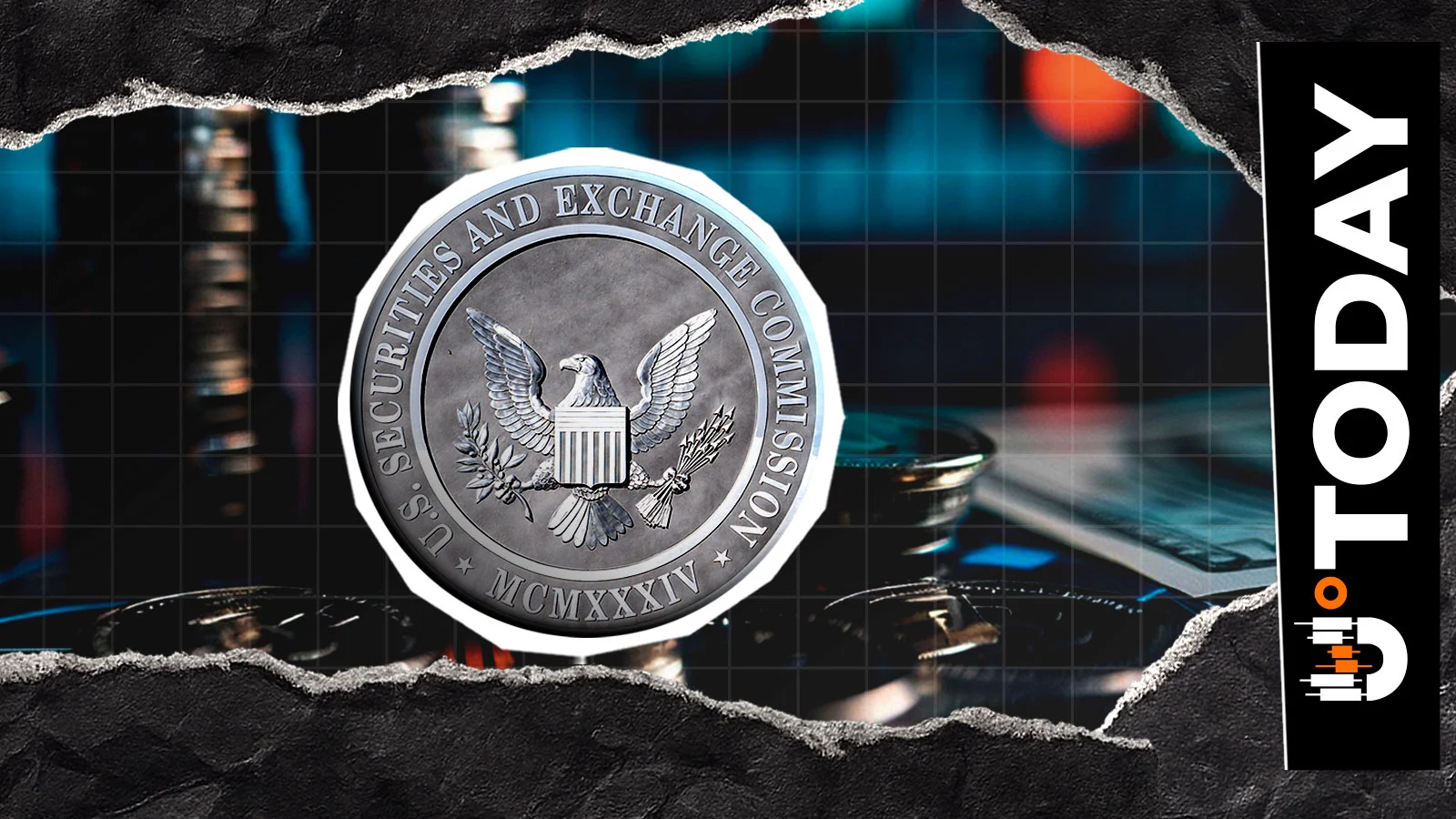
The SEC and CFTC have jointly classified 16 cryptocurrencies, including XRP, SHIB, DOGE, and ADA, as digital commodities rather than securities, providing significant regulatory clarity for the market. This reclassification by US regulators is a major development that could reduce legal uncertainty for these assets and potentially encourage broader institutional adoption and investor confidence. The explicit naming of these assets as non-securities by the SEC and CFTC is a positive signal for projects previously facing regulatory ambiguity, potentially impacting their market perception and trading dynamics.

Mastercard's acquisition of BVNK for up to $1.8 billion signals a strategic shift by legacy payment giants to integrate stablecoin infrastructure, aiming to capture value in the growing digital payments sector. The move by Mastercard, alongside Visa's ongoing stablecoin initiatives, indicates that traditional finance is actively acquiring key blockchain middleware rather than waiting for it to mature independently, potentially altering the competitive landscape. This development suggests that the primary value capture in the stablecoin ecosystem may shift towards infrastructure and distribution layers controlled by incumbents, rather than solely the token or protocol layer. The increasing regulatory clarity, exemplified by the GENIUS Act, is accelerating the integration of stablecoins into mainstream financial systems, making acquisitions like BVNK a strategic imperative for established players.
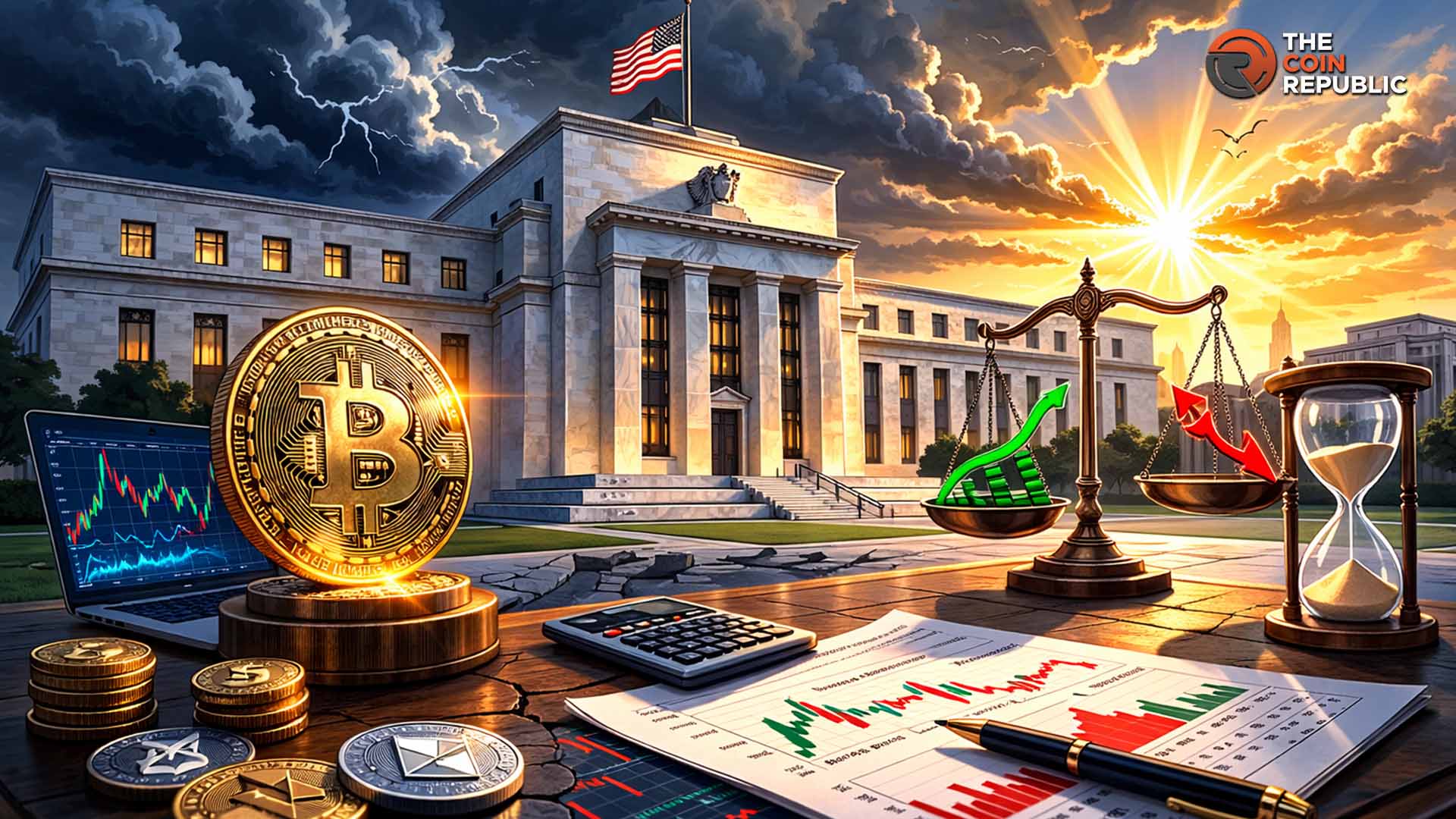
The crypto market is experiencing sideways action due to anticipation of key macroeconomic data releases, specifically the Federal Reserve's rate decision and U.S. PPI figures. A hawkish pause or higher-than-expected PPI data could negatively impact risk assets like Bitcoin by strengthening inflation fears and delaying potential Fed rate cuts. Conversely, a lighter or in-line PPI print could provide relief, potentially leading traders to favor risk assets in anticipation of future Fed easing.

The SEC and CFTC's joint MOU and XRP's classification as a digital commodity removes significant regulatory uncertainty, potentially unlocking institutional capital and clearing a path for new financial products. XRP's flip of BNB for the #4 market cap position, coupled with renewed ETF inflows, signals a strong shift in market sentiment and capital allocation towards the asset following the regulatory clarity. The regulatory decision to classify XRP as a commodity, alongside Bitcoin and Ethereum, suggests a broader shift in how established cryptocurrencies are viewed by regulators, potentially impacting other assets. Improved technical indicators, including a bullish MACD crossover and RSI in positive territory, combined with the fundamental catalyst, suggest potential for further upside if key resistance levels are breached.

Consistent Bitcoin ETF inflows of $199.4 million signal renewed institutional accumulation, reinforcing the current rally's durability above the $70,000 threshold. Ethereum ETFs saw significant inflows ($138.2 million), but selective demand concentrated in specific products like BlackRock's suggests a nuanced institutional approach to altcoin exposure. The $17.8 million inflow into Solana ETFs and positive XRP ETF flows indicate a gradual broadening of institutional interest beyond the top two assets, hinting at potential rotation into higher-beta altcoins. While institutional demand is rebuilding, the neutral sentiment and balanced Altcoin Season Index suggest a mid-cycle environment where capital is rotating cautiously, not yet entering a speculative altcoin-driven phase.

The SEC and CFTC's joint guidance on crypto asset classification, while intended to reduce regulatory uncertainty, has not yet provided enough momentum for Bitcoin to break through the $75,000 resistance level. Despite the clarity provided by the new guidance, Bitcoin's inability to sustain a move above $75,000 suggests that other market factors, such as the upcoming Federal Reserve interest rate decision, are currently overshadowing regulatory developments. The classification of crypto tokens into five categories aims to create a more predictable regulatory environment, potentially supporting institutional adoption and innovation, but immediate price action indicates a cautious market response.
Kohl's is halting store closures despite a sales decline, shifting strategy to optimize existing locations and improve performance, indicating a focus on operational efficiency over physical expansion. While profitability has improved due to cost controls and inventory management, the continued drop in customer traffic and net sales presents a significant challenge to Kohl's turnaround efforts and future growth prospects. Analysts remain skeptical of Kohl's recovery, citing persistent sales weakness and a projected flat to declining sales outlook for the upcoming year, suggesting a cautious approach for investors.

Mastercard's $1.8 billion acquisition of BVNK signifies a major institutional embrace of stablecoin infrastructure, integrating on-chain payments into its vast card network. The deal positions Mastercard to compete directly with crypto exchanges and fintechs in the rapidly growing digital currency payments market, estimated at over $350 billion. This strategic move by Mastercard validates stablecoins as a core component of future financial services, potentially accelerating cross-border remittances and business payments. The acquisition provides a compliant on-chain payment rail for banks and crypto firms, bridging traditional finance with Web3 assets and enhancing interoperability.
The NCLT's approval of Adani Enterprises' ₹14,535 crore resolution plan for Jaiprakash Associates Limited (JAL) is a significant development, directly impacting JP Power's stock performance. Adani's acquisition of JAL, which includes a 24% stake in JP Power, is expected to bring improved management and financial backing, potentially leading to expansion and easier access to capital for JP Power. The approved resolution plan includes the delisting of JAL's securities from stock exchanges, a key event that investors should monitor for its implications on liquidity and trading.

Dogecoin's recent surge above $0.10, while psychologically appealing, is unlikely to signal a sustained rally due to repeated failures to hold this level and its position below the critical 50 EMA resistance. The 50 EMA remains the primary technical barrier for DOGE, and reclaiming it is necessary to indicate a potential trend reversal, suggesting that current price action above $0.10 is more consolidation than a confirmed bullish shift. True historical resistance at $0.11 presents the next significant hurdle for Dogecoin; failure to break this level would reinforce the existing downtrend pattern of lower highs, limiting the impact of the recent price move.

US spot Bitcoin ETFs have extended their inflow streak to seven consecutive days, totaling approximately $1.2 billion, indicating sustained institutional interest despite falling short of previous record streaks. While Bitcoin ETFs show a positive inflow trend, overall year-to-date flows remain negative, suggesting a cautious market sentiment that requires further sustained inflows to reverse the trend. Altcoin ETFs, particularly for ETH and SOL, are also experiencing renewed inflows, with XRP ETFs seeing their first positive day after a significant losing streak, signaling a potential broadening of institutional appetite beyond Bitcoin. Despite recent inflows, Ether ETFs continue to face substantial year-to-date outflows, highlighting a divergence in institutional preference between Bitcoin and Ether products.
Signal context only. Validate with price action, liquidity, and risk limits before taking a position.
