
Navigating Crypto News

CoinFeather
Navigating Crypto News

Quick market read from this story
Jiuzi's planned 10,000 BTC acquisition via equity swap signals a growing trend of non-crypto native companies diversifying treasuries, potentially influencing institutional adoption narratives.
The 78% surge in Jiuzi's stock price highlights immediate market reaction to corporate Bitcoin treasury strategies, suggesting a positive sentiment towards companies integrating digital assets.
If the deal completes, Jiuzi's position among the top 15 Bitcoin-holding public companies could normalize Bitcoin as a corporate reserve asset, impacting broader market perception.
The strategic shift of Jiuzi from an EV firm to a 'digital asset treasury powerhouse' indicates a potential new playbook for companies seeking hedges against market volatility.
Deep Dive
Chinese electric vehicle manufacturer Jiuzi Holdings (NASDAQ: JZXN) has announced a significant strategic move to acquire 10,000 Bitcoin (BTC) through an equity-for-Bitcoin deal with a digital asset whale. This transaction, valued at approximately $1 billion, involves no cash exchange, only Jiuzi shares for the cryptocurrency. The announcement has already impacted Jiuzi's stock, which soared 78% following the news.
Following the announcement on Wednesday, Jiuzi's stock price surged from $0.8 to $1.43. While it has since traded between $1.18 and $1.5, closing at $1.31 on March 5, the valuation has increased to $1.82 million from a previous market cap near $1 million. Technical analysis suggests a potential for further price increases, with a bull flag pattern observed on the stock chart.
If the deal is finalized, Jiuzi would become one of the top 15 public companies holding Bitcoin, surpassing entities like Trump Media & Technology Group Corp and GameStop Corp, according to BitcoinTreasuries.net. This strategy positions Jiuzi among a growing number of corporations adopting Bitcoin as a treasury asset, viewing it as a hedge against market volatility and a potential long-term growth driver. The company's prior funding rounds, including a $300 million private placement and partnerships for yields, indicate a broader shift towards digital asset integration.
The move by Jiuzi is seen as a significant development, blending the electric vehicle sector with digital assets and potentially attracting more capital to similar Nasdaq-listed firms. It reinforces the trend of corporations adding Bitcoin to their balance sheets, especially as Bitcoin prices have recently topped $71,000. However, potential challenges include China's stringent regulatory environment concerning cryptocurrencies and the inherent volatility of Bitcoin, which could pose risks for traditional companies integrating it into their financial strategies.
Source, catalyst, and sector overlap from the latest feed.
Kazakhstan's central bank plans to allocate $350 million into cryptocurrencies and related companies, signaling a significant governmental embrace of digital assets and potentially influencing market sentiment towards broader institutional adoption. The planned investment, potentially funded by gold and FX reserves, suggests a strategic diversification by the central bank, indicating a belief in the long-term value and integration potential of digital assets within traditional financial systems. New regulations and licensing for crypto exchanges are being introduced, aiming to legitimize trading and combat illicit activities, which could foster a more secure environment for both domestic and international participants in Kazakhstan's crypto market.
Culper Research has initiated a short position on ETH, citing concerns that the Fusaka upgrade has weakened its tokenomics and could lead to increased supply. Ethereum proponents counter that the upgrade successfully reduced transaction fees, while ETH burn rates remain higher than inflation, and L2 activity is robust. Recent outflows from U.S. spot Ethereum ETFs suggest a degree of institutional caution, potentially reinforcing bearish sentiment despite ongoing network development. The debate between Culper Research and Ethereum supporters highlights key metrics like transaction fees, ETH burn, L2 growth, and ETF flows as crucial indicators for future price action.
Dubai's VARA has ordered KuCoin to cease all operations within the emirate due to unlicensed activity, signaling increased regulatory enforcement in the region. KuCoin faces a dual regulatory challenge, with Dubai's action following an earlier restriction in Austria over AML compliance issues, highlighting broader operational risks for exchanges. The crackdown on KuCoin by VARA underscores Dubai's commitment to strengthening its crypto regulatory framework, potentially impacting other exchanges operating without proper licensing. While KuCoin faces regulatory hurdles, VARA's ongoing work on approving projects like diamond tokenization with Ripple indicates a parallel effort to foster regulated innovation.
Despite recent $90M outflows from US spot Ethereum ETFs indicating institutional caution, Ethereum's price remains above key support levels, suggesting underlying resilience. A significant surge in Ethereum's validator entry queue to 3.4M ETH highlights increased network demand for staking, potentially signaling a shift towards long-term holding despite short-term ETF outflows. Ethereum's price action shows mixed signals with a neutral RSI but strong upward momentum indicators, suggesting a potential test of the $2,200 resistance level, which could lead to further upside if broken. The interplay between institutional outflows from ETFs and growing staking demand presents a complex market dynamic for ETH, requiring traders to monitor both sentiment shifts and on-chain fundamentals.
A US judge is overseeing a settlement conference for potential refunds of $175 billion in Trump-era tariffs ruled unconstitutional, which could inject significant liquidity into the economy. The potential injection of liquidity from tariff refunds may lead to increased capital flow into risk assets like Bitcoin and Ethereum as investors have more funds to deploy. The complexity of processing refunds for over 300,000 importers and 79 million shipments highlights potential logistical challenges and the need for efficient mechanisms, impacting broader economic sentiment.
Kazakhstan's central bank plans to invest up to $350 million in crypto-related assets, diversifying its foreign exchange reserves and signaling a potential shift towards digital finance integration. The investment strategy focuses on associated firms and financial products rather than direct cryptocurrency holdings, suggesting a cautious approach to digital asset exposure. This move by a national central bank, while a small fraction of its total reserves, indicates growing institutional interest in exploring the digital asset ecosystem beyond traditional financial instruments.
Bitcoin's breach of $73,500 signals accelerating recovery and potential altcoin rotation, impacting market sentiment and positioning. The article promotes Pepeto's presale as a superior investment opportunity compared to Cardano's price prediction, highlighting its exchange infrastructure and high staking rewards. While Cardano (ADA) and Ethereum (ETH) show price recovery, their large market caps limit near-term upside potential compared to early-stage presale projects like Pepeto. The narrative suggests that traders focusing on Cardano's price prediction are missing out on the potentially higher, faster returns offered by Pepeto's presale and upcoming listing.
Marvell Technology's significant stock surge of 18% is driven by robust AI data center demand, signaling strong growth potential in the semiconductor sector tied to AI infrastructure. The company's Q4 revenue beat expectations with a 22% year-over-year increase, primarily from its data center segment which grew 21% YoY, highlighting Marvell's critical role in AI hardware supply chains. Marvell's optimistic revenue forecast of nearly $11 billion for fiscal year 2026, driven by over 30% projected growth, indicates sustained high demand for networking and connectivity solutions in AI-driven data centers. The strong performance and positive outlook suggest Marvell is a key beneficiary of the ongoing AI spending boom, potentially offering investors a compelling growth opportunity in the semiconductor space.
Kazakhstan's central bank is allocating up to $350 million from national reserves into crypto-linked assets, signaling a growing institutional acceptance of digital assets beyond direct holdings. The investment strategy focuses on indirect exposure through ETFs, tech stocks, and hedge funds, indicating a risk-averse approach to entering the crypto market. This move by a Central Asian sovereign institution represents a significant step towards digital asset integration, potentially influencing other regional financial bodies. The parallel development of a separate national crypto reserve of up to $1 billion, funded by seized assets and mining taxes, highlights Kazakhstan's comprehensive strategy for crypto engagement.
BlockDAG's record-breaking public launch and immediate top 100 CoinMarketCap ranking, coupled with anticipated major US exchange listings, suggest significant near-term upside potential, positioning it as a leading speculative opportunity. Solana and Ethereum show resilience despite recent price drops, with strong underlying fundamentals like increased fund inflows for SOL and record-low exchange balances for ETH, indicating potential for recovery and accumulation by long-term holders. Litecoin's current discount to its all-time high and upcoming 2027 halving event present a long-term accumulation opportunity, while Hyperliquid's recent surge in trading volume and network activity highlight its growing utility in derivatives trading.
Ethereum is showing early signs of a structural recovery with stabilization above $1,900 and increased trading volume, suggesting potential for a rebound if key resistance levels are reclaimed. Bitcoin is struggling to establish firm support above $70,000, indicating market discomfort with the current price level despite a recent breakout from consolidation. Shiba Inu has entered a neutral consolidation phase with declining volatility, lacking the speculative capital inflows needed for a significant recovery and remaining under midterm bearish averages. The overall market sentiment is cautiously optimistic for Ethereum and Bitcoin, but Shiba Inu's lack of fundamental catalysts points to continued sideways movement or potential further downside.
Historical data indicates that holding Bitcoin for at least three years significantly mitigates the risk of losses, turning even near-peak entries into profitable positions. Entries near bear market lows have historically yielded substantial returns, exceeding 1000% in some three-year periods, highlighting the importance of strategic accumulation. On-chain valuation metrics, particularly realized price bands, serve as reliable indicators for identifying long-term accumulation zones and potential cycle bottoms. Incorporating Bitcoin into traditional portfolios, even with a small allocation, has historically enhanced cumulative and risk-adjusted returns across various holding periods.
Live Feed
Loading the broader stream in the same flow as the homepage feed.

Significant inflows of over 157 billion SHIB tokens to exchanges indicate a strong increase in selling pressure, potentially ending any short-term rally expectations. The substantial exchange inflow suggests that holders are preparing to sell, which typically precedes further price declines and reinforces bearish sentiment for SHIB. With SHIB trading below key moving averages and indicators sloping downward, any recovery attempts are likely to face strong resistance, limiting upside potential in the near term. The current market dynamics, characterized by increased supply pressure and cautious volume, suggest that SHIB may continue to test lower support levels until a more robust demand emerges.

Crypto executive Austin Campbell argues that community banks and the crypto industry should ally on the CLARITY Act, as a failure to do so benefits only large banks. The narrative suggests that major banks are manipulating the debate to prevent competition and maintain their market dominance, potentially at the expense of consumers and smaller financial institutions. Former President Donald Trump has publicly supported the passage of crypto market structure legislation, criticizing large banks for lobbying against it and emphasizing the need to advance the "Crypto Agenda.". The debate highlights a potential conflict between established banking interests and the growing stablecoin ecosystem, with implications for deposit flows and financial regulation.
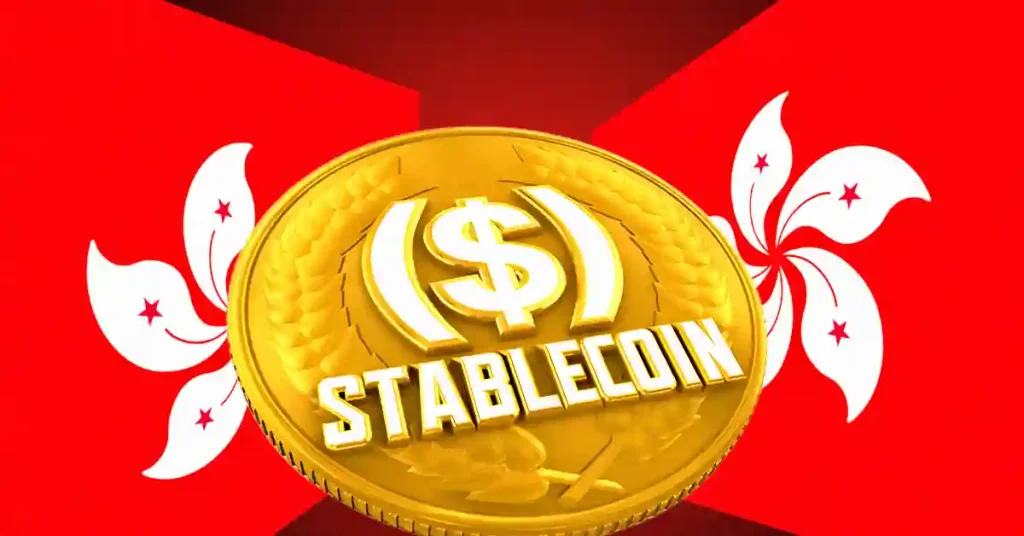
Florida's Senate has passed a comprehensive stablecoin regulation bill (Bill 314), establishing a clear framework that classifies stablecoins as money transmission services and mandates operational licenses, KYC, and 1:1 reserves for issuers. This legislation, borrowing from the GENIUS Act, aims for federal compliance and positions Florida as a leader in defining stablecoin operational standards within the US, potentially influencing future national regulations. The bill's clarification that stablecoins are not securities, coupled with requirements for issuers to act as Money Services Businesses, signals a move towards greater institutionalization and regulatory oversight for stablecoins. While the bill addresses issuer requirements, it defers the contentious issue of stablecoin yield farming to federal law, indicating ongoing debate and uncertainty surrounding interest-bearing stablecoin products.
BlockDAG's successful $452 million presale and simultaneous multi-exchange launch on Coinstore, LBank, and BitMart indicate strong community backing and liquidity, positioning it for a potential $1.2B market cap and top-50 ranking. Market maker projections suggesting prices could reach $0.20-$0.50 signal immediate demand and professional interest, potentially driving rapid market cap expansion in the short term. The project's strategy of leveraging a large global community and securing multiple exchange listings from the outset aims to accelerate liquidity and market visibility, crucial for sustained growth beyond its initial launch phase. While the article highlights potential upside, the inherent volatility of crypto markets means that achieving the $1.2B valuation is contingent on continued market participation and community engagement, making it a key development to watch.

AI is augmenting, not replacing, high-skill tech roles like software engineers and designers, shifting value towards direction, judgment, and oversight rather than pure execution. The crypto industry can leverage AI for faster coding, document review, and task automation, but will still require human expertise for security, product integrity, and operational risk management. While AI adoption is increasing productivity and changing the job mix, the primary risk appears to be a shrinking entry-level talent pipeline rather than immediate mass layoffs in skilled tech sectors. Companies may see short-term economic gains from AI-driven efficiency, but face a medium-term risk of a thinner talent pool if junior roles are absorbed by AI-assisted workflows.

Short-term Bitcoin holders are exhibiting significant selling pressure, offloading over 27,000 BTC in profit, which historically signals an impending capitulation phase. The formation of a Bitcoin 'death cross' (50-day MA below 200-day MA) reinforces bearish momentum, with past occurrences leading to substantial market drawdowns. Recent Bitcoin spot ETF outflows and institutional liquidity concerns, coupled with broader macroeconomic pressures, suggest a heightened risk-off sentiment impacting BTC's price trajectory. While Bitcoin faces immediate downside risk towards $65K if key support fails, market participants are also awaiting the Federal Reserve's policy announcement for further directional cues.
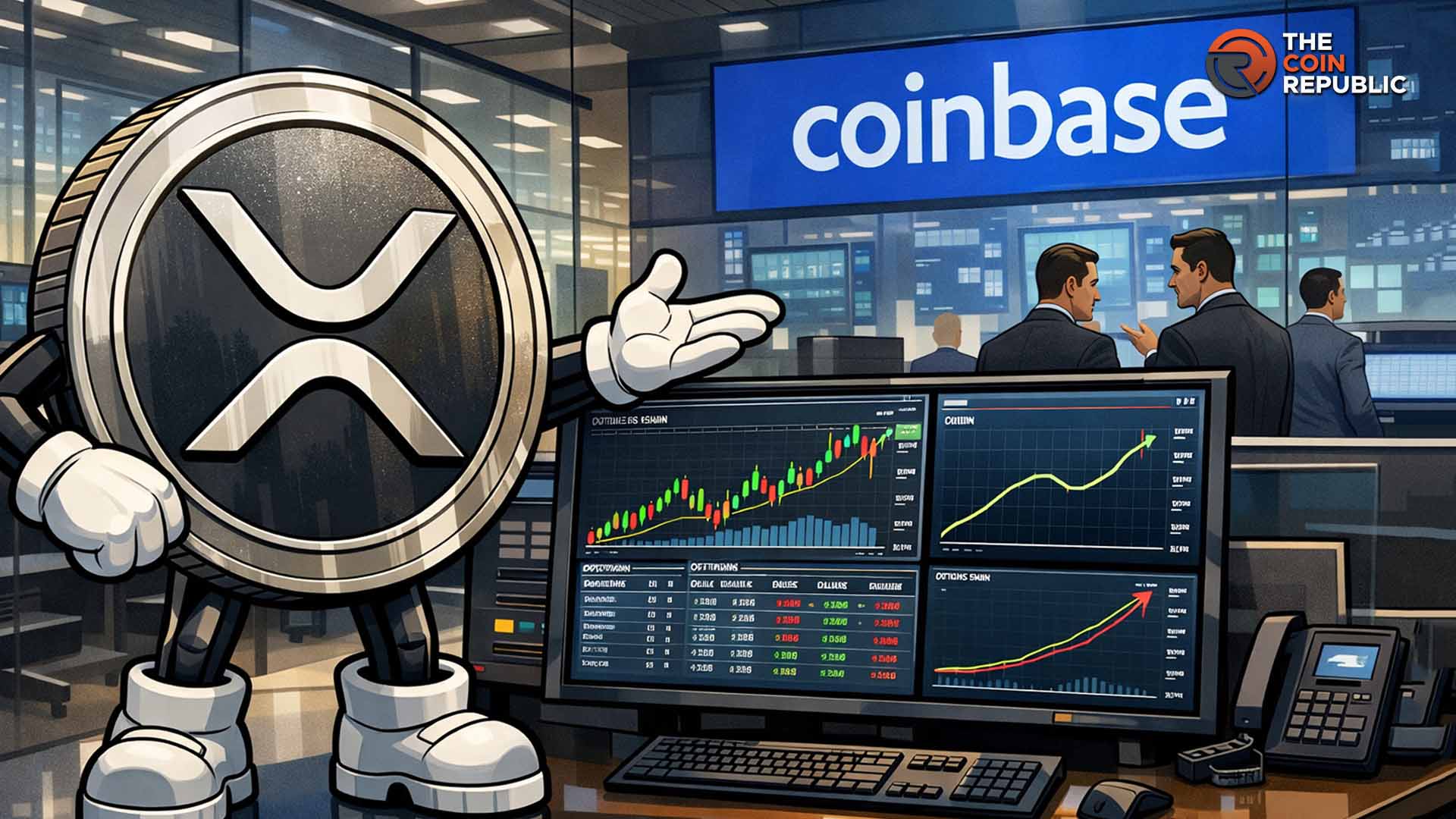
Key Insights: Ripple Prime has partnered with Coinbase to expand institutional access to crypto derivatives trading. The agreement allows the former firm’s clients to trade a range of derivatives contracts available on the Coinbase platform. The move expands the firm’s brokerage services as the firm continues to broaden its market infrastructure for institutional clients. Ripple […] The post Ripple Prime Teams With Coinbase to Expand Institutional Crypto Derivatives Access appeared first on The Coin Republic.

Kalshi faces a class action lawsuit alleging deceptive practices in resolving a prediction market tied to the Iranian leader's potential ousting, impacting user trust and potentially setting precedents for prediction market dispute resolution. The lawsuit centers on Kalshi's use of a 'death carveout' provision, which resolved the market based on the last traded price rather than a 'yes' outcome upon the leader's death, leading plaintiffs to claim they were denied expected payouts. Despite the lawsuit, Kalshi's CEO maintains the platform followed its rules and prevented profiting from death, while also noting that no trader lost money due to fee reimbursements, suggesting a nuanced market resolution rather than a direct financial loss for all participants. The legal challenge against Kalshi, a platform that recently raised funds at a significant valuation, highlights the evolving regulatory and legal landscape for prediction markets as they gain traction and volume.

BlockDAG's debut on multiple global exchanges, supported by market maker projections of $0.20 to $0.50, signals strong initial market confidence and potential for significant price discovery. The project's substantial presale success ($452 million raised) and large international community provide a robust foundation for its open-market trading debut, potentially leading to stronger early liquidity. The simultaneous listing across Coinstore, LBank, BitMart, and Direct Swap aims to maximize initial liquidity and accessibility, a strategic move for a new asset entering price discovery. Market maker price expectations are based on presale scale, community size, and exchange listings, suggesting a potential mid-cap valuation if optimistic targets are met.

The arrest of a contractor's son for allegedly stealing $46M in crypto from U.S. government seizure wallets highlights significant security vulnerabilities in federal digital asset custody protocols. The incident, exposed by a blockchain investigator rather than internal controls, suggests a critical need for enhanced oversight and auditing of government contractors handling seized cryptocurrencies. While Bitcoin and Ethereum prices showed no immediate reaction, the event is likely to trigger policy reviews and potentially stricter regulations for government crypto seizure and storage practices. The reliance on a third-party investigator to uncover the theft underscores a potential systemic weakness in federal agencies' ability to safeguard high-value digital assets.

Florida's Senate passage of SB 314 establishes a local stablecoin framework, integrating them into existing AML laws and potentially paving the way for state-level adoption and payment utilization. Governor Ron DeSantis is expected to review the bill, and his approval would position Florida as a key state for stablecoin regulation, potentially influencing other jurisdictions. The legislation defines stablecoins as 'monetary value' and allows the state to accept them for payments, signaling a move towards practical integration of digital assets into state financial operations.
Signal context only. Validate with price action, liquidity, and risk limits before taking a position.
