
Navigating Crypto News

CoinFeather
Navigating Crypto News
Quick market read from this story
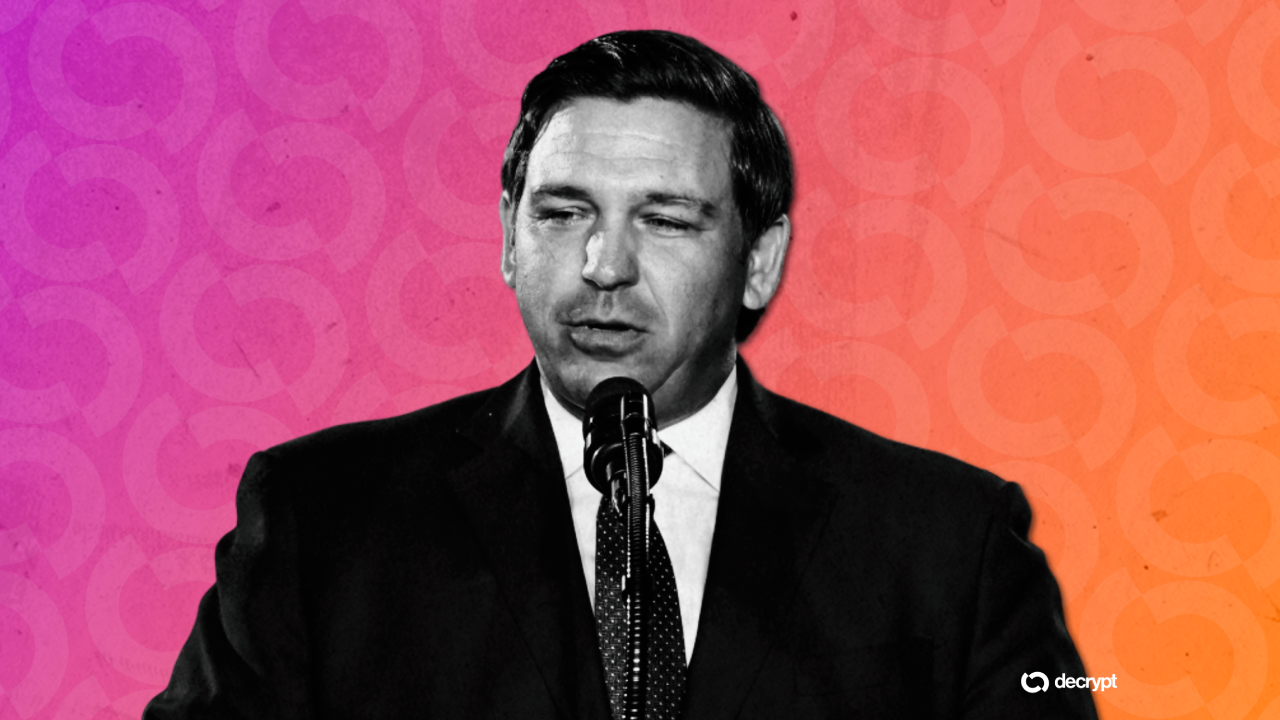
Florida's Senate passage of SB 314 establishes a local stablecoin framework, integrating them into existing AML laws and potentially paving the way for state-level adoption and payment utilization.
Governor Ron DeSantis is expected to review the bill, and his approval would position Florida as a key state for stablecoin regulation, potentially influencing other jurisdictions.
The legislation defines stablecoins as 'monetary value' and allows the state to accept them for payments, signaling a move towards practical integration of digital assets into state financial operations.
Deep Dive
The Florida State Senate has unanimously passed Senate Bill 314, a significant piece of legislation that positions the state to implement local regulations for stablecoins. This move follows similar efforts in other U.S. states and aims to integrate stablecoins into Florida's existing financial frameworks.
The bill, which passed on Friday, classifies stablecoins as a form of "monetary value", thereby folding them into Florida's anti-money laundering laws. Florida Governor Ron DeSantis, described as a crypto advocate, is expected to review the legislation once it is formally delivered to his desk. A spokesperson confirmed that the governor will examine the bill in its final form.
Senate Bill 314 authorizes the Florida Department of Financial Services to accept approved stablecoins for various state payments, including licenses and taxes. Furthermore, the legislation includes a pilot program to explore how the government itself could utilize stablecoins.
According to Florida State Senator Colleen Burton, the bill is designed to align state oversight with federal guidelines, referencing the GENIUS Act framework for stablecoins passed last year. The legislation designates Florida's Office of Financial Regulation as the primary regulator for payment systems employing stablecoins.
The framework established by the bill largely mirrors regulations for traditional financial transactions. It mandates that businesses dealing with stablecoin transactions exceeding $10,000 maintain transaction records, a requirement already in place for other digital assets classified as "virtual currencies." This legislative step by Florida builds upon precedents set by other states, such as Texas, which recognized stablecoins as "monetary value" for money transmission rules in 2019.
Source, catalyst, and sector overlap from the latest feed.
Kalshi faces a class action lawsuit alleging deceptive practices in resolving a prediction market tied to the Iranian leader's potential ousting, impacting user trust and potentially setting precedents for prediction market dispute resolution. The lawsuit centers on Kalshi's use of a 'death carveout' provision, which resolved the market based on the last traded price rather than a 'yes' outcome upon the leader's death, leading plaintiffs to claim they were denied expected payouts. Despite the lawsuit, Kalshi's CEO maintains the platform followed its rules and prevented profiting from death, while also noting that no trader lost money due to fee reimbursements, suggesting a nuanced market resolution rather than a direct financial loss for all participants. The legal challenge against Kalshi, a platform that recently raised funds at a significant valuation, highlights the evolving regulatory and legal landscape for prediction markets as they gain traction and volume.
Grammarly's new AI feature, 'Expert Review,' faces criticism for using deceased scholars' identities without explicit consent, raising ethical concerns about AI's use of personal data and intellectual property. The controversy highlights potential regulatory and trust issues for AI tools that mimic individuals, particularly in academic and professional contexts, potentially impacting user adoption and developer reputation. While Grammarly states the AI is inspired by published works and does not claim direct endorsement, the lack of consent and the 'morbid' nature of the feature could deter users and prompt scrutiny from ethicists and legal bodies.
Binance has formally denied allegations of facilitating $1.7 billion in Iran sanctions violations, directly refuting recent media reports and a subsequent Senate probe. The exchange emphasized its robust compliance investments and internal investigation processes, including the offboarding of implicated accounts, to counter the claims. Despite the denial, the ongoing scrutiny from US Senator Blumenthal and Binance's prior guilty plea to sanctions violations in 2023 highlight persistent regulatory risks for the exchange.
A former CFO's conviction and sentencing for defrauding his company by investing $35 million in a DeFi platform highlights the significant risks associated with unapproved crypto ventures. The substantial loss of company funds, directly linked to the Terra collapse, underscores the volatility and potential for catastrophic failure in certain DeFi investments, impacting not only the individual but also the employer and its employees. This case serves as a cautionary tale for corporate governance and internal controls, emphasizing the need for strict oversight of financial activities, especially when involving high-risk digital assets.
Kazakhstan's central bank plans to invest up to $350 million in crypto-related assets, diversifying its foreign exchange reserves and signaling a potential shift towards digital finance integration. The investment strategy focuses on associated firms and financial products rather than direct cryptocurrency holdings, suggesting a cautious approach to digital asset exposure. This move by a national central bank, while a small fraction of its total reserves, indicates growing institutional interest in exploring the digital asset ecosystem beyond traditional financial instruments.
Dubai's VARA has ordered KuCoin to cease all operations within the emirate due to unlicensed activity, signaling increased regulatory enforcement in the region. KuCoin faces a dual regulatory challenge, with Dubai's action following an earlier restriction in Austria over AML compliance issues, highlighting broader operational risks for exchanges. The crackdown on KuCoin by VARA underscores Dubai's commitment to strengthening its crypto regulatory framework, potentially impacting other exchanges operating without proper licensing. While KuCoin faces regulatory hurdles, VARA's ongoing work on approving projects like diamond tokenization with Ripple indicates a parallel effort to foster regulated innovation.
A US judge is overseeing a settlement conference for potential refunds of $175 billion in Trump-era tariffs ruled unconstitutional, which could inject significant liquidity into the economy. The potential injection of liquidity from tariff refunds may lead to increased capital flow into risk assets like Bitcoin and Ethereum as investors have more funds to deploy. The complexity of processing refunds for over 300,000 importers and 79 million shipments highlights potential logistical challenges and the need for efficient mechanisms, impacting broader economic sentiment.
The arrest of a contractor's son for allegedly stealing $46M in crypto from U.S. government seizure wallets highlights significant security vulnerabilities in federal digital asset custody protocols. The incident, exposed by a blockchain investigator rather than internal controls, suggests a critical need for enhanced oversight and auditing of government contractors handling seized cryptocurrencies. While Bitcoin and Ethereum prices showed no immediate reaction, the event is likely to trigger policy reviews and potentially stricter regulations for government crypto seizure and storage practices. The reliance on a third-party investigator to uncover the theft underscores a potential systemic weakness in federal agencies' ability to safeguard high-value digital assets.
A former CFO's conviction for diverting $35 million to DeFi investments highlights the inherent risks and regulatory scrutiny surrounding decentralized finance, potentially impacting investor confidence in the sector. The loss of the entire $35 million due to market downturn and DeFi yield failures underscores the speculative nature and volatility of high-yield DeFi protocols, serving as a cautionary tale for asset managers. This regulatory action against Nevin Shetty, involving wire fraud and a prison sentence, reinforces the ongoing enforcement landscape for financial misconduct within the crypto space, signaling increased risk for illicit activities.
Senator Warren's call for anti-corruption provisions in crypto legislation, referencing the Justin Sun settlement, signals increased regulatory scrutiny on the intersection of crypto and political influence. The ongoing debate around the crypto market structure bill, with differing views from lawmakers and industry participants, suggests potential legislative hurdles and uncertainty for the sector. The SEC's settlement with Justin Sun, while resolving an unrelated case, has become a focal point for broader discussions on crypto regulation and potential conflicts of interest.
Crypto donations surged 66% year-over-year to exceed $100 million in 2025, indicating growing adoption of digital assets for charitable giving. Ripple's RLUSD stablecoin is now the second most donated digital asset, and XRP ranks seventh, highlighting their significant use in philanthropic activities and potential for increased utility beyond trading. The projected $20 trillion in charitable donations from wealth transfers to younger generations presents a substantial opportunity for crypto-native fundraising, potentially driving further adoption and demand for digital assets.
Illicit crypto transaction volume surged 162% to $154 billion in 2025, driven by sanctions evasion and sophisticated criminal operations, indicating a growing systemic risk to market integrity. The shift towards stablecoins (84% of illicit volume) and state-sponsored financial infrastructure highlights a maturing threat landscape that requires enhanced regulatory and exchange oversight. While DeFi hack losses remained contained, the rise in phishing and physical coercion attacks, coupled with faster fund movement, compresses response windows for compliance and law enforcement. The absolute growth in illicit activity, despite remaining under 1% of total volume, suggests a need to re-evaluate risk perception beyond percentage-based metrics.
Pakistan's parliament has passed the Virtual Assets Act, 2026, establishing a formal regulatory framework and the Pakistan Virtual Assets Regulatory Authority (PVARA) to oversee the country's crypto industry. The new legislation mandates licensing, compliance, and anti-money laundering (AML) standards, signaling a significant shift towards integrating digital assets into Pakistan's financial system. This regulatory development, coupled with previous initiatives like dedicating electricity for mining and exploring stablecoin use, positions Pakistan as a potentially growing hub for digital assets in the global south.
A prolonged oil shock stemming from the US-Iran conflict could force the Federal Reserve to delay interest rate cuts, shifting Bitcoin's primary bullish catalyst from a liquidity tailwind to a liquidity stall. Sustained elevated oil prices, particularly if Brent crude reaches $100-$150, would likely lead to increased inflation impulses, forcing a 'higher-for-longer' interest rate environment that negatively impacts risk assets like Bitcoin. Beyond macro impacts, a sustained oil price surge also threatens miner economics by increasing electricity costs, potentially leading to sell pressure on Bitcoin or reduced network security. The duration of the oil conflict is critical, with week four marking an inflection point where risk premiums transform into inflation concerns and week seven potentially pushing oil prices into recessionary territory, leading to significant Bitcoin repricing.
Live Feed
Loading the broader stream in the same flow as the homepage feed.
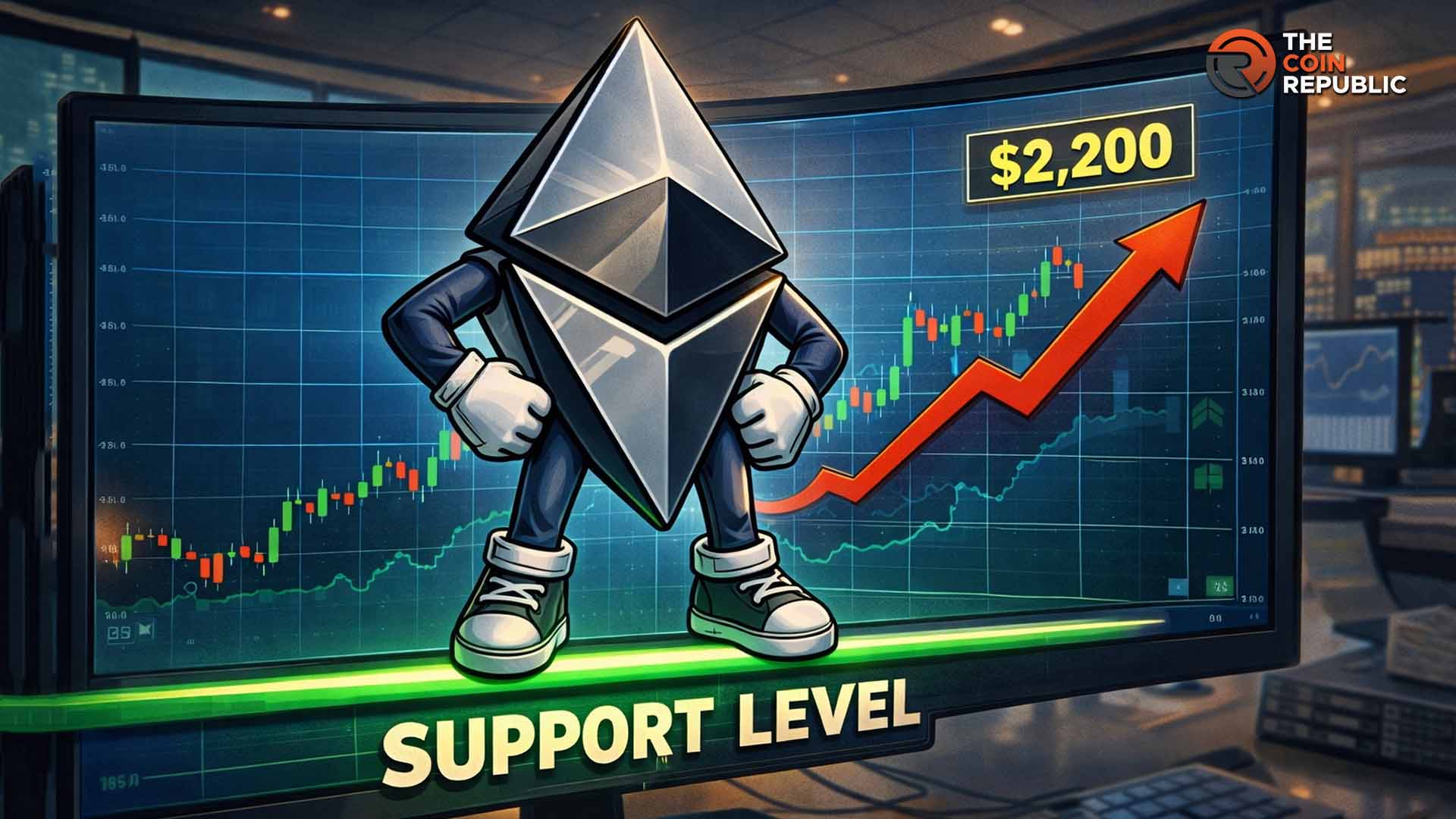
Despite recent $90M outflows from US spot Ethereum ETFs indicating institutional caution, Ethereum's price remains above key support levels, suggesting underlying resilience. A significant surge in Ethereum's validator entry queue to 3.4M ETH highlights increased network demand for staking, potentially signaling a shift towards long-term holding despite short-term ETF outflows. Ethereum's price action shows mixed signals with a neutral RSI but strong upward momentum indicators, suggesting a potential test of the $2,200 resistance level, which could lead to further upside if broken. The interplay between institutional outflows from ETFs and growing staking demand presents a complex market dynamic for ETH, requiring traders to monitor both sentiment shifts and on-chain fundamentals.

BlockDAG's successful $452 million presale and simultaneous multi-exchange launch on Coinstore, LBank, and BitMart indicate strong community backing and liquidity, positioning it for a potential $1.2B market cap and top-50 ranking. Market maker projections suggesting prices could reach $0.20-$0.50 signal immediate demand and professional interest, potentially driving rapid market cap expansion in the short term. The project's strategy of leveraging a large global community and securing multiple exchange listings from the outset aims to accelerate liquidity and market visibility, crucial for sustained growth beyond its initial launch phase. While the article highlights potential upside, the inherent volatility of crypto markets means that achieving the $1.2B valuation is contingent on continued market participation and community engagement, making it a key development to watch.
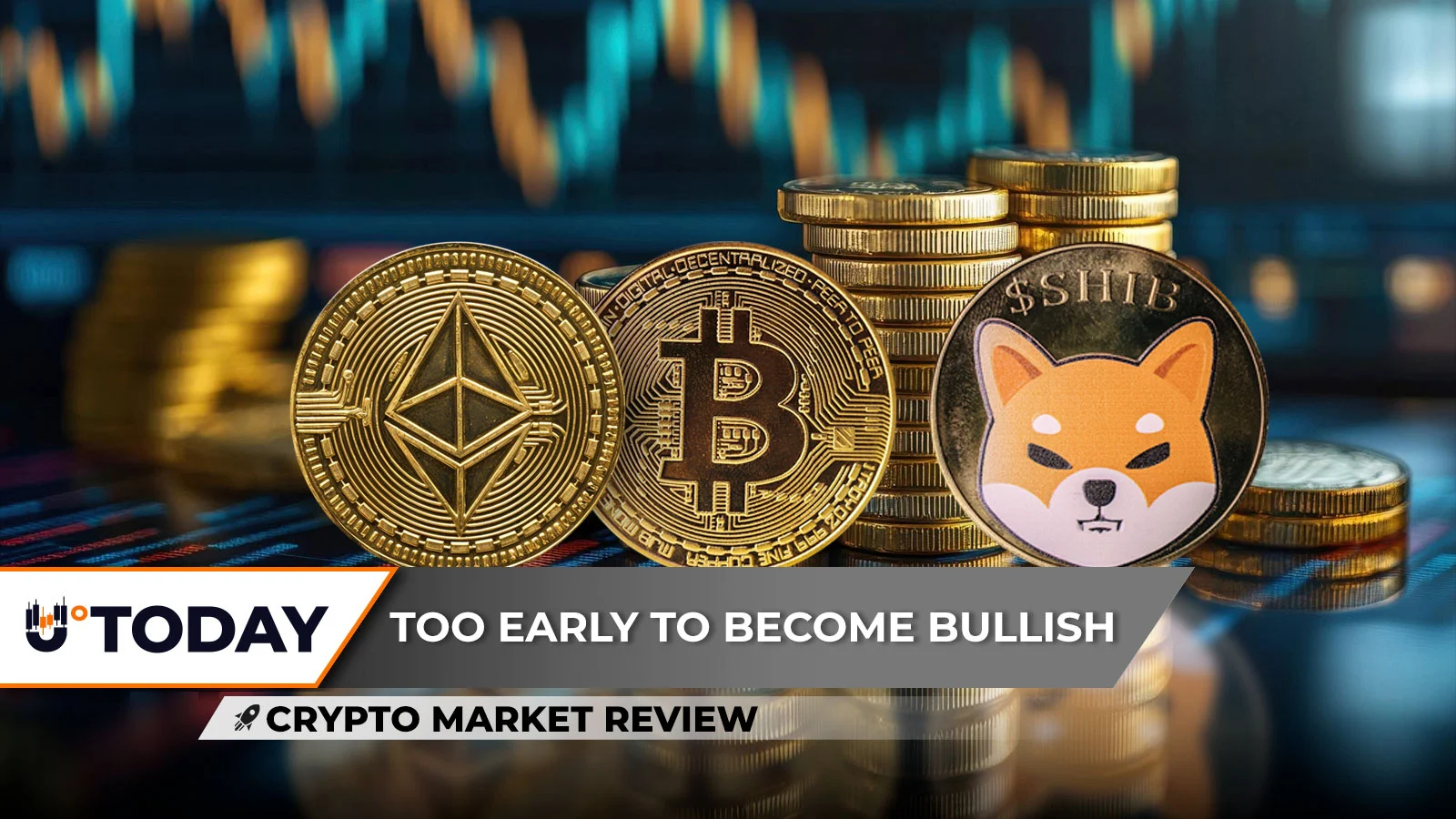
Ethereum is showing early signs of a structural recovery with stabilization above $1,900 and increased trading volume, suggesting potential for a rebound if key resistance levels are reclaimed. Bitcoin is struggling to establish firm support above $70,000, indicating market discomfort with the current price level despite a recent breakout from consolidation. Shiba Inu has entered a neutral consolidation phase with declining volatility, lacking the speculative capital inflows needed for a significant recovery and remaining under midterm bearish averages. The overall market sentiment is cautiously optimistic for Ethereum and Bitcoin, but Shiba Inu's lack of fundamental catalysts points to continued sideways movement or potential further downside.

AI is augmenting, not replacing, high-skill tech roles like software engineers and designers, shifting value towards direction, judgment, and oversight rather than pure execution. The crypto industry can leverage AI for faster coding, document review, and task automation, but will still require human expertise for security, product integrity, and operational risk management. While AI adoption is increasing productivity and changing the job mix, the primary risk appears to be a shrinking entry-level talent pipeline rather than immediate mass layoffs in skilled tech sectors. Companies may see short-term economic gains from AI-driven efficiency, but face a medium-term risk of a thinner talent pool if junior roles are absorbed by AI-assisted workflows.

Historical data indicates that holding Bitcoin for at least three years significantly mitigates the risk of losses, turning even near-peak entries into profitable positions. Entries near bear market lows have historically yielded substantial returns, exceeding 1000% in some three-year periods, highlighting the importance of strategic accumulation. On-chain valuation metrics, particularly realized price bands, serve as reliable indicators for identifying long-term accumulation zones and potential cycle bottoms. Incorporating Bitcoin into traditional portfolios, even with a small allocation, has historically enhanced cumulative and risk-adjusted returns across various holding periods.

Short-term Bitcoin holders are exhibiting significant selling pressure, offloading over 27,000 BTC in profit, which historically signals an impending capitulation phase. The formation of a Bitcoin 'death cross' (50-day MA below 200-day MA) reinforces bearish momentum, with past occurrences leading to substantial market drawdowns. Recent Bitcoin spot ETF outflows and institutional liquidity concerns, coupled with broader macroeconomic pressures, suggest a heightened risk-off sentiment impacting BTC's price trajectory. While Bitcoin faces immediate downside risk towards $65K if key support fails, market participants are also awaiting the Federal Reserve's policy announcement for further directional cues.

Key Insights: Ripple Prime has partnered with Coinbase to expand institutional access to crypto derivatives trading. The agreement allows the former firm’s clients to trade a range of derivatives contracts available on the Coinbase platform. The move expands the firm’s brokerage services as the firm continues to broaden its market infrastructure for institutional clients. Ripple […] The post Ripple Prime Teams With Coinbase to Expand Institutional Crypto Derivatives Access appeared first on The Coin Republic.

BlockDAG's debut on multiple global exchanges, supported by market maker projections of $0.20 to $0.50, signals strong initial market confidence and potential for significant price discovery. The project's substantial presale success ($452 million raised) and large international community provide a robust foundation for its open-market trading debut, potentially leading to stronger early liquidity. The simultaneous listing across Coinstore, LBank, BitMart, and Direct Swap aims to maximize initial liquidity and accessibility, a strategic move for a new asset entering price discovery. Market maker price expectations are based on presale scale, community size, and exchange listings, suggesting a potential mid-cap valuation if optimistic targets are met.
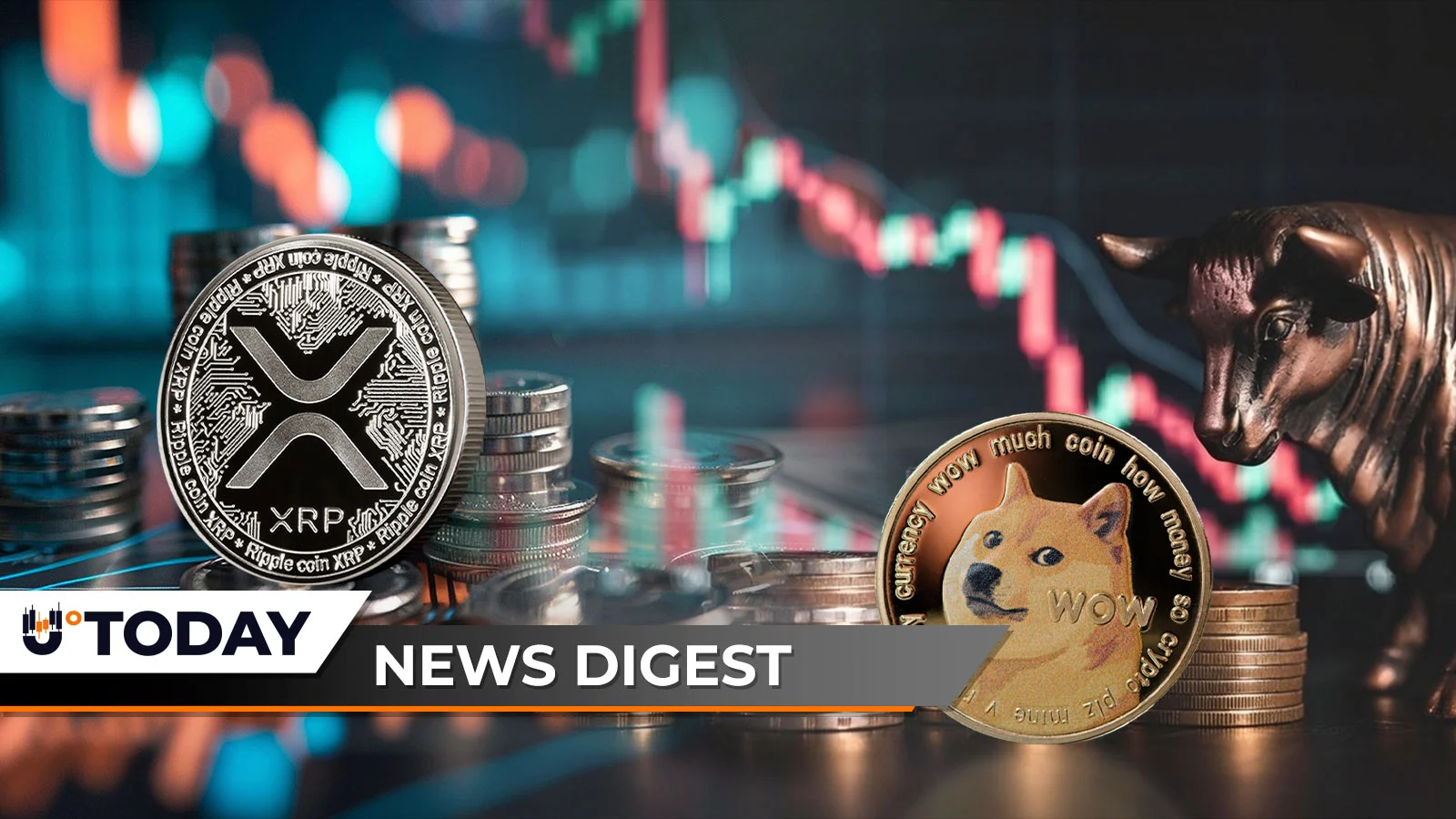
Former Ripple CTO's sentiment reflects broader market malaise, suggesting that current altcoin struggles, including XRP's, are symptomatic of a wider crypto downturn rather than project-specific issues. Shiba Inu's significant spike in futures flow, while symbolic, highlights increased speculative positioning amid rising volatility, though its underlying bearish chart structure remains intact. Dogecoin's brief 'zero removal' above $0.10 demonstrates temporary buying pressure but ultimately failed to break significant resistance, indicating continued downtrend pressure.

US banking regulators have clarified that tokenized securities will receive the same capital treatment as traditional securities, removing a significant barrier for banks. This regulatory clarity is expected to boost bank confidence and participation in the growing tokenized securities market, potentially accelerating adoption. The market for tokenized public equities has already reached $1.1 billion, indicating existing momentum that this regulatory development could further amplify. By treating tokenized assets under existing frameworks, regulators signal a supportive stance towards blockchain innovation without altering fundamental capital requirements.

US lawmakers are proposing legislation to ban prediction markets tied to military action and national security events, spurred by significant betting volumes on Iran-related outcomes, indicating a potential regulatory crackdown on specific market segments. The regulatory push highlights a divergence between regulated US exchanges like Kalshi and offshore crypto platforms like Polymarket, suggesting a possible future where controversial prediction markets are pushed offshore, mirroring trends seen in the broader crypto industry. While a blanket ban on prediction markets is unlikely due to CFTC rulemaking and industry arguments for their utility, the focus is shifting towards which types of contracts, particularly those involving war and sensitive government actions, will be tolerated, signaling a narrowing of acceptable market activities. Institutional interest, such as Intercontinental Exchange's investment in Polymarket, complicates the regulatory landscape, presenting prediction markets as a growing part of mainstream finance while simultaneously drawing scrutiny for their association with high-risk, ethically questionable events.
Shiba Inu's successful defense of the $0.00000544 support level, coupled with broader market recovery, suggests potential for a short-term upward trend. Analysts have identified $0.00000586 as the immediate resistance target, with a break above this level potentially leading to a further 15.6% climb towards $0.00000644. While short-term targets are outlined, the sustainability of any uptrend for SHIB remains contingent on continued positive momentum in the broader cryptocurrency market, particularly Bitcoin's performance.
Bitcoin's failure to sustain above $70,000 suggests the recent rally was a relief bounce, with the $68,000-$70,000 zone now critical for preventing a further decline. Several major altcoins are also showing weakness at resistance levels, indicating a broader market sentiment shift towards bearishness or consolidation. While some analysts point to historical BTC/gold ratios suggesting a potential bottom, on-chain data indicates a persistent bear market, creating divergence in outlooks. Traders should monitor key moving averages and support/resistance levels for BTC and altcoins like ETH, BNB, XRP, SOL, DOGE, ADA, BCH, HYPE, and XMR to gauge short-term directional bias.
Signal context only. Validate with price action, liquidity, and risk limits before taking a position.
