
Navigating Crypto News

CoinFeather
Navigating Crypto News
Quick market read from this story
Bitcoin is approaching a critical resistance zone between $76K-$79K, with a sustained break above this level potentially invalidating the February correction and signaling further upside.
Institutional capital appears to be rotating from gold ETFs into Bitcoin ETFs, suggesting a growing perception of Bitcoin as a store-of-value asset amidst geopolitical uncertainty.
A historically significant 100-week EMA retest signal has fired for Bitcoin above $70K, a level that has preceded major upward moves since 2014, indicating potential for a sustained rally if maintained.
The divergence in ETF flows between gold (outflows) and Bitcoin (inflows) highlights a potential structural shift in investor sentiment, favoring Bitcoin as a crisis hedge over traditional safe havens.
Deep Dive
Bitcoin is currently trading around $71,000 and is nearing a significant resistance zone between $76,000 and $79,000, a level that could dictate its price action for the coming months. This ascent is occurring alongside a notable shift in institutional investment, with capital appearing to move from gold into Bitcoin.
Data from February 27 to March 9 reveals a clear directional shift. BlackRock's Bitcoin ETF (IBIT) saw inflows of approximately 1.5% of its Assets Under Management (AUM), while the largest gold ETF, GLD, experienced outflows of about 2.7%. This trend suggests that Bitcoin is increasingly being perceived as a legitimate store-of-value asset, drawing capital away from traditional safe-haven assets like gold, which has recently pulled back from highs near $5,296 to around $5,020.
This rotation is occurring despite ongoing geopolitical tensions, a scenario where gold has historically thrived. The fact that institutional money is diverting towards Bitcoin, rather than equities or bonds, signals a maturing perception of the cryptocurrency. Broader market stress is also evident, with ETFs like LQD, HYG, and SPY showing outflows, further highlighting Bitcoin's relative strength.
Analyst Michaël van de Poppe notes that a monthly close above the $76,000-$79,000 resistance zone would negate the February correction and eliminate the possibility of new lows. He also observes stronger relative momentum in the altcoin market, which he views as constructive.
Additionally, a long-standing technical signal is being closely watched: a return to the 100-week Exponential Moving Average (EMA). This indicator has historically preceded major Bitcoin moves since 2014. According to trader Merlijn The Trader, a price above $70,000 confirms this signal, while a drop below $65,000 might indicate one more dip before sustained upside. Bitcoin's current position just above the $70,000 confirmation threshold makes this technical level critical.
The 100-week EMA signal framework suggests that if Bitcoin closes above $70,000, the buy signal is confirmed. Conversely, if it falls below $65,000, it could signal a final dip before a significant upward move.
Gold is expected to remain volatile, with key support at around $4,996. A break below this level would represent a significant psychological shift for precious metals investors. If this occurs while Bitcoin holds above $70,000 and continues to attract inflows, the rotation narrative could solidify into a sustained trend.
The immediate focus remains on Bitcoin's ability to break through the $76,000–$79,000 resistance zone. A decisive monthly close above this range could significantly alter the market narrative. Until then, Bitcoin is demonstrating resilience by holding higher lows and absorbing selling pressure, while gold's recent struggles further bolster Bitcoin's case as a preferred asset.
Source, catalyst, and sector overlap from the latest feed.
US Treasury sanctions highlight North Korea's sophisticated use of fake IT worker schemes, leveraging stolen identities and AI deepfakes to funnel approximately $800 million to its weapons programs in 2024. The report indicates a significant escalation in global illicit crypto flows, reaching a record $154–$158 billion in 2025, driven by sanctions evasion and industrialized fraud, signaling increased systemic risk. The increasing sophistication of North Korean cyber operations, including AI-driven impersonation and malware deployment, poses an evolving threat to Western companies and the broader financial system. Enforcement actions are intensifying, with secondary sanctions targeting financial institutions processing illicit transactions, suggesting a more aggressive stance against crypto-enabled illicit finance.
Bitcoin demonstrated resilience, outperforming gold and equities during geopolitical tensions, suggesting its potential as a real-time geopolitical hedge. A significant $50M DeFi swap error on Aave highlights critical execution risks and slippage vulnerabilities within decentralized finance protocols, impacting user confidence. The launch of staking ETFs by BlackRock and Grayscale signals growing institutional adoption and a maturing crypto market, integrating traditional finance products with digital assets. Despite DeFi blunders and network issues on Solana, the market is simultaneously pricing in institutional legitimacy and the inherent risks within crypto infrastructure.
The XRP Ledger's v3.1.2 update addresses a critical security flaw that could have compromised $80 billion in network value, significantly enhancing protocol security and stability. The rapid patching of this vulnerability, identified with AI assistance, demonstrates the XRPL Foundation's commitment to safeguarding institutional capital and supports its growing role in DeFi. While the update is purely a security fix, the underlying technical improvements and increasing network activity suggest a strengthening foundation for XRP, potentially supporting near-term price consolidation and upside.
USDC's surpassing of USDT in transaction volume signals a potential shift in stablecoin dominance, driven by emerging use cases beyond traditional crypto trading. The ongoing regulatory debate, particularly in the UK, introduces uncertainty for stablecoin issuers and could influence future adoption and market structure. While USDC leads in transaction volume, USDT's larger market cap indicates continued market segmentation, with long-term leadership likely dependent on real economic utility. Mizuho's revised forecasts for Circle suggest increased confidence in USDC's long-term growth, projecting significant increases in wallet usage and market capitalization.
Geopolitical tensions impacting Iran's mining capacity are a minor concern for the global Bitcoin network, as only 8-10% of hashrate is on oil-sensitive grids, with the majority insulated from crude price shocks. The primary risk to Bitcoin miners stems from potential price compression of BTC due to geopolitical stress pushing capital away from risk assets, rather than direct increases in energy costs. Public Bitcoin miners are strategically pivoting towards AI and HPC workloads, leveraging their infrastructure for higher revenue streams, with over $65 billion in contracts already secured, indicating a structural shift in the industry. While the Iran conflict presents a double exposure for Gulf-based miners (rising power costs and potential BTC price drops), the broader industry trend towards AI infrastructure offers a hedge against volatile crypto market conditions.
BlackRock's cautious approach to 'exotic' crypto ETF structures signals a focus on established assets like BTC and ETH, potentially limiting immediate diversification for institutional investors seeking novel products. The launch of the iShares Staked Ethereum Trust (ETHB) and the upcoming Bitcoin Premium Income ETF indicate BlackRock's strategy to offer yield-generating products, catering to investor demand beyond simple spot exposure. Investor behavior in BlackRock's Bitcoin ETF (IBIT) shows a strong 'buy the dip' mentality among long-term holders, suggesting resilience in demand despite market volatility. BlackRock's measured expansion into crypto ETFs, prioritizing maturity, liquidity, and use cases, implies a conservative institutional adoption pathway rather than rapid, speculative product proliferation.
Despite Bitcoin's recent price surge above $73,000 driven by macroeconomic concerns and geopolitical tensions, its strong correlation with tech stocks and reactive ETF flows suggest the ongoing correction may not be over. Weak US economic data and rising oil prices are creating a risk-off environment, pushing some investors towards scarce assets like Bitcoin, but also potentially limiting retail capital available for crypto investments due to inflationary pressures. Spot Bitcoin ETF flows appear to be reacting to price movements rather than leading them, as evidenced by the recent rally followed by a price slip when inflows reversed, indicating that ETF activity may not be a primary driver of sustained upward momentum. While Bitcoin has shown resilience by holding the $70,000 level and testing support, its 50-day correlation with the Nasdaq at 84% and underperformance relative to gold suggest that a definitive end to the bear market is not yet confirmed.
Bitcoin's price is approaching monthly highs, driven by renewed buying pressure indicated by a positive Coinbase premium gap after ten weeks and strong ETF inflows. Analysts are closely watching key price levels around $74,000 and $75,000, where significant liquidity clusters and potential liquidation targets exist, which could fuel further upward momentum. Corporate accumulation, exemplified by Strategy's recent BTC acquisition, alongside improving institutional demand via ETFs, suggests a strengthening fundamental bid for Bitcoin. A sustained break above $74,000 and subsequent retest of the $85,000 region is crucial for rebuilding a higher-time frame bullish trend, with potential spillover effects into altcoin markets.
Despite a 7% rally in Dogecoin's spot market price, Dogecoin ETFs recorded zero net inflows over the past 24 hours, indicating a disconnect between retail price action and institutional investment sentiment. The sustained lack of inflows into Dogecoin ETFs since early March suggests that institutional capital is not yet participating in the current price appreciation, potentially limiting upside momentum. While Dogecoin's price shows resilience defending the $0.09 support level, the absence of ETF inflows points to a market consolidation phase rather than a strong bullish breakout, requiring further capital to sustain a rally.
XRP's reported 1,500 TPS significantly outpaces Bitcoin and Ethereum, highlighting its potential for high-volume payment applications and challenging the scalability narrative of established Layer-1s. The XRP Ledger's efficient consensus mechanism, avoiding energy-intensive mining, positions it as a cost-effective and fast alternative for cross-border payments and real-time settlements. While Bitcoin and Ethereum focus on store of value and smart contracts respectively, XRP's performance metrics suggest a strategic advantage in the growing market for blockchain-based payment infrastructure. Despite the performance claims, the article speculates on a potential 1,500% rally for XRP, driven by evolving utility and institutional interest, though this remains a speculative outlook.
Kraken's affiliated SPAC, KRAK Acquisition Corp., has raised $345 million and is actively seeking crypto-native firms in the $2 billion to $10 billion valuation range, signaling significant institutional interest in acquiring established digital asset businesses. The SPAC's focus on stablecoins, DeFi, and tokenization indicates a strategic move to integrate traditional finance with emerging blockchain sectors, potentially driving capital into these areas. This initiative by Kraken, following its own $800 million funding round, suggests an expansion of its influence and a potential pathway for promising crypto companies to access public markets via reverse mergers.
Bitcoin demonstrates resilience by holding $71,000 despite geopolitical tensions and potential oil supply disruptions, indicating a maturing market response to macro events. The market's adaptation to Middle Eastern conflict headlines suggests a fading 'sell-the-headline' impulse, though resistance at $73,000-$74,000 remains a key short-term hurdle. Upcoming Fed meeting on March 17-18 becomes a critical focus, as sustained oil prices above $100 could challenge the market's pricing of rate cuts and impact risk assets like crypto.
Stellar (XLM) is defending a key demand zone between $0.13-$0.16, with a confirmed breakout above $0.30 and $0.50 required to signal a structural trend reversal towards 2026 targets. The long-term outlook for XLM hinges on increased adoption in cross-border payments and tokenization, with price predictions suggesting potential highs of $2.50 by 2026 and $5-$7 by 2030 under favorable market conditions. While current price action shows short-term strength with potential to test $0.18, sustained upside momentum requires breaking through significant resistance levels, indicating a watchlist scenario rather than an immediate buy signal.
IoTeX is strategically positioning itself within the burgeoning DePIN and AI sectors, aiming to bridge real-world devices with blockchain networks through a trusted data infrastructure. The project's success hinges on increased device adoption and continued DePIN momentum, with potential price targets suggesting significant upside if these trends materialize. Technical analysis indicates a long-term downtrend, but a breakout above $0.015 could signal a trend reversal, making the $0.0048 support level critical for near-term price action. IoTeX's 'Anti-Roadmap' for 2026 emphasizes flexibility in adapting to the fast-paced AI and DePIN markets, alongside a governance proposal to deprecate CIOTX, signaling a focus on core network development.
Live Feed
Loading the broader stream in the same flow as the homepage feed.

Wells Fargo's trademark filing for 'WFUSD' signals a strategic move into digital asset services, potentially including stablecoin operations and exchange functionalities. This development aligns with broader industry trends of traditional financial institutions exploring blockchain and digital asset integration, suggesting increased institutional adoption. The filing indicates Wells Fargo's intent to leverage its existing infrastructure and prior investments in crypto analytics and trading platforms for future digital asset offerings. The potential launch of 'WFUSD' could represent a significant step towards institutional-backed stablecoins, impacting the existing stablecoin market and regulatory landscape.
A significant influx of over 112 billion SHIB tokens to exchanges, pushing reserves above 80 trillion, signals increased sell pressure that could counteract recent price recovery attempts. Despite breaking a short-term declining structure, SHIB remains below key resistance levels like the 26-day EMA, indicating that the current bounce may be a relief rally within a larger bearish trend. The surge in exchange reserves suggests that large holders are repositioning, creating potential downward pressure on SHIB's price if demand does not absorb the increased available supply.
Dogecoin defended critical $0.088 support, with a potential short squeeze targeting the $0.10-$0.11 liquidation zone, though broader downtrend remains intact. Technical indicators like moving averages and A/D line show bearish sentiment, with CMF signaling capital outflows, suggesting the recent bounce lacks strong fundamental backing. While a short-term rally to $0.11 is possible due to liquidation clusters, a structural trend reversal for DOGE requires breaking above $0.127, indicating a need for caution. The broader market's relief rally, led by Bitcoin's bounce from $67,000, provided a tailwind for speculative assets like DOGE, but its sustainability is questionable given underlying technicals.

Changpeng Zhao's dispute of Forbes' $111B net worth estimate highlights the inherent volatility and speculative nature of valuing crypto-centric fortunes. The discrepancy between Forbes' and Bloomberg's valuations underscores the challenges in accurately assessing private crypto holdings, particularly illiquid assets like large BNB stakes. Zhao's argument that a 50% crypto market downturn should not lead to an increased net worth points to the difficulty in applying traditional valuation metrics to the crypto space. This event serves as a reminder for traders to critically evaluate wealth estimates for crypto leaders, as they are often based on assumptions and market conditions that can rapidly change.
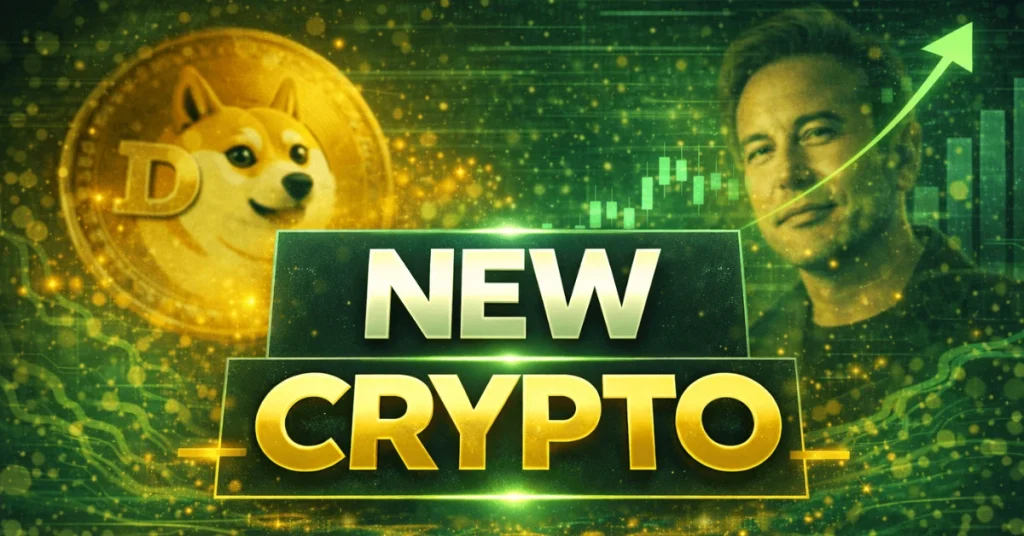
The rapid sell-out of Pepeto's presale stages, bolstered by a former Binance expert's involvement, signals strong early investor confidence in its novel exchange model. Pepeto's proposed zero-fee, instant cross-chain trading with AI smart contract analysis presents a potentially disruptive infrastructure play, drawing parallels to BNB's growth driven by exchange utility. While speculative, the persistent rumors of Elon Musk's potential endorsement for Pepeto, mirroring his impact on Dogecoin's parabolic rise, could act as a significant, albeit unconfirmed, catalyst for accelerated adoption and price appreciation. The comparison to early Dogecoin highlights a narrative-driven, meme-fueled demand, but Pepeto's underlying exchange technology and security audits suggest a more fundamental value proposition compared to Dogecoin's reliance on external endorsements.

Pepeto's imminent Binance listing, coupled with its unique exchange features like zero fees and cross-chain bridging, positions it as a potentially disruptive force, attracting significant early investor interest based on its presale performance and experienced team. The XRP price prediction targeting $5-$10 suggests a bullish outlook for the large-cap asset, driven by expanding adoption and potential institutional acceleration, indicating a broader market cycle is forming where both large caps and promising new projects like Pepeto offer distinct opportunities. Pepeto's strategy of layering meme-driven community excitement with functional exchange tools, backed by a $7 billion market cap co-founder and a former Binance executive, creates a strong narrative for potential rapid growth and trading volume upon listing.

BlackRock's strategic focus on core crypto ETFs indicates a preference for established market segments over more speculative or complex products. The firm's approach suggests a cautious expansion into the digital asset space, prioritizing regulatory compliance and broad investor appeal. This stance may influence investor sentiment towards newer or 'exotic' crypto derivatives and products, potentially limiting their immediate market traction.
Anthony Scaramucci reiterates his conviction in Bitcoin as a primary investment, signaling continued confidence despite market volatility and geopolitical concerns. The $1.5 million Bitcoin price target is predicated on Bitcoin achieving gold's market capitalization, a long-term thesis driven by its fixed supply and increasing institutional adoption. Institutional accumulation, exemplified by MicroStrategy's aggressive buying, is tightening Bitcoin's available supply, potentially acting as a significant driver for future price appreciation. The projected wealth transfer to digitally native generations is expected to fuel further Bitcoin adoption, positioning it as a key digital store of value against declining trust in traditional fiat systems.
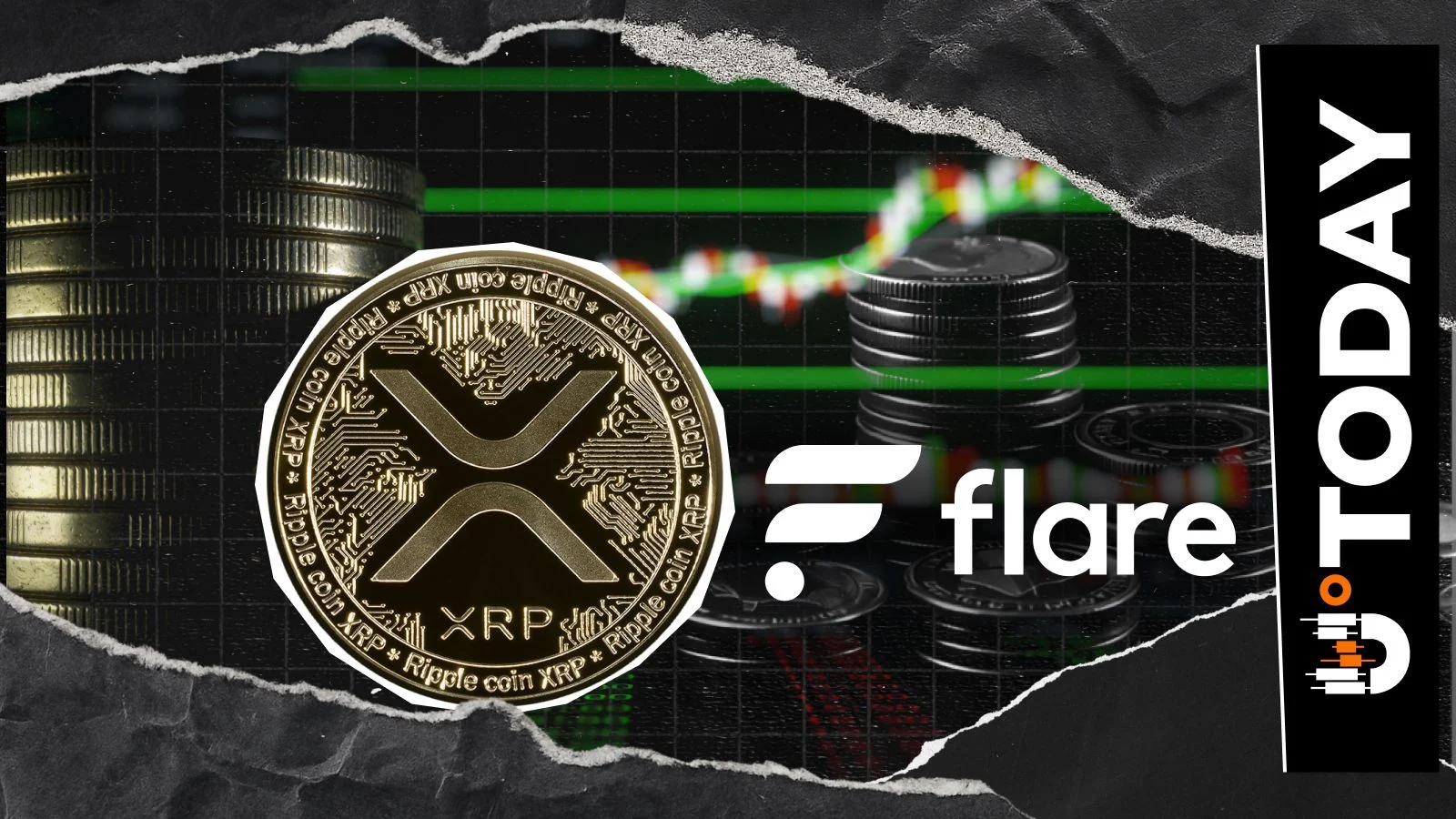
Flare Network cofounder Hugo Philion predicts a 500% growth for XRPFi, targeting $1 billion in locked assets from the current $200 million, signaling strong potential for XRP liquidity on the network. Multiple integrations and use cases, including FXRP spot trading on Hyperliquid, staking via Xaman wallet, and collateralization on Morpho/Mystic, are driving increased XRP utility and capital inflow into Flare. The recent integration of FXRP with Coinbase's Base network, which has a $4.2 billion TVL, further enhances XRP's DeFi accessibility and could accelerate the achievement of the $1 billion target. With an $87 billion XRP market cap, the projected $1 billion in XRPFi liquidity represents a significant but achievable growth target, indicating positive momentum for XRP's DeFi ecosystem.

A Cambridge study indicates Bitcoin's network is highly resilient to random submarine cable failures, requiring over 72% of global cables to be cut simultaneously to cause significant node disconnection. While random failures pose minimal risk, a targeted attack on critical chokepoint cables or major hosting providers could disrupt Bitcoin, highlighting a distinct threat model from natural disasters. The increasing adoption of TOR by Bitcoin nodes paradoxically strengthens network resilience by leveraging geographically diverse and well-connected relay infrastructure, countering previous assumptions of hidden fragility. Despite infrastructure resilience, the study found no correlation between submarine cable faults and Bitcoin's price, suggesting market volatility overshadows physical network integrity concerns in short-term trading.

Over 112 billion SHIB tokens transferred to exchanges in 24 hours, pushing total reserves above 80 trillion, signaling potential selling pressure despite a minor price recovery. The increase in exchange reserves is a bearish on-chain indicator, suggesting holders may be preparing to sell, which could counteract recent price gains and pressure SHIB's market structure. Despite a short-term price breakout, SHIB remains below key moving averages, and conflicting on-chain signals like increased active addresses without consistent demand highlight the fragility of its current recovery.
Bitcoin's reclaim of the $70,000 level is primarily driven by a shift in geopolitical sentiment, suggesting that macro-economic stability is a key driver for near-term price action. Improved social sentiment and institutional buying provide a foundation for the current rebound, indicating a potential shift from fear to cautious optimism among market participants. While current price action is positive, the outlook remains sensitive to geopolitical developments and key resistance levels around $80,000, suggesting a need for continued monitoring. The narrative around regulatory clarity, specifically the Clarity Act and stablecoin frameworks, is contributing to a more stable outlook, reinforcing investor confidence.
Signal context only. Validate with price action, liquidity, and risk limits before taking a position.
