
Navigating Crypto News

CoinFeather
Navigating Crypto News
Quick market read from this story
Bitcoin's recent price action shows resilience, trading higher as geopolitical tensions in the Middle East drive oil prices towards $100, suggesting a potential flight to digital assets as a hedge against macro uncertainty.
The correlation between rising oil prices and Bitcoin's performance highlights how geopolitical events can influence crypto markets, particularly through their impact on global liquidity and inflation expectations.
While Bitcoin has shown strength, sustained conflict could negatively impact broader risk assets and global economic conditions, potentially creating headwinds for crypto if the situation escalates significantly.
Deep Dive
Bitcoin experienced a notable increase over the weekend, trading up 2% to approximately $72,490, after a period of volatile trading that saw it briefly dip towards $70,500. This price movement occurred as escalating geopolitical tensions in the Middle East significantly boosted oil prices, prompting investors to re-evaluate potential impacts on global markets.
The conflict involving Iran entered its third week, leading to a roughly 3% jump in crude oil prices to around $100 a barrel, the highest level since July 2022. This surge was partly influenced by U.S. strikes on military facilities on Kharg Island, a critical hub for Iran's oil exports, which handles about 90% of the country's oil shipments.
President Donald Trump issued a warning on Truth Social, stating that Iran's oil infrastructure could be targeted if shipping through the Strait of Hormuz is further disrupted. This strait is a vital waterway, responsible for transporting approximately one-fifth of the world's oil supply.
The rise in oil prices has implications for Bitcoin. Higher energy costs can lead to inflationary pressures, potentially complicating the Federal Reserve's plans for interest rate cuts and contributing to a prolonged period of higher rates and tighter global liquidity.
Despite the volatility in commodity markets, broader risk assets showed relative stability late Sunday. U.S. equity futures saw modest gains, with Dow Jones, S&P 500, and Nasdaq-100 futures each rising about 0.15%. Bitcoin's performance since the conflict began on February 28 has been described as resilient, with some analysts attributing this to crypto-specific demand rather than a broad macro decoupling.
Bitcoin's price briefly surpassed $73,475 on Friday before a pullback, but it gradually recovered through Saturday and Sunday, stabilizing above $72,000. This rebound suggests that crypto traders are balancing geopolitical risks with ongoing demand for digital assets, although concerns remain about the potential for further harm to the global economy if the conflict escalates.
Source, catalyst, and sector overlap from the latest feed.
The integration of Ledger hardware wallets with MoonPay Agents enhances security for AI-driven crypto transactions, mitigating risks associated with autonomous agents managing private keys directly. This development signals a growing trend towards securing AI-powered financial activities in crypto, potentially increasing user confidence and adoption of AI agents for trading and asset management. By requiring manual on-device approval for AI-initiated trades and transfers across multiple blockchains, Ledger and MoonPay are establishing a critical security layer for the emerging AI agent ecosystem.
Florida's proposed stablecoin bill, requiring transaction monitoring for amounts over $10,000, introduces state-level regulation that mirrors federal AML rules, potentially creating a regulatory framework that aligns with but also complicates Governor DeSantis's anti-surveillance stance. The legislation positions Florida to potentially become a primary regulator for stablecoins, allowing the state's Office of Financial Regulation to issue licenses and enforce compliance, which could set a precedent for other states seeking to regulate digital assets independently. Despite Governor DeSantis's strong opposition to CBDCs due to privacy concerns, the stablecoin bill's AML requirements draw parallels to the 'Big Brother' tools he decries, highlighting a potential contradiction in his approach to digital asset regulation.
The definition and arrival timeline of Artificial General Intelligence (AGI) remain highly debated among experts, indicating a lack of consensus that could impact long-term AI investment strategies. While current advanced AI models like ChatGPT and Gemini exhibit impressive capabilities, they are generally considered narrow AI, lacking the autonomy and broad task adaptability that defines true AGI. Predictions for AGI's arrival vary significantly, with some industry leaders like Elon Musk forecasting as early as 2026, while others emphasize the gradual evolution of AI capabilities rather than a distinct breakpoint. The focus on AGI in the US contrasts with China's approach, where companies prioritize practical applications and hardware development, suggesting differing market development trajectories for AI technologies.
The Ethereum Foundation's sale of 5,000 ETH to BitMine Immersion Technologies, a publicly traded company, signals ongoing treasury management and provides operational funding for the Foundation's core activities. Despite significant paper losses on their ETH holdings, BitMine and its chairman Tom Lee remain bullish on Ethereum's long-term prospects, continuing to accumulate the asset. This direct sale from the Ethereum Foundation to a corporate treasury highlights a growing trend of institutional-like accumulation of ETH by publicly traded entities, potentially indicating increased confidence in the asset's future value.
A federal judge dismissed RICO claims in a class-action lawsuit against a pastor involved in a crypto Ponzi scheme, limiting investors' immediate recourse for damages. The dismissal, based on the Private Securities Litigation Reform Act, highlights legal complexities in pursuing fraud claims stemming from alleged securities violations within crypto schemes. While the core RICO claims were rejected, investors have a 30-day window to file an amended complaint, indicating potential for further legal developments. This case underscores the risks associated with fraudulent crypto schemes, particularly those leveraging religious or community trust, and the subsequent legal battles faced by victims.
Dogecoin price is showing signs of recovery from recent lows, with short liquidations indicating a potential shift in bearish sentiment. A breakout above the 50-day moving average near $0.10 could propel DOGE towards $0.12, a key level to watch for further upside potential. Speculation around X's upcoming payments feature integration with Dogecoin is a speculative catalyst, but its confirmation could significantly impact price action. Despite recent gains, Dogecoin remains within a broader trading range, suggesting that a decisive catalyst is needed to break out of its current consolidation.
MicroStrategy's continued aggressive Bitcoin accumulation, adding $1.28 billion in BTC, signals strong conviction in the asset's long-term value and potentially influences institutional adoption trends. Ripple's partnership with Mastercard to facilitate CBDC usage, alongside other major players, indicates a strategic move towards integrating blockchain technology into traditional payment systems, potentially boosting XRP's utility narrative. The Bollinger Bands squeeze on XRP suggests an impending price volatility event, with increased trading volume hinting at potential accumulation ahead of a significant move, warranting trader attention. SBI Holdings' expansion of its XRP rewards program to include more subsidiaries demonstrates ongoing commitment to integrating XRP into its financial services, reinforcing its ecosystem and potential demand.
Tether's claim of superior decentralization, supported by data showing lower single-sender volume compared to rivals, positions USDT as a preferred stablecoin for emerging markets and retail users seeking alternatives to traditional finance. The significant adoption of USDT in LATAM and Southeast Asia, driven by remittances and daily transactions, highlights its utility beyond speculative trading and suggests continued demand in these regions. Tether's launch of USAT to target institutional markets under the GENIUS Act, alongside Deloitte's sign-off on its reserve report, indicates a strategic move to balance its retail-centric approach with regulatory compliance and capture a share of the institutional stablecoin market. Despite Tether's decentralization narrative, criticisms regarding off-chain transactions and its role in illicit finance, coupled with the rise of USDC and PYUSD post-GENIUS Act, suggest potential headwinds and a competitive landscape for stablecoin dominance.
The Senate's overwhelming procedural vote to advance legislation banning a US CBDC until 2030 signals a significant shift in regulatory focus, potentially redirecting attention and capital towards private digital dollar alternatives like stablecoins and tokenized deposits. While the vote was procedural and the specific senators' motivations are varied, the broad support for including anti-CBDC language in a larger package indicates a growing consensus in Congress to constrain the Federal Reserve's potential digital currency initiatives, impacting future policy debates. The development reinforces the narrative that government-backed digital currencies face substantial political hurdles, which could be interpreted as a net positive for existing private stablecoin infrastructure and projects focused on decentralized dollar rails.
Live Feed
Loading the broader stream in the same flow as the homepage feed.

Aave is implementing 'Aave Shield' to prevent future large-scale losses from high-impact swaps, signaling a proactive approach to user protection within its DeFi interface. The incident highlights ongoing infrastructure challenges in DeFi, including liquidity issues and MEV exploitation, which can lead to significant user losses despite explicit warnings. While Aave is enhancing its interface, the underlying issues with CoW Swap's solvers and potential mempool leaks suggest that broader DeFi infrastructure improvements are still necessary. The introduction of Aave Shield, requiring manual disabling for high-risk trades, suggests a shift towards prioritizing user safety over absolute trade freedom in certain scenarios.
XRP's volatility compression suggests a potential coiled spring scenario, indicating that a significant price move is likely imminent, with key support and resistance levels at $1.35-$1.40 and $1.50-$1.70 respectively. Bitcoin's recent move above $72,000 lacks the necessary volume and volatility to be considered a strong breakout, suggesting it may be a technical bounce rather than a sustained upward trend, with potential for a swift reversal if market participation does not increase. Shiba Inu's inability to sustain price above $0.000006 and its continued pattern of lower highs and lower lows indicate a weak trend, suggesting that the current cycle peak may have already been reached unless significant buying momentum emerges. The broader market's weakness, with many altcoins trading below resistance despite Bitcoin's slight uptick, signals a lack of ecosystem-wide support, implying that Bitcoin's current price action is not indicative of a healthy market rally.

Short sellers experienced significant liquidations totaling approximately $470,140 in DOGE as the price unexpectedly rose, indicating a potential shift in short-term sentiment. Dogecoin is consolidating within a tight range ($0.09-$0.097) after a recent price increase, suggesting a potential for a breakout towards $0.12 or a pullback to $0.09. While not yet confirmed, potential future integrations with X's payment features could serve as a future catalyst for Dogecoin adoption and price appreciation.

The CLARITY Act, despite aiming for regulatory clarity, risks centralizing crypto by forcing activity through intermediaries, potentially undermining user ownership of networks. Concerns over stablecoin yields and DeFi provisions have stalled the CLARITY Act, indicating significant industry disagreement that could lead to no bill passing rather than a flawed one. The potential failure of the CLARITY Act to pass by April 2026 significantly reduces its chances of becoming law, leaving the regulatory landscape for digital assets uncertain.
The 63% surge in SHIB's burn rate, while notable, involves a small absolute volume of 4 million tokens, suggesting limited immediate price impact given the massive circulating supply. Shiba Inu's price is currently dictated more by broader altcoin market sentiment and a lack of retail enthusiasm for an 'altseason' than by token burn mechanics. Despite the recent price dip and weak altcoin sentiment, consistent token burns contribute to long-term supply reduction, which could support price stability if demand materializes.

Polymarket and Kalshi are reportedly seeking valuations around $20 billion, indicating strong investor confidence in prediction markets as a data and transaction layer, despite looming regulatory scrutiny. The Iran-related trading activity has intensified regulatory focus, with lawmakers drafting legislation and the CFTC moving towards new rulemaking, creating significant uncertainty for the future operational scope of prediction markets. Major media partnerships with Dow Jones and CNBC signal a push for mainstream integration of prediction market data, potentially transforming them into a core component of financial news and analysis, but also increasing the stakes for market integrity. A lawsuit against Kalshi over disputed payouts highlights inherent trust and fairness challenges within prediction markets, particularly when dealing with sensitive geopolitical events, which could impact user adoption and regulatory approaches.
Ethereum faces significant resistance at the $2.1K level, with a developing bear flag pattern suggesting a potential breakdown below the $1.8K support zone. The current consolidation pattern indicates a fragile market structure for Ethereum, where a break below the established support could lead to a more substantial price decline. Traders should monitor the $1.8K support level closely, as its defense is critical for maintaining bullish sentiment, while a breach could signal a shift towards lower price targets.

The memorandum of understanding between the SEC and CFTC signals a coordinated regulatory approach, potentially reducing uncertainty for digital asset firms and fostering clearer market definitions. This inter-agency cooperation aims to harmonize regulatory responses, which could streamline compliance and encourage institutional participation by mitigating conflicting oversight. While the agreement is a positive step towards regulatory clarity, the market still awaits concrete rulemaking and legislative action, particularly concerning the market structure bill.
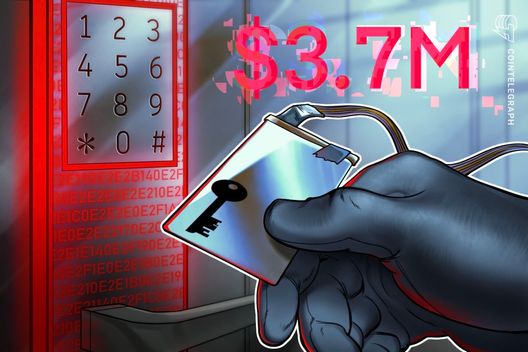
Venus Protocol experienced a supply cap attack resulting in a loss of over $3.7 million, highlighting ongoing security vulnerabilities in DeFi protocols. The exploit involved manipulating the Thena (THE) token to borrow significant amounts of CAKE, USDC, BNB, and BTC, demonstrating complex attack vectors within lending platforms. The incident led to a pause in THE borrows and withdrawals, directly impacting liquidity and user access on the Venus Protocol, with THE token price dropping over 17%.

The transition from crypto's 'rock and roll' era to a focus on infrastructure signifies a maturation of the market, attracting institutional capital and prioritizing sustainable development over speculative hype. The development of 'boring institutional plumbing' like stablecoins and tokenized assets, alongside improvements in self-custody, suggests a foundational build-out that will support future growth and adoption. While the 'weirdness' of crypto may diminish in mainstream visibility, it is expected to migrate to niche communities and decentralized channels, fostering innovation outside of traditional corporate structures. The influx of institutional capital, driven by the end of the hype cycle, is viewed as a positive development, providing stability and long-term investment that is less susceptible to market sentiment shifts.
A significant crypto investor realized an 83% loss on a $508,000 SHIB position, highlighting the extreme volatility and risk associated with meme coin investments bought at market peaks. The investor's two-year holding period despite substantial unrealized losses suggests a potential belief in SHIB's recovery, which ultimately failed to materialize, underscoring the difficulty of timing speculative assets. This event serves as a cautionary tale for traders, demonstrating that even large positions can be wiped out by market downturns, particularly when entering at or near historical highs.

Ripple's CTO Emeritus David Schwartz addressed accusations that the company's XRP sales disadvantage retail buyers, arguing that suppressed prices could benefit long-term holders by allowing cheaper accumulation. The debate highlights a fundamental disagreement on whether company equity sales and public token sales create inherent conflicts of interest or if token utility and network growth ultimately benefit all stakeholders. Comparisons to ETH and LINK token sales suggest a potential double standard in how Ripple's XRP sales are scrutinized, implying market perception plays a significant role in the narrative.

The $3.7 million flash loan attack on Venus Protocol highlights ongoing security vulnerabilities within DeFi lending platforms, potentially impacting investor confidence in the sector. The exploit, which involved manipulating supply caps using the THE token, demonstrates a sophisticated attack vector that could be replicated, warranting increased scrutiny of oracle price feeds and collateralization mechanisms. Venus Protocol's response of pausing borrowing and withdrawals for THE and other concentrated markets indicates a reactive measure to contain losses, suggesting potential contagion risks for related assets if not managed effectively.
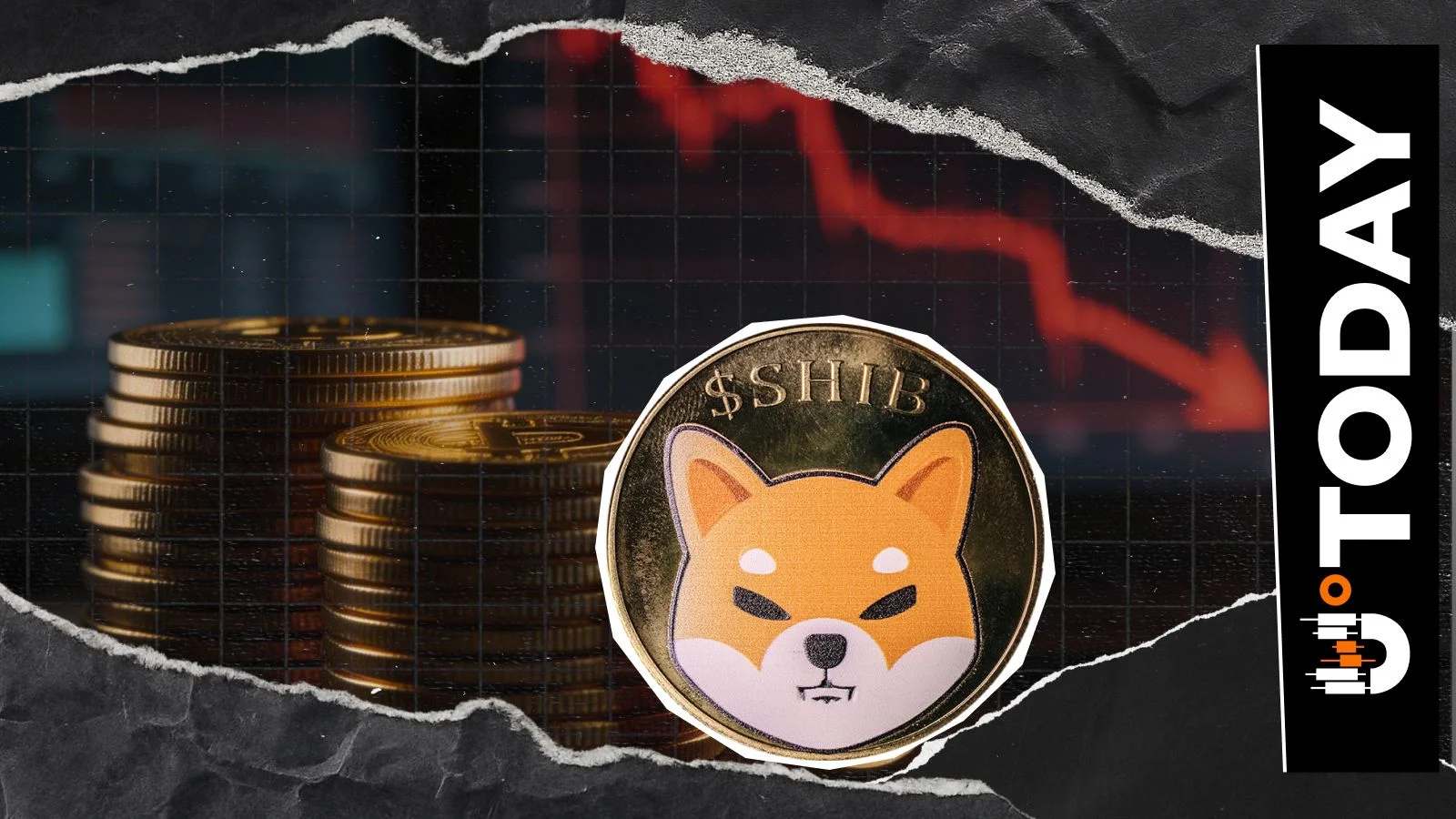
A significant SHIB holder capitulated, selling 14.5 billion tokens at an 83% loss after buying at the March 2024 peak. This event highlights the risk of buying into meme coin rallies at their zenith, demonstrating a classic 'buy high, sell low' scenario for retail investors. The sale of a large SHIB position on Binance could introduce temporary selling pressure, though its impact on the broader market is likely minimal given the token's speculative nature.
The integration of wrapped XRP (FXRP) onto Yellow Network, a Layer-3 clearing protocol backed by Ripple co-founder Chris Larsen, expands XRP's utility and liquidity across new blockchain environments. This development strengthens Flare Network's position as an infrastructure layer for XRP, potentially increasing DeFi engagement and capital locked in FXRP, as evidenced by strong community interest and existing DeFi deployments. The backing of Yellow Network by Chris Larsen and its recent integration with Flare, following FXRP's expansion to Base, suggests a strategic push to enhance XRP's interoperability and DeFi accessibility.
Signal context only. Validate with price action, liquidity, and risk limits before taking a position.
