
Navigating Crypto News

CoinFeather
Navigating Crypto News

Quick market read from this story
Bankers are challenging the White House's assessment of stablecoin yield risks, arguing the analysis should focus on potential future impacts rather than current conditions.
The ongoing debate over stablecoin yield, a key point of contention in the Digital Asset Market Clarity Act, continues to stall legislative progress in the U.S. Senate.
The American Bankers Association warns that allowing stablecoin yield could lead to a significant migration of funds from traditional bank deposits, potentially impacting community banks disproportionately.
The prolonged legislative stalemate over the Clarity Act highlights the persistent conflict between the traditional banking sector and the growing crypto industry regarding stablecoin regulation.
Source, catalyst, and sector overlap from the latest feed.
The SEC's staff statement clarifies that software facilitating crypto wallet transactions will not be classified as a broker-dealer, potentially reducing regulatory burdens for interface developers. This regulatory clarity from the SEC provides a more defined operational framework for crypto asset interfaces, signaling a more permissive stance from U.S. regulators. The SEC's interim guidance on user interfaces for crypto transactions aims to allow industry progress while permanent rules are considered, indicating a pragmatic approach to evolving technology.
Live Feed
Loading the broader stream in the same flow as the homepage feed.

BlockDAG's expansion to 13 exchanges signifies increased accessibility and potential for broader market adoption, contrasting with the stable price ranges of established assets like BNB and XRP. The article highlights a market bifurcation where established cryptocurrencies like Binance Coin and XRP exhibit stability driven by liquidity and ecosystem usage, while projects like BlockDAG focus on early-stage growth through exchange listings. BlockDAG's current fixed allocation price of $0.0000061 presents a pre-market discovery phase, with future pricing expected to be determined by open market conditions post-listing.
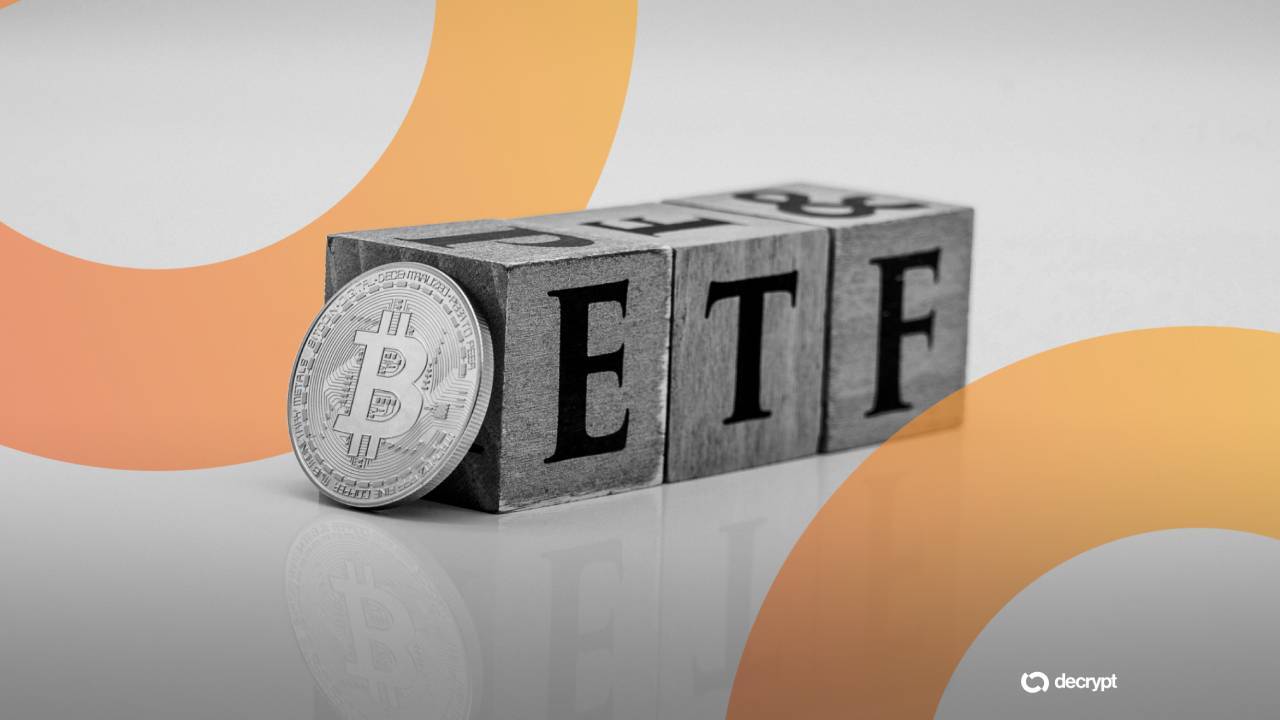
Institutional investors injected $1.1 billion into crypto funds, marking the strongest weekly inflows since January, driven by improved macro conditions and ETF demand. Bitcoin ETFs saw significant inflows of $833.2 million, while Ethereum reversed prior outflows with $196.5 million, indicating renewed institutional interest in major digital assets. The simultaneous increase in both bullish bets (Bitcoin/Ethereum inflows) and downside hedges (short-Bitcoin products) suggests sophisticated positioning by institutions preparing for potential volatility. Morgan Stanley's entry into the Bitcoin ETF market, alongside plans for Ethereum and Solana ETFs, signals growing institutional adoption and product development within the crypto space.

Bitcoin experienced a relief bounce to $72,530, mirroring US stock market sentiment following news of the US blockade of the Strait of Hormuz, which appears to have less impact than initially feared. Despite the short-term recovery, traders remain cautious, with warnings of a potential "Bart Simpson" pattern and a retest of lower support levels around $70.5k, suggesting the risk of a price correction persists. The market's reaction indicates a de-escalation narrative is prevailing, where geopolitical rhetoric is expected to soften, leading to a fading of 'panic' in crypto markets despite ongoing uncertainty.
XRP witnessed $19.3M in weekly inflows as assets under management (AUM) reached $2.46 billion.

The TRUMP token is experiencing a significant price decline of nearly 30% over the past month, despite increased whale accumulation, indicating a bearish sentiment despite event-driven hype. The upcoming Mar-a-Lago event, which requires token holdings for entry, is failing to catalyze a price surge, suggesting that speculative demand for event access is not translating into sustained buying pressure. Declining trading volume and momentum suggest that traders are adopting a cautious stance, potentially anticipating further price drops or awaiting clearer fundamental catalysts beyond event speculation. While whale accumulation aims to secure event access, historical patterns suggest that such short-term demand spikes often precede price declines as early participants take profits.

This publication is sponsored and written by a third party. Coindoo does not endorse or assume responsibility for the content, […] The post IPO Genie Presale Progresses From Early Phase to Phase 81 appeared first on Coindoo.

A significant exploit on Hyperbridge allowed a hacker to mint $1.1 billion in DOT, highlighting systemic risks in cross-chain bridges despite limited actual loss. The exploit's impact was contained to bridged DOT on Ethereum due to low liquidity, with native DOT and other Hyperbridge assets remaining secure, suggesting a localized risk event. The incident underscores the ongoing security challenges within DeFi infrastructure, particularly bridges, which continue to be targets for large-scale exploits. While the immediate financial loss was minimal ($237K), the ability to mint such a large sum of tokens points to critical vulnerabilities in bridge smart contract logic that require immediate remediation.

Bitcoin experienced a significant short liquidation cascade, with bears losing 108 times more than bulls due to a rapid 1% price spike to $72,530. The price action suggests a potential short squeeze, with liquidity above $72,000 being targeted, indicating short-term volatility driven by derivatives market dynamics. Bitcoin's correlation with crude oil and safe-haven assets highlights its emerging role as a risk-hedging tool amid geopolitical uncertainty, particularly concerning energy supply. A correction to $70,540 could trigger substantial long liquidations ($114.5 million), suggesting potential for further volatility and mirroring the recent short squeeze event.

Ethereum price has reclaimed the $2,200 level, but the rally lacks conviction as it remains within a rising channel and faces resistance at $2,300-$2,400. Momentum indicators like RSI and MACD show slowing momentum, suggesting the current price action may be a rejection rather than a sustained breakout. While on-chain activity shows signs of recovery, it has not accelerated in line with the price, indicating a potential disconnect that could limit upside. Traders should remain cautious, as a failure to hold $2,200 support could lead to a decline towards $2,000-$2,050, emphasizing a reactive approach over predictive positioning.
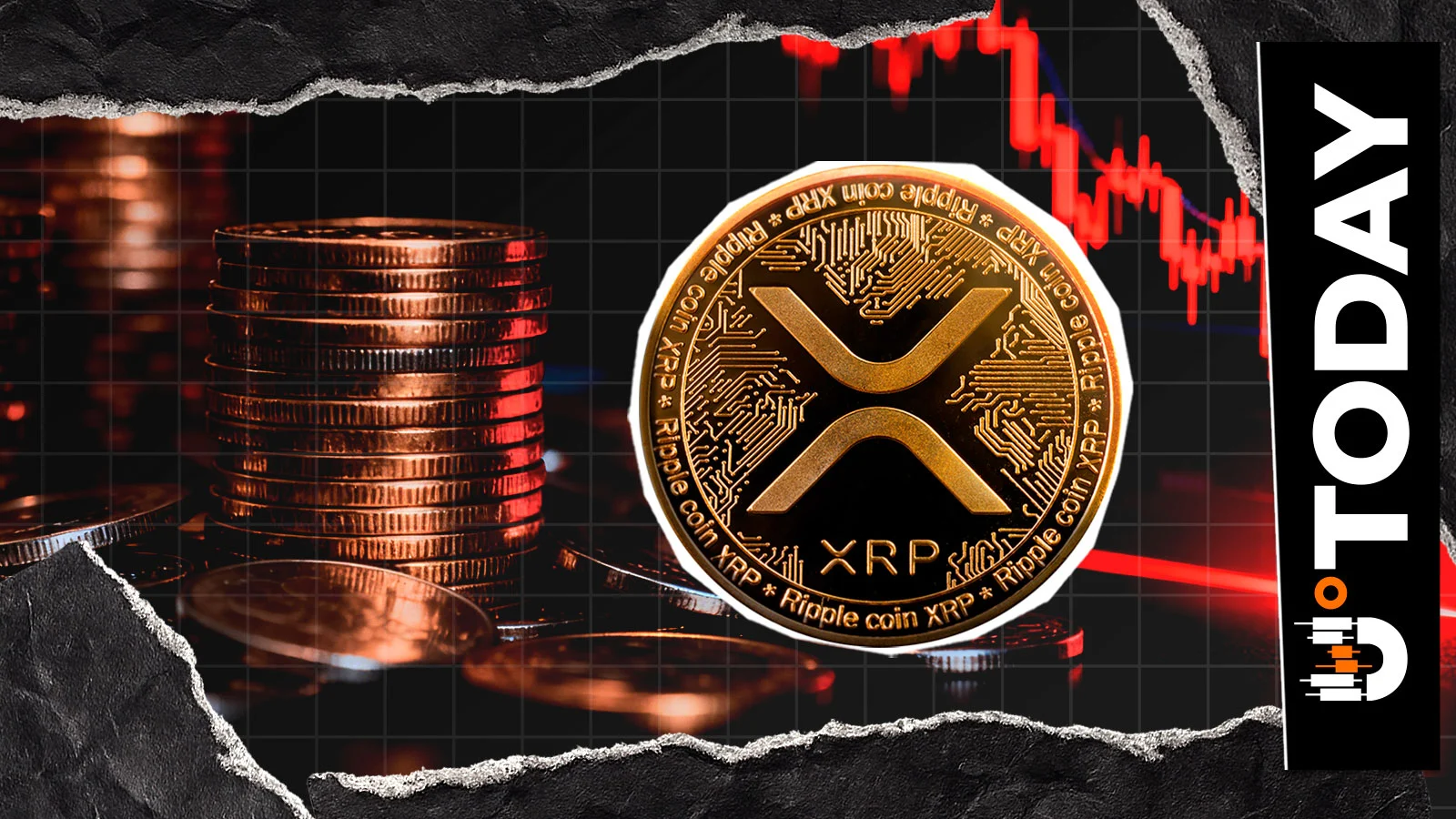
XRP's perpetual futures open interest has seen a dramatic 96% decline over six months, indicating extreme caution among derivatives traders following a significant crash in October 2025. The sustained low open interest suggests a lack of conviction from futures traders to re-engage with high-leverage positions, despite short-term price rebounds, signaling a weak derivative market sentiment for XRP. The prolonged downturn in XRP's derivatives market, evidenced by the sharp drop in open interest, points to a potential lack of institutional or speculative interest in short-term price movements.
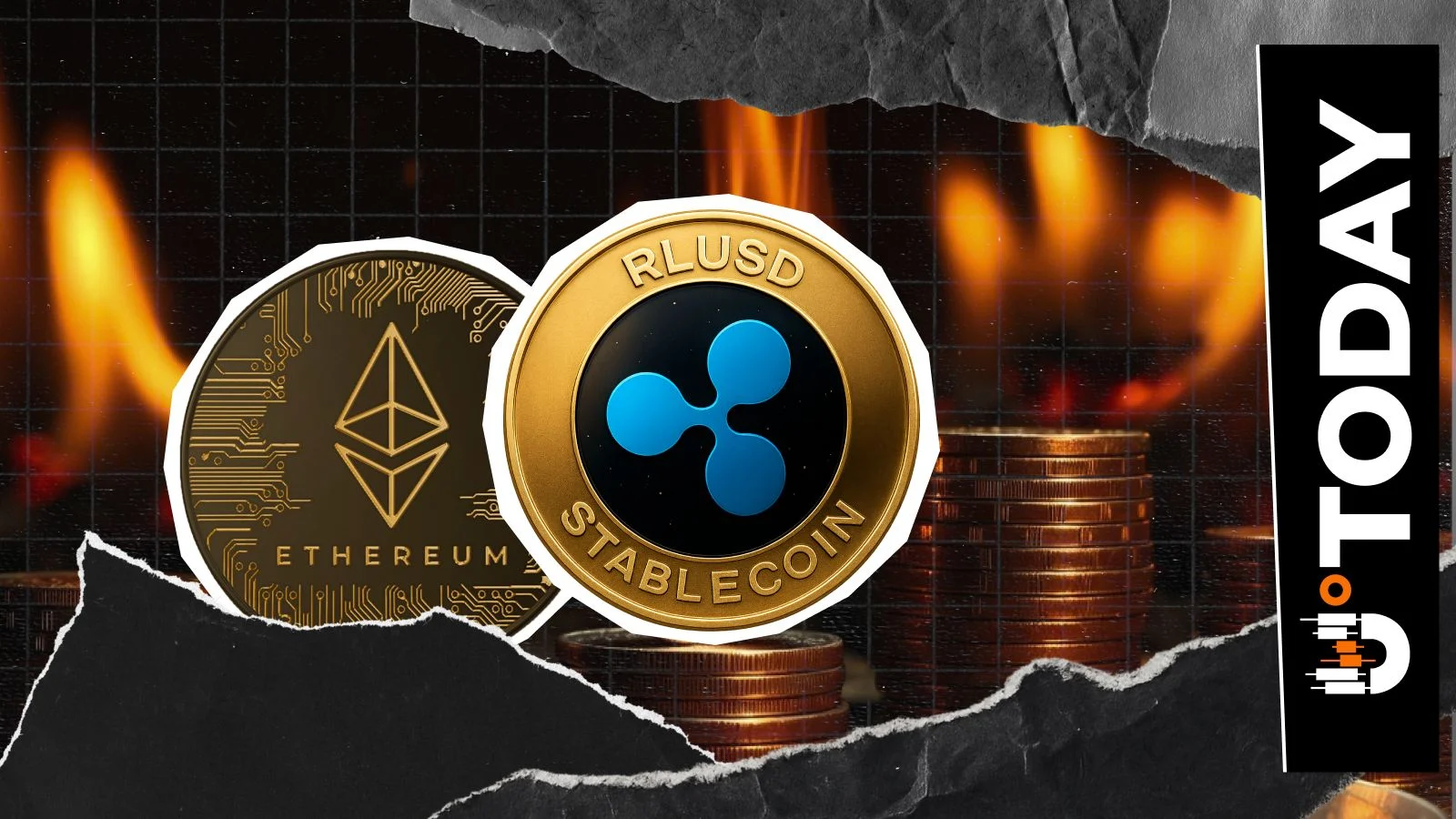
Ripple has burned 29.9 million RLUSD tokens on Ethereum, indicating active treasury management and potential supply adjustments for its stablecoin. The RLUSD burn follows recent minting activity, suggesting dynamic rebalancing of the stablecoin supply across different ledgers. While the RLUSD burn is a direct event, the article also includes a significant long-term prediction of stablecoin volume reaching $1.5 quadrillion by 2035, driven by wealth transfer and adoption.
Signal context only. Validate with price action, liquidity, and risk limits before taking a position.
Kraken's confirmation of an extortion attempt, despite no system breach or client fund risk, highlights ongoing security vulnerabilities within exchanges and the persistent threat of insider-related data access. The exchange's refusal to pay criminals and collaboration with law enforcement signals a firm stance against extortion, potentially setting a precedent for handling similar incidents. The incident, affecting a small fraction of clients (2,000 out of millions), suggests that while the direct financial impact is contained, the reputational risk and the broader implications for exchange security remain significant.
