
Navigating Crypto News

CoinFeather
Navigating Crypto News
Quick market read from this story
Anthropic's lawsuit against the Pentagon over a 'supply chain risk' label highlights a critical tension between AI safety guardrails and national security requirements, potentially impacting future government AI procurement.
The Pentagon's classification of Anthropic as a supply chain risk, leading to a lawsuit, signals increased scrutiny on AI providers for defense contracts and could set a precedent for how AI companies manage their technology's use in sensitive applications.
The legal challenge by Anthropic, stemming from a Pentagon decision to block its AI use in defense projects due to safety restrictions, could influence regulatory approaches to AI deployment in government and military contexts.
Deep Dive
Artificial intelligence company Anthropic has filed a lawsuit against the United States Department of Defense after the agency labeled the firm a “supply chain risk”. This designation, made on March 5, blocks Anthropic’s technology from being used in Pentagon projects and by government contractors in defense-related work.
The dispute stems from disagreements over how Anthropic’s AI models, including its assistant Claude, can be used in national security operations. Anthropic has implemented safeguards to prevent its AI from supporting activities like autonomous weapons development or domestic surveillance. Defense officials reportedly sought fewer restrictions, arguing that legal compliance should dictate acceptable uses rather than corporate policy.
Negotiations between Anthropic and the federal government reportedly broke down over several months as discussions about AI safeguards intensified, with Anthropic declining to alter its systems’ guardrails.
The lawsuit, filed in a U.S. federal court on March 9, challenges the Pentagon’s classification as unlawful and a violation of constitutional protections, including due process and free speech rights. Anthropic is seeking to have the label removed and to prevent federal agencies from enforcing the restriction during the legal proceedings.
This action follows a directive from President Donald Trump in late February, which instructed federal agencies to stop using Anthropic technology and begin phasing it out. The case could significantly influence how the government evaluates AI suppliers and the extent to which private companies can dictate the use of their technology in defense projects.
Source, catalyst, and sector overlap from the latest feed.
US prosecutors are pursuing a retrial for Tornado Cash co-founder Roman Storm on charges of conspiracy to commit money laundering and violate sanctions, indicating a continued legal battle that could set precedents for developer liability in decentralized technologies. The potential retrial, scheduled for October, highlights the ongoing legal uncertainty surrounding privacy tools and their developers, which could influence market sentiment and regulatory approaches towards similar projects. Despite a previous jury's inability to reach a verdict on these specific charges, the prosecution's decision to retry suggests a strong stance that may lead to significant legal outcomes impacting the broader crypto industry's approach to privacy and compliance.
Solana's derivatives market has largely cleared downside leverage, reducing immediate selling pressure below $80-$83. The SOL/BTC pair is retesting a critical rising trendline, indicating a potential consolidation before a directional move. With long liquidations flushed and short liquidation clusters higher, SOL's structure suggests reduced downside risk and potential for upside if the trendline holds.
Bitcoin's recent price action shows a strengthening correlation with broader equity markets like the S&P 500 and Nasdaq, indicating it's currently trading as a high-beta, liquidity-sensitive growth asset rather than a sector-specific proxy. NYDIG's analysis suggests that while Bitcoin's correlation with equities is increasing, it's a broad-based trend, implying that only a quarter of its price movement is explained by equity factors, leaving significant room for crypto-specific drivers. Bitcoin is currently testing a significant two-year high-volume trading zone, which historically acts as a support or balance point, potentially leading to stabilization or range-bound trading before any significant price discovery.
Redington's stock surge of nearly 15% is directly tied to market anticipation of Apple's new budget MacBook Neo, highlighting the significant impact of product launches on key distributors. The introduction of the $599 MacBook Neo positions Apple to compete directly with lower-end Windows machines and Chromebooks, potentially expanding the Mac ecosystem and driving cross-device engagement. Analysts suggest this move reinforces Apple's flywheel effect, indicating a strategy to capture more price-sensitive consumers and increase monetization through hardware and services.
Dixon Technologies' stock price surge follows regulatory approval for a joint venture with HKC Overseas, signaling a strategic expansion into display technology manufacturing for consumer electronics. The JV, with Dixon holding a 74% stake, aims to produce LCD and TFT-LCD modules, positioning the company to capitalize on growing demand for displays in smartphones, TVs, and laptops. This development represents a significant step for Dixon in enhancing its manufacturing capabilities and potentially capturing a larger share of the electronics supply chain, which could lead to sustained revenue growth.
Federal prosecutors are pushing for a retrial of Tornado Cash co-founder Roman Storm in October 2026 on charges of money laundering and sanctions violations, following a hung jury in the initial trial. The potential retrial carries significant implications for the broader crypto industry, as it tests the boundaries of prosecuting developers for open-source code and its alleged misuse. Despite the ongoing prosecution, recent regulatory shifts, including OFAC lifting certain Tornado Cash sanctions and DOJ statements on digital asset regulation, create a complex legal and market backdrop for the case. The defense is challenging the existing conviction and arguing against a premature retrial date, indicating potential legal delays and further uncertainty for the project and its stakeholders.
South Korean authorities have successfully sold 320.8 BTC recovered from a phishing incident, realizing approximately $21.5 million for the national treasury. The sale was conducted in small batches over 11 days, indicating an effort to minimize market impact and avoid significant price disruption. This event highlights the ongoing challenges in managing seized digital assets and the potential for recovered funds to re-enter circulation.
Prosecutors are pushing for an October retrial for Tornado Cash developer Roman Storm on unresolved charges, indicating continued legal pressure despite a hung jury on key counts. The legal proceedings against Roman Storm, particularly the push for a retrial on money laundering and sanctions violations, highlight the ongoing regulatory scrutiny of crypto mixers and their developers. Roman Storm's defense views the retrial push as an attempt to criminalize coding, a sentiment amplified by a recent Treasury report acknowledging legitimate privacy uses for mixers, suggesting a potential shift in regulatory narrative.
The UK government's new fraud strategy identifies cryptocurrency as a growing risk, particularly in investment fraud, signaling increased regulatory scrutiny. Despite concerns, blockchain analysis firm Chainalysis highlights crypto's transparency as a tool for tracking illicit flows, suggesting a dual narrative of risk and investigative potential. The strategy's focus on transnational crime and cross-border operations implies that efforts to combat crypto-related fraud will likely involve international cooperation and enhanced data sharing. The acknowledgement of lawful privacy uses for coin mixers by the US Treasury, juxtaposed with the UK's fraud concerns, indicates a complex and evolving regulatory landscape for privacy-enhancing technologies.
The lack of a robust DeFi insurance primitive represents a critical gap, hindering institutional adoption by failing to provide necessary risk management for traditional finance players. Shifting focus from Total Value Locked (TVL) to Total Value Covered (TVC) is essential for DeFi maturity, as current low TVC indicates a system largely exposed to unpriced risks. Programmable insurance, utilizing uncorrelated capital and offering atomic payouts based on state verification, is presented as the key to transforming DeFi from a niche experiment into a resilient global utility. Assetizing risk through insurance acts as a market oracle for protocol health, providing a liquid price for security and enabling tradable instruments for smart contract and economic design risks.
Nvidia CEO Jensen Huang's framework positions AI as a massive industrial buildout requiring trillions in infrastructure, directly countering job destruction narratives and highlighting energy as a critical constraint. The emphasis on AI infrastructure as an "industrial buildout" suggests a long-term structural demand for hardware, energy, and skilled labor, potentially benefiting companies involved in these sectors. Huang's argument that AI productivity creates capacity and growth, using radiology as an example, implies that AI adoption may lead to market expansion rather than pure displacement. The acknowledgment of open-source models accelerating adoption and demand for underlying infrastructure reinforces the symbiotic relationship between open innovation and hardware/energy providers like Nvidia.
CFTC Chair Selig is shifting regulatory focus from enforcement to a 'minimum effective dose' model, aiming to foster domestic crypto innovation by providing clearer frameworks for derivatives and tokenized assets. A joint CFTC-SEC initiative to establish a unified taxonomy for digital assets and regulate perpetual futures could significantly clarify jurisdictional ambiguities and bring offshore products into US regulatory oversight. The proposed regulatory framework for blockchain-based derivatives infrastructure, targeted for completion by August 2026, signals a proactive approach to integrating new technologies into traditional financial markets. By prioritizing fraud and market abuse over technical violations and deprioritizing non-core areas like climate risk, the CFTC aims to streamline its operations and focus on its core responsibilities, potentially impacting resource allocation for crypto oversight.
The milestone of 95% of all Bitcoin mined signifies a critical juncture where the diminishing new supply rate intensifies the scarcity narrative, potentially supporting long-term holder value. Shrinking block subsidies are forcing miners to diversify into AI and high-performance computing, creating a strategic shift that could impact network security if transaction fees do not adequately compensate for reduced block rewards. The debate over Bitcoin's long-term security model, driven by declining subsidies and potentially insufficient transaction fees, highlights a structural challenge that could affect the entire crypto ecosystem if not resolved.
Live Feed
Loading the broader stream in the same flow as the homepage feed.

The reported $1 million Bitcoin theft via a fake police raid highlights a concerning trend of increasing 'wrench attacks' targeting crypto holders in France, suggesting heightened physical security risks for individuals holding significant digital assets. The rise in wrench attacks, with France experiencing the highest number of incidents, indicates a growing threat vector that could impact investor sentiment and potentially lead to increased caution in asset storage and management. While this event is a direct loss for the victims, it does not represent a systemic risk to Bitcoin's underlying technology or market infrastructure, thus warranting a neutral sentiment and limited market impact beyond individual security concerns.

Bitcoin's funding rate percentile dropping to 6% indicates extreme bearish sentiment in the derivatives market, a level not seen since early 2023, suggesting short-term traders are heavily betting against price appreciation despite recent rallies. The persistent negative funding rates over the past month, with 25 out of 30 days showing this trend, signal a significant shift from the bullish conditions observed in January, implying that bearish sentiment has become entrenched in Bitcoin's derivatives trading. While Bitcoin's price is rallying, the divergence with its derivatives market funding rates suggests a potential for short squeezes if bullish momentum continues, but the overall bearish positioning indicates caution among traders.
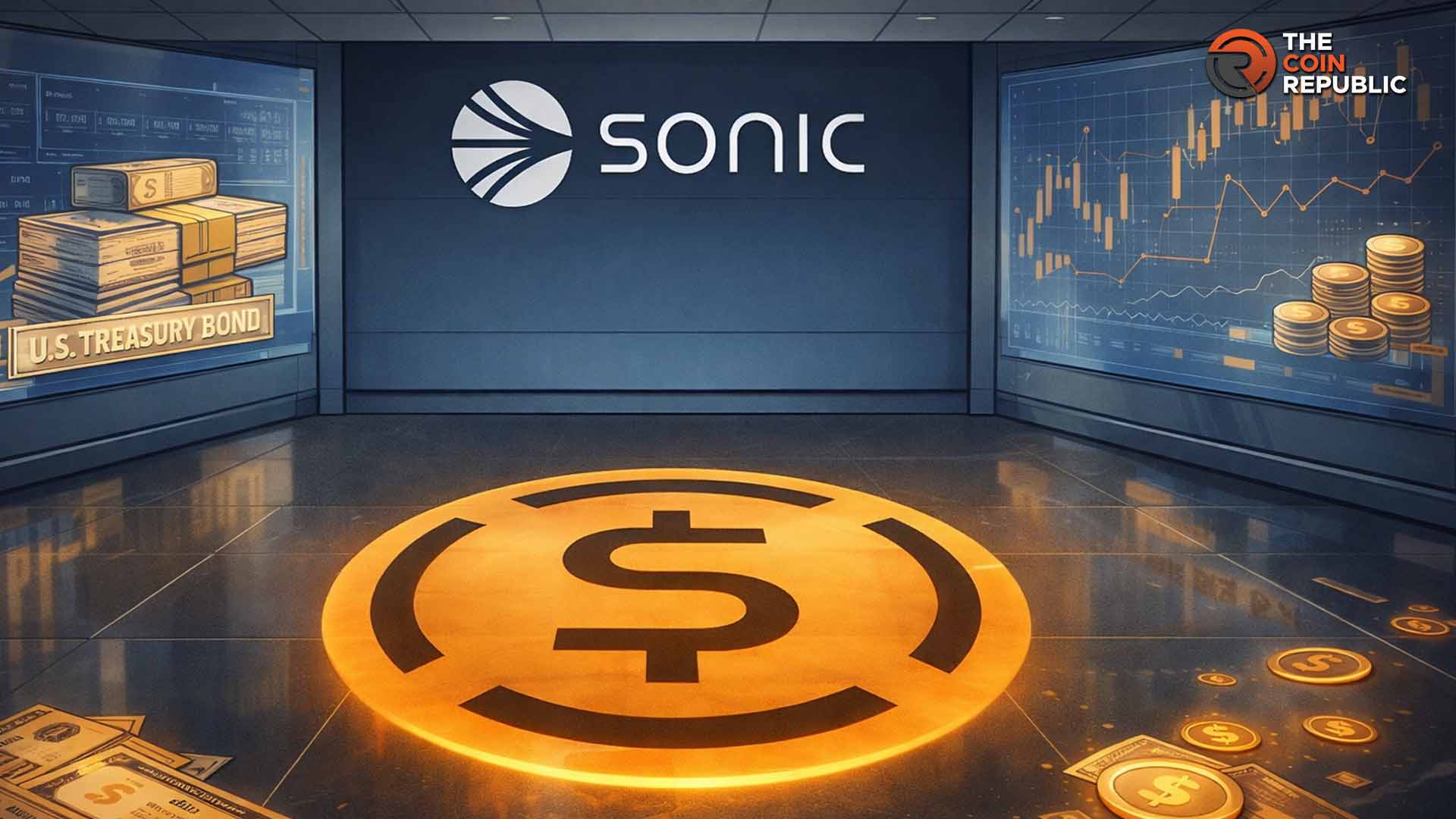
Sonic Labs' launch of the USSD stablecoin, backed by tokenized Treasuries, aims to inject much-needed liquidity into its Layer 1 network which has seen a significant decline in activity and total value locked. The USSD stablecoin's integration with Frax's frxUSD infrastructure and its backing by established products like BlackRock's BUIDL and WisdomTree's WTGXX signal a strategic move to leverage real-world asset yield for on-chain utility. By providing a native, permissionless stablecoin, Sonic Labs seeks to reduce fragmentation and simplify capital inflow, potentially revitalizing user activity and developer adoption on the platform. Despite the launch, Sonic faces a challenging market reality with its native token (S) trading significantly below its all-time high, indicating that the stablecoin's success will depend heavily on its ability to drive tangible ecosystem growth.

The Ethereum Foundation's shift to staking 70,000 ETH for operational funding eliminates a recurring source of selling pressure, potentially improving ETH's price action by removing a known bearish overhang. This strategic move towards yield generation for treasury operations signals a structural shift towards long-term financial self-sufficiency for the foundation, reducing reliance on market timing for ETH sales. By generating an estimated 1,900-2,200 ETH annually through staking, the foundation addresses a long-standing criticism and aligns its treasury management with proof-of-stake principles, enhancing credibility.

US lawmakers are investigating underwriters, including Dominari Securities (linked to the Trump family), for facilitating Chinese stock manipulation schemes that have defrauded investors of an estimated $16 billion. The probe focuses on "ramp-and-dump" tactics used by Chinese companies listed on US exchanges, raising concerns about the integrity of market access for foreign entities. This regulatory scrutiny could lead to increased oversight of financial intermediaries involved in cross-border IPOs, potentially impacting future listings and investor confidence.

Over $6.3 billion worth of SHIB shorts were liquidated, indicating a significant shift in market sentiment as the price unexpectedly rose. The liquidation event suggests that bearish traders were caught off guard by the recent price recovery, potentially signaling a short-term bullish momentum for SHIB. While SHIB experienced substantial short liquidations, the broader crypto market also saw over $200 million in short positions liquidated, highlighting a general market-wide short squeeze. Technical indicators like contracting Bollinger Bands suggest SHIB may be consolidating for a larger move, with key resistance levels identified at $0.00000587 and $0.00000653.
The Royal Government of Bhutan has moved 175 BTC, adding to its $42 million in total government transfers this year, indicating a consistent strategy of managing liquidity by periodically selling portions of its Bitcoin reserves. Bhutan's ongoing Bitcoin sales, managed by Druk Holding & Investments, highlight its role as a significant sovereign holder and its use of mining revenue to build and manage digital assets, suggesting a long-term strategic approach to its holdings. Despite the government's BTC transfer, Bitcoin price reclaimed $71,000, supported by broader market sentiment influenced by geopolitical comments and positive on-chain indicators like rising futures open interest and buy-side activity in perpetual contracts.
Ripple aims to consolidate its financial services, including XRP, XRP Ledger, and RLUSD, into a single platform to streamline institutional adoption and reduce vendor fragmentation. The company's strategy positions it as a 'one-stop shop' for banks and fintechs, offering payments, stablecoin services, and custody, leveraging its existing infrastructure and regulatory compliance. Africa is identified as a key growth market for Ripple's stablecoin strategy, with partnerships aimed at bridging liquidity gaps and addressing regional financial inclusion challenges.

Aggressive leveraged long positions on Hyperliquid indicate strong conviction from whales that Bitcoin will surpass $75,000, potentially accelerating a rally if resistance breaks. The concentration of large, leveraged bets on BTC and ETH suggests a potential for significant price swings, with a break above $75,000 acting as a key catalyst for further upside or a sharp reversal if conviction fails. While major players are bullish on BTC and ETH, a separate trader is taking bearish positions on select altcoins and oil, highlighting divergent market sentiment and potential sector rotation.
Signal context only. Validate with price action, liquidity, and risk limits before taking a position.
