
Navigating Crypto News

CoinFeather
Navigating Crypto News

Quick market read from this story
Aggressive leveraged long positions on Hyperliquid indicate strong conviction from whales that Bitcoin will surpass $75,000, potentially accelerating a rally if resistance breaks.
The concentration of large, leveraged bets on BTC and ETH suggests a potential for significant price swings, with a break above $75,000 acting as a key catalyst for further upside or a sharp reversal if conviction fails.
While major players are bullish on BTC and ETH, a separate trader is taking bearish positions on select altcoins and oil, highlighting divergent market sentiment and potential sector rotation.
Deep Dive
Crypto traders on the perpetuals exchange Hyperliquid are increasingly making leveraged bets that Bitcoin (BTC) will surpass $75,000, following a significant rally at the start of the week. Bitcoin climbed to approximately $71,000 on Tuesday, up from around $65,000 at Sunday evening's futures open, reigniting optimism for a retest of recent highs after a rejection near $74,000 last week.
On-chain data reveals that several large traders, or "whales," are opening highly leveraged long positions on Hyperliquid as prices ascend. One notable trader is maintaining $194 million in combined BTC and Ether (ETH) long positions, currently holding around $6.5 million in unrealized profit and loss. Another account has deployed $103 million in long positions across various trading pairs, indicating a belief in a broader cryptocurrency market breakout rather than one solely driven by major assets.
Positions on Hyperliquid commonly utilize leverage to amplify exposure. For instance, one wallet initiated trades with 20x leverage. This trader opened 20x leveraged longs on 600 BTC, valued at approximately $42.5 million, and simultaneously took a 20x long position on 20,000 ETH, worth roughly $41.2 million. This same whale also acquired 10,158 ETH for $21 million in USDC at an average price of $2,067 prior to establishing these derivatives positions.
The prevalence of these nine-figure long positions suggests a strong conviction among crypto traders that the current market momentum will lead to a sustained breakout, avoiding a repeat of last week's "bull trap."
In contrast, a separate wallet, identified as 0x985f, has adopted a different macro strategy. This address deposited $9.5 million in USDC into Hyperliquid before opening 20x leveraged short positions on oil futures, including approximately $8.17 million in crude oil (CL) contracts and $6.15 million in Brent oil. The same trader also initiated short positions on several altcoins such as HYPE, PUMP, XPL, APT, and ASTER, signaling a bearish outlook on specific altcoins while large players concentrate bullish bets on Bitcoin and Ether.
The activity on Hyperliquid underscores its growing role as a hub for large, leveraged bets, particularly during periods of strong Bitcoin momentum. A sustained break above $75,000 could trigger short-covering and accelerate the rally, while a decline would test the resolve of traders heavily invested in leveraged long positions.
Source, catalyst, and sector overlap from the latest feed.
B. Riley initiated coverage on Strategy (MSTR) and Strive (ASST) with buy ratings, suggesting that the recent slump in bitcoin treasury valuations has created an attractive entry point for investors. The initiation highlights the potential for new digital credit financing models to drive growth within the bitcoin treasury sector, despite the recent price correction in BTC. Strategy's recent large bitcoin purchase and its digital credit platform, combined with Strive's diversified business model and attractive preferred share yields, are presented as key factors supporting their valuations.
Prosecutors are pushing for an October retrial for Tornado Cash developer Roman Storm on unresolved charges, indicating continued legal pressure despite a hung jury on key counts. The legal proceedings against Roman Storm, particularly the push for a retrial on money laundering and sanctions violations, highlight the ongoing regulatory scrutiny of crypto mixers and their developers. Roman Storm's defense views the retrial push as an attempt to criminalize coding, a sentiment amplified by a recent Treasury report acknowledging legitimate privacy uses for mixers, suggesting a potential shift in regulatory narrative.
The cooling of geopolitical tensions related to Iran has led to a risk-on sentiment, driving Bitcoin above $70,000 and boosting other major cryptocurrencies. The expansion of stablecoin market capitalization, particularly for USDC and USDT, suggests increasing liquidity available for potential crypto asset purchases. Despite the broader rally, the negative Coinbase Premium Index indicates lagging demand from U.S. investors, which historically has been a key driver of bull runs. A pullback in oil prices and Treasury yields, alongside a weaker dollar, provides a supportive macro environment for risk assets like cryptocurrencies.
Significant accumulation of nearly 600,000 BTC occurred as prices dipped below $70,000, indicating strong demand from traders during the recent correction. The dense ownership cluster formed in the $60,000-$70,000 range suggests this price band could act as a crucial support level for Bitcoin moving forward. With approximately 8% of circulating supply acquired in this range, the $60,000-$70,000 zone represents a key area of interest for market participants monitoring support levels.
Nvidia CEO Jensen Huang's framework positions AI as a massive industrial buildout requiring trillions in infrastructure, directly countering job destruction narratives and highlighting energy as a critical constraint. The emphasis on AI infrastructure as an "industrial buildout" suggests a long-term structural demand for hardware, energy, and skilled labor, potentially benefiting companies involved in these sectors. Huang's argument that AI productivity creates capacity and growth, using radiology as an example, implies that AI adoption may lead to market expansion rather than pure displacement. The acknowledgment of open-source models accelerating adoption and demand for underlying infrastructure reinforces the symbiotic relationship between open innovation and hardware/energy providers like Nvidia.
The integration of Babylon's BTCVaults with Ledger hardware wallets enhances security for Bitcoin collateralization, potentially increasing adoption of self-custodial yield strategies. By leveraging Ledger's Clear Signing technology, this partnership addresses user concerns about transaction transparency, making it safer for Bitcoin holders to engage with DeFi applications. This development signals a growing trend of bridging traditional self-custody solutions with advanced DeFi functionalities, expanding the utility of Bitcoin beyond simple holding.
Arthur Hayes projects a significant 5x price increase for Hyperliquid's $HYPE token to $150 by August 2026, driven by strong projected annual revenues of $1.4 billion. The bullish outlook is supported by substantial current trading volume and open interest in perpetual futures on Hyperliquid, indicating active market participation. Anticipation of Hyperliquid's Portfolio Margin entering alpha phase adds to the positive sentiment, suggesting potential for enhanced trading functionalities and user growth.
BIP-360 introduces Pay-to-Merkle-Root (P2MR) to Bitcoin, a measured step towards quantum resistance by eliminating Taproot's vulnerable key path spending and forcing all transactions through script paths. While BIP-360 enhances quantum defense by reducing public key exposure, it does not offer immediate full post-quantum security, as existing UTXOs remain vulnerable until migrated. The implementation of P2MR will necessitate ecosystem-wide updates for wallets, exchanges, and custodians, potentially leading to slightly larger transaction sizes and increased fees. This development signals a proactive, long-term approach by Bitcoin developers to address future cryptographic threats, prioritizing gradual migration over immediate, disruptive changes.
Michael Saylor's Strategy significantly increased its Bitcoin holdings by $1.28 billion, funded partly by new STRC preferred shares, reinforcing its position as a major corporate BTC accumulator. The partnership between Nasdaq and Kraken to launch tokenized stock trading by 2027 signals a growing institutional interest in bridging traditional finance with blockchain technology. The U.S. Treasury's acknowledgment of legitimate privacy uses for crypto mixers represents a nuanced regulatory shift, though concerns about illicit activity persist. BitMine's substantial expansion of its Ethereum treasury to $9.14 billion highlights a significant institutional bet on ETH's long-term value and potential.
Despite a recent $130 million sale, the Winklevoss twins maintain a significant $764 million Bitcoin holding, indicating continued conviction in the asset's long-term value. The Winklevosses' substantial BTC holdings, originating from their early adoption, underscore the enduring influence of foundational crypto figures on market sentiment and asset accumulation. With only one million BTC remaining to be mined and increasing institutional accumulation, the Winklevosses' strategic holding of a large BTC position aligns with a narrative of scarcity and potential future appreciation.
Live Feed
Loading the broader stream in the same flow as the homepage feed.
Dogecoin is trading near a historically significant support zone identified by analysts, marking the third instance of such a pullback which has preceded substantial upward moves in the past. The current price action shows Dogecoin consolidating between $0.0897 and $0.0923, with declining weekly Average True Range (ATR) suggesting a potential for a sharp directional move. A reclaim of the $0.1300 Fibonacci extension level is crucial for Dogecoin to signal a stronger upward structure, with potential targets at $0.167 and $0.197 if successful. Despite a broken critical structural point at $0.1300, an analyst projects a potential surge to $1.20 if the current support at $0.085 holds, based on historical precedents.

The reported $1 million Bitcoin theft via a fake police raid highlights a concerning trend of increasing 'wrench attacks' targeting crypto holders in France, suggesting heightened physical security risks for individuals holding significant digital assets. The rise in wrench attacks, with France experiencing the highest number of incidents, indicates a growing threat vector that could impact investor sentiment and potentially lead to increased caution in asset storage and management. While this event is a direct loss for the victims, it does not represent a systemic risk to Bitcoin's underlying technology or market infrastructure, thus warranting a neutral sentiment and limited market impact beyond individual security concerns.
Trust Wallet's new real-time scam protection feature enhances user security by scanning and warning against malicious wallet addresses before transactions are finalized. The implementation of this security tool across 32 EVM-compatible networks, including major chains like Ethereum and Polygon, signifies a proactive step by a prominent wallet provider to mitigate common fraud vectors like address poisoning. This development is likely to be viewed positively by users and could set a precedent for other wallet providers to adopt similar advanced security measures, potentially increasing user confidence in the ecosystem.

Bitcoin's price action is currently driven by liquidity sweeps, with a potential move towards $72,000 before a possible pullback to lower liquidity clusters around $64,000-$68,000. Improving momentum, evidenced by a rising RSI and significant increases in spot trading volume, alongside strong ETF inflows, suggests renewed buyer interest and potential for further upside. Sustained institutional demand via spot Bitcoin ETFs, coupled with capital rotation from gold, indicates a positive structural shift supporting Bitcoin's price trajectory. The current price action, characterized by short liquidations and the anticipation of further liquidity grabs, presents a volatile but potentially opportunistic short-term trading environment.

US lawmakers are investigating Dominari Securities, a brokerage linked to the Trump family, for its role in listing Chinese companies on American stock markets, potentially impacting investor trust in similar ventures. The congressional probe focuses on suspicious trading patterns and alleged stock manipulation schemes that may have cost US investors billions, highlighting regulatory risks for companies involved in facilitating foreign IPOs. The FBI has reported a significant increase in complaints related to stock manipulation involving foreign issuers, signaling heightened scrutiny and potential enforcement actions. Given the regulatory focus and potential for increased oversight, market participants should be cautious of companies involved in facilitating cross-border listings, especially those with opaque trading histories.

Federal prosecutors are pushing for a retrial of Tornado Cash co-founder Roman Storm in October 2026 on charges of money laundering and sanctions violations, following a hung jury in the initial trial. The potential retrial carries significant implications for the broader crypto industry, as it tests the boundaries of prosecuting developers for open-source code and its alleged misuse. Despite the ongoing prosecution, recent regulatory shifts, including OFAC lifting certain Tornado Cash sanctions and DOJ statements on digital asset regulation, create a complex legal and market backdrop for the case. The defense is challenging the existing conviction and arguing against a premature retrial date, indicating potential legal delays and further uncertainty for the project and its stakeholders.

The lack of a robust DeFi insurance primitive represents a critical gap, hindering institutional adoption by failing to provide necessary risk management for traditional finance players. Shifting focus from Total Value Locked (TVL) to Total Value Covered (TVC) is essential for DeFi maturity, as current low TVC indicates a system largely exposed to unpriced risks. Programmable insurance, utilizing uncorrelated capital and offering atomic payouts based on state verification, is presented as the key to transforming DeFi from a niche experiment into a resilient global utility. Assetizing risk through insurance acts as a market oracle for protocol health, providing a liquid price for security and enabling tradable instruments for smart contract and economic design risks.
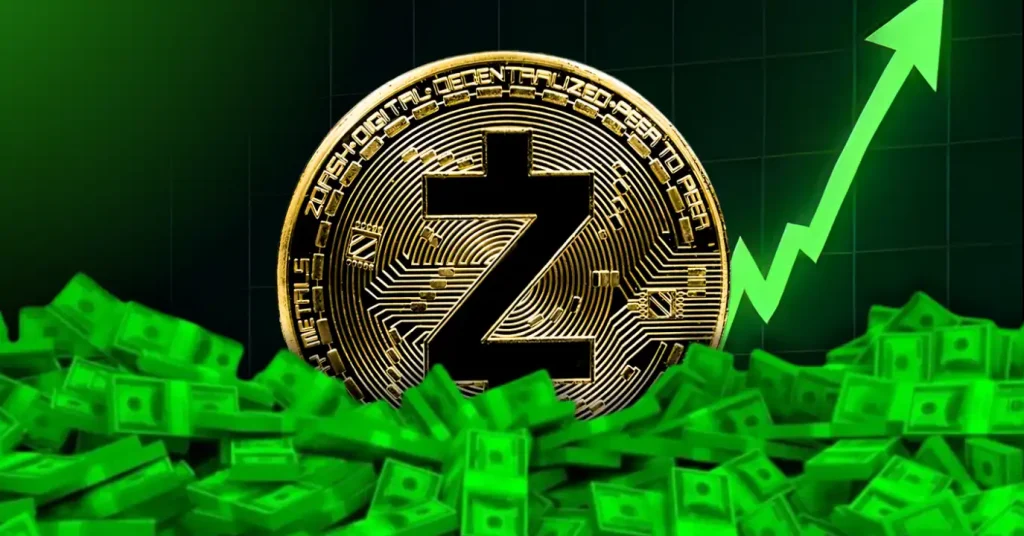
The $25 million seed funding round for Zcash Open Development Lab (ZODL), backed by major VCs like Paradigm and a16z crypto, signals renewed confidence and potential for enhanced development in the Zcash privacy ecosystem. Zcash price is approaching a critical descending resistance trendline near $230, with a successful breakout potentially leading to targets of $250-$260, while failure could result in a retest of the $200 support level. Recent on-chain data showing over $7 million in net ZEC inflows over two days, combined with the funding news, suggests accumulating interest and could support further price appreciation if sustained.
US prosecutors are pursuing a retrial for Tornado Cash co-founder Roman Storm on charges of conspiracy to commit money laundering and violate sanctions, indicating a continued legal battle that could set precedents for developer liability in decentralized technologies. The potential retrial, scheduled for October, highlights the ongoing legal uncertainty surrounding privacy tools and their developers, which could influence market sentiment and regulatory approaches towards similar projects. Despite a previous jury's inability to reach a verdict on these specific charges, the prosecution's decision to retry suggests a strong stance that may lead to significant legal outcomes impacting the broader crypto industry's approach to privacy and compliance.
The significant 44% crash of MANTRA highlights the inherent risks of holding altcoins without thorough due diligence, contrasting with the audited presale of Pepeto which emphasizes foundational infrastructure development. Cardano (ADA) faces resistance around $0.26-$0.30, with whale movements and a descending trendline suggesting potential downside risk, making infrastructure plays like Pepeto appear more attractive for stable growth. Pepeto's presale, backed by a founder with a track record of building to multi-billion dollar valuations and a completed SolidProof audit, presents a potential infrastructure investment opportunity ahead of its Binance listing.

South Korean authorities have successfully sold 320.8 BTC recovered from a phishing incident, realizing approximately $21.5 million for the national treasury. The sale was conducted in small batches over 11 days, indicating an effort to minimize market impact and avoid significant price disruption. This event highlights the ongoing challenges in managing seized digital assets and the potential for recovered funds to re-enter circulation.
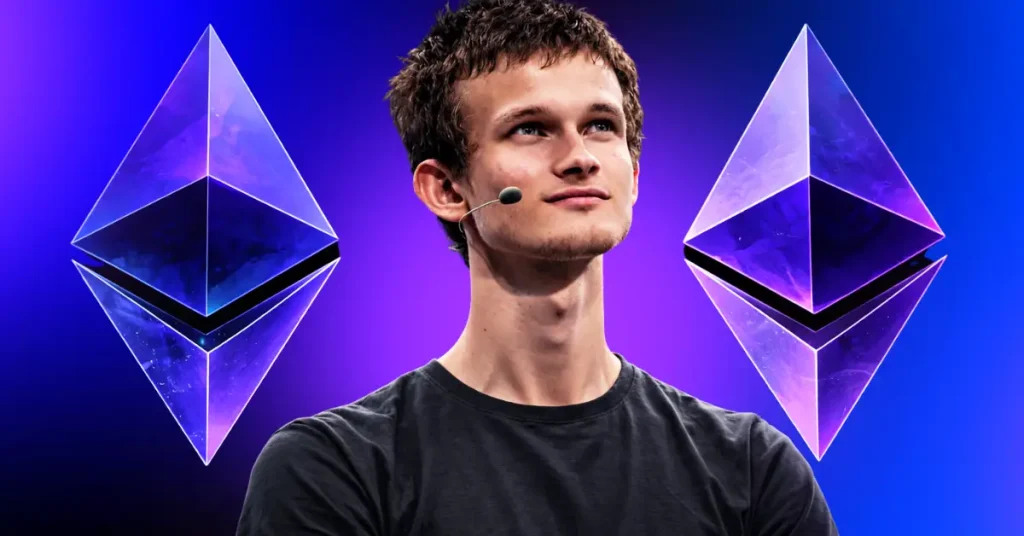
Vitalik Buterin's push for simplified Ethereum staking aims to democratize validator participation, potentially increasing network decentralization and security by lowering technical barriers for institutions and retail users. The Ethereum Foundation's testing of a distributed staking system with 72,000 ETH signifies a concrete step towards achieving 'one-click' staking, which could significantly boost ETH staking adoption if successful. While current ETH staking participation is high, the complexity of running nodes has been a limiting factor; a simplified staking process could unlock further capital into staking, potentially impacting ETH's supply dynamics and price.

The UK government's new fraud strategy identifies cryptocurrency as a growing risk, particularly in investment fraud, signaling increased regulatory scrutiny. Despite concerns, blockchain analysis firm Chainalysis highlights crypto's transparency as a tool for tracking illicit flows, suggesting a dual narrative of risk and investigative potential. The strategy's focus on transnational crime and cross-border operations implies that efforts to combat crypto-related fraud will likely involve international cooperation and enhanced data sharing. The acknowledgement of lawful privacy uses for coin mixers by the US Treasury, juxtaposed with the UK's fraud concerns, indicates a complex and evolving regulatory landscape for privacy-enhancing technologies.
Signal context only. Validate with price action, liquidity, and risk limits before taking a position.
