
Navigating Crypto News

CoinFeather
Navigating Crypto News
Quick market read from this story
The increasing use of USDT in illicit Amazonian gold trading highlights stablecoins' utility for bypassing sanctions and traditional financial controls in high-risk markets.
Venezuela's role as a hub for illicit gold flows, now facilitated by USDT, underscores the growing intersection of organized crime, commodity markets, and digital assets.
While Tether cooperates with law enforcement, the broader adoption of stablecoins in illicit activities necessitates enhanced regulatory scrutiny over digital asset flows.
The convergence of tokenized gold products and illicit USDT usage in commodity trading signals a significant reshaping of traditional markets by blockchain technology.
Deep Dive
A growing link between illegal gold mining in the Amazon Basin and cryptocurrency payments has been revealed, with illegally mined gold from the region reportedly being traded in Venezuela using the stablecoin Tether (USDT). Venezuela has emerged as a major regional destination for illicit gold flows over the past two years, with its gold sector generating approximately $2.2 billion in revenue last year. Stablecoins like USDT offer a fast, borderless payment method that can help actors bypass sanctions or banking restrictions.
Historically, gold smuggling in the Amazon primarily involved gold extracted in Venezuela being trafficked outward. However, recent research indicates a reversal, with Venezuela now receiving increasing volumes of illegally mined gold from neighboring countries like Brazil and Guyana. This shift is attributed to Venezuela's prolonged economic crisis, international sanctions, and declining oil revenues, which have led to an expansion of its gold mining sector. Political and military networks, along with transnational criminal organizations, now control mining zones, transportation, and cross-border supply chains, facilitating the flow of illicit gold.
The report highlights the increasing use of stablecoins, particularly USDT, in settling gold transactions. Unlike volatile cryptocurrencies, USDT maintains a stable value pegged to the U.S. dollar, making it suitable for physical commodity trading. This payment method offers advantages such as speed (settlement within minutes), borderless payments, sanctions circumvention, and liquidity, making it attractive in markets with limited access to the global financial system. In some instances, gold from Guyana has been sold in Venezuela directly for USDT.
The expansion of illicit gold mining poses significant environmental and social concerns, including large-scale deforestation, water pollution from mercury used in processing, and severe health risks to local communities. The gold trade also serves as a key funding source for organized crime groups in the Amazon Basin. The convergence of illegal mining, criminal networks, and cryptocurrency payments presents new challenges for global regulators and law enforcement.
In response to concerns about USDT's role in illicit transactions, Tether has stated its cooperation with law enforcement agencies. The company reports having frozen approximately $4.2 billion in assets linked to criminal activities. Tether emphasizes its ability to track blockchain transactions and block suspicious wallets, arguing that public ledgers can make illicit flows more traceable than traditional financial systems. However, critics call for stronger oversight of stablecoins' expanding role in global commerce.
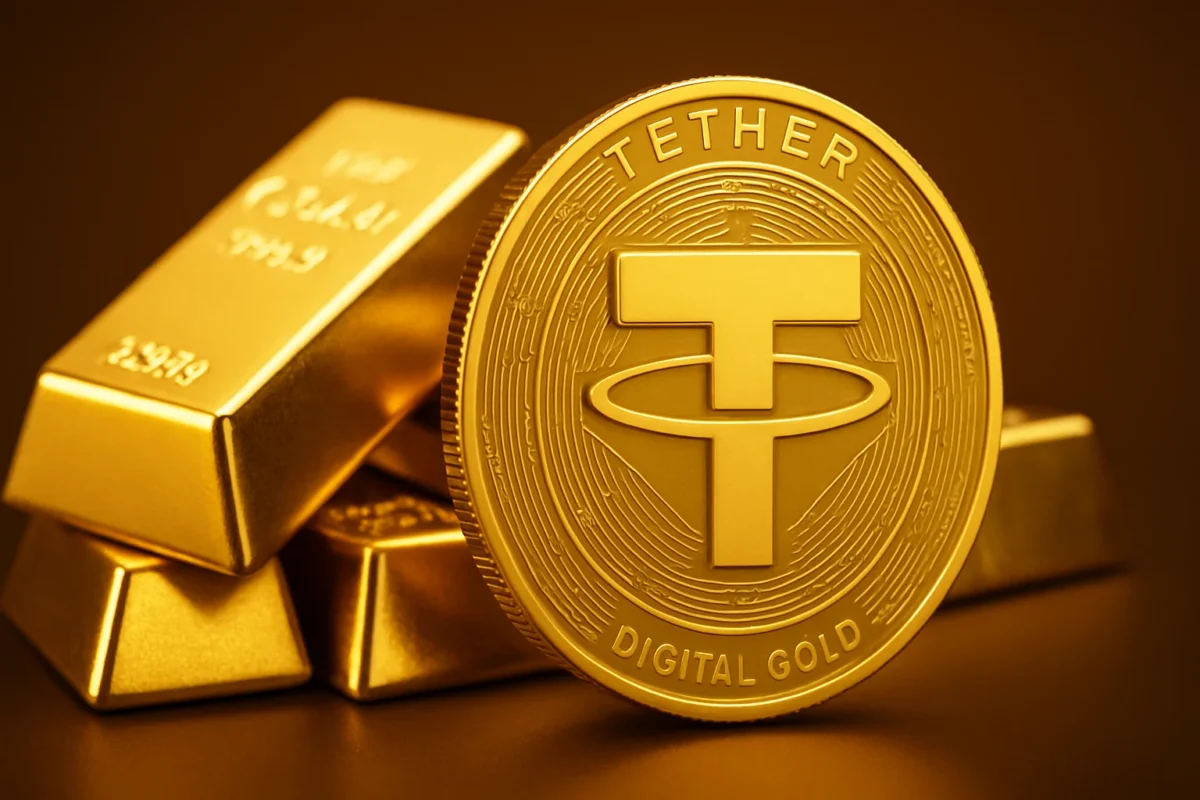
Beyond illicit markets, blockchain technology is also shaping legitimate commodity trading through products like Tether Gold (XAU₮), a token backed by physical gold reserves. Disclosures indicate that the custodian holds over 520,000 fine troy ounces of gold, with a market value exceeding $2.2 billion. Each token represents at least one fine troy ounce of gold, offering investors exposure to the metal via blockchain-based assets.
The trend indicates that digital assets are increasingly embedded in global commodity markets. Stablecoins are being adopted in emerging economies as alternatives to unstable national currencies and as tools for international payments. This growing adoption presents both economic opportunities and potential risks. As cryptocurrency infrastructure expands, regulators and financial institutions are expected to increase scrutiny on how digital assets intersect with traditional industries, highlighting the rapid convergence of these worlds, as exemplified by the Amazonian gold trade.
Source, catalyst, and sector overlap from the latest feed.
Geopolitical tensions impacting Iran's mining capacity are a minor concern for the global Bitcoin network, as only 8-10% of hashrate is on oil-sensitive grids, with the majority insulated from crude price shocks. The primary risk to Bitcoin miners stems from potential price compression of BTC due to geopolitical stress pushing capital away from risk assets, rather than direct increases in energy costs. Public Bitcoin miners are strategically pivoting towards AI and HPC workloads, leveraging their infrastructure for higher revenue streams, with over $65 billion in contracts already secured, indicating a structural shift in the industry. While the Iran conflict presents a double exposure for Gulf-based miners (rising power costs and potential BTC price drops), the broader industry trend towards AI infrastructure offers a hedge against volatile crypto market conditions.
Kraken's listing of Pi Network (PI) as the first major US exchange to do so provides significant market validation, potentially paving the way for broader adoption and further exchange listings. Despite the listing, PI remains 91% below its all-time high, and substantial monthly token unlocks present a structural selling pressure that could cap near-term upside. The concurrent development of Pi Network's native DEX and infrastructure upgrades suggests a strategic push towards building a functional Web3 ecosystem, aiming to convert its large user base into active participants. While the user base is large, the conversion to active on-chain participation and the impact of tokenomics, particularly early miner unlocks, remain key challenges for Pi Network's long-term success.
Hong Kong's proactive regulatory framework for stablecoins, requiring 100% reserve backing and strict AML compliance, signals a move towards institutional adoption and potentially increased stability in the sector. The licensing of major banks like HSBC and Standard Chartered for stablecoin issuance indicates a significant step in bridging traditional finance with digital assets, potentially compressing cross-border settlement times and enhancing corporate treasury liquidity. Hong Kong's comprehensive digital asset roadmap, including licensing for virtual asset dealing and custody, alongside cross-border blockchain initiatives, positions it as a competitive hub for institutional digital asset business. The distinction between licensed stablecoins and tokenized deposits highlights Hong Kong's nuanced approach to digital assets, aiming to foster innovation while maintaining robust financial oversight.
Ethereum ETFs are showing renewed momentum with significant inflows, particularly from Fidelity and BlackRock, suggesting increasing institutional confidence and potential for price appreciation as staking capabilities are explored. Bitcoin ETFs continue to lead institutional demand with consistent inflows, reinforcing BTC's market dominance and providing a stabilizing force for its price around the $70,000 level. Solana ETFs are attracting early but steady institutional interest, indicating a growing diversification trend beyond BTC and ETH as investors recognize the potential of high-performance blockchains. XRP investment products are experiencing modest outflows, highlighting a divergence in institutional capital allocation and suggesting a cautious approach towards assets facing regulatory or market-specific headwinds.
Bitcoin's stabilization above $71,000 suggests consolidation, potentially setting the stage for further upside if key psychological levels are maintained. Despite overall market cap growth, cautious sentiment persists, indicated by a low Fear & Greed Index, suggesting traders are awaiting clearer macro or regulatory signals before committing significant capital. While Bitcoin shows stability, selective altcoins and meme coins are exhibiting strength, though the Altcoin Season Index remains below the threshold for a broad altcoin rally, indicating continued Bitcoin dominance. The market is in a consolidation phase, with potential catalysts like ETF inflows, regulatory clarity, and macro shifts expected to drive the next significant price movement.
Senate Majority Leader John Thune indicates the CLARITY Act is unlikely to advance before April, citing other legislative priorities and potentially delaying regulatory clarity for the digital asset market. Despite potential delays, projections from Kristin Smith and JPMorgan suggest the CLARITY Act could still pass by July 2026, highlighting ongoing efforts to establish a clearer regulatory framework. Former President Donald Trump's call to fast-track the CLARITY Act and his warning about China gaining an advantage underscore the geopolitical implications of US regulatory inaction. The differing timelines and political pressures surrounding the CLARITY Act suggest a complex and uncertain path forward for crypto regulation in the US, impacting market sentiment and investment decisions.
Billionaire investor Stanley Druckenmiller predicts stablecoins could dominate global payment systems within 10-15 years, highlighting their efficiency and cost-effectiveness over traditional infrastructure. Despite skepticism towards most cryptocurrencies, Druckenmiller acknowledges Bitcoin's established role as a store of value, driven by its brand recognition and user adoption. Druckenmiller's long-term outlook suggests potential for crypto assets to challenge the U.S. dollar's reserve currency status, though he expresses personal dislike for many crypto projects.
Circle's USDC transaction volumes surpassing Tether's USDT for the first time since 2019 indicates a significant shift in stablecoin market dynamics, potentially driven by real economic usage rather than just market capitalization. Mizuho's price target hike for Circle to $120, despite a neutral rating, suggests growing institutional confidence in the stablecoin issuer's growth trajectory and market position. The increasing adoption of USDC for use cases like Polymarket and agentic commerce, coupled with Mizuho's revised long-term forecasts for wallet numbers and market capitalization, points to sustained growth potential for Circle's ecosystem.
SBI Holdings' expansion of its XRP rewards program to SBI ARUHI signifies a continued effort to integrate blockchain technology into traditional financial services, potentially increasing XRP adoption among a broader investor base in Japan. The inclusion of SBI ARUHI, a mortgage services provider, in the XRP rewards program could drive demand for XRP by offering it as a tangible shareholder benefit, thereby encouraging wider use and familiarity with the token. This strategic move by SBI Holdings, a major financial institution, reinforces XRP's utility beyond payments and could be interpreted as a positive signal for its ecosystem development and potential for increased institutional engagement.
Yield-bearing stablecoins are experiencing rapid growth, outperforming the broader stablecoin market significantly, indicating a strong demand for stable, yield-generating crypto products amidst regulatory uncertainty. The divergence in regulatory approaches between the House and Senate regarding yield on stablecoins presents a key catalyst for potential market shifts and regulatory clarity, impacting issuer strategies and investor confidence. Despite regulatory headwinds in Washington, the increasing market cap and adoption of yield-bearing stablecoins suggest a maturing market segment that offers an alternative to traditional financial products, attracting capital seeking yield without direct crypto volatility exposure. The focus of leading yield-bearing stablecoins on single-asset offerings rather than payment use cases, as noted by Messari, highlights a strategic shift towards functioning more like money market funds or bank deposits, attracting a different investor profile.
Live Feed
Loading the broader stream in the same flow as the homepage feed.

The Ethereum Foundation has published a new mandate clarifying its long-term role, emphasizing self-sovereignty and core principles like censorship resistance, open source, privacy, and security (CROPS). The foundation aims to become less influential over time as the ecosystem matures, focusing on work other participants are unlikely to undertake, such as long-term research and public goods security. This strategic clarification by the EF signals a commitment to decentralization and individual freedom, reinforcing Ethereum's foundational ethos amidst evolving technical roadmaps and organizational transitions. The EF's stated goal of reducing its relative influence suggests a focus on enabling the ecosystem to self-sustain and govern, potentially leading to more decentralized decision-making processes.

The increasing demand for AI-driven data centers is fueling a revival in nuclear power, with Bitcoin miners being early adopters of this energy source for high-performance computing operations. Bitcoin miners' strategic pivot towards nuclear energy, evidenced by growing adoption and partnerships like TeraWulf's with Talen Energy, signals a trend towards securing stable, carbon-free baseload power. The trend of Bitcoin miners utilizing nuclear power, which has grown from 4% in 2021 to nearly 10% in 2022 and continues to rise, highlights a significant shift in the energy mix for mining operations, potentially impacting operational costs and sustainability narratives. The development of small modular reactors (SMRs) presents a future opportunity for colocation with energy-intensive infrastructure like data centers and large-scale Bitcoin mining, indicating potential for further integration and efficiency gains.
The release of XRP Ledger Software version 3.1.2 addresses a critical node outage glitch, enhancing network stability and reliability for participants. This update follows an emergency patch for a bug in the Batch amendment, indicating ongoing efforts to secure and stabilize the XRPL protocol. While the immediate node outage is resolved, the ongoing voting process for the XRP Ledger Lending protocol amendment highlights the gradual nature of protocol upgrades and adoption.
Shiba Inu (SHIB) has experienced a significant weekly price increase of 17%, its strongest performance since December 2025, indicating a potential shift in market sentiment. Technical analysis using Bollinger Bands suggests a realistic upside potential of approximately 22% for SHIB, targeting a price of $0.00000760, driven by current market momentum. The current week's strong performance, the most 'green' since December 2025, combined with technical indicators, supports a bullish outlook for SHIB in the short term.
The recent 10% price surge in PI coin is primarily driven by its listing on Kraken, significantly expanding trading access and liquidity for the token. Anticipation for the annual Pi Day event on March 14, coupled with ongoing mainnet technical upgrades, is fueling community activity and renewed trading interest. While technical indicators suggest strong momentum and a shift towards a stronger trend, the RSI nearing overbought territory indicates potential for short-term consolidation.
Binance Coin (BNB) has surpassed $666, driven by a bullish golden cross technical signal and positive market sentiment. The price surge is supported by an 18.18% increase in trading volume, indicating strong investor interest and potential for further upside towards the $688-$718 range. BNB's performance is crucial for maintaining its fourth market cap rank against XRP, highlighting ongoing competition for dominance among major altcoins.
Despite a 7% rally in Dogecoin's spot market price, Dogecoin ETFs recorded zero net inflows over the past 24 hours, indicating a disconnect between retail price action and institutional investment sentiment. The sustained lack of inflows into Dogecoin ETFs since early March suggests that institutional capital is not yet participating in the current price appreciation, potentially limiting upside momentum. While Dogecoin's price shows resilience defending the $0.09 support level, the absence of ETF inflows points to a market consolidation phase rather than a strong bullish breakout, requiring further capital to sustain a rally.
Bitcoin's price action is testing key resistance around $74,000 following favorable US PCE inflation data, which has boosted risk assets and suggests a potential continuation of the bullish trend if this level is overcome. Despite the positive inflation print, market sentiment remains divided, with some analysts warning of a potential "bearish retest" and significant price drop if current support levels fail, highlighting the importance of monitoring on-chain indicators like open interest. The re-crossing of Bitcoin's 50-day moving average is a technical signal that could embolden bulls, but the divergence in trader outlook suggests a volatile period ahead as the market digests inflation data against potential bearish technicals.

The article highlights the maturation of staking in 2026, moving from experimental to a foundational element of digital wallets, driven by predictable rewards and the rise of liquid staking. Platforms like ChangeNOW are emphasizing non-custodial staking, offering users greater control and security by retaining private keys, which appeals to privacy-conscious investors. Major exchanges such as Binance, Kraken, KuCoin, and Crypto.com are diversifying their staking offerings, catering to different user preferences from broad selection to curated security and lifestyle integration. The evolving staking landscape in 2026 suggests a shift towards user-centric options, where diversification across platforms and strategies is key for building a resilient portfolio.
Macroeconomic data indicating cooling inflation and a resilient jobs market is interpreted by the market as a positive signal for risk assets, potentially increasing the likelihood of Fed rate cuts and fueling crypto rallies. The crypto market experienced a significant short squeeze, with nearly $200 million in short positions liquidated, which accelerated the upward price movement across major assets like Bitcoin and Ethereum. Despite the current rally, the Fear and Greed Index remains in 'fear' territory, suggesting that while momentum is positive, underlying caution persists, creating potential for further volatility. Bitcoin's ability to hold above the $72,000 level is a key indicator for near-term price action, with a sustained close above this mark potentially opening the path towards $75,000 and higher.
XRP experienced a 5% price bounce, coinciding with a significant surge in XRP Ledger transactional activity to over 640 million XRP, suggesting a potential short-term recovery driven by increased network usage. Despite the recent price rebound and heightened ledger activity, XRP's market structure remains unstable, trading below key moving averages, indicating that a sustained trend reversal is not yet confirmed. While increased on-chain payment volume can be a bullish indicator, historical data shows that XRP Ledger activity has risen previously without leading to sustained price appreciation, warranting caution.

Geopolitical tensions have led to the cancellation of major crypto conferences in Dubai, impacting networking and deal-making opportunities for industry participants. The postponement of Token2049 Dubai and cancellation of TON Connect highlight the sensitivity of large-scale events to regional instability, potentially shifting future event planning. While direct price impact is unlikely, the disruption to industry gatherings can indirectly affect sentiment and the flow of information within the crypto ecosystem.
XRP Ledger validators are currently considering two amendments, 'SingleAssetVault' and 'Lending Protocol,' which aim to enhance lending capabilities and improve vault functionality. The proposed amendments face a significant hurdle in achieving the required 80% validator consensus, with current voting percentages at 22.86% and 17.14% respectively, suggesting a potential reset and re-vote. The low participation in the voting process indicates a lack of immediate consensus or urgency among validators, potentially delaying or indefinitely postponing the implementation of these new features. Past issues with XRPL amendments, such as the 'Batch amendment' bug, underscore the critical importance of thorough review processes before activation, highlighting the network's focus on security and stability.
Slowing US economic growth, evidenced by a revised Q4 2025 GDP of 0.7%, coupled with persistent inflation, creates a complex environment for the Federal Reserve, limiting immediate rate cut options. While the Fed is widely expected to hold rates steady at the upcoming FOMC meeting, the deteriorating economic outlook suggests a potential shift in future monetary policy, which traders are closely monitoring for Bitcoin's benefit. Historically, Fed rate cuts are bullish for Bitcoin as they encourage a move towards risk assets; the current economic slowdown, despite sticky inflation, increases the eventual case for cuts, making the timing a key factor for Bitcoin traders. Bitcoin's current resilience above $73,537, even with a weaker economic backdrop and geopolitical tensions, highlights its potential to act as a hedge and attract capital as the market anticipates future monetary easing.
Bitcoin's exchange reserves hitting 2019 lows and a 5-month high in scarcity index suggest tightening supply, which historically precedes price appreciation. The surge in the futures/spot ratio to an 18-month high indicates increased leverage in the derivatives market, potentially amplifying short-term price movements but also signaling strong conviction from active traders. Combined inflows into ETFs and treasuries, alongside reduced exchange balances, create a bullish backdrop for Bitcoin by decreasing readily available supply and indicating long-term accumulation. Despite increased derivatives activity, the underlying trend of reduced exchange liquidity and rising scarcity points to a strengthening bullish outlook for Bitcoin, even amidst broader market uncertainty.
Bitcoin's reclaim of $73,000, driven by a significant short squeeze, indicates strong underlying demand and potential for further upside if the level holds. The surge in liquidations, particularly of short positions, highlights the impact of leveraged trading on price volatility and suggests a potential shift in market sentiment towards bullishness. While Bitcoin leads the current rally, sustained outperformance from Ethereum and major altcoins will be crucial to confirm a broader market recovery and the start of an altseason. Traders should monitor Bitcoin's ability to hold above $71,000-$72,000 support and observe for declining liquidation totals and balanced funding rates as indicators of a healthy upward trend.
Signal context only. Validate with price action, liquidity, and risk limits before taking a position.
