
Navigating Crypto News

CoinFeather
Navigating Crypto News
Quick market read from this story
Yield-bearing stablecoins are experiencing rapid growth, outperforming the broader stablecoin market significantly, indicating a strong demand for stable, yield-generating crypto products amidst regulatory uncertainty.
The divergence in regulatory approaches between the House and Senate regarding yield on stablecoins presents a key catalyst for potential market shifts and regulatory clarity, impacting issuer strategies and investor confidence.
Despite regulatory headwinds in Washington, the increasing market cap and adoption of yield-bearing stablecoins suggest a maturing market segment that offers an alternative to traditional financial products, attracting capital seeking yield without direct crypto volatility exposure.
The focus of leading yield-bearing stablecoins on single-asset offerings rather than payment use cases, as noted by Messari, highlights a strategic shift towards functioning more like money market funds or bank deposits, attracting a different investor profile.
Deep Dive
Yield-bearing stablecoins have experienced a growth rate 15 times faster than the broader stablecoin market over the past six months, according to a Messari report. This surge highlights a growing demand for blockchain-based dollar products offering yield without direct exposure to crypto volatility, even as US lawmakers remain divided on how to regulate such instruments.
The significant increase in yield-bearing stablecoins was propelled by substantial market cap growth in several key assets. Circle's USYC saw a 198% rise, Paxos' Global Dollar (USDG) increased by 169%, Tron DAO's Decentralized USD (USDD) grew by 114%, and Ondo Finance's Ondo US Dollar Yield (USDY) rose by 91%. In contrast, the overall stablecoin market capitalization saw a more modest 9% increase during the same period.
Messari noted that leading yield-bearing stablecoins are increasingly resembling money market funds or bank deposits, with top issuers focusing on single-asset offerings rather than payment-related use cases. This trend began in mid-October 2025, indicating a preference for stable, yield-generating digital assets.
Currently, yield stablecoins are collectively valued at $22.7 billion, marking an 11% increase in the last 30 days, according to Stablewatch data. This represents a doubling from the $11 billion market capitalization recorded in May 2025. However, yield-bearing stablecoins still constitute only about 7.4% of the total stablecoin market capitalization, which stands at $303 billion, up from 4.5% a year prior.
Among the top performers by yield, Maple's Syrup USDC led with an annual percentage yield (APY) of 4.54% this week. It was followed by Maple USDT at 4.17% APY, Sky Lending's SUSDS at 3.75% APY, and Ethena's USDe at 3.49% APY, according to Messari.
Despite the growing adoption, regulatory progress in the US remains stalled. Lawmakers are divided over provisions concerning yield-bearing stablecoins within market structure bills. Senate Majority Leader John Thune indicated that the chamber is unlikely to advance the crypto market structure bill before April.
Yield-bearing stablecoins have become a contentious issue, with banking groups expressing concerns that they could create a loophole, drawing deposits away from traditional banks. The Senate Banking Committee postponed its markup in January due to ongoing bipartisan negotiations.
The Digital Asset Market Structure Clarity Act (CLARITY Act), passed by the House of Representatives on July 17, 2025, aims to establish a clear regulatory framework for digital assets. Meanwhile, the federal stablecoin framework, the GENIUS Act, signed into law on July 18, 2025, prohibits interest or yield payments for holding a payment stablecoin, though it permits third-party platforms to offer reward programs.
Source, catalyst, and sector overlap from the latest feed.
Bitcoin's price action is testing key resistance around $74,000 following favorable US PCE inflation data, which has boosted risk assets and suggests a potential continuation of the bullish trend if this level is overcome. Despite the positive inflation print, market sentiment remains divided, with some analysts warning of a potential "bearish retest" and significant price drop if current support levels fail, highlighting the importance of monitoring on-chain indicators like open interest. The re-crossing of Bitcoin's 50-day moving average is a technical signal that could embolden bulls, but the divergence in trader outlook suggests a volatile period ahead as the market digests inflation data against potential bearish technicals.
The offer of $100 monthly payments to Nevis residents by Olivier Janssens' Destiny project, an increase from $11, is being criticized as an attempt to influence government approval for a tech-friendly libertarian community. This development highlights a growing trend of crypto entrepreneurs seeking to establish self-governing communities, potentially as an 'exit' strategy from existing regulatory environments. The controversy surrounding the project's funding and local opposition suggests potential regulatory scrutiny and community backlash, impacting the feasibility and timeline of such 'network state' initiatives.
Law enforcement's disruption of the SocksEscort proxy service, which facilitated crypto fraud and account takeovers, signals increased regulatory and operational pressure on illicit activities within the digital asset space. The seizure of $3.5 million in cryptocurrency and 34 domains highlights the growing capability of international agencies to track and freeze illicit funds, potentially deterring future criminal enterprises reliant on crypto anonymity. While this action targets criminal infrastructure, it underscores the ongoing risks associated with cryptocurrency usage for illicit purposes, reinforcing the need for enhanced security measures by both platforms and individual users.
The Bank of England is signaling a more open stance towards stablecoins, indicating potential for future regulatory clarity and market development in the UK. While the BOE is open to feedback on its proposed stablecoin framework, the lack of specific industry proposals for alternative risk mitigation suggests a continued regulatory hurdle. The evolving BOE stance towards a 'multi-moneyverse' with competing forms of money could foster innovation and competition within the UK's financial landscape if regulation is balanced.
Prediction markets are demonstrating sustained growth, with monthly volumes exceeding $13 billion, indicating a maturing financial category beyond experimental status. Resolution infrastructure is emerging as the primary bottleneck for prediction markets, shifting focus from liquidity to trust and reliable settlement mechanisms. The evolution of resolution from a product feature to a trust anchor is critical for prediction markets to scale into dependable financial systems, attracting institutional capital. Future growth in prediction markets will depend on building robust resolution infrastructure that ensures deterministic and auditable outcomes, rather than solely on user acquisition.
U.S. sanctions targeting individuals and companies involved in laundering $800 million in crypto for North Korea highlight the ongoing challenges of illicit finance in the digital asset space. The involvement of various crypto infrastructure, including centralized exchanges, DeFi services, and cross-chain bridges, underscores the need for enhanced regulatory oversight across the entire digital asset ecosystem. The Treasury's action, which identified specific wallet addresses across multiple blockchains, signals increased scrutiny on crypto transactions linked to state-sponsored illicit activities and potential future enforcement actions. While the direct impact on major cryptocurrencies may be limited, the news reinforces a bearish sentiment for assets and platforms perceived as facilitating illicit flows, potentially leading to increased compliance costs and operational risks.
Binance is actively defending against renewed allegations of enabling Iran-linked crypto transactions, highlighting recent dismissals of anti-terrorism claims and emphasizing its commitment to sanctions enforcement. The ongoing Justice Department investigation into Binance's alleged role in sanctions evasion, coupled with renewed political scrutiny from U.S. Democrats, presents a persistent regulatory overhang for the exchange. Binance's lawsuit against The Wall Street Journal signals a strong stance against reporting it deems inaccurate, indicating a willingness to engage in legal battles to protect its reputation amidst regulatory pressures.
The decoupling of crypto from traditional risk assets, evidenced by a negative correlation with the S&P 500 and gold, suggests digital assets are increasingly driven by their own fundamental narratives and adoption trends. BlackRock's launch of the Staked Ethereum Trust (ETHB) repositions ETH as a yield-bearing asset, potentially increasing demand and reducing sell-side pressure through staking lockups. Positive regulatory signals, including the US Senate blocking a retail CBDC and unconfirmed reports of zero crypto tax, combined with sustained ETF inflows, suggest a supportive environment for continued market momentum. The broad-based altcoin rally, alongside Bitcoin's strength, indicates fresh capital entering the crypto market, signaling potential for wider ecosystem growth beyond just the largest assets.
XRP Ledger validators are currently considering two amendments, 'SingleAssetVault' and 'Lending Protocol,' which aim to enhance lending capabilities and improve vault functionality. The proposed amendments face a significant hurdle in achieving the required 80% validator consensus, with current voting percentages at 22.86% and 17.14% respectively, suggesting a potential reset and re-vote. The low participation in the voting process indicates a lack of immediate consensus or urgency among validators, potentially delaying or indefinitely postponing the implementation of these new features. Past issues with XRPL amendments, such as the 'Batch amendment' bug, underscore the critical importance of thorough review processes before activation, highlighting the network's focus on security and stability.
Bitcoin's reclaim of $73,000, driven by a significant short squeeze, indicates strong underlying demand and potential for further upside if the level holds. The surge in liquidations, particularly of short positions, highlights the impact of leveraged trading on price volatility and suggests a potential shift in market sentiment towards bullishness. While Bitcoin leads the current rally, sustained outperformance from Ethereum and major altcoins will be crucial to confirm a broader market recovery and the start of an altseason. Traders should monitor Bitcoin's ability to hold above $71,000-$72,000 support and observe for declining liquidation totals and balanced funding rates as indicators of a healthy upward trend.
The increasing use of USDT in illicit Amazonian gold trading highlights stablecoins' utility for bypassing sanctions and traditional financial controls in high-risk markets. Venezuela's role as a hub for illicit gold flows, now facilitated by USDT, underscores the growing intersection of organized crime, commodity markets, and digital assets. While Tether cooperates with law enforcement, the broader adoption of stablecoins in illicit activities necessitates enhanced regulatory scrutiny over digital asset flows. The convergence of tokenized gold products and illicit USDT usage in commodity trading signals a significant reshaping of traditional markets by blockchain technology.
Live Feed
Loading the broader stream in the same flow as the homepage feed.

The article highlights the maturation of staking in 2026, moving from experimental to a foundational element of digital wallets, driven by predictable rewards and the rise of liquid staking. Platforms like ChangeNOW are emphasizing non-custodial staking, offering users greater control and security by retaining private keys, which appeals to privacy-conscious investors. Major exchanges such as Binance, Kraken, KuCoin, and Crypto.com are diversifying their staking offerings, catering to different user preferences from broad selection to curated security and lifestyle integration. The evolving staking landscape in 2026 suggests a shift towards user-centric options, where diversification across platforms and strategies is key for building a resilient portfolio.
Macroeconomic data indicating cooling inflation and a resilient jobs market is interpreted by the market as a positive signal for risk assets, potentially increasing the likelihood of Fed rate cuts and fueling crypto rallies. The crypto market experienced a significant short squeeze, with nearly $200 million in short positions liquidated, which accelerated the upward price movement across major assets like Bitcoin and Ethereum. Despite the current rally, the Fear and Greed Index remains in 'fear' territory, suggesting that while momentum is positive, underlying caution persists, creating potential for further volatility. Bitcoin's ability to hold above the $72,000 level is a key indicator for near-term price action, with a sustained close above this mark potentially opening the path towards $75,000 and higher.
XRP experienced a 5% price bounce, coinciding with a significant surge in XRP Ledger transactional activity to over 640 million XRP, suggesting a potential short-term recovery driven by increased network usage. Despite the recent price rebound and heightened ledger activity, XRP's market structure remains unstable, trading below key moving averages, indicating that a sustained trend reversal is not yet confirmed. While increased on-chain payment volume can be a bullish indicator, historical data shows that XRP Ledger activity has risen previously without leading to sustained price appreciation, warranting caution.

Geopolitical tensions have led to the cancellation of major crypto conferences in Dubai, impacting networking and deal-making opportunities for industry participants. The postponement of Token2049 Dubai and cancellation of TON Connect highlight the sensitivity of large-scale events to regional instability, potentially shifting future event planning. While direct price impact is unlikely, the disruption to industry gatherings can indirectly affect sentiment and the flow of information within the crypto ecosystem.
SBI Holdings' expansion of its XRP rewards program to SBI ARUHI signifies a continued effort to integrate blockchain technology into traditional financial services, potentially increasing XRP adoption among a broader investor base in Japan. The inclusion of SBI ARUHI, a mortgage services provider, in the XRP rewards program could drive demand for XRP by offering it as a tangible shareholder benefit, thereby encouraging wider use and familiarity with the token. This strategic move by SBI Holdings, a major financial institution, reinforces XRP's utility beyond payments and could be interpreted as a positive signal for its ecosystem development and potential for increased institutional engagement.
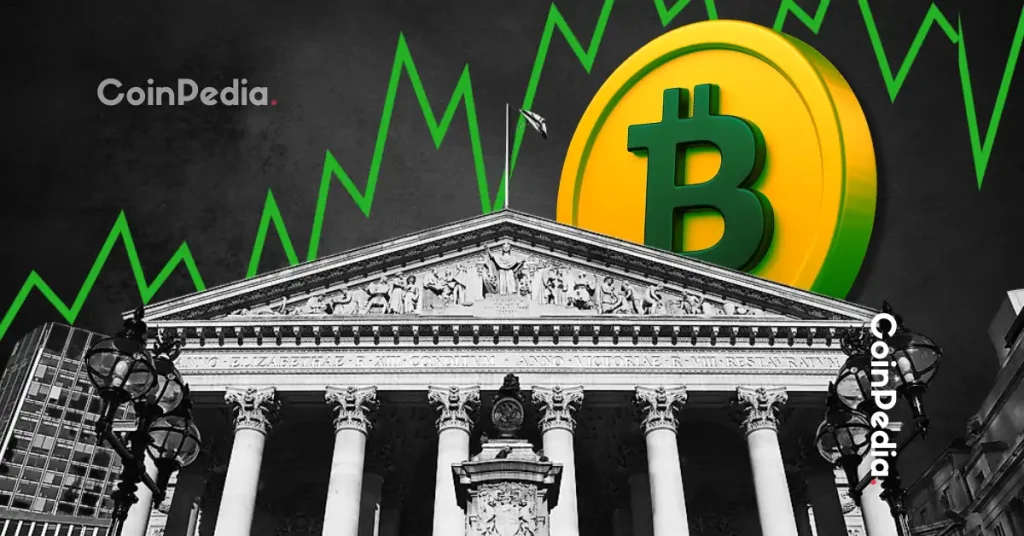
Slowing US economic growth, evidenced by a revised Q4 2025 GDP of 0.7%, coupled with persistent inflation, creates a complex environment for the Federal Reserve, limiting immediate rate cut options. While the Fed is widely expected to hold rates steady at the upcoming FOMC meeting, the deteriorating economic outlook suggests a potential shift in future monetary policy, which traders are closely monitoring for Bitcoin's benefit. Historically, Fed rate cuts are bullish for Bitcoin as they encourage a move towards risk assets; the current economic slowdown, despite sticky inflation, increases the eventual case for cuts, making the timing a key factor for Bitcoin traders. Bitcoin's current resilience above $73,537, even with a weaker economic backdrop and geopolitical tensions, highlights its potential to act as a hedge and attract capital as the market anticipates future monetary easing.

Bitcoin's exchange reserves hitting 2019 lows and a 5-month high in scarcity index suggest tightening supply, which historically precedes price appreciation. The surge in the futures/spot ratio to an 18-month high indicates increased leverage in the derivatives market, potentially amplifying short-term price movements but also signaling strong conviction from active traders. Combined inflows into ETFs and treasuries, alongside reduced exchange balances, create a bullish backdrop for Bitcoin by decreasing readily available supply and indicating long-term accumulation. Despite increased derivatives activity, the underlying trend of reduced exchange liquidity and rising scarcity points to a strengthening bullish outlook for Bitcoin, even amidst broader market uncertainty.

Geopolitical tensions impacting Iran's mining capacity are a minor concern for the global Bitcoin network, as only 8-10% of hashrate is on oil-sensitive grids, with the majority insulated from crude price shocks. The primary risk to Bitcoin miners stems from potential price compression of BTC due to geopolitical stress pushing capital away from risk assets, rather than direct increases in energy costs. Public Bitcoin miners are strategically pivoting towards AI and HPC workloads, leveraging their infrastructure for higher revenue streams, with over $65 billion in contracts already secured, indicating a structural shift in the industry. While the Iran conflict presents a double exposure for Gulf-based miners (rising power costs and potential BTC price drops), the broader industry trend towards AI infrastructure offers a hedge against volatile crypto market conditions.
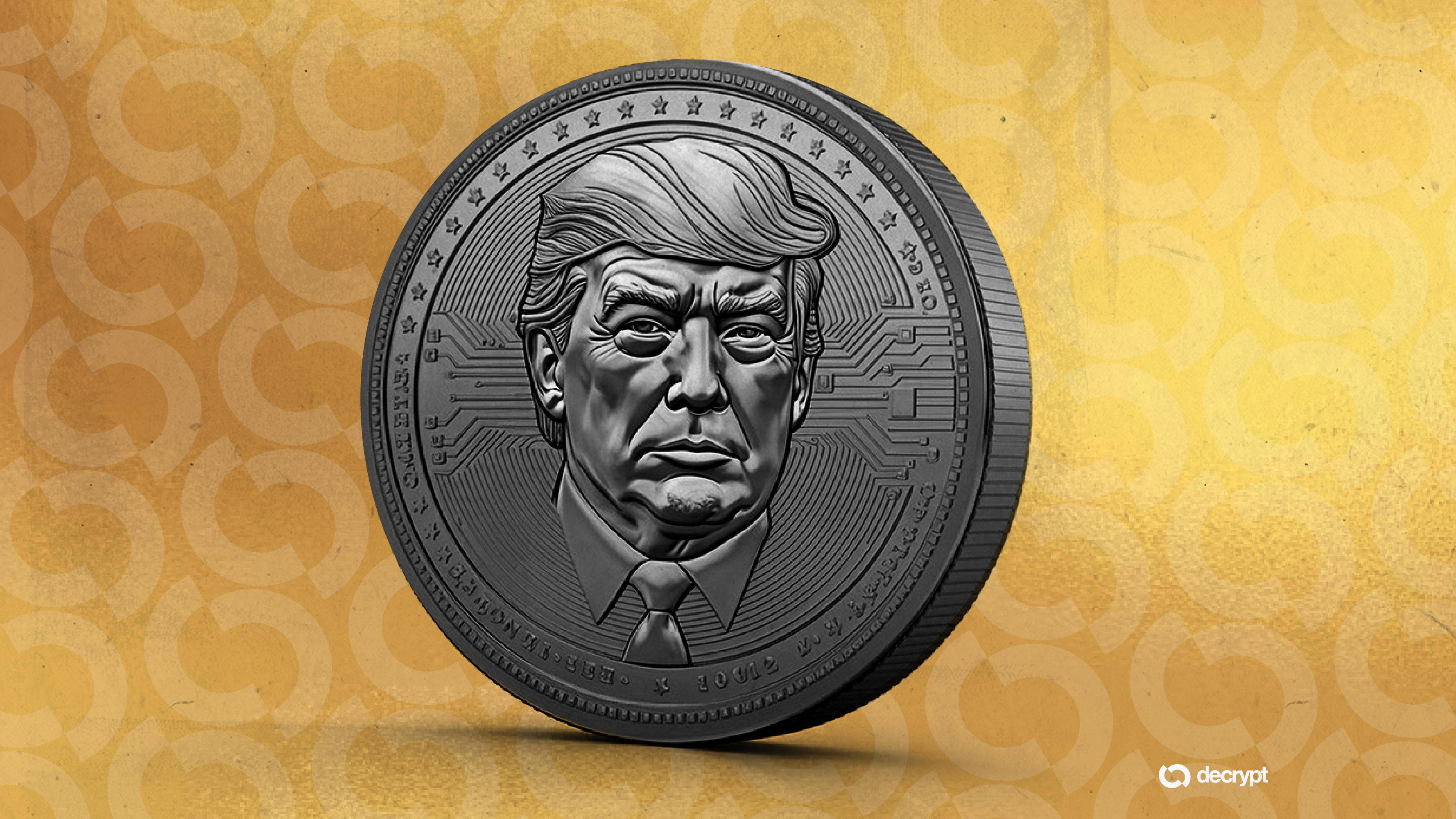
The rally in TRUMP, Pi Network, and Render tokens highlights a rotation into specific narratives driven by project-specific catalysts, rather than a broad market altcoin season. The Official Trump token's surge is directly linked to an upcoming event with Donald Trump, indicating a speculative play on political association. Kraken's listing of Pi Network token provides a significant liquidity and accessibility boost, potentially attracting new users and capital to the ecosystem. Render's continued ascent, driven by AI developments and token burns, signals sustained interest in the AI sector and its associated infrastructure.

Bitcoin has reached a one-month high of $73,800, outperforming traditional assets like stocks and gold since the start of the Iran conflict. Negative funding rates for perpetual futures traders, sustained for the longest period since late 2022, suggest a potential short squeeze scenario is developing. A potential break above $74,000 could signal a move towards $80,000, while a rejection might keep Bitcoin within its recent trading range. The recent price action indicates a potential shift in market sentiment, with Bitcoin showing resilience and breaking a five-month losing streak in March.
Adobe's stock experienced a significant 8.85% drop driven by the unexpected retirement announcement of its long-time CEO, overshadowing strong Q1 earnings and raising concerns about leadership transition amidst intense AI competition. Despite solid Q1 results and positive outlook for Creative Cloud, Document Cloud, and AI features, the market's focus on CEO Shantanu Narayen's departure amplifies fears of leadership uncertainty and competitive threats from AI startups. Technical indicators show a breakdown below key moving averages, and analyst price targets have been slashed, suggesting potential further downside risk if the company fails to navigate the leadership change effectively and address AI disruption. While some analysts maintain a bullish long-term view based on Adobe's historical performance and AI monetization potential, the immediate market reaction indicates a 'value trap' scenario unless a strong successor is appointed and competitive challenges are effectively managed.
Shibarium's ongoing indexing issues, with only 41% of blocks processed, are causing temporary display discrepancies for tokens and NFTs, impacting user confidence in asset visibility. Despite recent infrastructure upgrades and RPC changes aimed at improving stability, the continued indexing delays on Shibariumscan highlight ongoing recovery efforts and potential user friction. The Shiba Inu team's focus on rebuilding the network and addressing user concerns, alongside the launch of the SOU token for impacted users, signals a commitment to ecosystem resilience.

BlackRock's launch of the Staked Ethereum Trust ETF (ETHB) reframes Ethereum from a complex tech bet to a yield-bearing asset, potentially attracting traditional investors seeking income and broadening its appeal beyond pure crypto speculation. The ETHB product simplifies Ethereum's narrative for mainstream investors by emphasizing monthly income potential and brokerage account accessibility, directly addressing previous investor complaints about unstaked Ether lacking yield. While Grayscale previously offered staking rewards in its ETPs, BlackRock's involvement signifies mainstream ratification and leverages its vast distribution network, potentially shifting capital allocation towards ETH as a hybrid growth and yield asset. The success of ETHB hinges on whether the yield proposition outweighs ETH's inherent volatility and staking risks, with a potential 'black swan' scenario involving operational, liquidity, or regulatory issues impacting high-visibility products.
Signal context only. Validate with price action, liquidity, and risk limits before taking a position.
