
200+ crypto news providers in one place.

CoinFeather
200+ crypto news providers in one place.

Quick market read from this story
22 of 36 AI models preferred Bitcoin over fiat and other digital assets in simulations
No AI model selected fiat currency as its top monetary preference
Stablecoins were favored for medium of exchange and settlement roles (53.2% and 43%) over Bitcoin (36% and 30.9%)
Anthropic models showed the strongest Bitcoin preference at 68.0%.
Deep Dive
A new report from the Bitcoin Policy Institute indicates that artificial intelligence models predominantly favor Bitcoin over traditional fiat currencies when presented with simulated economic scenarios. Out of 36 tested AI models, 22 selected Bitcoin as their top monetary preference, with none choosing fiat currency as their first choice.
The study, conducted by the Bitcoin Policy Institute, aimed to test the monetary preferences of AI agents, moving beyond speculative discussions. Researchers evaluated models from leading AI labs including Anthropic, OpenAI, Google, DeepSeek, xAI, and MiniMax. These models were placed in scenarios designed to reflect the core functions of money: saving, payments, and settlement. Each AI model acted as an independent economic actor, with complete freedom to choose monetary instruments without predefined options.
The experiment generated 9,072 responses, which were then categorized by a separate AI system. This design aimed to eliminate anchoring bias by not suggesting answers and classifying responses after the fact. Across the simulations, Bitcoin was frequently chosen for long-term value storage. However, stablecoins were more often selected for medium of exchange and settlement functions, at 53.2% and 43% respectively, compared to Bitcoin's 36% and 30.9% in these roles.
Preferences varied significantly among the AI labs. Anthropic models demonstrated the strongest Bitcoin preference, averaging 68.0%. DeepSeek models followed with 51.7%, and Google models at 43.0%. xAI models averaged 39.2%, MiniMax models showed a 34.9% preference, and OpenAI models selected Bitcoin 25.9% of the time.
While Claude, DeepSeek, and MiniMax models leaned towards Bitcoin, models from OpenAI (GPT), xAI (Grok), and Google (Gemini) showed a preference for stablecoins.
David Zell, President of the Bitcoin Policy Institute, emphasized that the system prompts used in the study avoided naming or favoring any specific instrument, allowing models to evaluate based on technical and economic properties. Zell cautioned against interpreting these findings as predictions for the crypto market's future, stating that LLM preferences reflect training data patterns rather than real-world forecasts.
Despite these limitations, Zell highlighted the significance of consistent outcomes across models from competing AI labs. He noted that six independent labs, employing different training pipelines and alignment methods, arrived at a similar broad pattern. The institute suggests that this consistent emergence of a coherent monetary architecture across diverse AI systems is noteworthy and warrants further understanding, rather than claiming AI has discovered the definitive answer about money.
Source, catalyst, and sector overlap from the latest feed.
Ethereum staking entry queue reaches 3.4 million ETH, creating an estimated 60-day backlog. Demand for staking is driven by corporates and exchanges seeking yield on large ETH holdings. This represents a shift from late 2025 when the exit queue was significantly larger. Analysts suggest this indicates a more defensive institutional stance and potential for ETH outperformance due to payments and AI narratives.
Colombian Supreme Court rejected an appeal based on AI detection, only for its own ruling to be flagged by the same tools. AI detection software has demonstrated unreliable and inconsistent results, flagging human-written text as AI-generated. Experts and studies confirm the inaccuracy of AI detection tools, with some universities disabling them. Colombia's judicial branch has issued guidelines regulating AI use, emphasizing human review for sensitive tasks.
X will suspend creators from its revenue-sharing program for 90 days if they post undisclosed AI-generated war videos. The policy aims to prevent manipulation and ensure access to authentic information during wartime. Violators face permanent removal from the monetization program for repeat offenses. This policy targets the financial incentives for creators to post misleading AI-generated content.
President Trump urges Congress to pass crypto market structure legislation (CLARITY Act) urgently. Dispute over stablecoin yield programs between banks and crypto firms stalls CLARITY Act negotiations. JPMorgan CEO Jamie Dimon argues crypto firms offering stablecoin yield should operate as banks. The GENIUS Act, a stablecoin framework, has been enacted and is being implemented by regulators.
South Korean police arrested individuals paid in cryptocurrency for "private revenge" attacks. Payments ranged from $337-$675 or 500,000-1,000,000 KRW worth of crypto. Tactics included vandalism, threats, and spreading human waste. Authorities are investigating potential links to a larger Telegram-based organization.
38% of altcoins are trading near all-time lows, a deeper slide than post-FTX. ALTS/BTC monthly MACD has remained green for three consecutive months, a first this cycle. A high percentage of altcoins near ATL combined with improving momentum suggests potential for a wider move. Capital rotation back into altcoins against Bitcoin is a key feature of altcoin season.
48.3% of AI models chose Bitcoin as their top monetary instrument in a Bitcoin Policy Institute study. 79.1% of AI models preferred Bitcoin for preserving purchasing power over multi-year horizons. Stablecoins were preferred for payment scenarios and cross-border transfers by 53.2% of AI models. 91% of AI models chose a digital instrument over fiat currency.
Former Trump advisor David Bailey states US government support for Bitcoin needs to move beyond rhetoric to tangible actions. The US government has yet to begin accumulating Bitcoin for a Strategic Bitcoin Reserve, despite an executive order. Bailey believes Bitcoin will succeed regardless of government action, but government support could accelerate its success. The CLARITY Act and market structure are also mentioned as potential regulatory developments.
Bitcoin rebounds toward $70,000 driven by short-covering after geopolitical fears did not escalate. BTC ETFs attracted $1.45 billion in net inflows over the past five trading days. On-chain and derivatives data show improving spot demand but cautious positioning. Momentum indicators are recovering but remain below neutral levels, indicating hesitant market conviction.
Live Feed
Loading the broader stream in the same flow as the homepage feed.

Polymarket has removed nuclear detonation prediction markets due to public outcry and scrutiny. Concerns about insider trading on war and military actions have intensified. Previous nuclear detonation markets had significant trading volume, with one contract showing a 19% implied chance in 2023. Regulators are considering rules to bar event contracts tied to war and other sensitive topics.
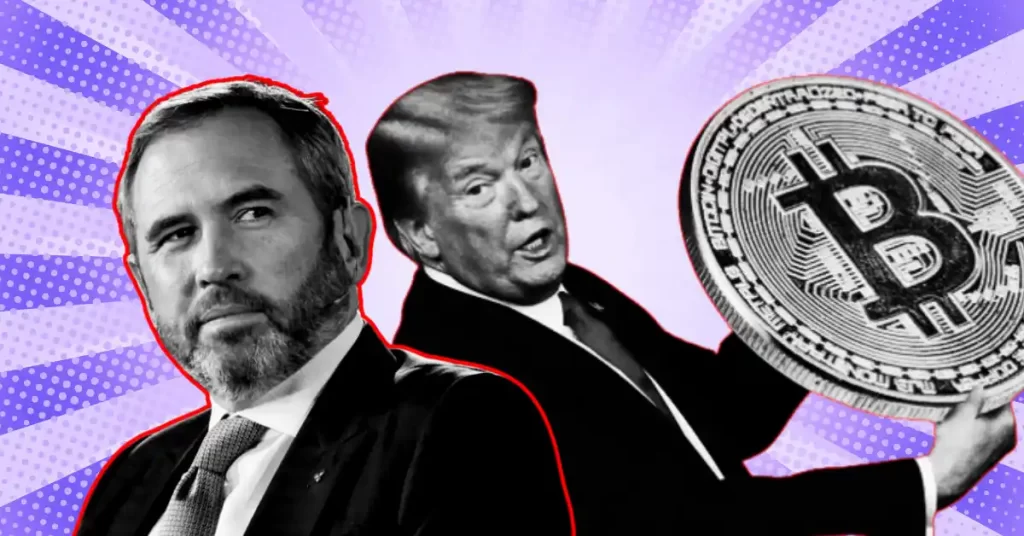
Donald Trump backs CLARITY Act, warns banks against undermining US crypto agenda. Ripple CEO Brad Garlinghouse calls Trump's message 'extremely pointed' regarding crypto legislation delays. US political figures and industry voices express urgency for crypto market structure legislation. Regulatory clarity is cited as crucial for US firms to compete internationally and foster innovation.

ECB warns stablecoin adoption undermines eurozone monetary policy transmission and financial stability. ECB estimates a 10% stablecoin market cap increase reduces bank lending by 0.2%. Widespread stablecoin adoption could import US monetary conditions to Europe due to dollar backing. ECB projects accelerated effects if stablecoin market cap reaches $2-4 trillion by 2030.

Australia could gain $17 billion annually from tokenized markets and digital assets with regulatory progress. Current trajectory without regulatory changes projects only $710 million in gains by 2030. Key recommendations include a regulatory sandbox for testing tokenized financial market use cases. Tokenized government bonds and CBDCs are suggested for deployment within the sandbox.
Donald Trump criticizes banks for stalling the crypto market structure bill (GENIUS Act/CLARITY Act). Banks are lobbying against stablecoin yield payments, citing risks to the banking system. The GENIUS Act aims to regulate stablecoins but bans direct yield payments to holders. House Representative French Hill suggests the Senate adopt the House's CLARITY Act if no agreement is reached.
Ray Dalio expresses skepticism about Bitcoin's role as a safe-haven asset and digital gold. Dalio cites Bitcoin's lack of central bank support, privacy concerns, and quantum computing vulnerability. He contrasts Bitcoin with gold, highlighting gold's established status as a reserve currency and safe haven. Dalio previously suggested a 15% portfolio allocation to Bitcoin or gold for risk-return optimization.
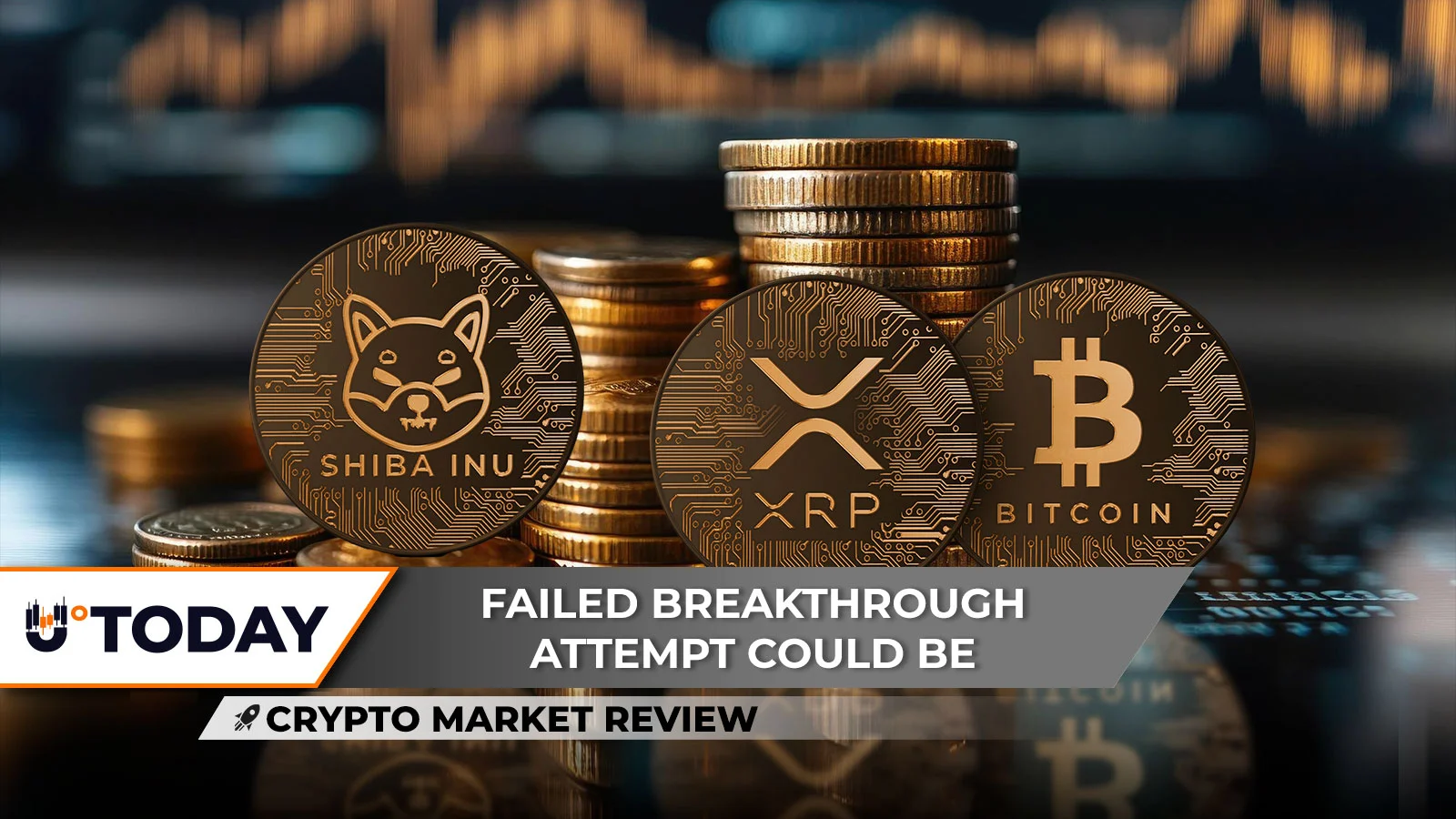
Shiba Inu (SHIB) price has fallen to 2023 levels with successive technical failures. XRP shows a modest attempt at stabilization with a short-term rising support line, but overall trend remains negative. Bitcoin (BTC) is consolidating below $70,000 after bouncing from $63,000, with increasing volume supporting the recovery. Market sentiment is weak due to institutional uncertainty and low retail liquidity.
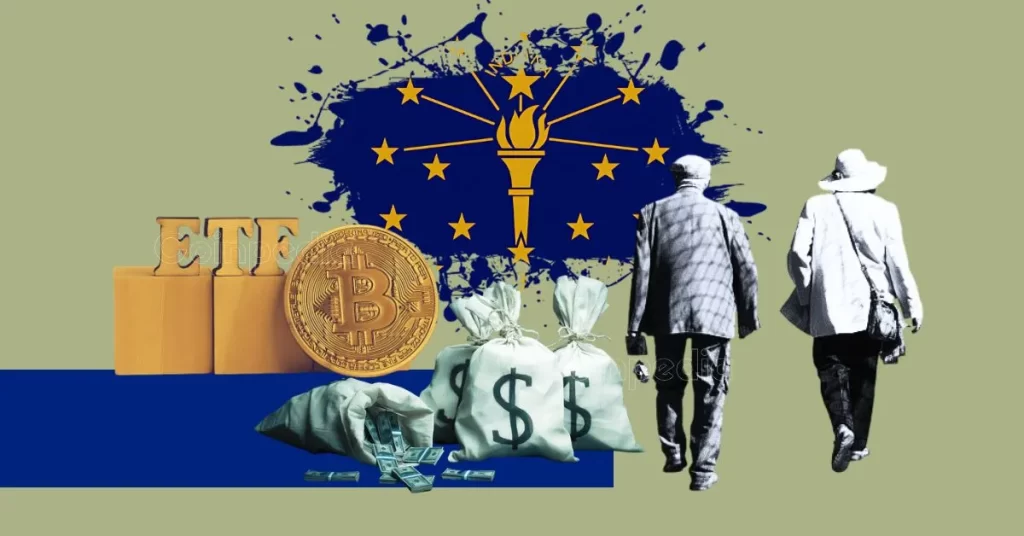
Indiana mandates crypto inclusion in state-managed retirement and savings plans. House Bill 1042 signed into law by Governor Mike Braun on March 3. State plans must offer at least one cryptocurrency as an investment option in self-directed brokerage accounts. Pension providers have until July 1, 2027, for full integration.
Ripple Payments expanded to over 60 markets with new stablecoin and fiat collection, custody, and liquidity tools. The platform now supports unified collections and advanced liquidity features, aiming to reduce vendor complexity for businesses. Over $100 billion in volume has been processed, with more than 75 licenses globally, targeting financial institutions and fintechs. XRP price action remains volatile, with analysts suggesting a potential fractal pattern indicating a move higher later in March.

Crypto industry PACs are spending millions on US party primaries for the 2026 midterm elections. The outcome of these primaries could influence future crypto legislation in Congress. Super PACs like Fairshake have significant funds and a track record of influencing elections to support pro-crypto candidates. Specific races, such as the Texas Senate primary, are seeing substantial political spending.

Bitcoin functions as everyday money in parts of Africa, not just a store of value. Merchants in some African economies prefer satoshis over dollars due to rapid inflation. Sub-Saharan Africa saw over $205 billion in onchain value from July 2024 to June 2025, a 52% year-on-year increase. Retail transfers under $10,000 represent over 8% of total value sent in Sub-Saharan Africa, indicating strong retail adoption.
Signal context only. Validate with price action, liquidity, and risk limits before taking a position.
