
Navigating Crypto News

CoinFeather
Navigating Crypto News
Quick market read from this story
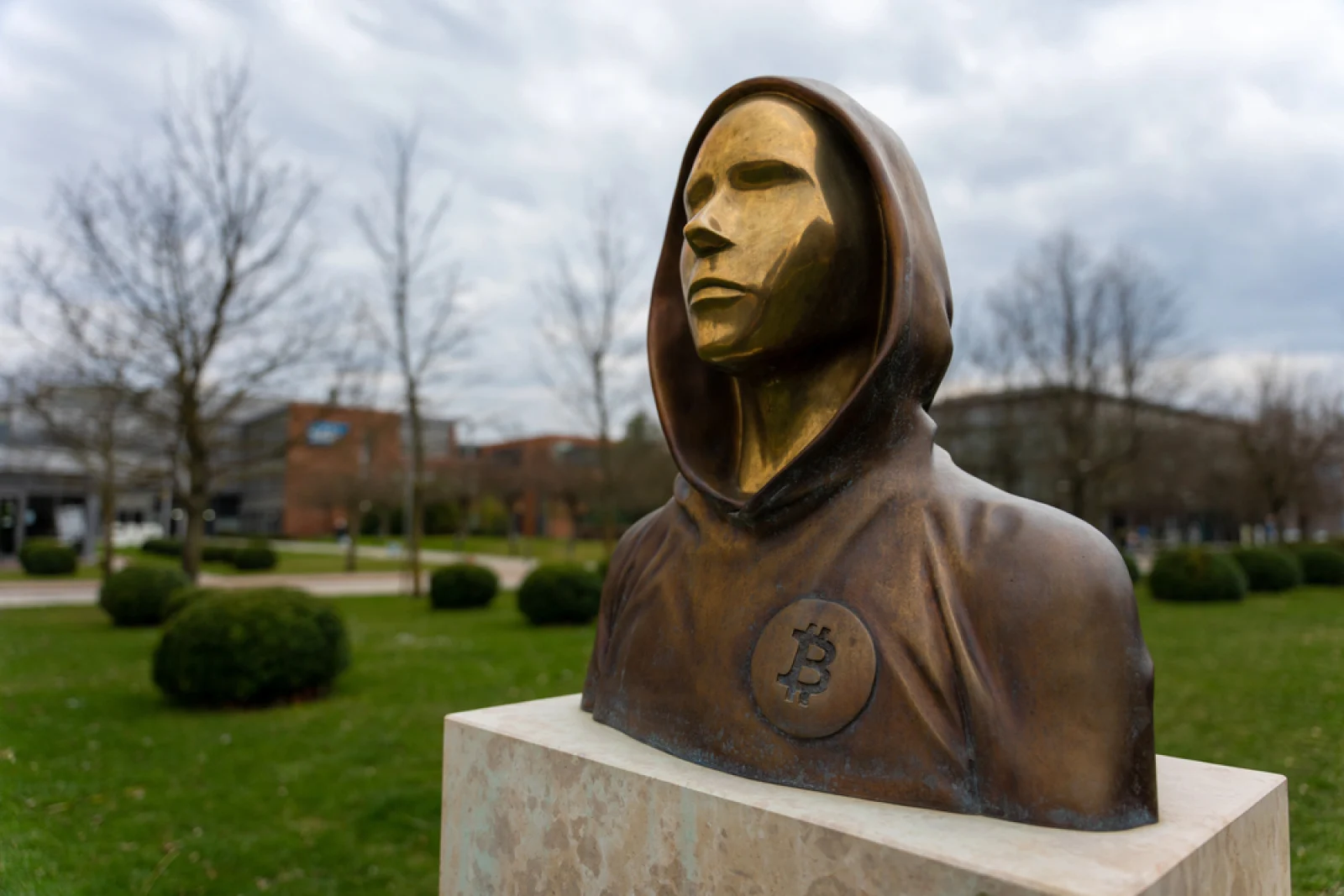
Adam Back has again denied being Satoshi Nakamoto, emphasizing that Bitcoin's creation was a synthesis of existing cryptographic concepts rather than a singular invention.
Back's assertion that Bitcoin's anonymity as a creator is a strength, not a weakness, reinforces the narrative of its decentralized and autonomous nature, which is a core tenet for its market perception.
The repeated discussion around Satoshi's identity, even with denials, highlights persistent market interest in Bitcoin's origins, though this specific development offers no direct trading catalyst.
Source, catalyst, and sector overlap from the latest feed.
The Ethereum Foundation's sale of 5,000 ETH, while seemingly a bearish signal, is part of a strategic treasury management plan to fund operations and R&D, indicating a long-term focus rather than immediate market pressure. The foundation's commitment to increasing ETH staking to 70,000, now achieved, suggests a strategy to generate revenue from network rewards, potentially reducing the need for future ETH sales and supporting the ecosystem. Utilizing a TWAP mechanism via CowSwap for the ETH sale aims to minimize market impact, signaling a sophisticated approach to treasury management that prioritizes stability and avoids price manipulation.
Live Feed
Loading the broader stream in the same flow as the homepage feed.
Significant exchange inflows of 157 billion SHIB tokens suggest potential distribution, indicating holders may be preparing to sell rather than accumulate. Despite a minor price uptick, SHIB's trading pattern remains within a dominant downtrend, with key moving averages acting as resistance and low volume limiting recovery potential. Rising exchange reserves coupled with flat to negative netflow and muted trading volume create an unfavorable supply-demand imbalance, pressuring SHIB's price.

South Korea's proposed 'Digital Asset Basic Act' signals a move towards comprehensive regulatory oversight, potentially impacting stablecoin issuers and digital asset businesses through licensing and stringent operational requirements. The legislation aims to establish a robust framework for digital assets, including specific rules for value-linked tokens, which could foster greater institutional adoption by clarifying operational and capital requirements. The proposed law addresses previous regulatory disagreements over stablecoin issuance, indicating a concerted effort to create a unified and leading global digital financial order from South Korea. By introducing rules on disclosures, internal controls, and market conduct, the proposed act seeks to enhance investor protection and prevent market manipulation, aligning with broader global trends in crypto regulation.

Centralized exchange trading volume has fallen 48% from its peak, indicating a significant cooling of market participation and potentially weaker underlying demand. The market's reliance on perpetual futures over spot trading ($3.5T vs $0.8T) suggests a shift towards leverage-driven activity, which can lead to increased volatility and fragile price action. Declining spot volumes across exchanges signal reduced long-term investor interest, while cooling futures activity points to fading speculative momentum, creating a less stable market environment. The fragmentation of liquidity across more exchanges, coupled with lower overall volume, may lead to choppier price discovery and less reliable trends in the near term.

The investigation linking World Liberty Financial's partner, AB network, to sanctioned individuals raises significant reputational and potential regulatory risks for the crypto project, despite claims of due diligence and no illicit fund flow. The news highlights the ongoing challenge of illicit finance in the crypto space, with a substantial portion of reported online scam losses attributed to cryptocurrency fraud, underscoring the need for enhanced due diligence in partnerships. While the direct financial impact on World Liberty Financial's stablecoin USD1 appears limited given its small market cap and holder base, the association with alleged scam operations could deter future adoption and partnerships.

Stricter crypto regulations in Asia are increasing personal accountability for senior leaders, necessitating robust governance and D&O insurance to mitigate risks. The FBI highlights a concerning trend of crypto scams evolving to target experienced investors through sophisticated 'pig butchering' tactics, leading to significant financial losses. Regulatory developments in Hong Kong, Singapore, and South Korea signal a global shift towards heightened scrutiny and personal liability for executives in the digital asset space. The increasing focus on personal accountability and the rise of advanced scams underscore the need for enhanced risk management and investor education within the crypto market.

Proposed U.S. Treasury regulations mandate stablecoin issuers implement robust anti-illicit finance controls, mirroring traditional financial institutions. These rules, stemming from the GENIUS Act, aim to enhance transaction monitoring and compliance with the Bank Secrecy Act, potentially increasing operational costs for stablecoin firms. The Treasury's approach emphasizes industry self-assessment of risks, suggesting a balance between regulatory oversight and operational autonomy for stablecoin issuers. The proposed framework is designed to protect the U.S. financial system from national security threats while seeking to avoid hindering innovation in the stablecoin ecosystem.

Iran's consideration of Bitcoin tolls for ships transiting the Strait of Hormuz introduces a novel use case for cryptocurrency in international trade and sanctions evasion. The reported $1 per barrel tariff in Bitcoin suggests a potential, albeit small-scale, demand driver for BTC, particularly if the geopolitical situation necessitates alternative payment rails. This development highlights the growing role of digital assets in circumventing traditional financial systems and sanctions, potentially influencing future geopolitical payment strategies.
The synchronized surge of XRP and Japan's Nikkei 225 following the Strait of Hormuz ceasefire highlights a growing correlation between geopolitical stability, energy market relief, and crypto asset performance, particularly for assets with strong institutional ties to affected regions. This development suggests that macroeconomic and geopolitical events are increasingly influencing crypto market dynamics, positioning XRP as a potential barometer for how global stability shifts impact digital assets with significant regional adoption. The reported whale accumulation of XRP and significant liquidity levels at key price points ($1.27-$1.35) indicate strong underlying demand and potential for continued price action, driven by both macro factors and on-chain activity.
Solana price hovers near key levels as ETF outflows hit markets, with $76 support and $90 resistance shaping the next move.
Key Takeaways US-Iran ceasefire drove ETH from $2,060 to $2,280 on April 8. Taker buy ratio rising structurally for four […] The post ETH Taker Ratio Turns Bullish: Institutions Already Left appeared first on Coindoo.

Iran's reported plan to charge oil tankers a Bitcoin toll for passage through the Strait of Hormuz introduces a novel use case for crypto as a sanctions-resistant trade infrastructure. The development signifies Bitcoin's potential role as a settlement instrument in geopolitical chokepoints, moving beyond speculative or ideological adoption narratives. While Bitcoin's traceability is a weaker point than claimed, its ability to bypass conventional banking rails makes it a plausible tool for sanctioned entities facing urgent trade needs. The market will closely watch for confirmation of actual BTC settlement versus potential use of stablecoins or other crypto assets, indicating a broader trend of digital assets facilitating trade under sanctions.
Signal context only. Validate with price action, liquidity, and risk limits before taking a position.
No explicit catalyst tagged.
Polygon Labs is seeking up to $100 million to establish a dedicated stablecoin payments business, signaling a strategic pivot towards becoming a full-stack payments processor rather than solely a blockchain provider. This funding round, if successful, positions Polygon to directly challenge traditional fintech players like Stripe by leveraging its Layer-2 infrastructure for increased stablecoin transaction volume. The move into the regulated payments sector is an unorthodox strategy for a core blockchain developer, highlighting Polygon's ambition to capture a significant share of the global digital payments market.
