
Navigating Crypto News

CoinFeather
Navigating Crypto News
Quick market read from this story
XRP's Binance volume Z-score has fallen to near-zero, historically preceding significant price movements, suggesting a potential breakout is building.
Despite low trading volume, XRP's profitability has hit a 21-month low, indicating a test of holder conviction and potential capitulation before a reversal.
The current low volatility and subdued market attention for XRP create a 'coiled spring' scenario, where pressure is building for a sharp move in either direction, contingent on broader market trends and renewed participation.
While a strong April rally is a narrative, the current data on XRP's volume and profitability suggests a holding pattern, with a breakout requiring a clear return of trading activity.
Source, catalyst, and sector overlap from the latest feed.
US Treasury launched a real time cyber threat intelligence program for digital asset firms to strengthen crypto cybersecurity defenses.
Japan's reclassification of crypto as financial instruments, coupled with insider trading bans and disclosure requirements, signals a move towards traditional finance oversight, potentially increasing institutional confidence and market integrity. The ongoing debate in the US regarding the Digital Asset Market Clarity Act highlights regulatory fragmentation, with disagreements over stablecoin yields potentially delaying crucial clarity for the digital asset market. Japan's exploration of crypto ETFs by 2028 and potential tax reductions indicate a strategic effort to become a more competitive global hub for digital asset investment, attracting both innovation and capital. While Japan enhances its regulatory framework, the US faces challenges in passing comprehensive legislation, creating a divergence in regulatory approaches that could influence global market development.
Live Feed
Loading the broader stream in the same flow as the homepage feed.

Aethir has contained a bridge exploit, limiting losses to under $90,000, which suggests a swift and effective response to a security incident. Despite the exploit, Aethir's main ATH supply on Ethereum remains unaffected, indicating that the core asset value is likely preserved. The platform's commitment to a compensation plan and detailed post-mortem report signals transparency and an effort to rebuild trust with its user base. The incident, while unfortunate, highlights ongoing security risks in DeFi bridges and the importance of rapid incident response for affected projects.
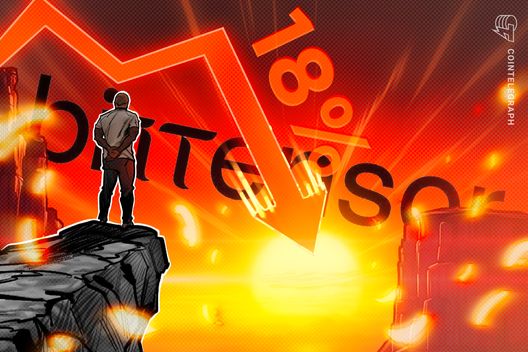
Covenant AI said it was leaving Bittensor due to its overreaching control on subnets and their large-scale TAO token sales, but Bittensor’s founder denied all allegations.

Bitcoin's narrow volatility range, the tightest since early 2024, suggests an imminent 40% price swing, with key liquidation levels at $75,000 and $70,000 acting as potential triggers. Upcoming U.S. CPI data poses a risk to Bitcoin, as higher-than-expected inflation could strengthen the U.S. dollar and pressure risk assets. The Bittensor (TAO) ecosystem faces significant disruption following a high-profile developer's departure, citing a lack of true decentralization, which has already led to a >12% price drop. The privacy sector is seeing renewed interest, evidenced by DASH's 34% surge and ZEC's price rise to nearly $400, despite traders hedging downside risks with negative funding rates.

The WLFI Markets initiative on Dolomite highlights a structural risk where a branded interface disclaims liability for the underlying lending protocol, potentially leaving lenders exposed to bad debt if collateral assets like WLFI fail. The architecture of WLFI Markets, which uses WLFI as collateral on Dolomite, creates an accountability gap, as both parties can point to their respective roles (interface vs. protocol) to deflect blame in case of liquidation failures. Dolomite's own risk documentation warns of bad debt from risky collateral, yet WLFI's market limits were repeatedly raised, suggesting growth incentives may have overridden risk management, creating a potential downside for liquidity providers. The Federal Reserve's concerns about stablecoin vulnerabilities, including complex intermediation and opacity, are exemplified by the WLFI/Dolomite structure, which could amplify stress due to its layered approach and distributed accountability.
The altcoin market cap (TOTAL3) has experienced a 40% drawdown from its peak, currently consolidating at a critical $710 billion support level, indicating potential for either accumulation or a further decline. The declining Altcoin Season Index (currently 35) suggests Bitcoin is outperforming most altcoins, and the current stablecoin inflows are likely in the Bitcoin accumulation phase, not yet signaling a rotation into altcoins. Despite modest stablecoin inflows, the lack of a capitulation wick and the declining index suggest the altcoin market is still finding its floor rather than preparing for a significant recovery, making the current situation a potential trap for unwary investors. The current market structure, characterized by price compression at support and moderate volume, combined with a declining Altcoin Season Index, points to a bearish near-term outlook for altcoins, with a lack of clear bullish signals for immediate upside.
Reports suggest Iran may demand Bitcoin for oil transit fees, positioning BTC as a neutral financial layer in geopolitical conflict resolution, which could significantly increase its adoption as a global settlement asset. The narrative of Bitcoin being used in international trade, coupled with Morgan Stanley's low-fee Bitcoin ETF launch, highlights a dual trend of institutional adoption and potential geopolitical utility, suggesting a broadening market perception of Bitcoin beyond a speculative asset. While skepticism exists regarding unconfirmed on-chain transactions, the viral nature of the claim and its discussion in high-stakes scenarios indicate a growing narrative that could influence market sentiment and potentially drive demand for Bitcoin as a censorship-resistant payment rail.

Key Insights: New Bitcoin news is drawing attention across the crypto industry as concerns around quantum computing threats continue to grow. In response, a Bitcoin researcher has put forward a new proposal that aims to make Bitcoin resistant to potential quantum attacks without requiring any changes to its core protocol. Reportedly, the idea was introduced […] The post Bitcoin News: New Proposal Aims to Make BTC Quantum-Safe Without Fork appeared first on The Coin Republic.
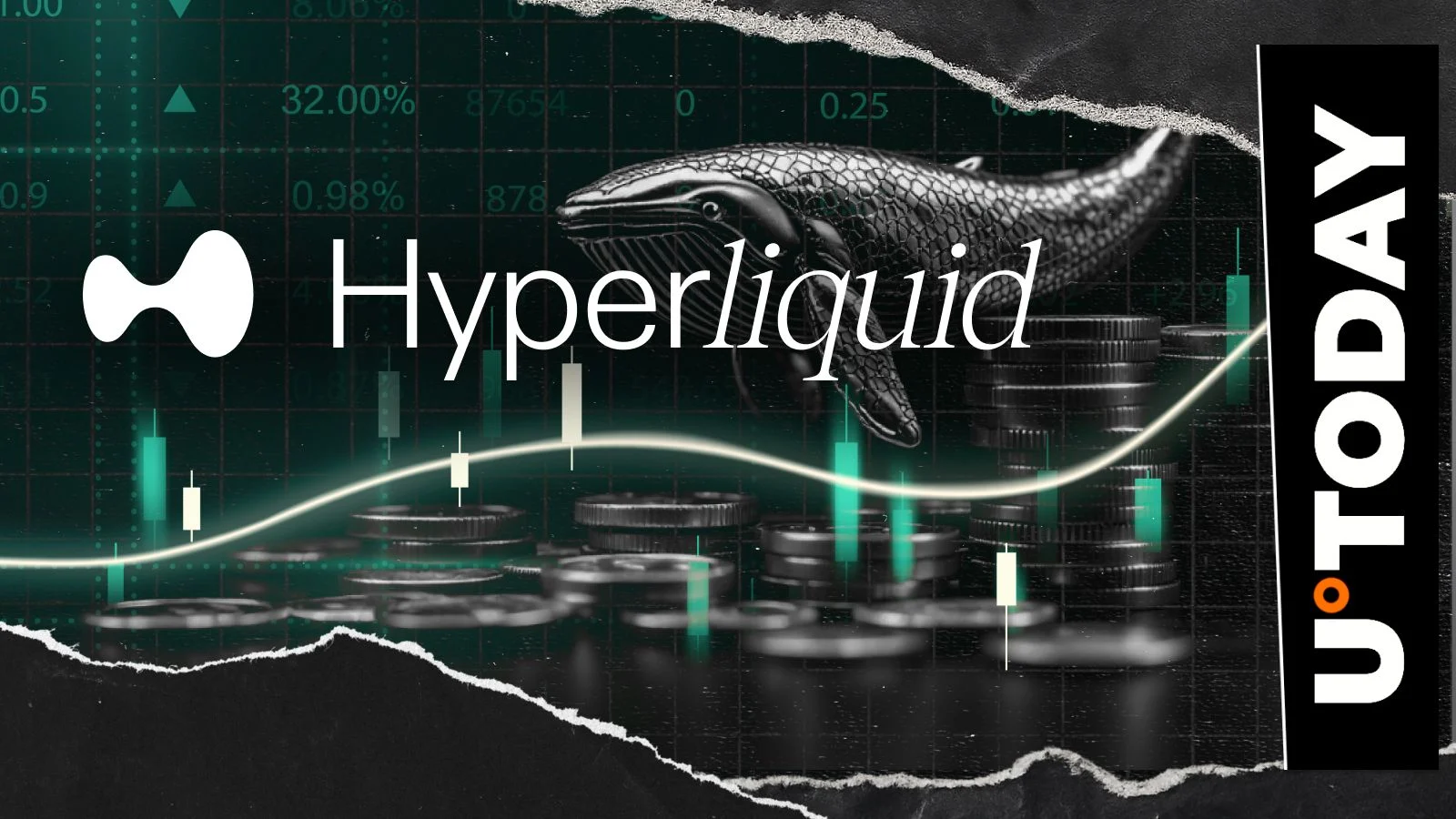
Significant whale accumulation of HYPE, with a new wallet depositing $5 million and purchasing $2.39 million in HYPE, signals strong conviction for a price continuation. HYPE's technical recovery above key moving averages (50, 100-day) combined with consolidation below resistance suggests absorption of supply and potential for an upward breakout. The RSI is at a healthy level, indicating bullish momentum is not yet exhausted, providing room for further price appreciation alongside on-chain whale activity. Despite risks of returning to lower support, the influx of new capital and improved technical structure suggest HYPE is poised for another upward move, diminishing the likelihood of a sharp near-term decline.

The CoinDCX impersonation case highlights the persistent threat of low-tech scams, where fake websites mimicking legitimate platforms can lead to significant financial losses and legal entanglements. While the court ultimately cleared CoinDCX's co-founders, the incident underscores the reputational and legal risks legitimate exchanges face from sophisticated impersonation tactics. The development of fake ecosystems, including Telegram channels and social media, by scammers demonstrates a scalable strategy that leverages brand credibility to deceive users, necessitating enhanced user vigilance. CoinDCX's proactive response with a "Digital Suraksha Network" initiative signals a growing industry focus on combating fraud through AI, data sharing, and law enforcement collaboration.

IPO Genie's presale reaching Phase 80 with over 2,000 holders indicates growing retail interest in accessing private market deals through its AI-powered platform. The project's focus on democratizing pre-IPO investing, with a low entry barrier and dual security audits, positions it as a potential disruptor in traditional venture capital access. The AI's reported success in identifying Redwood AI Corp before its public listing serves as a key example of IPO Genie's intended value proposition for early market signal detection.

Hong Kong's issuance of its first stablecoin licenses under the HKMA's new regime signals a significant step towards regulatory clarity and institutional adoption in the region. The approval of major financial institutions like HSBC alongside ventures involving Standard Chartered indicates a growing mainstream acceptance and integration of stablecoins within traditional finance. This development establishes a regulated framework for stablecoin issuers in Hong Kong, potentially attracting further innovation and capital into the local digital asset ecosystem.

The approvals by the Hong Kong Monetary Authority, the territory's central bank, mark the first batch under the Stablecoins Ordinance, which took effect in August 2025.
Signal context only. Validate with price action, liquidity, and risk limits before taking a position.
No explicit catalyst tagged.
