
Navigating Crypto News

CoinFeather
Navigating Crypto News

Quick market read from this story
Former Ripple employee William Sculley highlights that institutional capital is shifting towards yield-generating strategies rather than pure price appreciation in crypto.
Delta-neutral strategies applied to XRP could offer 8-15% annual yields, making the asset attractive for institutions seeking consistent returns independent of market direction.
The significant untapped capital in crypto's $2 trillion market cap, with less than 5% in DeFi yield strategies, presents a substantial opportunity for on-chain financial products.
The development of 'Financial Grade DeFi' could reframe XRP's investment case from price speculation to yield capture, potentially driving institutional adoption regardless of bull or bear market conditions.
Deep Dive
A former Ripple insider, William Sculley, has detailed a compelling case for why the next influx of institutional capital into the cryptocurrency market will prioritize yield generation over price speculation, with XRP positioned at the core of this emerging trend. Sculley's analysis focuses on delta-neutral strategies, a sophisticated trading approach employed by major hedge funds like Citadel and Millennium to achieve consistent returns irrespective of market direction.
These delta-neutral strategies are designed to remain balanced, enabling them to deliver steady returns, typically ranging from 8% to 15% annually, without the volatility associated with traditional crypto investing. Sculley emphasizes that these strategies are not about betting on price fluctuations but rather about capturing spreads, fees, or premiums.
Sculley highlights a significant untapped opportunity within the crypto market, which has a total market capitalization of approximately $2 trillion. Currently, less than 5% of this capital is actively engaged in yield-generating strategies through Decentralized Finance (DeFi). In contrast, traditional institutional asset managers typically allocate less than 5% of their portfolios to cash, deploying the remainder into productive assets. This stark difference suggests that crypto, by institutional standards, is largely unproductive.
Sculley's framework, termed Financial Grade DeFi, aims to bring institutional-grade yield strategies fully on-chain, making them accessible to all crypto holders without minimum investment requirements or intermediaries. For XRP holders, this fundamentally shifts the investment narrative. Instead of solely relying on price appreciation, holders could soon access sophisticated financial tools like basis trades, covered calls, and structured products built directly around XRP. If institutions can generate reliable, direction-independent returns using XRP as collateral, it significantly strengthens the argument for substantial capital deployment into the asset, regardless of broader market conditions.
Sculley concludes that institutional strategies are progressively moving on-chain, with the necessary infrastructure currently under development. The critical question remains who will benefit first and whether everyday crypto holders will position themselves to capitalize on this shift before the next wave of institutional capital arrives.
Source, catalyst, and sector overlap from the latest feed.
Ethereum staking yields have compressed to approximately 3.3% due to increased participation, prompting holders to seek alternatives like Bitcoin Everlight which offers BTC rewards tied to network transaction fees. Bitcoin Everlight's reward model scales with network activity, contrasting with Ethereum's dilutive yield structure, suggesting potential for higher returns as adoption grows. The presale for Bitcoin Everlight offers tiered APYs up to 28% in BTCL, with a transition to BTC rewards post-mainnet, presenting a potentially attractive yield opportunity compared to current ETH staking rates. With Ethereum staking yields declining and Bitcoin Everlight in its presale phase offering higher nominal yields and BTC-denominated rewards, a strategic shift from ETH stakers to this new platform is a developing narrative.
The largest ever recorded quadruple witching event, with over $7.1 trillion in notional options expiring, presents a significant risk of increased volatility across traditional and crypto markets. Historical data suggests that Bitcoin tends to exhibit muted performance on the day of quadruple witching, often followed by weakness in the subsequent days and weeks, indicating potential downside risk. The upcoming $13.5 billion crypto derivatives expiry on Deribit next week, coupled with current market positioning favoring volatility strategies, signals continued turbulence and potential for sharp price movements. Given the historical precedent of post-witching weakness and the current fear sentiment, traders should anticipate potential selling pressure on Bitcoin and other cryptocurrencies in the short term.
Speculation is mounting that Japan's financial system, particularly the yen's carry trade dynamics, could act as a significant catalyst for broader market movements, potentially impacting XRP. A potential unwind of the yen carry trade, driven by even minor Bank of Japan rate adjustments, could trigger liquidity crunches and widespread selling across assets, creating a dip-before-rise scenario for crypto. XRP is being positioned as a potential beneficiary in this scenario, not as a dollar replacement, but as a bridge asset for cross-border transfers and institutional liquidity solutions. Bullish divergences on the Japanese yen against the US dollar across multiple timeframes suggest building momentum that could accelerate carry trade unwinds and increase global market pressure.
XRP is consolidating near a critical long-term ascending trendline, with increasing ETF inflows and whale withdrawals suggesting a potential breakout is imminent. Sustained institutional demand via ETF inflows totaling over $1.4 billion, coupled with significant XRP withdrawals from exchanges by whales, indicates a tightening supply and growing confidence. Technical analysis shows XRP compressing within a descending structure near support, with a breakout above $1.90 resistance potentially initiating a trend reversal towards $2.50-$3.00.
The Bithumb listing of PHA has triggered significant on-chain activity, with a notable outflow of tokens from exchanges suggesting accumulation by participants anticipating further price appreciation. Whale activity and a surge in the 30-day MVRV ratio indicate that larger players are positioning themselves, while a reduction in sell pressure from previously underwater holders could support continued upward momentum. PHA has demonstrated strong recovery momentum, bouncing 110% from monthly lows, but faces a critical technical resistance at the 200-day EMA around $0.053, which will determine its near-term trajectory.
Super Micro Computer (SMCI) shares experienced a significant decline of over 25% following charges against its co-founder and executives for an alleged $2.5 billion AI chip smuggling scheme to China. While SMCI itself was not charged, the indictment raises concerns about supply chain integrity and export control compliance, potentially impacting investor confidence in companies heavily reliant on AI hardware and international distribution. The market reaction highlights the sensitivity to governance and compliance issues within the AI hardware sector, especially given SMCI's prior history of accounting scrutiny, suggesting a heightened risk premium for such developments.
Ledger's significant multi-million dollar expansion into New York City, including hiring a new CFO from Circle, signals a strategic focus on capturing institutional demand for secure digital asset infrastructure. The establishment of a New York hub positions Ledger to directly engage with traditional finance players, potentially accelerating the adoption of its enterprise solutions like Multisig and Tradelink for digital asset governance and trading. By emphasizing its evolution into an 'AI-accelerated security company' and highlighting its role in securing stablecoins and hardware devices, Ledger aims to solidify its foundational infrastructure position for broader institutional digital asset integration.
Evernorth's strategic focus on XRP Ledger for tokenization, lending, and settlement signals a potential expansion of XRP's utility beyond payments, aiming to unlock significant liquidity in traditional finance. The firm's emphasis on XRP's regulatory clarity, referencing SEC and CFTC guidance, suggests a growing institutional comfort level with the asset for complex financial operations, potentially driving adoption. Evernorth's plan to actively deploy XRP within its institutional treasury for lending and protocol integration indicates a shift towards utilizing the asset as a functional component of financial infrastructure rather than just a transactional token.
Live Feed
Loading the broader stream in the same flow as the homepage feed.

Nevada's temporary ban on Kalshi's prediction market contracts highlights ongoing regulatory battles that could impact the broader market for event-based contracts. The legal dispute over jurisdiction between state regulators and the CFTC introduces uncertainty for prediction market platforms and their users. While this is a state-level regulatory action, the involvement of the CFTC suggests potential for broader federal policy shifts impacting decentralized finance and derivatives.

Ether's net taker volume has reached a three-year high, historically signaling a potential market bottoming phase. Despite strong on-chain buy signals, muted price action and analyst concerns about buyer conviction suggest ETH may need to hold above $2,000 to avoid further downside. A break below $2,000 could trigger significant liquidations, targeting lower liquidity zones around $1,905 and $1,976.

Kalshi's rapid valuation increase from $11 billion to $22 billion in three months, driven by significant funding rounds, signals strong investor confidence in the prediction market sector. The successful funding rounds, despite past regulatory hurdles with election contracts, indicate a maturing prediction market infrastructure and potential for broader adoption. The substantial capital inflow into Kalshi and its competitor Polymarket highlights a growing trend and potential for significant growth in the prediction market space, attracting institutional interest.
Elevated Brent crude prices above $110 persist due to ongoing geopolitical risks and supply threats, indicating a sustained risk premium that traders are factoring into market expectations. The market's pricing of continued turbulence, evidenced by aggressive producer hedging and buyer demand for barrels, suggests that the current high-price environment for oil may extend beyond short-term fluctuations. Sustained high energy costs pose a significant macroeconomic challenge, potentially fueling sticky inflation that complicates central bank policy and negatively impacts broader market sentiment, leading to stock market wobbles and rising bond yields. The persistent premium on oil prices, driven by fears of supply disruptions and the Strait of Hormuz closure, signals a structural concern for global energy security that could influence inflation and interest rate outlooks.

Bitcoin is demonstrating significant resilience, holding a structural floor around $60,000 despite traditional market headwinds like a rising U.S. dollar and bond yields, suggesting a potential divergence from risk assets. Fidelity's analysis indicates that Bitcoin and Ethereum's risk-adjusted returns are improving while traditional assets weaken, hinting at a market anticipating a paradigm shift beyond short-term technicals. The market may be preemptively pricing in future fiscal policy shifts, potentially driven by AI-induced labor displacement and the adoption of MMT and UBI, which could bolster Bitcoin's value proposition as a hedge against currency debasement.

The FBI's warning about a TRC-20 token impersonation scam highlights a growing trend of sophisticated, AI-enhanced fraud targeting crypto users, indicating increased risk for individuals and potentially impacting trust in specific blockchain ecosystems like Tron. The coordinated international crackdown, Operation Atlantic, signals a proactive global response to escalating crypto-related fraud, suggesting a heightened regulatory environment and potential for further enforcement actions against illicit activities. The surge in impersonation scams, contributing to billions in losses, underscores the critical need for user education and vigilance, as traditional security measures are increasingly being bypassed by advanced fraudulent tactics.

The White House's proposed AI framework aims to establish national standards while leveraging existing agencies, potentially streamlining regulatory approaches for AI development and deployment. By seeking to preempt state-level AI laws, the administration intends to create a more unified regulatory environment, which could reduce compliance burdens for companies operating across different jurisdictions. The framework's focus on child safety, copyright, and infrastructure development indicates potential future policy shifts that could impact AI companies and related technology infrastructure investments. While the proposal aims for a national approach, criticisms suggest internal contradictions and a potential bias towards Big Tech, implying that legislative passage and ultimate impact remain uncertain.

Eightco's increased investment in OpenAI, now totaling $90 million and representing 30% of its treasury, signals a strong conviction in AI's transformative potential, potentially positioning the company and its retail investors at the forefront of this technological shift. Despite the strategic investment in OpenAI, Eightco's stock (ORBS) has experienced a significant decline of nearly 93% in the past six months, indicating that market sentiment remains cautious or that the company's broader financial performance is overshadowing its AI and crypto holdings. The company's substantial holdings in Worldcoin (WLD), comprising almost 10% of its circulating supply, alongside its ETH and stablecoin reserves, highlight a diversified but heavily crypto-centric treasury strategy, with WLD being a key asset.

Traders underestimating Middle East conflict's economic impact may face a "rude awakening" as sustained high oil prices threaten stagflation. Persistent oil prices above $100 per barrel could lead to higher inflation and delay anticipated interest rate cuts, negatively impacting risk assets like crypto. The Federal Reserve acknowledges the uncertainty of Middle East conflict effects on inflation, suggesting a prolonged period of elevated energy prices could force a hawkish stance, dampening crypto market rally hopes. Disruptions to oil production infrastructure, even if the Strait of Hormuz reopens, will take months to repair, indicating sustained inflationary pressure and potential for a prolonged economic downturn.

Shareholders allege Gemini misled investors about its business pivot and viability, directly linking these claims to the company's significant stock price decline. The lawsuit highlights a potential disconnect between Gemini's public statements and its actual strategic shifts, including a move towards prediction markets and significant layoffs. Gemini's stock performance, down nearly 85% since its IPO, is under scrutiny due to alleged non-disclosure of critical business information, impacting investor confidence. Despite reporting a substantial net loss, Gemini's stock saw a temporary rise on news of more stable future revenue streams and cost-cutting successes, indicating market sensitivity to financial outlook.

The near-complete depletion of the Federal Reserve's overnight reverse repo facility (ON RRP) removes a critical passive liquidity buffer, implying that future market shocks may transmit more directly to reserves and potentially pressure risk assets like Bitcoin without automatic cushioning. Bitcoin's recent price action and ETF outflows, coinciding with a tightening macro backdrop and reduced Fed liquidity, suggest increased sensitivity to interest rate movements and broader liquidity conditions, shifting its trading correlation more towards traditional macro factors. While the Fed has shifted towards active reserve management, the exhaustion of the domestic ON RRP pool means that market participants must now closely monitor Treasury cash balance swings, quarter-end funding pressures, and ETF flows for signs of stress, as the passive support mechanism is largely gone.
The commentary suggests RLUSD acts as an on-ramp, enhancing XRP's utility by facilitating entry into the ecosystem rather than competing with it. Institutional sentiment, with 74% of finance leaders seeing stablecoins improve cash flow, supports the view that stablecoins like RLUSD can drive adoption and liquidity for assets like XRP. Evernorth's CEO positions XRP as a crucial liquidity engine, implying that increased stablecoin usage will directly benefit XRP's role in facilitating value transfer. The narrative framing RLUSD as a gateway and XRP as the liquidity provider suggests a complementary ecosystem strategy that could boost overall network activity.

The White House's proposed AI framework advocates for a unified federal approach, aiming to preempt state-level regulations that could stifle innovation and competitiveness in the AI sector. While the framework supports AI innovation, it acknowledges the ongoing debate around AI training on copyrighted material, deferring resolution to the courts. The article highlights a trend of layoffs in the crypto sector, with companies like Block, Messari, and Crypto.com citing AI integration and restructuring as key drivers for workforce reductions. The White House framework's emphasis on AI development and its potential impact on the workforce, coupled with crypto companies' strategic pivots towards AI, suggests a significant shift in industry focus and operational strategies.

The SEC's approval of Nasdaq's tokenized securities framework signifies a major integration of blockchain technology into U.S. equity markets, primarily for post-trade settlement and record-keeping. While enabling potential benefits like near-instant settlement and 24/7 trading, the current model preserves existing intermediaries and traditional finance structures, limiting transformational efficiency gains. This development indicates a cautious approach by U.S. regulators, prioritizing integration within established systems over radical market restructuring, which may lag behind more progressive international frameworks. The involvement of Kraken suggests a strategy to leverage crypto infrastructure for global distribution of tokenized assets, potentially expanding access for international investors.
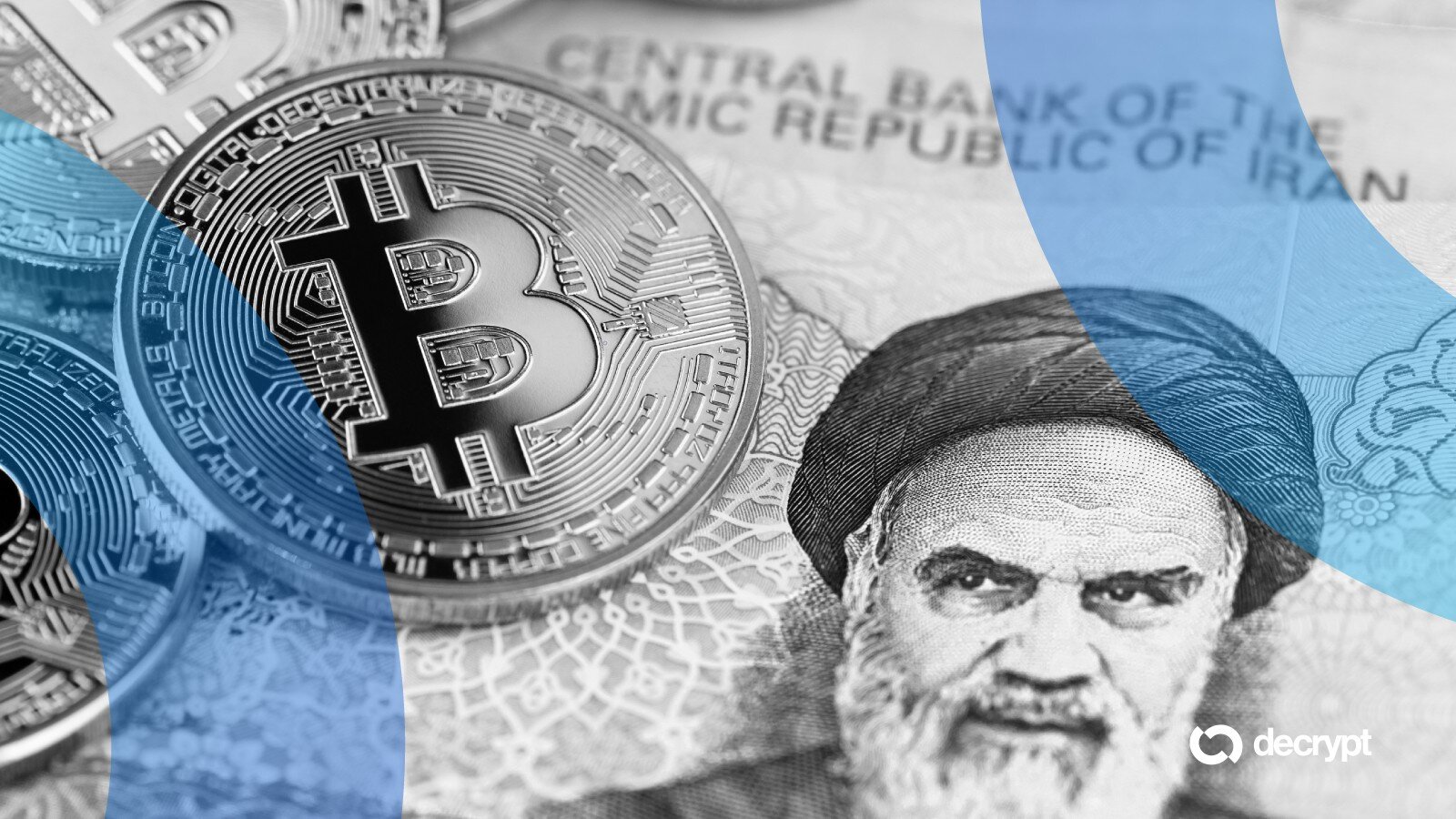
While a Federal Reserve rate hike scenario is considered unlikely by most economists, the outlined conditions involving sustained energy price shocks and specific economic indicators could trigger short-term selling pressure on Bitcoin and risk assets. Despite potential initial headwinds from a rate hike, analysts suggest Bitcoin could ultimately benefit from a stagflationary environment, acting as a hedge against currency debasement similar to gold, driven by ongoing institutional adoption trends. The article highlights that core inflation remains 'uncomfortably high,' and the potential for broader supply disruptions due to rising shipping costs could influence future Fed decisions, creating a complex macroeconomic backdrop for digital assets.

Professional trader Alessio Rastani suggests Bitcoin may retest levels below $60,000 before a sustainable bottom forms, indicating potential near-term downside risk. Despite bearish short-term outlook, Rastani identifies support zones between $59,000 and $46,000 as attractive for long-term accumulation opportunities. The analysis questions the likelihood of Bitcoin reaching new all-time highs in 2026, suggesting a more protracted recovery timeline than commonly anticipated.
Signal context only. Validate with price action, liquidity, and risk limits before taking a position.
