
Navigating Crypto News

CoinFeather
Navigating Crypto News
Source, catalyst, and sector overlap from the latest feed.
OpenAI's reported consolidation of ChatGPT, Codex, and Atlas into a single 'superapp' signals a strategic pivot to address competitive pressure from rivals like Anthropic and internal inefficiencies. The move towards a unified desktop experience, focusing on agentic AI workflows, indicates a potential shift in how users interact with AI tools, prioritizing integrated productivity over fragmented applications. This strategic realignment suggests OpenAI is prioritizing revenue-generating enterprise and developer segments, potentially impacting the adoption and development trajectory of its standalone products like Atlas and Sora.
Live Feed
Loading the broader stream in the same flow as the homepage feed.

Rising mortgage rates and gas prices are creating a household inflation shock that is impacting consumer sentiment and pushing up inflation expectations, leading to tighter financial conditions. The shift in macro conditions is directly affecting Bitcoin via spot ETF outflows, as investors treat BTC as a higher-beta risk asset sensitive to rising yields and reduced risk appetite. While Bitcoin's long-term scarcity narrative remains, its short-term price action is increasingly dictated by traditional market forces like interest rates and risk sentiment, similar to equities. The market is closely watching upcoming economic data and geopolitical developments to determine if the current inflationary pressures will persist, potentially leading to further Bitcoin repricing or a recovery if energy shocks subside.

Ether's net taker volume has reached a three-year high, historically signaling a potential market bottoming phase. Despite strong on-chain buy signals, muted price action and analyst concerns about buyer conviction suggest ETH may need to hold above $2,000 to avoid further downside. A break below $2,000 could trigger significant liquidations, targeting lower liquidity zones around $1,905 and $1,976.
Elevated Brent crude prices above $110 persist due to ongoing geopolitical risks and supply threats, indicating a sustained risk premium that traders are factoring into market expectations. The market's pricing of continued turbulence, evidenced by aggressive producer hedging and buyer demand for barrels, suggests that the current high-price environment for oil may extend beyond short-term fluctuations. Sustained high energy costs pose a significant macroeconomic challenge, potentially fueling sticky inflation that complicates central bank policy and negatively impacts broader market sentiment, leading to stock market wobbles and rising bond yields. The persistent premium on oil prices, driven by fears of supply disruptions and the Strait of Hormuz closure, signals a structural concern for global energy security that could influence inflation and interest rate outlooks.

Ethereum staking yields have compressed to approximately 3.3% due to increased participation, prompting holders to seek alternatives like Bitcoin Everlight which offers BTC rewards tied to network transaction fees. Bitcoin Everlight's reward model scales with network activity, contrasting with Ethereum's dilutive yield structure, suggesting potential for higher returns as adoption grows. The presale for Bitcoin Everlight offers tiered APYs up to 28% in BTCL, with a transition to BTC rewards post-mainnet, presenting a potentially attractive yield opportunity compared to current ETH staking rates. With Ethereum staking yields declining and Bitcoin Everlight in its presale phase offering higher nominal yields and BTC-denominated rewards, a strategic shift from ETH stakers to this new platform is a developing narrative.

Traders underestimating Middle East conflict's economic impact may face a "rude awakening" as sustained high oil prices threaten stagflation. Persistent oil prices above $100 per barrel could lead to higher inflation and delay anticipated interest rate cuts, negatively impacting risk assets like crypto. The Federal Reserve acknowledges the uncertainty of Middle East conflict effects on inflation, suggesting a prolonged period of elevated energy prices could force a hawkish stance, dampening crypto market rally hopes. Disruptions to oil production infrastructure, even if the Strait of Hormuz reopens, will take months to repair, indicating sustained inflationary pressure and potential for a prolonged economic downturn.

The near-complete depletion of the Federal Reserve's overnight reverse repo facility (ON RRP) removes a critical passive liquidity buffer, implying that future market shocks may transmit more directly to reserves and potentially pressure risk assets like Bitcoin without automatic cushioning. Bitcoin's recent price action and ETF outflows, coinciding with a tightening macro backdrop and reduced Fed liquidity, suggest increased sensitivity to interest rate movements and broader liquidity conditions, shifting its trading correlation more towards traditional macro factors. While the Fed has shifted towards active reserve management, the exhaustion of the domestic ON RRP pool means that market participants must now closely monitor Treasury cash balance swings, quarter-end funding pressures, and ETF flows for signs of stress, as the passive support mechanism is largely gone.
The commentary suggests RLUSD acts as an on-ramp, enhancing XRP's utility by facilitating entry into the ecosystem rather than competing with it. Institutional sentiment, with 74% of finance leaders seeing stablecoins improve cash flow, supports the view that stablecoins like RLUSD can drive adoption and liquidity for assets like XRP. Evernorth's CEO positions XRP as a crucial liquidity engine, implying that increased stablecoin usage will directly benefit XRP's role in facilitating value transfer. The narrative framing RLUSD as a gateway and XRP as the liquidity provider suggests a complementary ecosystem strategy that could boost overall network activity.

The largest ever recorded quadruple witching event, with over $7.1 trillion in notional options expiring, presents a significant risk of increased volatility across traditional and crypto markets. Historical data suggests that Bitcoin tends to exhibit muted performance on the day of quadruple witching, often followed by weakness in the subsequent days and weeks, indicating potential downside risk. The upcoming $13.5 billion crypto derivatives expiry on Deribit next week, coupled with current market positioning favoring volatility strategies, signals continued turbulence and potential for sharp price movements. Given the historical precedent of post-witching weakness and the current fear sentiment, traders should anticipate potential selling pressure on Bitcoin and other cryptocurrencies in the short term.

The SEC's approval of Nasdaq's tokenized securities framework signifies a major integration of blockchain technology into U.S. equity markets, primarily for post-trade settlement and record-keeping. While enabling potential benefits like near-instant settlement and 24/7 trading, the current model preserves existing intermediaries and traditional finance structures, limiting transformational efficiency gains. This development indicates a cautious approach by U.S. regulators, prioritizing integration within established systems over radical market restructuring, which may lag behind more progressive international frameworks. The involvement of Kraken suggests a strategy to leverage crypto infrastructure for global distribution of tokenized assets, potentially expanding access for international investors.
Signal context only. Validate with price action, liquidity, and risk limits before taking a position.
Quick market read from this story
The White House's proposed AI framework aims to establish national standards while leveraging existing agencies, potentially streamlining regulatory approaches for AI development and deployment.
By seeking to preempt state-level AI laws, the administration intends to create a more unified regulatory environment, which could reduce compliance burdens for companies operating across different jurisdictions.
The framework's focus on child safety, copyright, and infrastructure development indicates potential future policy shifts that could impact AI companies and related technology infrastructure investments.
While the proposal aims for a national approach, criticisms suggest internal contradictions and a potential bias towards Big Tech, implying that legislative passage and ultimate impact remain uncertain.
Deep Dive
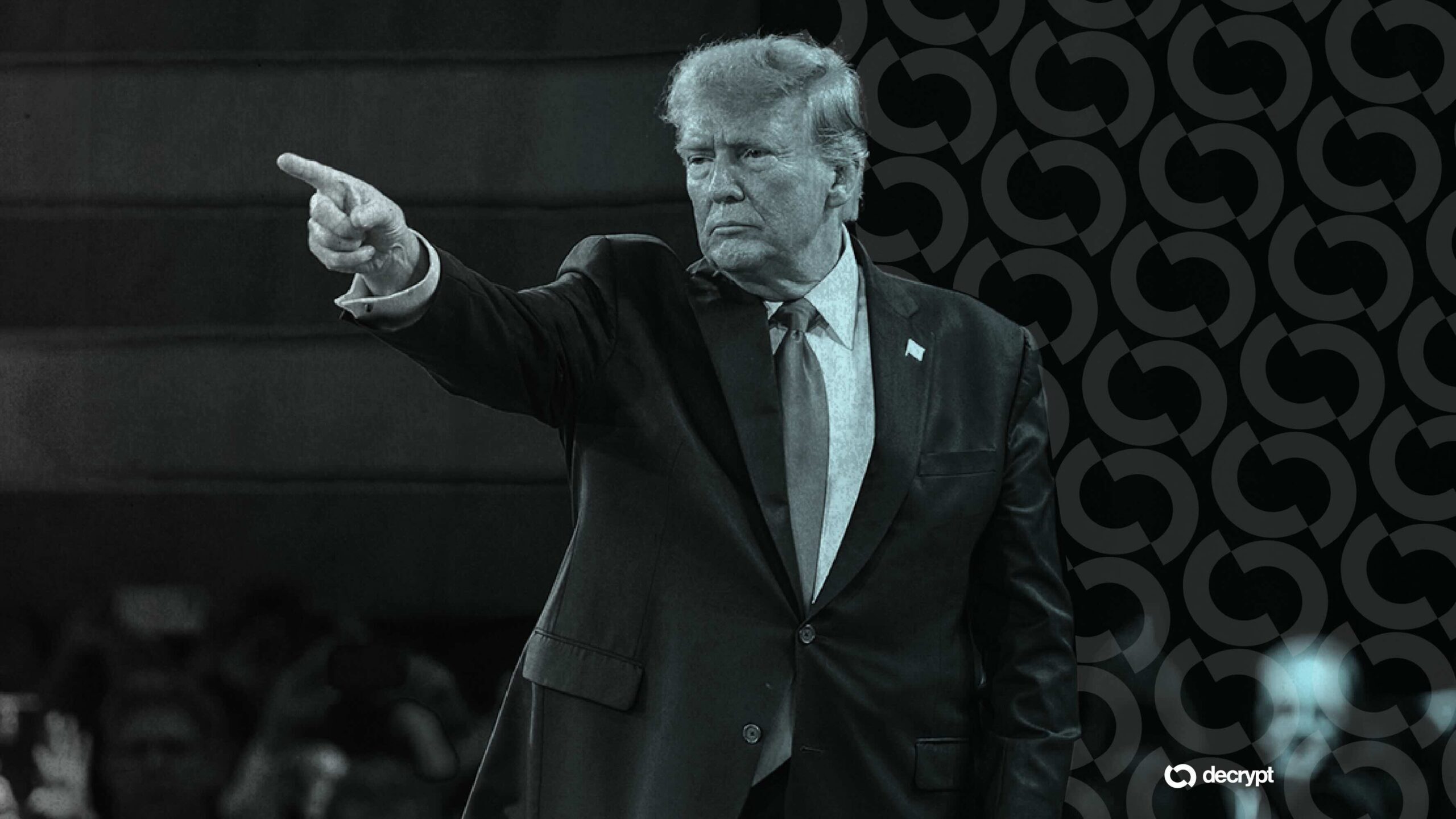
The White House has unveiled a comprehensive national policy framework for artificial intelligence, recommending that Congress establish federal standards while leveraging existing agencies and courts rather than creating a new AI regulator. This initiative aims to harmonize AI regulation across the nation, addressing concerns about a fragmented approach driven by individual state laws.
The proposed framework outlines recommendations for national AI rules that cover critical areas such as child safety, innovation, free speech, and intellectual property. A key objective is to preempt state laws deemed burdensome to companies while ensuring that states retain their authority to enforce existing laws related to fraud, consumer protection, and child sexual abuse material. The administration stated its commitment to leading in AI development for economic competitiveness and national security, ensuring that all Americans benefit from technological advancements.
The proposal has drawn mixed reactions. The Center for Democracy and Technology (CDT) acknowledged some sound principles but noted internal contradictions and a failure to resolve competing priorities, particularly concerning online child safety. CDT Vice President of Policy Samir Jain criticized the framework for inconsistencies, citing a contradiction between preventing government coercion on content moderation and the administration's own
Kalshi's rapid valuation increase from $11 billion to $22 billion in three months, driven by significant funding rounds, signals strong investor confidence in the prediction market sector. The successful funding rounds, despite past regulatory hurdles with election contracts, indicate a maturing prediction market infrastructure and potential for broader adoption. The substantial capital inflow into Kalshi and its competitor Polymarket highlights a growing trend and potential for significant growth in the prediction market space, attracting institutional interest.
