
Navigating Crypto News

CoinFeather
Navigating Crypto News

Quick market read from this story
Wikipedia's new policy prohibiting AI-generated text for articles signals a growing concern over content accuracy and verifiability, potentially impacting platforms reliant on user-generated content.
The distinction between AI-assisted copyediting and AI-generated content is crucial, with Wikipedia allowing the former under strict human oversight, highlighting a nuanced approach to AI integration.
This development underscores the challenges in maintaining content integrity in the age of LLMs, a concern that could extend to other decentralized platforms and knowledge bases.
While not a direct crypto event, the policy reflects broader societal discussions on AI's role and potential risks, which can indirectly influence investor sentiment towards AI-integrated crypto projects.
Deep Dive
Wikipedia editors have implemented a new policy prohibiting the use of large language models (LLMs) to generate or rewrite article content, citing concerns over accuracy, hallucinations, and fabricated sources. This move reflects growing apprehension within the community about AI-generated text conflicting with the platform’s core content policies, particularly regarding verifiability and reliable sourcing.
The updated guideline explicitly states that text generated by LLMs often violates Wikipedia's content standards. While the generation or rewriting of articles using LLMs is banned, the policy allows for limited AI assistance. This includes basic copy edits suggested by AI tools for an editor's own writing, provided no new information is introduced. Editors are strongly advised to meticulously review all AI-generated suggestions.
Although the policy does not specify immediate penalties for AI content misuse, repeated violations can be considered a “pattern of disruptive editing” under Wikipedia’s disclosure guidelines, potentially leading to account blocks or bans. Users have recourse through an appeal process to reinstate their accounts.
Linguistics professor Emily M. Bender from the University of Washington noted that while some AI uses, like advanced spell or grammar checkers, might be reasonable, distinguishing between editing and content generation can be challenging. Bender highlighted that LLMs lack the accountability inherent in human contributions, as they do not operate based on belief or personal responsibility. She warned that widespread use of AI-generated edits could degrade Wikipedia's overall value and reputation.
Joseph Reagle, an associate professor studying Wikipedia's culture, echoed these concerns, stating that the community is wary of AI-generated prose due to its limitations in accurately characterizing reliable sources, often resulting in “hallucinated” claims and fabricated sources. He also pointed out the irony that many LLMs are trained on Wikipedia content, while human visits to the site have declined as search engines and chatbots increasingly provide direct answers.
The Wikimedia Foundation has previously established agreements with major AI companies like Microsoft, Google, Amazon, and Meta to license Wikipedia content through its Enterprise product. Reagle observed that while content reuse is permitted by licenses, there is some resistance among Wikipedians to services that appropriate community content, leading to a potential influx of AI-generated
Source, catalyst, and sector overlap from the latest feed.
Geopolitical uncertainty stemming from Middle East conflict is driving defensive capital flows into stablecoins and liquid staking tokens, indicating a market preference for yield and capital preservation over speculative assets. Bitcoin and Ethereum experienced declines mirroring traditional markets, suggesting a correlation with broader macroeconomic sentiment and risk-off behavior among investors. Conflicting statements regarding Iran's willingness to negotiate have created volatility, with crypto markets reacting to shifts in geopolitical risk perception. Traders are positioning for potential downside in Bitcoin, with prediction markets showing a higher probability of a price drop to $55,000 than a significant rally.
The offer of a 10-20% bounty by Fenbushi Capital founder Bo Shen to recover $42 million in stolen crypto highlights the persistent challenges in asset recovery and the evolving role of advanced on-chain tools and AI. While the theft occurred in 2022, the renewed focus on recovery, leveraging new AI and on-chain analysis capabilities, suggests a potential for uncovering new leads or previously inaccessible information. The involvement of prominent on-chain analysts like ZachXBT and Taylor Monahan, alongside law enforcement, indicates a complex investigation where community participation and advanced forensic techniques are crucial.
A new benchmark, ARC-AGI-3, reveals a significant gap between current AI models and true Artificial General Intelligence (AGI), with leading models scoring below 1% compared to human performance. The benchmark's focus on generalization and learning from scratch in novel environments, rather than pattern recall, highlights a fundamental limitation in current AI capabilities, challenging recent AGI claims from industry leaders. The stark performance difference suggests that despite advancements, AI systems lack the reasoning and adaptability of humans, indicating that the market may be overestimating the current state of AGI development. The ARC Prize Foundation's $2 million competition with open-source requirements aims to drive progress in true AGI, but current results indicate a long road ahead, potentially tempering near-term speculative enthusiasm around AI-driven crypto narratives.
Ripple's deployment of AI for enhanced XRP Ledger security, including an AI-assisted red team, signals a proactive approach to mitigating risks and could bolster investor confidence in the platform's long-term stability. The prioritization of bug fixes over new features in the upcoming XRP Ledger release, coupled with increased security audits, indicates a maturing development cycle focused on foundational integrity, which may appeal to institutional adoption. Despite the security enhancements, XRP's price decline to a two-week low suggests that broader market sentiment and macroeconomic factors are currently overshadowing project-specific developments.
Retail investors are shifting preference from Strategy's common stock (MSTR) to its preferred share (STRC), indicating a demand for lower volatility and higher yield digital credit products. The increasing retail adoption of STRC, which offers a 11.5% annual dividend and Bitcoin overcollateralization, suggests a growing segment of the market seeks income-generating assets with defined risk parameters. STRC's growing popularity expands Strategy's addressable investor base, potentially strengthening its ability to accumulate more Bitcoin by diversifying its capital-raising avenues beyond traditional equity. While MSTR remains a leveraged Bitcoin proxy for sophisticated investors, STRC's distinct appeal to retail investors suggests it is carving out a separate market niche rather than directly competing with the common stock.
XRP Ledger's integration of AI for proactive security threat detection signifies a maturation of its infrastructure, aiming to enhance reliability for scaling global payments and tokenized assets. The shift from reactive to proactive security measures, driven by AI, positions XRPL to better support increasing transaction volumes and the growth of stablecoins like RLUSD, potentially boosting institutional confidence. XRPL's concurrent launch of AI-powered Agent Commerce alongside security enhancements suggests a strategic push towards optimizing on-chain payments and autonomous agent functionality, leveraging AI for both efficiency and safety.
CFTC Chair Michael Selig suggests blockchain's timestamping and on-chain identifiers can verify AI-generated content, potentially increasing demand for blockchain infrastructure solutions. The regulator's call for a light-touch approach to AI agents, focusing on actors rather than developers, implies a potentially favorable environment for blockchain-based AI verification tools. The integration of blockchain for AI content verification, as discussed by the CFTC chair and exemplified by Worldcoin's proof-of-personhood, signals a growing intersection between AI and blockchain technology.
Live Feed
Loading the broader stream in the same flow as the homepage feed.

Geopolitical de-escalation signals from the US President have provided a temporary reprieve for risk assets, allowing Bitcoin and other cryptocurrencies to pare earlier losses. The market's reaction highlights the sensitivity of crypto assets to broader macroeconomic and geopolitical events, with a pause in conflict potentially easing pressure on yields and risk appetite. While the immediate price action shows a modest recovery, the underlying concerns regarding rising bond yields and potential Fed rate hikes persist, suggesting that the crypto market's broader trend may remain under pressure.
A significant 1,086% surge in Shiba Inu's token burn rate, coupled with exchange reserves hitting a two-year low, suggests a tightening supply dynamic that could support price appreciation if demand remains consistent. The shift of SHIB tokens from exchanges to self-custodial wallets indicates increased long-term holder conviction, reducing immediate sell pressure and potentially creating a more favorable environment for price discovery. Despite the positive supply-side developments, SHIB is currently testing a key resistance level around $0.00000625, with trading volume not yet reflecting strong speculative interest, implying a need for further catalysts to break through.
Solana is testing a critical demand zone between $91.45 and $82.60, with failure to hold this level potentially leading to significant downside targets at $53.10, $35.40, and $23.60. Bearish technical patterns, including a rising wedge and a break below $120 support, suggest a continuation of the downtrend, with immediate downside risks towards $80 and $70-$65 if the current support fails. Despite bearish signals, Solana is also trading along a rising trendline support, presenting a potential recovery scenario above $100 if buyers defend the current levels and break through the $90-$95 resistance. Solana is at a decisive technical crossroads, trading near $87.65 with significant price compression, indicating a potential breakout setup that could lead to a rapid move above $100 or a deeper correction.
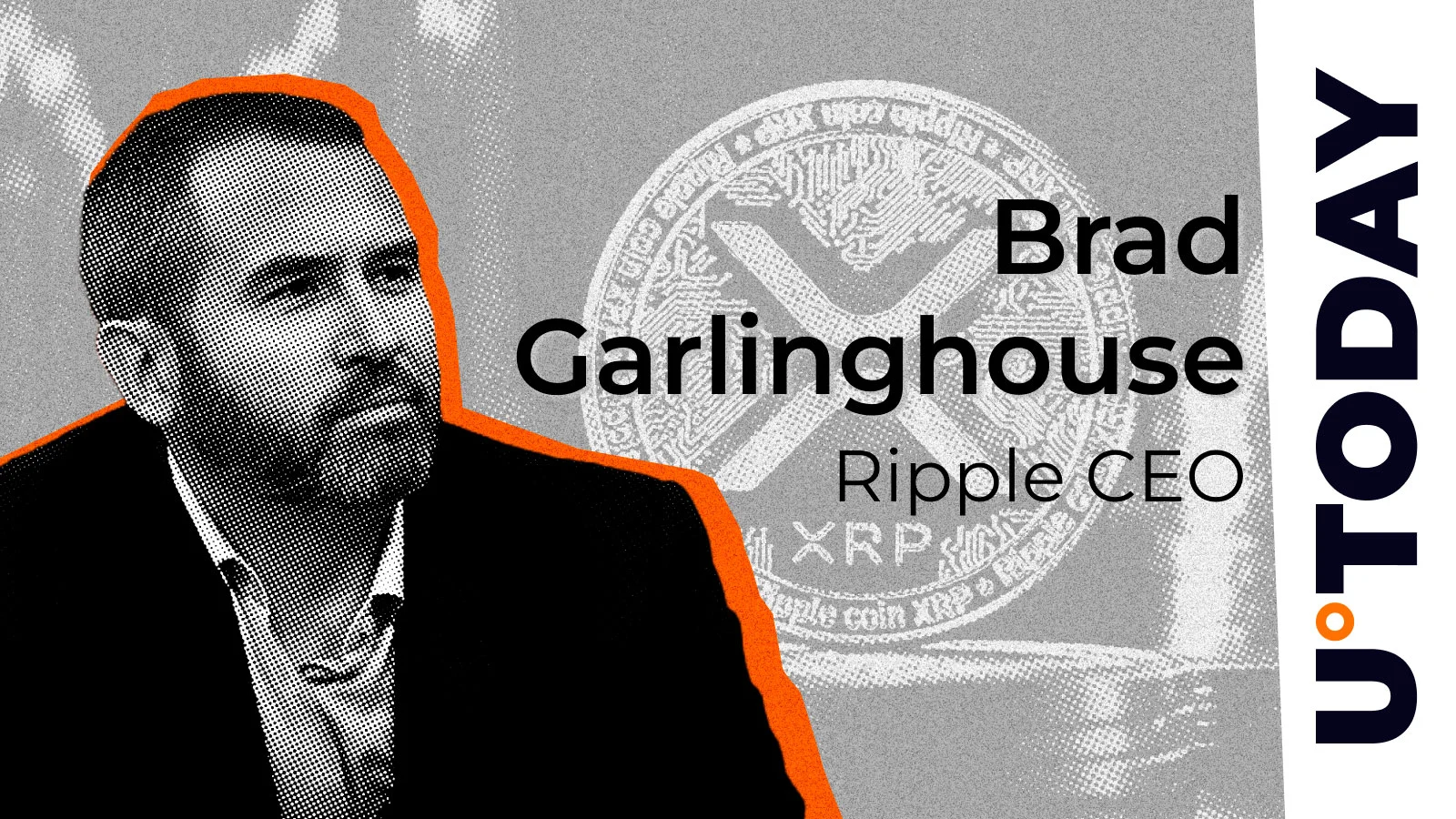
Ripple CEO Brad Garlinghouse indicates a neutral stance on the Clarity Act, suggesting Ripple is not heavily invested in its passage despite acknowledging White House support. Garlinghouse's comments on stablecoins, particularly the potential for Ripple to launch its own compliant stablecoin, suggest a strategic move into the stablecoin market. The discussion around stablecoin proliferation and Ripple's past role in USDC minting highlights potential market shifts and competitive dynamics within the stablecoin sector.

Monument Bank's initiative to tokenize £250 million in retail deposits on the Midnight network signifies a significant step towards integrating traditional banking products with public blockchain infrastructure. This development, targeting mass-affluent clients and maintaining FSCS protection, could serve as a blueprint for other banks looking to leverage blockchain for core banking services, potentially increasing adoption of privacy-focused networks. The broader context of NYSE and Nasdaq advancing tokenized market infrastructure alongside this retail banking move suggests a growing institutional and regulatory acceptance of tokenization across various financial sectors. While the technical analysis indicates a consolidation phase for the Midnight token, the fundamental development of securing a U.K. bank for tokenized deposits presents a strong long-term bullish narrative for the project's utility and adoption.

GameStop has transitioned its Bitcoin holdings into an options income strategy, pledging BTC to Coinbase for covered calls, indicating a shift from a simple buy-and-hold approach. The company no longer directly holds its Bitcoin, now accounting for it as a receivable due to Coinbase's ability to rehypothecate the assets, altering its balance sheet treatment. While GameStop maintains economic exposure, the pledged Bitcoin is now encumbered by counterparty risk and derivative contracts, changing its liquidity and risk profile.

Institutional investors are increasing their Bitcoin allocation, evidenced by ETF inflows and asset manager filings, suggesting a potential floor around $70,000 despite broader market volatility. The potential for increased US retirement fund investment in Bitcoin via a proposed Labor Department rule and Coinbase's mortgage down payment initiative signals growing mainstream integration and liquidity unlocking mechanisms. Geopolitical tensions and rising oil prices are creating macro headwinds, causing US equity market sell-offs and capping Bitcoin's upside potential above $70,000, despite strong institutional demand. While institutional adoption is a bullish structural factor for Bitcoin, current macro risks from geopolitical instability and inflation concerns are creating near-term price suppression and volatility.

Japan's Financial Services Agency has issued warning letters to KuCoin for unregistered OTC derivatives trading, signaling continued regulatory scrutiny on exchanges operating in the region. This regulatory action by the FSA, following previous warnings and app removal requests, suggests a tightening environment for crypto exchanges targeting Japanese residents. The development highlights the ongoing risk of regulatory enforcement for platforms not adhering to local financial instrument laws, potentially impacting KuCoin's operations and user base in Japan.

Corporate Bitcoin treasury buying has significantly contracted, with Strategy (MicroStrategy) now accounting for 98% of recent purchases, indicating a shift from a broader trend to a single dominant buyer. The financing model for corporate Bitcoin treasuries, reliant on rising prices and favorable equity premiums, is faltering as Bitcoin's price has declined, making it harder for companies to issue stock for further BTC acquisition. The weakening demand from corporate treasuries outside of Strategy suggests a potential reduction in incremental buying pressure for Bitcoin, impacting market dynamics for companies that previously leveraged stock issuance for BTC accumulation. Signs of stress are emerging within the corporate treasury sector, with some companies selling Bitcoin to support stock prices and others facing mounting unrealized losses, signaling a more selective and challenging environment ahead.

OKX's decision to delay its IPO, prioritizing long-term shareholder value over immediate market entry, signals a cautious approach to public listings within the crypto industry. The exchange's strategic investment from ICE, valuing the company at $25 billion, suggests a strong underlying business despite the IPO postponement, potentially indicating a robust foundation for future growth. OKX's emphasis on building a durable company over decades, rather than timing the market, reflects a strategic shift towards sustainable growth and away from the speculative frenzy seen in past crypto booms. Concerns about past poor performance of crypto IPOs, as highlighted by OKX's executive, suggest a potential for continued investor skepticism towards similar listings, impacting the broader exchange sector.

MicroStrategy's preferred equity (STRC) has recovered to par value faster than its historical average, enabling the company to raise capital for further Bitcoin accumulation. The faster recovery of STRC to $100 par value suggests improved market confidence or demand for the instrument, directly facilitating MicroStrategy's strategy of buying Bitcoin with newly issued equity. This development allows MicroStrategy to continue its Bitcoin buying strategy, potentially increasing its BTC holdings and reinforcing its position as a major corporate holder, which could indirectly support Bitcoin's market narrative.
XRP's market structure is shifting as speculative leverage on Binance has significantly decreased by approximately 78%, suggesting a move towards spot demand-driven price action rather than futures positioning. Growing crypto adoption in Africa, with over $205 billion in on-chain value, provides a narrative tailwind for XRP, aligning with Ripple's focus on payments and cross-border transactions in emerging markets. Despite reduced leverage and increased on-chain activity on the XRP Ledger, traders are closely watching key support levels around $1.37-$1.40, as a break below could trigger a ~16% correction due to a bearish head-and-shoulders pattern.

Ripple's significant RLUSD token burns, totaling over 35 million tokens across Ethereum and XRP Ledger, indicate active supply management by the stablecoin treasury. While token burns are routine for stablecoin peg maintenance, the scale and short timeframe of these recent burns have prompted community discussion about liquidity management and potential underlying market dynamics. The market cap fluctuation from $1.6 billion to $1.4 billion due to these burns highlights the direct impact of supply adjustments on stablecoin valuation and circulating supply.
Economist Peter Schiff warns of a potential US housing market crisis exceeding 2008 levels, driven by collapsing affordability due to rising mortgage rates, insurance, taxes, and utilities. The current housing market risks are primarily linked to affordability erosion rather than excessive leverage, creating a feedback loop of lower demand and price pressure. Geopolitical tensions and persistent inflation, exacerbated by potential conflict and Fed policy, add a new layer of risk, with higher oil prices being a key concern for increased costs. The article draws parallels to China's housing market downturn, highlighting the vulnerability of housing markets to extreme monetary conditions and converging economic pressures.
Signal context only. Validate with price action, liquidity, and risk limits before taking a position.
