
Navigating Crypto News

CoinFeather
Navigating Crypto News

Quick market read from this story
MicroStrategy's recent Bitcoin purchases, while substantial in absolute terms, represent only a small fraction of overall market inflows, indicating their diminishing impact on price action.
Broader market dynamics, including long-term holder behavior, ETF flows, and miner issuance, are currently exerting a greater influence on Bitcoin's price than MicroStrategy's buying activity.
Despite MicroStrategy's consistent demand, significant capital outflows from Bitcoin, evidenced by realized cap drawdowns and ETF redemptions, are overwhelming its purchasing power.
The market is currently prioritizing macro capital flows and long-term holder sentiment over the specific buying strategies of individual corporate entities like MicroStrategy.
Source, catalyst, and sector overlap from the latest feed.
Geopolitical tensions and heightened rhetoric from President Trump regarding Iran have led to a pullback in Bitcoin's price, erasing recent gains and indicating a short-term negative correlation with global risk assets. The market is reacting to the uncertainty surrounding the Strait of Hormuz deadline, causing a risk-off sentiment that is pressuring Bitcoin and U.S. stock futures, while WTI crude oil sees a price increase. Despite the immediate price pressure, tempered comments from Vice President Vance suggest potential de-escalation, which could influence market sentiment if the situation resolves without further conflict.
Live Feed
Loading the broader stream in the same flow as the homepage feed.

Developers are finding novel ways to optimize AI model costs by manipulating output verbosity, directly impacting operational expenses for AI-driven applications. The 'caveman' prompt engineering technique demonstrates a significant, albeit unconventional, method for reducing token usage, potentially influencing how AI services are priced and utilized. While the cost savings are substantial for output tokens, input tokens remain a major cost driver, suggesting that further optimization strategies will be needed for comprehensive cost reduction. The viral adoption of this technique on platforms like GitHub highlights a community-driven approach to AI efficiency, potentially leading to broader adoption of similar cost-saving measures.
Mortgage rates have eased to 6.43%, offering modest relief to borrowers and potentially signaling a slight improvement in housing market affordability. The decline in mortgage rates is linked to the Federal Reserve's previous rate cuts and broader economic trends, but future movements are uncertain and dependent on inflation and Fed policy. While current data shows a downward trend, the lack of immediate further Fed action suggests mortgage rates may stabilize or see only gradual changes, making market timing difficult for homebuyers.

The FBI's 2025 report highlights a significant 22% increase in crypto fraud losses to $11.4 billion, indicating a growing threat that impacts market confidence and investor protection. Older Americans, particularly those over 60, are disproportionately affected, losing $4.4 billion, which suggests a vulnerability in specific demographics that scammers are actively exploiting. The surge in crypto ATM fraud and recovery scams, coupled with the increasing sophistication of AI-driven tactics, points to evolving criminal methods that require enhanced regulatory and security responses. While the FBI's reported figures are substantial, estimates suggest actual global fraud losses could be much higher, underscoring the systemic risk and the need for better reporting and recovery mechanisms.

South Korea's Financial Services Commission has mandated a five-minute reconciliation cycle for crypto exchanges, significantly increasing operational oversight following the Bithumb payout incident. The new regulations require exchanges to implement automated trading halt systems and enhance internal controls for high-risk processes, aiming to prevent future errors and protect user assets. These stricter regulatory measures are likely to increase compliance costs for South Korean exchanges and could influence operational standards globally. The Bithumb IPO delay to post-2028 and Naver Financial's share swap delay highlight ongoing restructuring and regulatory pressures within the South Korean crypto market.
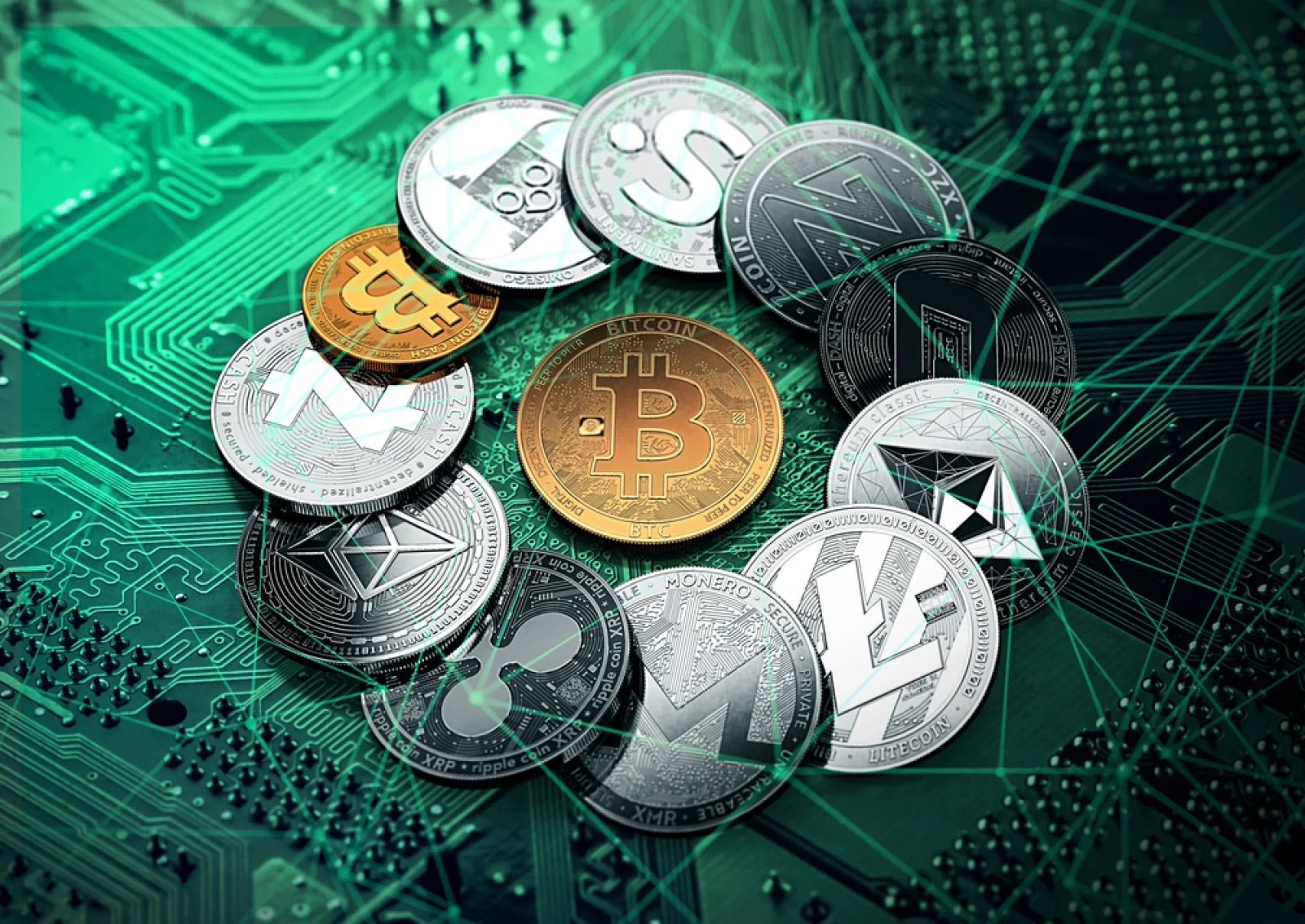
The cryptocurrency market is shifting away from traditional altcoins like XRP and Ethereum towards tokenized real-world assets (RWAs) and traditional finance (TradFi) instruments. Capital is increasingly flowing into hybrid exchanges like Binance that offer access to both crypto and TradFi markets, indicating a change in investor strategy. The traditional model of capital flowing from Bitcoin to Ethereum and then to smaller altcoins is weakening as direct financial instruments with lower narrative risk gain prominence. Future capital inflows are likely to favor stablecoins, tokenized assets, and exchange infrastructure over speculative altcoins due to increased market selectivity.

Operation Atlantic signifies a strategic shift by law enforcement towards proactive, real-time disruption of crypto scams, moving beyond traditional post-incident investigations. The focus on approval phishing highlights a critical vulnerability where users unknowingly grant broad permissions, enabling scammers to drain wallets without direct key theft. Enhanced public-private coordination, involving analytics firms and exchanges, is crucial for the success of real-time intervention, increasing expectations for platform involvement in fraud detection. While full asset recovery remains challenging due to crypto's nature, this operation aims to significantly reduce losses by intervening during the early stages of fraudulent transactions.
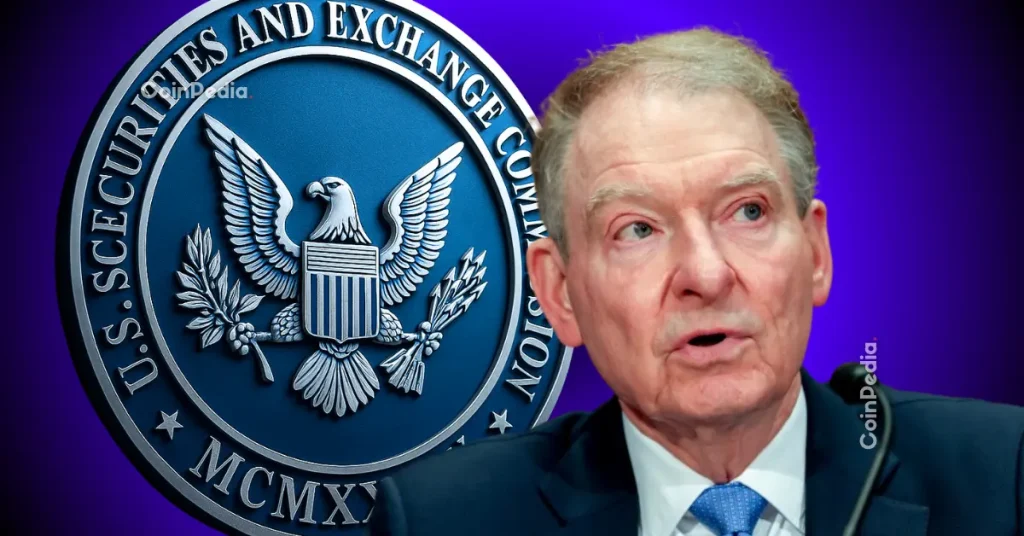
The SEC's advancement of a 4-year crypto safe harbor plan, currently under White House review, signals a potential shift towards regulatory clarity for startups seeking capital, which could foster innovation by reducing immediate registration burdens. This proposed framework, alongside an upcoming tokenization exemption, suggests a proactive regulatory approach that may de-risk early-stage crypto ventures and encourage broader institutional participation if finalized. The development indicates a move towards defining digital asset classifications, a crucial step for market participants to understand compliance obligations and potential investment opportunities under evolving securities laws.

Bitcoin's shift to front-running Fed decisions, driven by ETF flows, signals a fundamental change in its market behavior, moving from a reactive asset to a forward-looking indicator for the broader crypto market. The emergence of Pepeto as a highly watched presale, backed by a former Pepe co-founder and offering pre-launch exchange tools and audits, suggests a potential for significant upside in early-stage meme coins during this market cycle. While Bitcoin and ETH show steady but range-bound price action, the substantial capital raised and high APY staking offered by Pepeto highlight a trader rotation towards high-potential presale opportunities seeking outsized returns.

The SEC's decision on intermediary definitions for tokenized stocks will determine whether blockchain innovation primarily benefits incumbents or opens new revenue streams for decentralized infrastructure like wallets and smart contract platforms. A ruling favoring Citadel Securities' broad interpretation of intermediaries could keep tokenized equities within traditional financial wrappers, limiting disruption and preserving existing fee structures. Conversely, adopting the Blockchain Association's narrower, function-based view could foster competition by allowing decentralized applications to capture value, potentially accelerating broader adoption of on-chain equity trading. The current $946 million tokenized stock market serves as a test case, with the SEC's framework poised to shape the future control and economic distribution of a potentially trillion-dollar asset class.

ConfluxCapital's launch of free, AI-driven quantitative trading bots for BTC and XRP aims to democratize access to automated trading strategies, potentially attracting new retail capital to these assets. The platform's claim of up to $3,700 in daily returns, while presented as a core advantage, should be viewed with caution given the inherent volatility and risk in crypto trading. By offering a zero-fee, user-friendly interface, ConfluxCapital is positioning itself to lower the barrier to entry for automated trading, which could increase adoption of such tools among less experienced investors. The emphasis on "free to use" and "zero learning barrier" suggests a strategy to capture market share by appealing to a broad user base, potentially driving increased trading volume for supported assets.

Apple's removal of Bitchat from its China App Store, citing regulatory violations, highlights the ongoing tension between decentralized technology and state control. The app's reliance on Bluetooth and mesh networks for offline communication, while enabling censorship resistance, also presents challenges for compliance with local regulations. Despite the ban in China, Bitchat's global download numbers and continued availability elsewhere suggest its core functionality remains appealing to users seeking alternatives to internet-dependent messaging. This event reinforces China's restrictive stance on digital assets and technology that could influence public opinion or organize social activity, impacting the accessibility of certain crypto-related applications within the country.
Sam Altman's estimated $3.3 billion net worth highlights a diversified investment strategy across AI, startups, and notably, crypto projects like Worldcoin. Altman's wealth is primarily derived from his role as a capital allocator and early investor, rather than direct equity in OpenAI, indicating a focus on long-term growth and influence. The article underscores Altman's strategic positioning in both the AI boom and the crypto ecosystem through Worldcoin, suggesting a dual focus on transformative technologies with potential for significant future returns. Despite controversy surrounding Worldcoin's privacy implications, its ambitious goal of creating a global identity system and distributing tokens positions it as a key crypto venture for Altman.

Polkadot price has rejected a key resistance zone, indicating a potential start of a deeper downside move toward critical liquidity levels. Derivatives data shows a significant imbalance with more short positions than long positions, confirming strong bearish conviction and dominance of sell-side pressure. The current price action suggests DOT is rotating towards sell-side liquidity below recent lows, reinforcing a bearish continuation thesis with $1.20 and $1.10 as potential downside targets. A sustained move above $1.30-$1.32 is required to invalidate the bearish structure and signal a potential momentum shift; otherwise, breakdown risk remains high.
Signal context only. Validate with price action, liquidity, and risk limits before taking a position.
No explicit catalyst tagged.
A Nobel Prize-winning physicist highlights that breaking Bitcoin's encryption is a near-term, 'low-hanging fruit' application for quantum computing, suggesting a potential threat window during transaction broadcasting. While a quantum computer capable of breaking Bitcoin's encryption is still a significant engineering challenge, the physicist estimates a 5-10 year window, emphasizing that the crypto community must proactively plan for this eventuality. Unlike traditional financial systems that can more easily adopt quantum-resistant cryptography, Bitcoin's decentralized nature presents a more complex upgrade path, increasing its vulnerability to future quantum attacks.
