
Navigating Crypto News

CoinFeather
Navigating Crypto News
Quick market read from this story
Charles Edwards identifies a sustained move above $80,000 as the key indicator for Bitcoin's true bull market return, signaling widespread institutional profitability.
Breaching the $80,000 level would remove the last significant resistance, potentially initiating a price discovery phase for Bitcoin with reduced sell-side pressure.
Despite the bullish price target, Edwards maintains his long-term concern about quantum computing threats, viewing the current rally as an opportunity to build defenses before 2028.
Deep Dive
Charles Edwards, founder of Capriole Investments and a notable figure in the crypto community, has analyzed the current Bitcoin (BTC) market, suggesting that a sustained move above $80,000 will officially signal the return of a full-fledged crypto bull market. Edwards, often referred to as a "quantum alarmist" for his warnings about quantum computing's threat to Bitcoin by 2028, is now focusing on a nearer-term market indicator.
Edwards bases his forecast on the Bitcoin Institutional Closed Basis indicator. This metric, visualized as colored bands on his chart, represents the average purchase price of Bitcoin accumulated by large funds and public companies. It serves as a gauge of financial comfort or pain for institutional investors.
The $80,000 level, specifically the upper extreme line near $81,487, is identified as the cost ceiling for major market participants. A breakout above this zone would indicate that virtually all institutional capital has moved into a clear profit area.
From a structural perspective, breaching the $80,000 barrier would remove the last significant resistance level for Bitcoin. This could pave the way for a price discovery phase, potentially leading to a decrease in large sell-side supply.
Despite his bullish outlook on the immediate market, Edwards maintains his long-standing concerns about the quantum threat to Bitcoin. He views the current rally as an opportunity for the network to accumulate resources and liquidity in anticipation of 2028, which he considers a critical deadline for implementing quantum-resistant protection measures.
Source, catalyst, and sector overlap from the latest feed.
XRP whales exhibit a strong 160% bullish bias on Hyperliquid, indicating significant speculative interest from large holders that could precede price appreciation. Ethereum's open interest reaching seven million coins signals a high-risk leverage overheat, suggesting the recent price rally is heavily reliant on leveraged positions and vulnerable to sharp liquidations. Bitcoin's correlation with gold has fallen to a 2022-low of -0.88, indicating a decoupling where BTC is attracting capital as a risk-on asset, potentially driven by ETF inflows, rather than acting as a traditional safe haven. The SEC and CFTC's joint memorandum classifying major altcoins like XRP, ETH, and SOL as non-securities removes a significant regulatory overhang, providing a fundamental tailwind for the broader crypto market.
The SEC's statement classifying most cryptocurrencies as commodities, not securities, has significantly boosted social media discussion volume for XRP, DOGE, and SHIB. XRP experienced a notable surge in social dominance by 318%, with DOGE also seeing a 92% increase, indicating heightened retail interest following the regulatory clarification. While the SEC statement is a positive development for market sentiment, the article also includes unrelated commentary from Robert Kiyosaki about Bitcoin and Ethereum, suggesting a broader market anticipation of economic instability.
The US SEC's reclassification of XRP as a commodity, rather than a security, removes significant regulatory hurdles, potentially easing exchange listings and boosting institutional confidence. This regulatory clarity for XRP, SOL, and ADA as commodities could foster broader adoption and innovation by reducing compliance burdens and aligning them with assets like gold or oil under CFTC oversight. While the commodity status is a positive development for XRP, its price action shows a slight decline with reduced trading volume, indicating that the market may be digesting the news rather than reacting with immediate upward momentum.
The SEC and CFTC have jointly classified 16 cryptocurrencies, including XRP, SHIB, DOGE, and ADA, as digital commodities rather than securities, providing significant regulatory clarity for the market. This reclassification by US regulators is a major development that could reduce legal uncertainty for these assets and potentially encourage broader institutional adoption and investor confidence. The explicit naming of these assets as non-securities by the SEC and CFTC is a positive signal for projects previously facing regulatory ambiguity, potentially impacting their market perception and trading dynamics.
Dogecoin's recent surge above $0.10, while psychologically appealing, is unlikely to signal a sustained rally due to repeated failures to hold this level and its position below the critical 50 EMA resistance. The 50 EMA remains the primary technical barrier for DOGE, and reclaiming it is necessary to indicate a potential trend reversal, suggesting that current price action above $0.10 is more consolidation than a confirmed bullish shift. True historical resistance at $0.11 presents the next significant hurdle for Dogecoin; failure to break this level would reinforce the existing downtrend pattern of lower highs, limiting the impact of the recent price move.
Akash Network's upcoming Burn-Mint Equilibrium activation introduces a deflationary mechanism, potentially driving demand and reducing AKT supply, which traders may front-run. River's price action is influenced by a significant token unlock event, historically leading to increased volatility and speculative positioning ahead of the unlock date. MemeCore's recent price surge is attributed purely to community hype and social engagement, lacking fundamental catalysts and thus carrying higher risk. A common factor across AKT, RIVER, and MemeCore is a recent spike in trading volume and short squeezes, indicating leveraged traders are being caught, accelerating price moves.
The Royal Government of Bhutan has transferred $72 million in BTC, primarily through Druk Holding & Investments, to OTC platforms like QCP Capital and unidentified wallets, indicating strategic portfolio management rather than a market sell-off. Bhutan's Bitcoin reserves have decreased significantly from a peak of over 13,000 BTC to approximately 4,453 BTC, suggesting a potential reduction or pause in mining operations due to market conditions and energy priorities. Despite the large BTC transfer, Bitcoin's price remained stable near $74K, highlighting the market's resilience and the established practice of sovereign entities managing assets via OTC desks to mitigate price impact. The ongoing movement of sovereign Bitcoin reserves, coupled with a declining correlation to gold, suggests a continued preference for digital assets among certain investor classes, potentially supporting near-term price action.
Bitcoin's current market structure entering the FOMC meeting is distinct from historical patterns, with spot demand driving the recent rally and derivatives traders exhibiting caution through negative funding rates. The historical tendency for Bitcoin to decline post-FOMC meetings, driven by leveraged longs, may be mitigated this time due to the current defensive positioning in derivatives markets. The upcoming FOMC Dot Plot and Jerome Powell's commentary will be crucial, with potential outcomes ranging from short-term BTC pressure (hawkish) to a crypto relief rally (dovish). Traders should monitor post-announcement spot and derivatives behavior; a hold in range with continued negative funding could signal short covering and upward pressure, while a macro-driven breakdown might see less severe liquidations than in prior events.
Geopolitical tensions in Iran combined with stronger-than-expected U.S. inflation data are pressuring Bitcoin and other risk assets, leading to a pullback from recent highs. The elevated inflation figures, particularly the PPI, complicate the Federal Reserve's outlook for interest rate cuts, potentially prolonging a risk-off environment for cryptocurrencies. The confluence of geopolitical risk and persistent inflation suggests a near-term bearish bias for Bitcoin as traders reassess risk exposure ahead of the Fed meeting. The market is reacting negatively to the combination of escalating geopolitical risks and disappointing inflation data, indicating a shift away from risk assets like BTC and ETH.
Live Feed
Loading the broader stream in the same flow as the homepage feed.
Discover whether Crypto.com is a secure crypto exchange in 2026 by reviewing its key safety features.

The article details the growing demand for installment loans among Americans facing bad credit, driven by recent layoffs, indicating a potential increase in consumer debt seeking alternative financing. Several online lenders are highlighted as options for individuals with poor credit, emphasizing features like fixed payments, credit reporting, and varying state availability, suggesting a niche market for accessible credit. The analysis contrasts installment loans with payday loans, positioning installment loans as a more structured and potentially credit-building option, despite higher APRs than prime loans.
Bitcoin trades near $74K as FOMC pressure and rising leverage increase the risk of sharp volatility and potential liquidation cascades.

The company's internal strain, including reports of required long working hours, is overshadowing its push for a U.S. listing.
The SEC's proposed three-path safe harbor for crypto fundraising offers structured exemptions with defined capital raising limits and disclosure requirements, signaling a move towards regulatory clarity for digital asset issuers. The framework's third path, defining when a crypto asset ceases to be a security based on the issuer's managerial efforts, could provide a clearer exit ramp from securities regulations for evolving projects. This proposal, building on Hester Peirce's earlier concepts, aims to balance investor protection with innovation by offering defined pathways for crypto fundraising, potentially reducing regulatory uncertainty for startups and larger issuers.
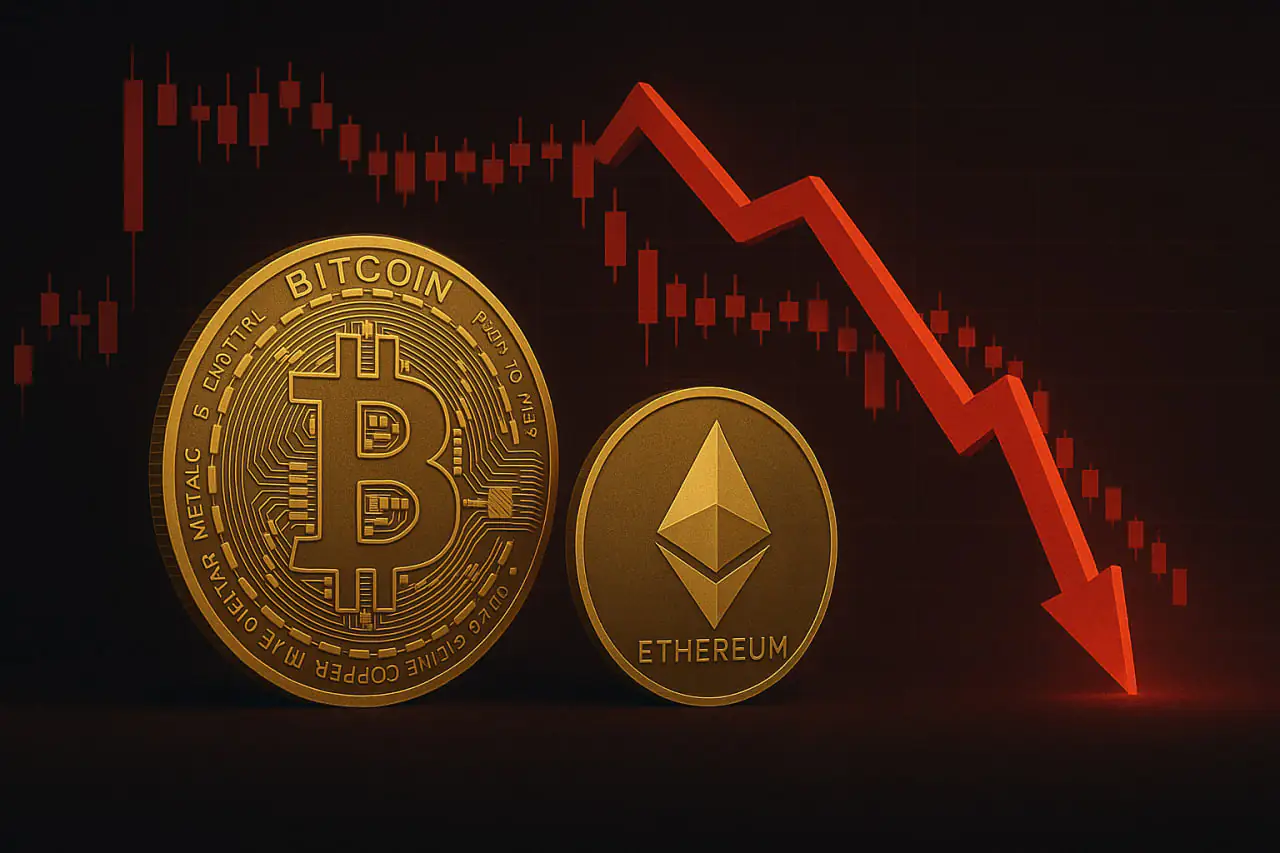
Hotter-than-expected US PPI data for February indicates persistent inflation, pushing back expectations for Federal Reserve rate cuts and negatively impacting risk assets like cryptocurrencies. The Federal Reserve is now likely to maintain current interest rates for longer, with potential cuts delayed until late 2026, creating a less favorable macro environment for speculative investments. Crypto markets, including Bitcoin and Ethereum, are experiencing price drops as traders react to the hawkish implications of the inflation data and anticipate a more cautious stance from the Fed. The sustained rise in producer prices, particularly in goods and energy, suggests that inflationary pressures are not abating, which could lead to a more hawkish outlook from the Fed and further downside for crypto.
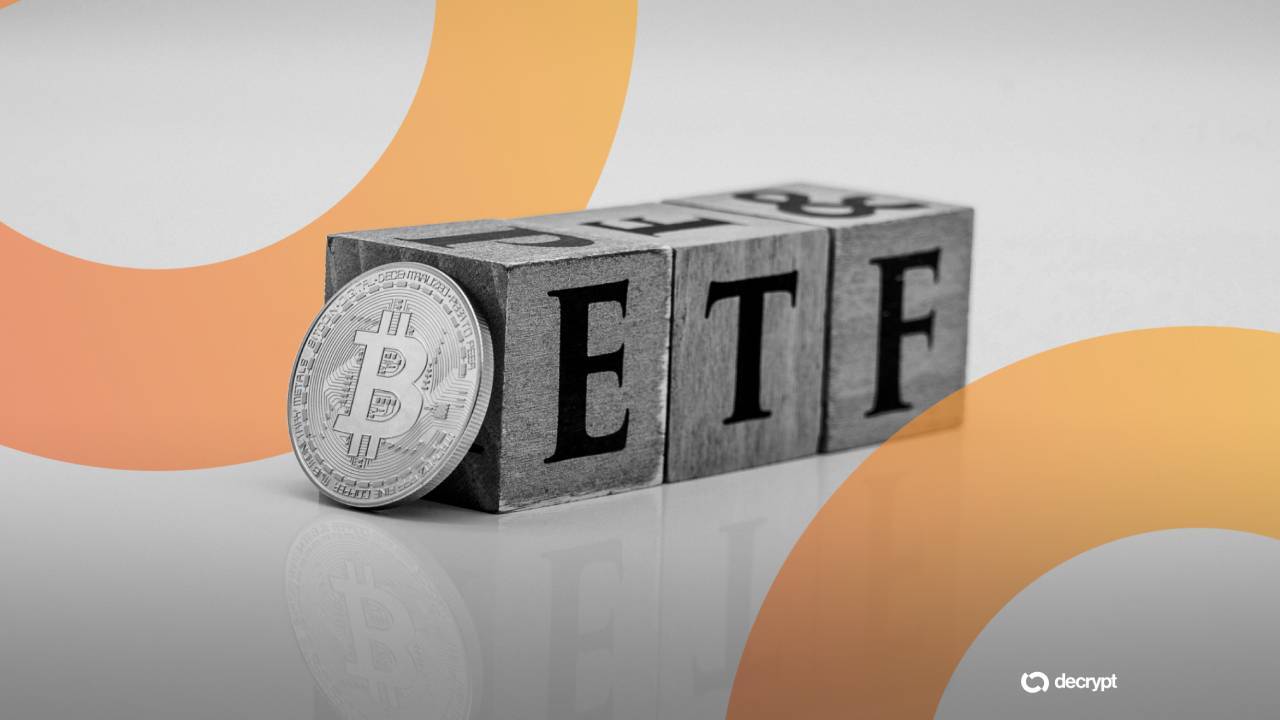
Sustained Bitcoin ETF inflows totaling $1.16 billion over seven days indicate strong institutional demand, but experts caution this trend is 'episodic' without clear policy shifts. The upcoming FOMC meeting presents a critical juncture; a dovish tone could bolster Bitcoin's rally, while hawkishness may trigger short-term volatility, testing the market's resilience. Bitcoin's recent 14% surge, outperforming gold and the S&P 500 amidst geopolitical tensions, suggests a 'seller exhaustion' phase and institutional re-engagement, though its sensitivity to macro events is heightened.

A significant $2.2 billion USDT inflow into Binance signals substantial pre-buy positioning by large market participants, potentially indicating increased buying pressure for Bitcoin. Despite the large stablecoin inflow, Bitcoin's current price action shows a slight decline, creating a divergence that traders should monitor for potential shifts in market sentiment. The scale of this single-day deposit, the largest since November 2025, suggests a high level of confidence from whales and institutions, potentially aiming to absorb selling pressure and sustain upward momentum.

Onchain credit systems are poised to replace traditional crypto cards by enabling users to spend against yield-bearing collateral without liquidation, fundamentally altering payment primitives. The shift from debit-style crypto cards to onchain credit primitives implies a move away from forced asset sales and taxable events towards a model where collateral continues to earn yield while securing spending power. This evolution suggests that interfaces like cards will become secondary to the underlying onchain credit infrastructure, which offers greater transparency and user control over risk management. The development signals a potential obsolescence of current crypto card models, favoring decentralized finance (DeFi) solutions that integrate spending capabilities directly with collateralized lending protocols.

Enjin Coin (ENJ) experienced a significant price surge of over 25% accompanied by a 2500% increase in trading volume, indicating strong market participation and a potential shift from its recent downtrend. The rally is attributed to a broader rotation into gaming and NFT tokens, suggesting that ENJ's price action is currently influenced by sector-wide sentiment rather than project-specific catalysts. While the price is testing resistance near $0.03, the RSI entering overbought territory suggests the current upward momentum may be stretched, warranting caution for short-term traders. A sustained hold above $0.025 could lead to further upside towards $0.033-$0.038, but failure to maintain current levels may result in a pullback to the $0.022 or $0.018 support zones.

Ripple's new partnership with i-Payout and analyst interpretations suggest a strategic expansion beyond simple payments, positioning XRP as a core bridge asset for broader financial infrastructure and institutional adoption. The integration of XRP into enterprise banking, potential institutional alignments, and its role in tokenized asset settlement indicate a move towards full financial utility, increasing its demand as a transactional asset. The narrative highlights XRP's evolving role from a payment rail to a foundational layer for cross-border settlements and RWA tokenization, suggesting increased utility and potential for sustained demand.
The SEC and CFTC's joint guidance classifying most crypto assets as non-securities, excluding Bitcoin mining, staking, and airdrops, fundamentally alters the regulatory landscape in the US. This clarification is expected to reduce legal risk for projects and encourage innovation by providing a clearer path for token classification and broker offerings. The introduction of safe harbor frameworks for startups and entrepreneurs, alongside the potential for unregistered platforms to list non-security assets, signals a more accommodating regulatory environment for crypto businesses in the US. The explicit categorization of assets into digital commodities, collectibles, tools, stablecoins, and securities provides a much-needed framework, potentially unlocking new avenues for development and investment by reducing the ambiguity previously imposed by the Howey Test.

The Federal Reserve's policy decision and forward guidance are critical for Bitcoin's immediate price action, with a hawkish stance potentially capping upside near $80,000 while a dovish signal could fuel a breakout. Persistent inflation concerns, exacerbated by rising energy prices, are forcing the Fed to balance weakening economic indicators with price stability, creating a complex macro backdrop for risk assets like Bitcoin. Uncertainty surrounding Jerome Powell's reappointment adds a secondary layer of complexity, potentially influencing medium-term policy expectations and market sentiment beyond the immediate Fed decision. Despite macro headwinds, strong institutional demand via Bitcoin ETFs and corporate accumulation by entities like Strategy suggest underlying support for BTC, potentially cushioning downside risks.

New benchmark results indicate that leading AI models like GPT-4 Vision still significantly lag human performance in visual math reasoning, suggesting current AI capabilities are far from achieving Artificial General Intelligence (AGI). The development of the MATHVISTA benchmark highlights the critical need for higher quality, multimodal training and evaluation data to drive meaningful progress in AI reasoning beyond simple pattern matching. The findings imply that advancements in AI may depend more on data quality and evaluation methodologies than solely on increasing model size, potentially impacting the development trajectory of AI-focused blockchain projects.
Signal context only. Validate with price action, liquidity, and risk limits before taking a position.
