
Navigating Crypto News

CoinFeather
Navigating Crypto News
Quick market read from this story
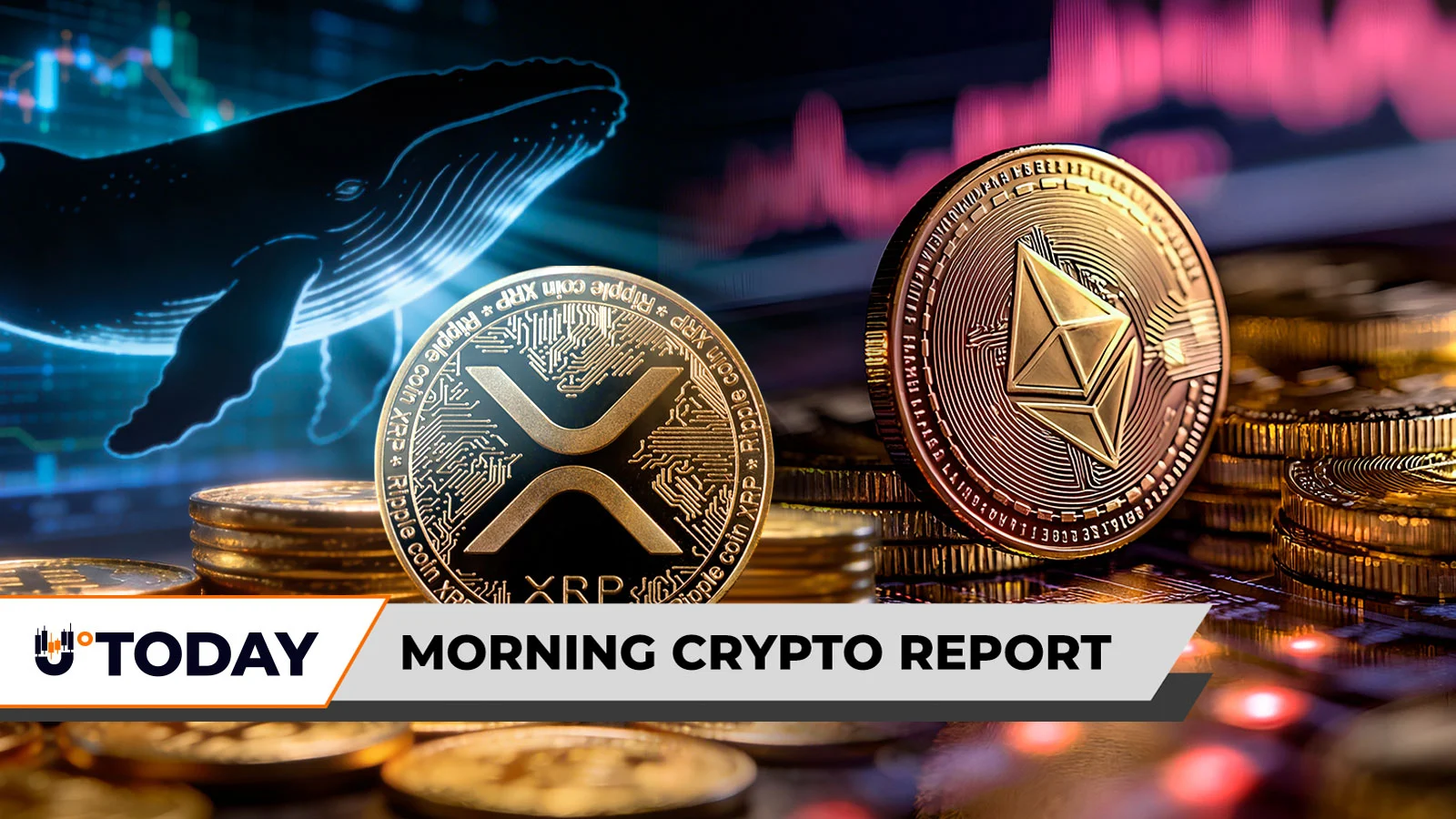
XRP whales exhibit a strong 160% bullish bias on Hyperliquid, indicating significant speculative interest from large holders that could precede price appreciation.
Ethereum's open interest reaching seven million coins signals a high-risk leverage overheat, suggesting the recent price rally is heavily reliant on leveraged positions and vulnerable to sharp liquidations.
Bitcoin's correlation with gold has fallen to a 2022-low of -0.88, indicating a decoupling where BTC is attracting capital as a risk-on asset, potentially driven by ETF inflows, rather than acting as a traditional safe haven.
The SEC and CFTC's joint memorandum classifying major altcoins like XRP, ETH, and SOL as non-securities removes a significant regulatory overhang, providing a fundamental tailwind for the broader crypto market.
Source, catalyst, and sector overlap from the latest feed.
Ripple CTO Emeritus David Schwartz shares early XRP memory from 2013.
Binance's decision to delist eight cryptocurrencies, including A2Z, FORTH, HOOK, IDEX, LRC, NTRN, RDNT, and SXP, will significantly reduce liquidity for these assets. The delisting is a direct consequence of Binance's standard quarterly reviews, indicating potential issues with trading volume, security, or regulatory compliance for the affected tokens. Affected token prices have already shown sharp declines, with IDEX down 33.44% and SXP down 24.13%, highlighting the immediate negative market reaction to reduced exchange support. Traders holding these delisted assets must act quickly to withdraw funds before April 1, 2026, to avoid forced settlements and potential further price depreciation.
Live Feed
Loading the broader stream in the same flow as the homepage feed.

SBI VC Trade's launch of a retail USDC lending service in Japan signifies growing institutional adoption of stablecoins for yield generation. The product offers retail investors an alternative to traditional USD deposits, though it carries direct counterparty risk and limited liquidity during the lending term. This development aligns with Japan's broader stablecoin rollout and SBI's strategic expansion into stablecoin services, including partnerships with Circle and plans for a JPY stablecoin.

The crypto industry's significant spending in the Illinois primary, aimed at supporting pro-crypto candidates, failed to yield desired electoral outcomes, indicating potential headwinds for industry lobbying efforts. Ties to the crypto industry became a liability for candidates in the Illinois primary, suggesting that negative public perception or political framing can outweigh financial backing. The crypto lobby's strategy of bipartisan engagement may be challenged by its association with specific political factions, potentially impacting its effectiveness in future elections. Despite favorable polls on crypto itself, a significant portion of Illinois voters expressed support for restrictions, highlighting a disconnect between general sentiment and policy preferences.

The Bank of Korea's expansion of digital won trials to include two new banks and testing of deposit tokens for subsidies and P2P transfers signals a significant step towards potential CBDC implementation, which could impact traditional payment systems and stablecoin adoption. The focus on reducing transaction fees for businesses through digital currency use cases highlights a key driver for CBDC development, potentially creating a more efficient payment infrastructure if successful. The ongoing delays in South Korea's Digital Asset Basic Act, particularly concerning stablecoin issuance, create a complex regulatory backdrop for these CBDC trials, suggesting potential future conflicts or synergies between central bank digital currencies and private stablecoins.

Tempo's mainnet launch signifies a significant step towards enabling fast, low-cost stablecoin payments, potentially impacting traditional payment rails. The introduction of the Machine Payments Protocol positions Tempo as a key player in the emerging agentic finance landscape, allowing AI agents to autonomously execute transactions. The development aligns with broader industry trends of major payment firms like Mastercard and Stripe integrating blockchain and stablecoin infrastructure, suggesting a growing institutional embrace of these technologies. Tempo's focus on cross-border payments and mass payouts addresses existing inefficiencies, presenting a direct challenge to established remittance services.
PEPE price is experiencing sustained bearish pressure, failing to break above key resistance zones and showing signs of weakening momentum. Short-term downside risk persists for PEPE, with potential targets identified at $0.00000354 and $0.00000340 if selling pressure continues. A strong bullish reversal for PEPE would require a reclaim of $0.00000340 after a dip below $0.00000331, invalidating the current bearish bias.

The CoinDesk 20 Index experienced a broad decline of 3.1%, with all constituent assets trading lower, indicating a general bearish sentiment across major cryptocurrencies. Uniswap (UNI) and Aave (AAVE) were notable laggards, falling 4.9% and 4.4% respectively, suggesting potential weakness in the DeFi sector or specific project-related pressures. The consistent underperformance of all 20 index components points to a lack of positive catalysts and a prevailing risk-off environment in the crypto market.
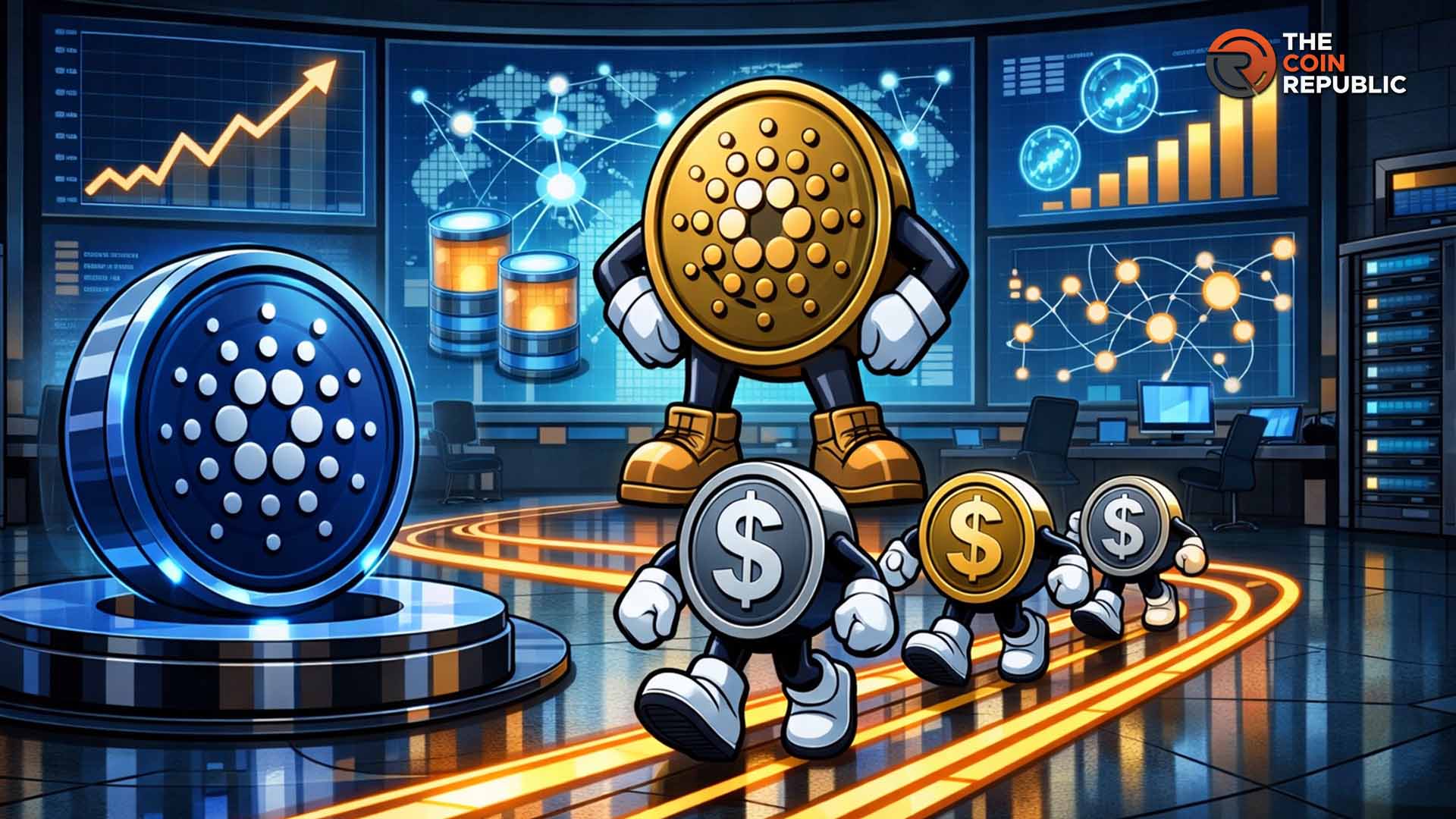
Cardano's DeFi ecosystem growth, driven by USDCx stablecoin adoption and cross-chain inflows, signals increasing network utility and potential for sustained liquidity. Upcoming protocol upgrades, including the Midnight privacy sidechain and the 'van Rossem' hard fork, alongside increasing institutional interest via ETF filings, position Cardano for potential future capital cycles. While recent TVL surges and new stablecoin mints are positive, Cardano's price momentum hinges on successful adoption and execution of its enhanced infrastructure, with execution risks and regulatory clarity remaining key factors. The launch of USDCx and CME Cardano futures, coupled with ETF filings, suggests a maturing institutional landscape for ADA, potentially converting speculative interest into durable capital flows.

The push by 21 crypto organizations for US colleges to integrate DeFi into curricula signals a growing demand for skilled professionals in traditional finance roles. Increased academic focus on DeFi could accelerate mainstream adoption and talent acquisition, potentially benefiting the broader crypto ecosystem by bridging the gap between theoretical knowledge and practical application. The demand for DeFi expertise from major Wall Street firms like BlackRock and Goldman Sachs indicates a structural shift in the financial industry, moving beyond niche tech roles to broader business and legal functions.
Signal context only. Validate with price action, liquidity, and risk limits before taking a position.
ETH
ETH
