
Navigating Crypto News

CoinFeather
Navigating Crypto News
Quick market read from this story
TRX price stability amidst the WLFI controversy suggests a market decoupling, with investors potentially favoring TRX's narrative of institutional relevance over WLFI's unfolding governance crisis.
The public dispute between Justin Sun and WLFI, involving allegations of backdoors and legal threats, has severely impacted WLFI's price action, creating a stark contrast with TRX's resilience.
While TRX is currently showing strength, the ongoing WLFI turmoil poses a potential sentiment risk; any escalation of the controversy could negatively affect TRX due to Justin Sun's association.
Source, catalyst, and sector overlap from the latest feed.
Crypto lending in Latin America is expanding due to currency instability and limited traditional credit access, presenting a practical use case for holding volatile assets while accessing stable liquidity. The growth of crypto lending in LATAM is driven by demand for USD liquidity and a hedge against inflation, with platforms like Clapp offering flexible credit-line models that cater to irregular cash flows and diverse collateral needs. Users in Latin America are leveraging crypto loans for essential financial needs such as accessing USD liquidity, hedging against inflation, managing business cash flow, and portfolio rebalancing, rather than purely for speculation. While crypto lending offers benefits, users must navigate risks including volatility-driven liquidations, currency mismatches, regulatory fragmentation, and platform counterparty risk, necessitating a conservative approach with low LTV and reliable platforms.
Live Feed
Loading the broader stream in the same flow as the homepage feed.

BlockDAG's expansion to 13 exchanges signifies increased accessibility and potential for broader market adoption, contrasting with the stable price ranges of established assets like BNB and XRP. The article highlights a market bifurcation where established cryptocurrencies like Binance Coin and XRP exhibit stability driven by liquidity and ecosystem usage, while projects like BlockDAG focus on early-stage growth through exchange listings. BlockDAG's current fixed allocation price of $0.0000061 presents a pre-market discovery phase, with future pricing expected to be determined by open market conditions post-listing.
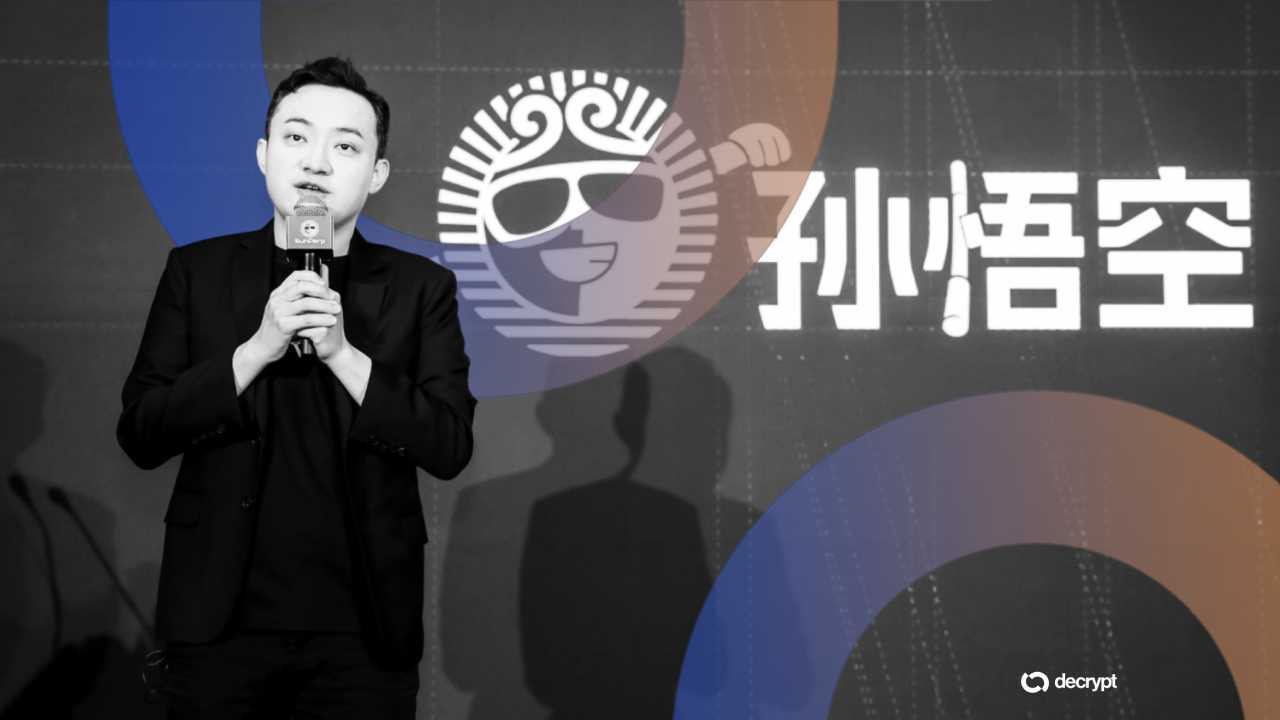
Justin Sun's public accusation of World Liberty Financial (WLFI) embedding backdoor controls and treating the community as a 'personal ATM' signals a severe governance dispute and potential smart contract vulnerability. The escalating public feud between a major token holder and the project's core team, coupled with WLFI token's all-time low price, suggests significant internal discord and investor distrust. The dispute's timing and political undertones, referencing past SEC settlements and potential future scrutiny, indicate that regulatory and political risks may significantly impact the project's valuation and operational stability.
XRP witnessed $19.3M in weekly inflows as assets under management (AUM) reached $2.46 billion.
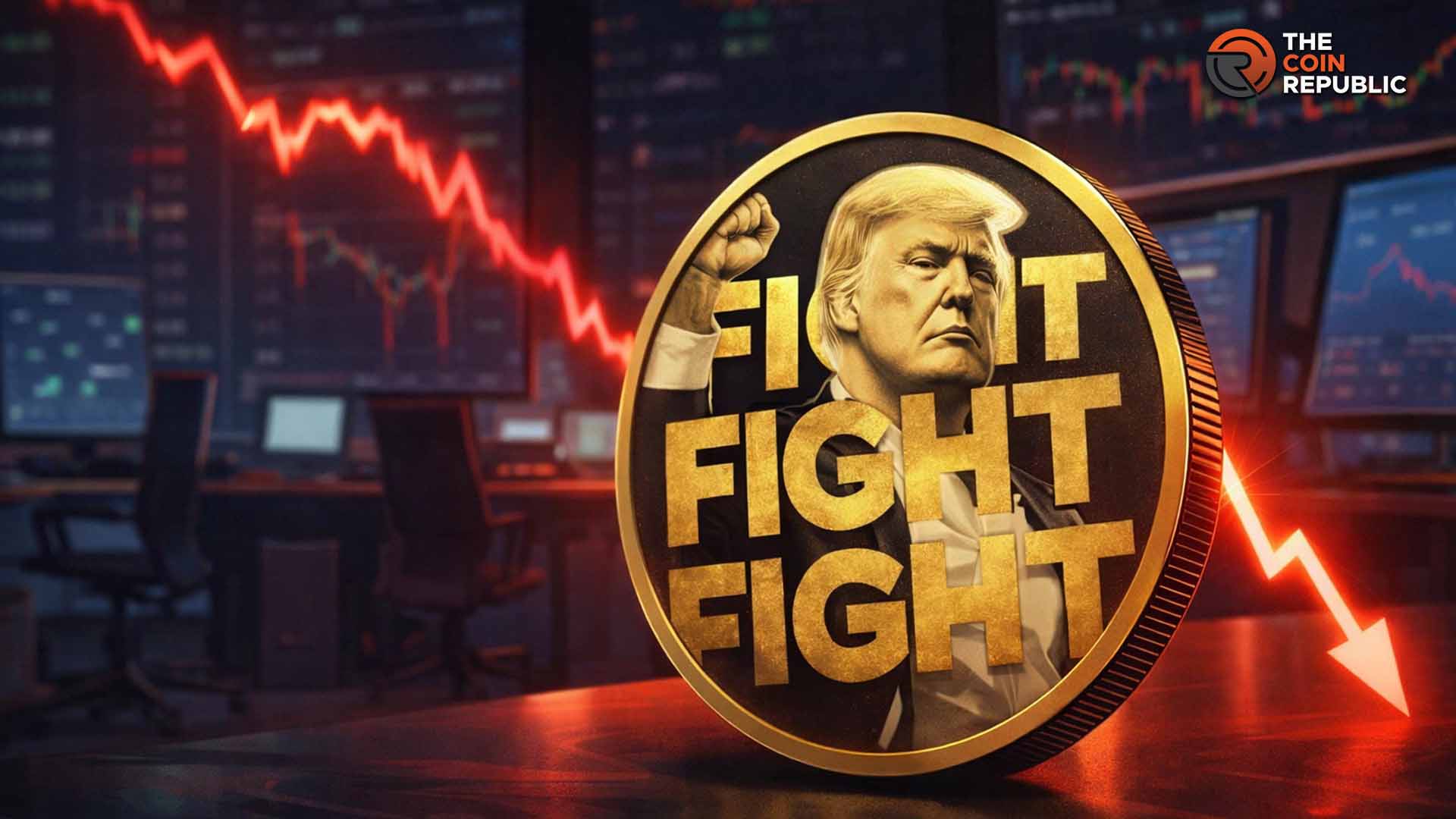
The TRUMP token is experiencing a significant price decline of nearly 30% over the past month, despite increased whale accumulation, indicating a bearish sentiment despite event-driven hype. The upcoming Mar-a-Lago event, which requires token holdings for entry, is failing to catalyze a price surge, suggesting that speculative demand for event access is not translating into sustained buying pressure. Declining trading volume and momentum suggest that traders are adopting a cautious stance, potentially anticipating further price drops or awaiting clearer fundamental catalysts beyond event speculation. While whale accumulation aims to secure event access, historical patterns suggest that such short-term demand spikes often precede price declines as early participants take profits.
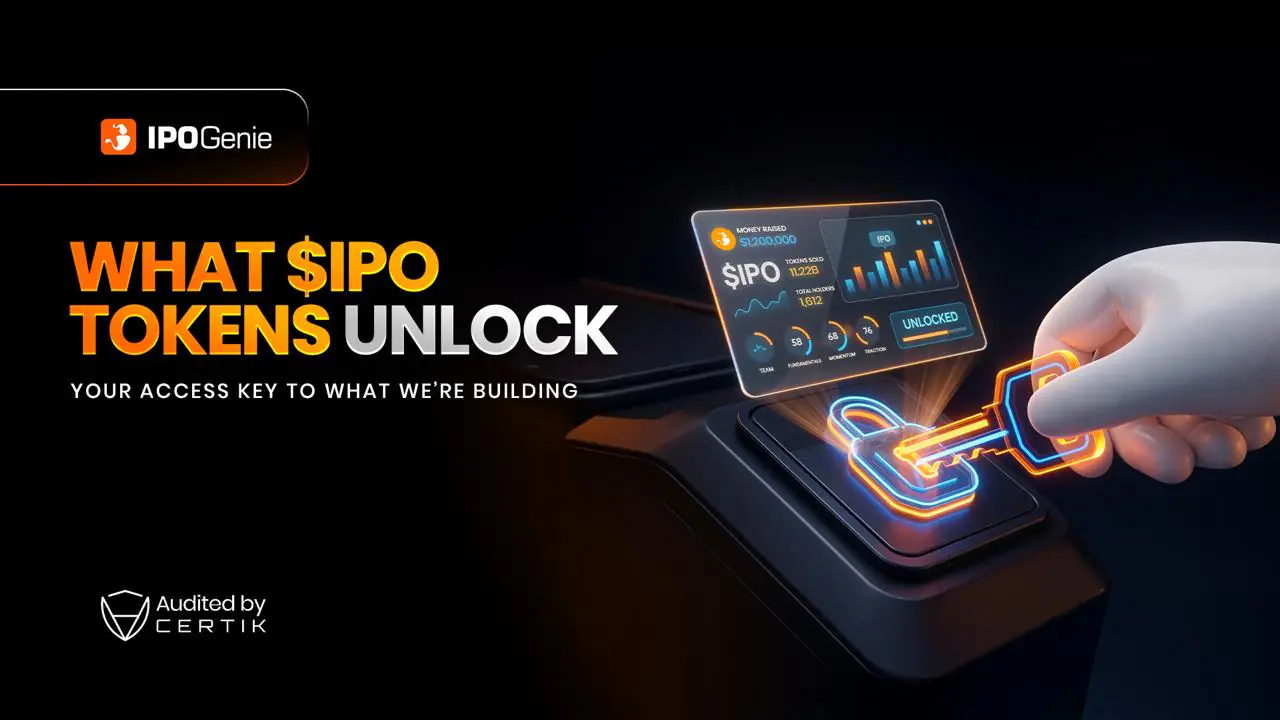
This publication is sponsored and written by a third party. Coindoo does not endorse or assume responsibility for the content, […] The post IPO Genie Presale Progresses From Early Phase to Phase 81 appeared first on Coindoo.

Kraken's confirmation of an extortion attempt, despite no system breach or client fund risk, highlights ongoing security vulnerabilities within exchanges and the persistent threat of insider-related data access. The exchange's refusal to pay criminals and collaboration with law enforcement signals a firm stance against extortion, potentially setting a precedent for handling similar incidents. The incident, affecting a small fraction of clients (2,000 out of millions), suggests that while the direct financial impact is contained, the reputational risk and the broader implications for exchange security remain significant.
XRP's perpetual futures open interest has seen a dramatic 96% decline over six months, indicating extreme caution among derivatives traders following a significant crash in October 2025. The sustained low open interest suggests a lack of conviction from futures traders to re-engage with high-leverage positions, despite short-term price rebounds, signaling a weak derivative market sentiment for XRP. The prolonged downturn in XRP's derivatives market, evidenced by the sharp drop in open interest, points to a potential lack of institutional or speculative interest in short-term price movements.
Geopolitical tensions in the Middle East, specifically a naval blockade targeting Iranian oil shipments, are driving crude oil prices higher, creating a risk-off sentiment in traditional markets. Goldman Sachs' disappointing fixed income trading results are weighing on the Dow Jones Industrial Average, highlighting potential cracks in the financial sector amidst ongoing earnings season. The S&P 500 is exhibiting a flat performance as markets remain in a holding pattern, balancing rising geopolitical risks against hopes for diplomatic solutions and upcoming earnings reports. While oil prices surge due to supply disruption fears, ongoing diplomatic efforts and the potential for further negotiations introduce uncertainty, preventing decisive market movements.

Circle's CEO Jeremy Allaire stated the company will only freeze USDC funds under court order, contrasting with Tether's proactive approach to illicit funds. This policy, while aligning with traditional finance legal processes, creates a window for exploiters, as highlighted by recent multi-million dollar hacks where USDC remained unfrozen. The debate over discretionary freezing versus legal process intervention raises questions about centralized control versus DeFi principles, potentially impacting trust in stablecoins. While Circle's stance prioritizes legal compliance, the criticism and comparison to Tether's rapid response suggest potential reputational risk and user concern over fund security.
Ripple has burned 29.9 million RLUSD tokens on Ethereum, indicating active treasury management and potential supply adjustments for its stablecoin. The RLUSD burn follows recent minting activity, suggesting dynamic rebalancing of the stablecoin supply across different ledgers. While the RLUSD burn is a direct event, the article also includes a significant long-term prediction of stablecoin volume reaching $1.5 quadrillion by 2035, driven by wealth transfer and adoption.

Bankers are challenging the White House's assessment of stablecoin yield risks, arguing the analysis should focus on potential future impacts rather than current conditions. The ongoing debate over stablecoin yield, a key point of contention in the Digital Asset Market Clarity Act, continues to stall legislative progress in the U.S. Senate. The American Bankers Association warns that allowing stablecoin yield could lead to a significant migration of funds from traditional bank deposits, potentially impacting community banks disproportionately. The prolonged legislative stalemate over the Clarity Act highlights the persistent conflict between the traditional banking sector and the growing crypto industry regarding stablecoin regulation.
Signal context only. Validate with price action, liquidity, and risk limits before taking a position.
No explicit catalyst tagged.
SEC guidance allows certain DeFi UIs to operate without broker-dealer registration for 5 years, potentially fostering innovation in self-custodial services. The SEC's 'Covered User Interfaces' clarification provides a regulatory runway for DeFi development, reducing immediate enforcement risks for wallet and browser extension providers. While a positive step for DeFi, the guidance is non-binding and has a 5-year interim period, suggesting ongoing regulatory scrutiny and potential future changes.
