
Navigating Crypto News

CoinFeather
Navigating Crypto News

Quick market read from this story
Avalanche's transaction volume reaching a two-year high, despite lower trading volume, suggests potential accumulation and a precursor to price pumps seen in past cycles.
Chainlink's expanding Web3 integrations and consistent oracle demand, coupled with a price lagging behind on-chain activity, indicate a potential rebound opportunity as macro conditions shift.
Hedera's significant discount to its cycle high, juxtaposed with rapid growth in tokenized real-world assets, presents a classic 'gap' scenario that has historically preceded aggressive HBAR rallies.
The convergence of rising on-chain activity, established infrastructure, and deep discounts across AVAX, LINK, and HBAR suggests these assets may be undervalued and poised for recovery.
Deep Dive
Several cryptocurrencies, including Avalanche, Chainlink, and Hedera, are showing signs of being undervalued despite increasing on-chain activity and network growth. These assets have historically demonstrated patterns that preceded significant price surges, suggesting potential for future rebounds as market conditions shift and investor attention turns towards assets with upside potential.
The Avalanche network has experienced a steady increase in weekly transactions, reaching a two-year high of 20.19 million in the past week. This surge in network activity, observed over the last two months, has historically correlated with price pumps for its native token, AVAX. Despite a recent dip in token trading volume, suggesting some transactions may involve internal fund movements, the underlying increase in throughput is seen as a positive indicator for potential accumulation and long-term growth. AVAX is currently trading around $9.59, consolidating after a period of market volatility influenced by geopolitical events.
Chainlink continues to solidify its position as a critical oracle infrastructure provider for Web3. Despite lagging price action, the rising number of oracle calls and recent 11 new integrations across various blockchain networks highlight its expanding utility. These integrations, spanning services like ADI Chain and Base, underscore Chainlink's growing adoption across diverse Web3 ecosystems. While past token releases have introduced selling pressure, the network's consistent delivery of reliable data feeds for DeFi, NFTs, and RWAs, coupled with potential shifts in macro conditions, positions LINK for a possible rebound. LINK is currently trading near $9.04, facing resistance around the 50-day SMA of $9.40.
Hedera (HBAR) is trading at a significant 60% discount to its 12-month cycle high, even as its tokenized real-world asset (RWA) portfolio experiences rapid expansion. The RWA.xyz dashboard indicates consistent growth in both the count and total value locked for tokenized assets on the Hedera network, signaling increasing adoption within regulated finance. This divergence between strong utility growth and a depressed valuation mirrors patterns seen in previous HBAR rallies. HBAR is currently priced at approximately $0.094, presenting a potential opportunity for investors who recognize the value in its expanding real-world utility.
The convergence of rising on-chain activity, robust infrastructure, and significant valuation discounts across Avalanche, Chainlink, and Hedera presents a compelling case for these cryptocurrencies. Their demonstrated utility in areas like RWA tokenization and their historical performance during periods of market recovery suggest that these undervalued assets may be poised for substantial gains as market dynamics evolve.
Source, catalyst, and sector overlap from the latest feed.
BlackRock's launch of the iShares Staked Ethereum ETF (ETHB) introduces a novel product that combines direct ETH exposure with staking rewards, potentially attracting investors seeking yield and simplifying direct ETH staking for a broader audience. The introduction of ETHB by a major asset manager like BlackRock signifies continued institutional adoption and product innovation within the Ethereum ecosystem, potentially increasing demand and liquidity for ETH. While the ETF itself is a new product, its launch coincides with broader market volatility, suggesting that while it may attract capital, its immediate price impact on ETH will be influenced by macroeconomic factors and overall market sentiment.
Binance is actively defending against renewed allegations of enabling Iran-linked crypto transactions, highlighting recent dismissals of anti-terrorism claims and emphasizing its commitment to sanctions enforcement. The ongoing Justice Department investigation into Binance's alleged role in sanctions evasion, coupled with renewed political scrutiny from U.S. Democrats, presents a persistent regulatory overhang for the exchange. Binance's lawsuit against The Wall Street Journal signals a strong stance against reporting it deems inaccurate, indicating a willingness to engage in legal battles to protect its reputation amidst regulatory pressures.
The formal coordination agreement between the SEC and CFTC signals a significant reduction in regulatory ambiguity for crypto market participants in the US. This pact aims to streamline oversight and reduce duplicative rules, potentially lowering compliance burdens for exchanges and intermediaries. By aligning definitions and coordinating enforcement, the agencies seek to foster innovation while maintaining market integrity, which could positively influence investor confidence. The agreement to share data and coordinate examinations suggests a more unified approach to crypto regulation, reducing the risk of conflicting enforcement actions.
The minting of $1 billion USDT on Tron signifies robust demand for stablecoins, indicating increased liquidity and potential for heightened trading activity across crypto markets. Tron's growing dominance as the primary network for USDT transactions, surpassing Ethereum by $8 billion, highlights its efficiency and cost-effectiveness for large-scale stablecoin movements. Increased USDT supply, particularly on efficient networks like Tron, suggests underlying market strength and provides traders with ample liquidity for both spot and derivative markets. The continued expansion of Tether's supply, driven by demand from exchanges, reinforces its market leadership and its critical role in facilitating global crypto transactions.
MyBookie.ag, a sports betting and casino platform established in 2014, has expanded its offerings to include prediction markets, potentially attracting a new segment of users interested in betting on non-sporting events. The platform's integration of diverse cryptocurrency payment options, including BTC, ETH, SOL, and DOGE, alongside traditional methods, enhances accessibility for a broader user base and signals a continued trend of crypto adoption in the online gambling sector. MyBookie.ag's comprehensive review details various bonuses and features like live betting, early cashout, and a loyalty program, indicating a focus on user retention and engagement within the competitive online betting market.
XRP's integration into the Base network via FXRP unlocks access to a $4.2 billion DeFi ecosystem, enabling lending and yield farming opportunities previously unavailable on the XRPL. Shiba Inu's 18% price surge presents a short squeeze scenario, with significant liquidation risk for short sellers if the price breaches the $0.00000728 level. Bitcoin's stabilization above $69,000 ahead of the March 19 FOMC meeting suggests market anticipation of a dovish tone, potentially supporting further upside if rate cut expectations are confirmed. The convergence of XRP's DeFi expansion, SHIB's short squeeze dynamics, and BTC's pre-FOMC positioning creates a mixed short-term trading environment with distinct opportunities and risks across these assets.
Ripple's CTO Emeritus David Schwartz suggests that a hypothetical large XRP burn, similar to XLM's 50% supply reduction, may not significantly impact XRP's price due to historical price correlation and the limited observable effect on XLM post-burn. The discussion highlights that despite XLM's substantial token burn, its price continued to mirror XRP's, implying that fundamental market dynamics and broader sentiment may outweigh supply-side changes for these correlated assets. While a burn of XRP's 33.6 billion escrowed tokens would be a significant supply reduction, the analysis indicates that traders should temper expectations for direct price appreciation based on this event alone, given past precedents.
Bitcoin is approaching a $75,000 level where options market makers hold significant short gamma positions, suggesting potential for amplified volatility and accelerated price movements due to dealer hedging as prices rise. Despite bullish momentum signals from Bitcoin breaking above its 50-day average, macroeconomic headwinds including rising oil and dollar prices, and weakness in traditional stock indices, pose a significant risk to sustained gains. The surge in the MOVE index, indicating increased Treasury market volatility, suggests a tightening of global liquidity conditions which could broadly pressure risk assets, including Bitcoin.
Mastercard's new partner program signals a strategic move to integrate stablecoin flows into its existing network, aiming to capture value from digital dollar settlement rather than being bypassed. The initiative, backed by over 85 firms, represents Mastercard's effort to build the necessary infrastructure for blockchain-native money movement, ensuring its continued relevance in future payment ecosystems. While not a direct endorsement of crypto as an investment, Mastercard's actions, including the SoFiUSD settlement, indicate a pragmatic approach to incorporating stablecoins for practical payment and settlement use cases. The competitive landscape with Visa also pushing stablecoin settlement highlights a race among traditional payment networks to control the emerging digital asset rails, making this a critical development for the payments sector.
The CoinDesk 20 Index experienced a broad-based rally, with all 20 constituents trading higher, indicating positive market sentiment across a significant portion of the crypto market. Sui (SUI) and Cardano (ADA) led the gains within the CoinDesk 20, suggesting potential outperformance from these Layer 1 assets in the short term. The overall upward movement of the CoinDesk 20 Index, despite specific laggards like ICP and NEAR, points to a general risk-on environment for major cryptocurrencies.
Businesses are increasingly exploring crypto payments for ecommerce and digital services due to faster settlement, lower transaction costs, and access to a global user base. Educational initiatives like Coinspaid's free webinars are crucial for addressing business adoption barriers related to compliance, technical integration, and volatility management. The focus on practical operational topics in these webinars signals a maturing market where infrastructure providers are educating potential clients on integrating crypto payments into existing business workflows.
XRP's price is showing a potential bullish breakout setup on the monthly chart, characterized by a multi-year symmetrical triangle pattern, suggesting a possible significant upward move if resistance is cleared. Derivatives data indicates a potential return of buyer demand, with the 90-day Futures Taker Cumulative Volume Delta (CVD) reaching its highest level since November 2024, signaling a possible shift in market sentiment. The current price action shows XRP holding above a critical support zone ($1.35-$1.40) and potentially breaking out of a descending channel on the daily chart, which could initiate a recovery rally. Analysts are watching for XRP to break key resistance levels, particularly $1.75, which could confirm a short-term breakout and lead to further upside momentum in the coming weeks.
Tether's reported $10 billion profit in 2025 and substantial U.S. Treasury holdings signal significant financial strength, positioning it to potentially expand beyond stablecoins into infrastructure, AI, and media. The company's strategic focus on the U.S. market and the launch of a new stablecoin, USAT, alongside a potential $500 billion valuation, indicates aggressive growth ambitions and a bid to capture a larger share of the digital dollar space. Tether's CEO suggests stablecoins like USDT could become crucial if traditional financial systems falter, highlighting a potential systemic role for stablecoins in future economic instability. With investments in over 140 companies across various sectors, Tether is diversifying its portfolio beyond its core stablecoin business, indicating a broader strategy to build out its ecosystem and influence.
Live Feed
Loading the broader stream in the same flow as the homepage feed.
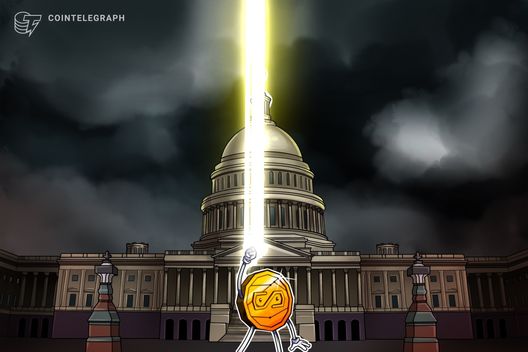
Yield-bearing stablecoins are experiencing rapid growth, outperforming the broader stablecoin market significantly, indicating a strong demand for stable, yield-generating crypto products amidst regulatory uncertainty. The divergence in regulatory approaches between the House and Senate regarding yield on stablecoins presents a key catalyst for potential market shifts and regulatory clarity, impacting issuer strategies and investor confidence. Despite regulatory headwinds in Washington, the increasing market cap and adoption of yield-bearing stablecoins suggest a maturing market segment that offers an alternative to traditional financial products, attracting capital seeking yield without direct crypto volatility exposure. The focus of leading yield-bearing stablecoins on single-asset offerings rather than payment use cases, as noted by Messari, highlights a strategic shift towards functioning more like money market funds or bank deposits, attracting a different investor profile.

The Bank of England is signaling a more open stance towards stablecoins, indicating potential for future regulatory clarity and market development in the UK. While the BOE is open to feedback on its proposed stablecoin framework, the lack of specific industry proposals for alternative risk mitigation suggests a continued regulatory hurdle. The evolving BOE stance towards a 'multi-moneyverse' with competing forms of money could foster innovation and competition within the UK's financial landscape if regulation is balanced.
Investors seeking exposure to Burger King must track Restaurant Brands International (QSR) stock, as Burger King does not trade as a standalone entity. Burger King has a history of public trading, including an IPO in 2006 and subsequent mergers, but currently operates as a subsidiary of QSR. While speculation exists about a future Burger King IPO, the current corporate structure under QSR leverages shared resources and operational efficiencies.
Shiba Inu's recent token burn of 6.8M SHIB, while a 44% increase in burn activity, is unlikely to significantly impact its massive circulating supply of over 585 trillion tokens, suggesting limited near-term price appreciation from this event alone. Despite the ongoing debate about the effectiveness of SHIB's deflationary mechanism, the token experienced a 4% price gain coinciding with the burn, indicating potential short-term speculative interest or broader market sentiment influencing its movement. The article highlights that historical burn events have not consistently triggered price rallies, and SHIB has seen a significant year-to-date decline, suggesting that current price action may be more sensitive to overall market trends than token burns.
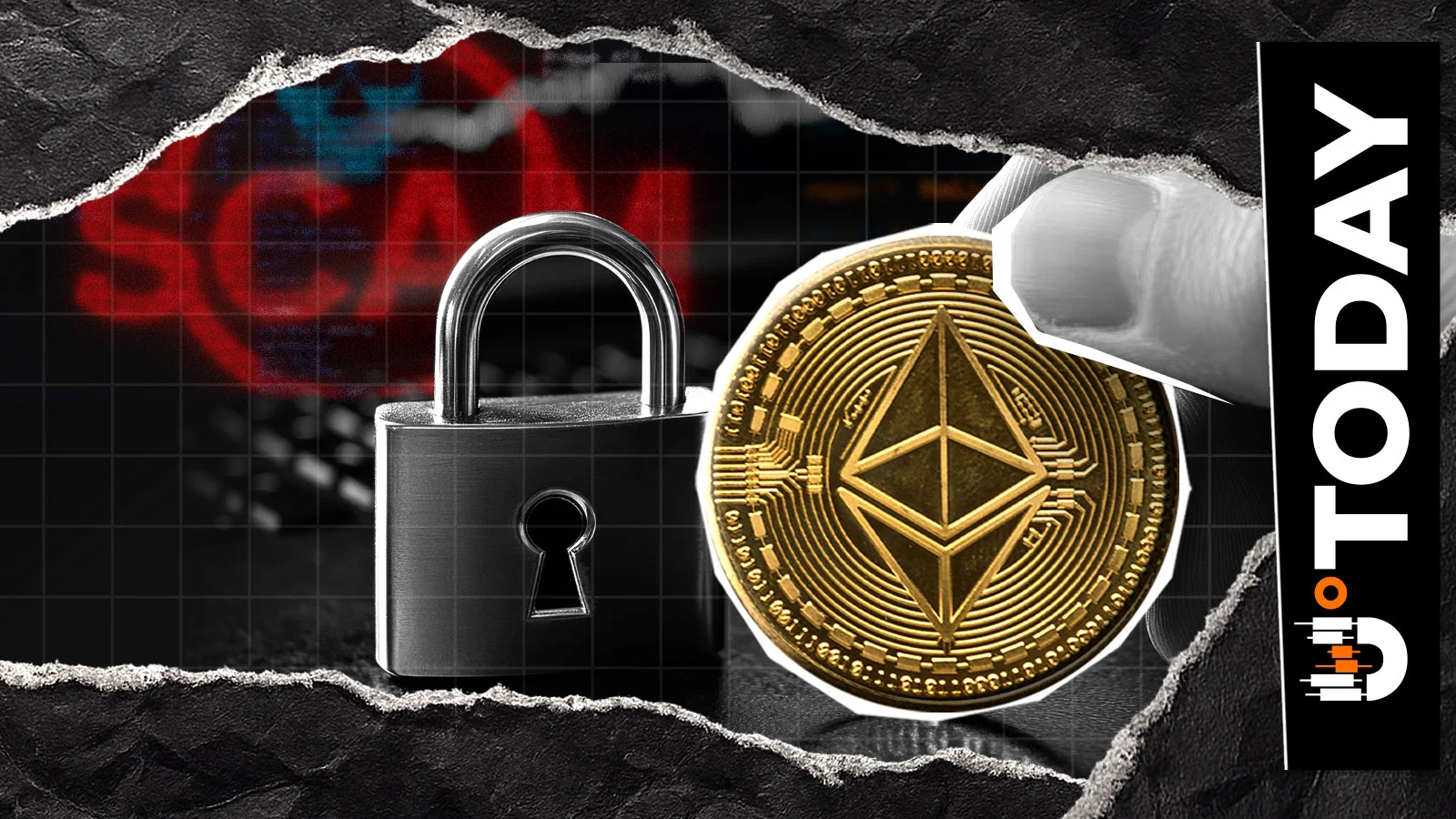
Ethereum users are increasingly targeted by sophisticated address poisoning attacks, where scammers send dust transactions to trick victims into sending funds to malicious wallets. The rise in these attacks is attributed to basic economics and lower Ethereum network fees post- به روز رسانی, enabling attackers to scale operations significantly. While the success rate per attempt is low, the sheer volume of attacks has resulted in substantial confirmed losses exceeding $79 million, highlighting a growing security concern for the Ethereum ecosystem. Users must exercise extreme caution with transaction histories and verify wallet addresses meticulously to avoid falling victim to these evolving scams.

Prediction markets are demonstrating sustained growth, with monthly volumes exceeding $13 billion, indicating a maturing financial category beyond experimental status. Resolution infrastructure is emerging as the primary bottleneck for prediction markets, shifting focus from liquidity to trust and reliable settlement mechanisms. The evolution of resolution from a product feature to a trust anchor is critical for prediction markets to scale into dependable financial systems, attracting institutional capital. Future growth in prediction markets will depend on building robust resolution infrastructure that ensures deterministic and auditable outcomes, rather than solely on user acquisition.

On-chain data suggests Bitcoin's long-term holders sold less aggressively than previously interpreted, potentially indicating a stronger underlying support than market sentiment reflects. The increasing holdings of Spot Bitcoin ETFs and treasury companies represent a structural shift in ownership, potentially reducing future selling pressure and altering typical cycle dynamics. Despite external macro pressures, Bitcoin's resilience suggests a potential decoupling, challenging traditional correlations and implying a shift in market drivers.
Anticipation of surging summer power demand in India, coupled with potential gas shortages due to Middle East tensions, is driving increased demand for coal. Coal India Limited's stock has seen a nearly 5% rise over the past five trading days, reflecting market expectations of sustained demand for coal as a primary energy source. India's reliance on coal for 70-87% of its electricity, despite renewable energy efforts, positions Coal India as a critical supplier, with current coal stocks sufficient for approximately 88 days. The geopolitical situation in West Asia is indirectly impacting energy markets by tightening gas supplies, which in turn bolsters the outlook for coal as a more stable alternative for power generation.
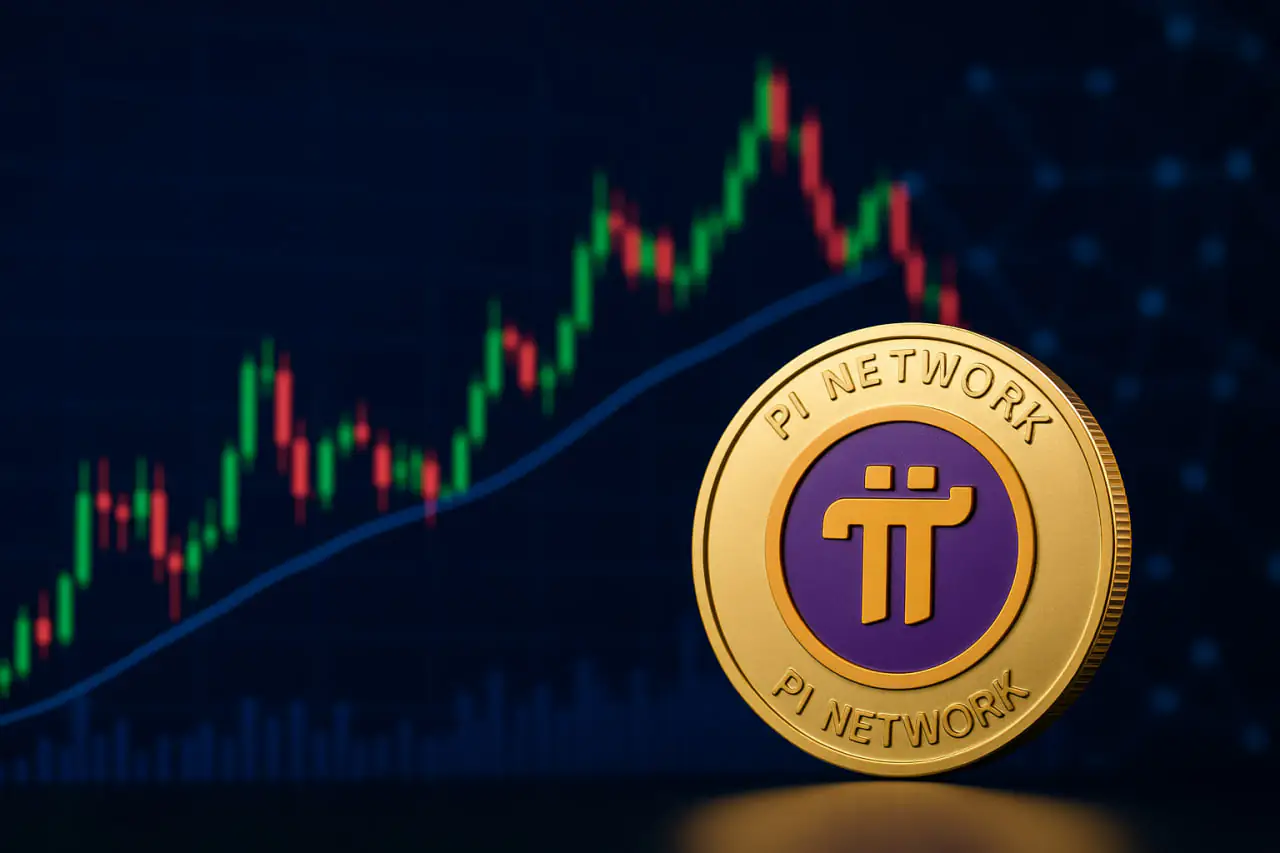
Kraken's listing of Pi Network (PI) as the first major US exchange to do so provides significant market validation, potentially paving the way for broader adoption and further exchange listings. Despite the listing, PI remains 91% below its all-time high, and substantial monthly token unlocks present a structural selling pressure that could cap near-term upside. The concurrent development of Pi Network's native DEX and infrastructure upgrades suggests a strategic push towards building a functional Web3 ecosystem, aiming to convert its large user base into active participants. While the user base is large, the conversion to active on-chain participation and the impact of tokenomics, particularly early miner unlocks, remain key challenges for Pi Network's long-term success.

Bitcoin has demonstrated resilience by outperforming gold, silver, and major US equity indexes since the escalation of geopolitical tensions in Iran, indicating its growing role as a macro hedge despite traditional headwinds. The recent price surge and recovery, supported by significant spot Bitcoin ETF inflows and a reset of leveraged positions after an initial sell-off, suggest underlying demand is absorbing volatility in a more institutionalized market. Despite the rebound, market sentiment remains cautiously bearish with analysts pointing to a broader bear market context, negative funding rates, and whales reducing long positions, suggesting potential for short squeezes but also continued overhead resistance. Near-term price action for Bitcoin is likely to be dictated by its ability to break through significant sell walls and liquidity zones around $72,000-$74,000, with support levels identified between $70,500-$71,000 and deeper liquidity around $69,000.
Analysts are observing a bearish fractal pattern in Bitcoin's current chart structure that mirrors the 2022 bear market, suggesting a potential for further downside toward $50K if key resistance levels fail. The current price action around $72K is being closely watched, with a decisive break above the $74K resistance level needed to invalidate the bearish thesis and potentially signal a sustained recovery. Weakness in traditional markets, including equities and gold, may exacerbate downward pressure on Bitcoin if a broader risk-off sentiment prevails, impacting crypto's correlation with macro trends. Despite recent short-term gains, Bitcoin remains significantly below its all-time high, indicating that the market is still in a recovery phase and susceptible to renewed bearish pressure.
Tether's launch of USAT signals a strategic move to capture the U.S. market by prioritizing regulatory compliance, potentially increasing institutional adoption of its stablecoin offerings. The reported $500 billion valuation exploration and over $10 billion in 2025 profits highlight Tether's significant financial strength and diversification, positioning it as a major player beyond stablecoin issuance. Tether's expansion into AI, energy, and media alongside its substantial holdings in U.S. Treasuries indicates a broader corporate strategy aimed at leveraging its capital for diverse growth opportunities, potentially influencing its long-term market positioning.
Signal context only. Validate with price action, liquidity, and risk limits before taking a position.
