
200+ crypto news providers in one place.

CoinFeather
200+ crypto news providers in one place.
Source, catalyst, and sector overlap from the latest feed.
Anthropic's CEO Dario Amodei has responded to a Pentagon order prohibiting military use of its AI models, citing concerns over mass surveillance and autonomous weapons. The US Department of Defense has labeled Anthropic a "supply chain risk," while rival OpenAI has secured a defense contract. This development highlights regulatory scrutiny and competitive shifts within the AI sector's defense applications.
Live Feed
Loading the broader stream in the same flow as the homepage feed.
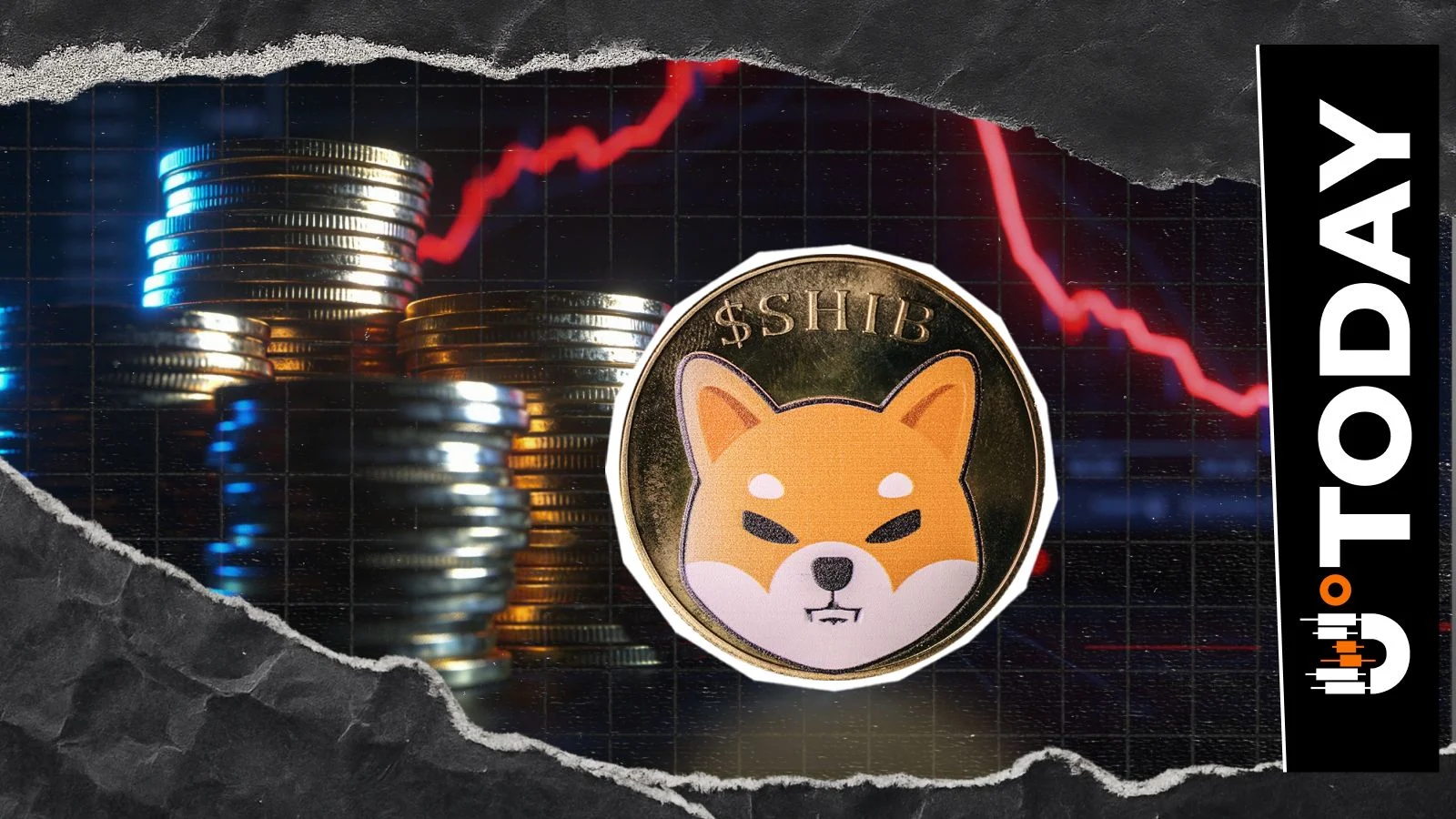
Shiba Inu's open interest in futures has fallen over 8% in 24 hours, indicating a bearish sentiment shift among traders. This decline mirrors a 5.28% drop in SHIB's spot price, leading to over $503 million in liquidations. The bearish trend suggests traders are closing positions amid increasing sell pressure.

Bitcoin experienced a sharp price decline, dropping to $63,177 and liquidating approximately $157 million in long positions. This downturn occurred despite earlier optimism fueled by news of alleged Jane Street market manipulation. Escalating geopolitical tensions between Iran and the US contributed significantly to market fear and panic selling in derivatives, exacerbating Bitcoin's volatility.

IPO Genie ($IPO) is presented as a significant presale opportunity in 2026, aiming to democratize access to private market tokenization for retail investors. The platform leverages AI for deal discovery and offers participation with low entry points, tiered benefits, and robust security measures, differentiating itself from speculative projects.

NYDIG Research suggests Bitcoin's future price action will be driven by AI's macroeconomic impact on growth, employment, and central bank liquidity, rather than technological advancements. Potential job losses due to AI could trigger liquidity injections, benefiting Bitcoin, while productivity gains without job losses might lead to higher real rates, pressuring its price. The analysis highlights AI's potential to revive early Bitcoin visions of machine-to-machine payments.
Solana (SOL) is facing significant bearish pressure, testing the $76 support level after failing to break $90 resistance. Analysts are closely watching for a potential breakdown below $76, which could lead to further declines towards $70 or even $62. While daily gains are present, the weekly trend remains negative, indicating uncertainty in the market.
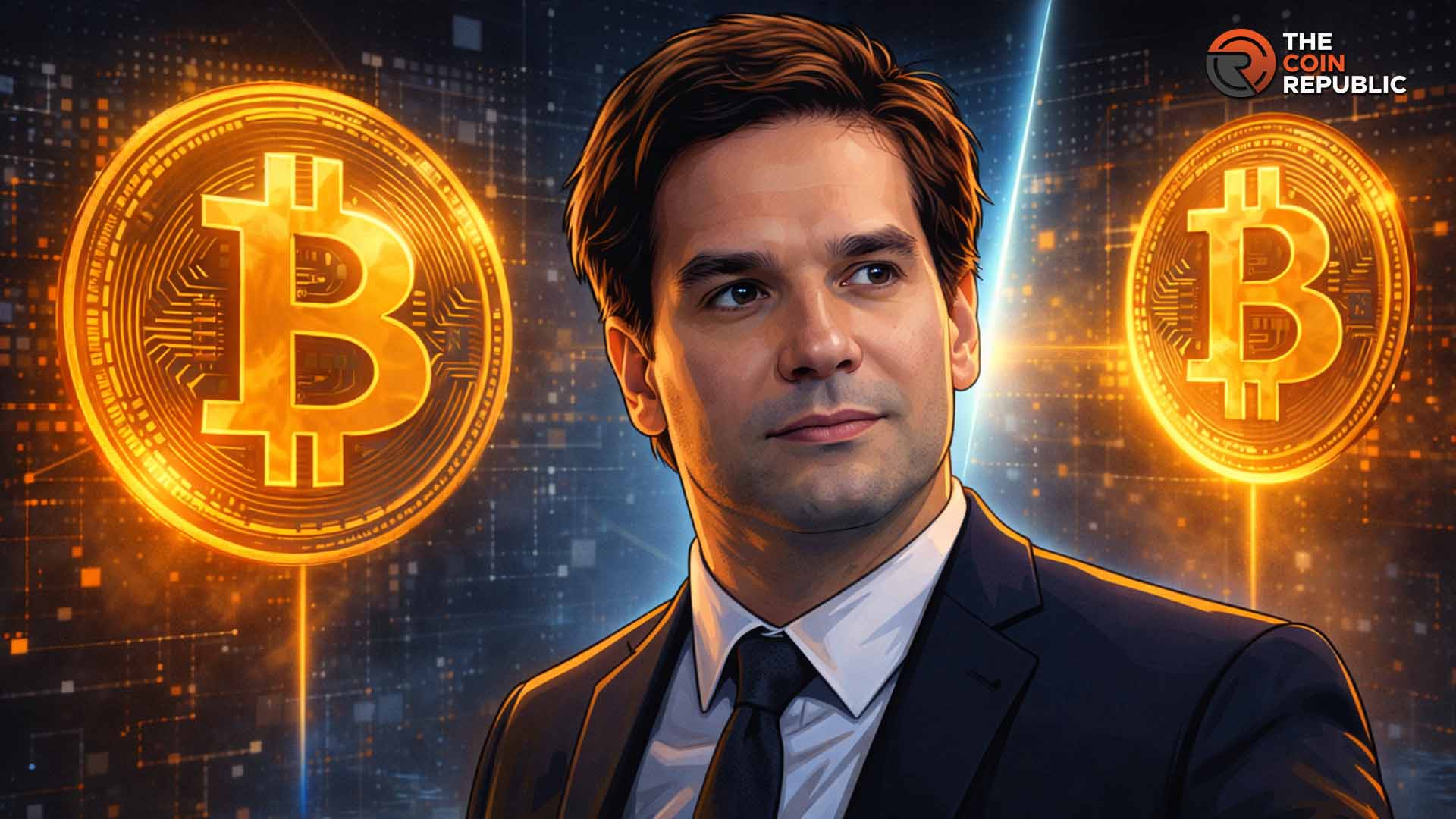
Former Mt. Gox CEO Mark Karpelès has proposed a Bitcoin hard fork to recover approximately 80,000 stolen BTC, valued at $5.2 billion. The proposal aims to move the coins to a recovery address, bypassing the need for the original private key, with the trustee distributing them to creditors. This idea faces strong opposition due to concerns about immutability and setting a precedent for future rule changes.

Bitcoin demonstrated resilience, recovering swiftly from weekend geopolitical shocks related to Iran, trading back near $64,000. This rapid rebound highlights Bitcoin's role as a 24/7 macro risk valve, particularly during low-liquidity hours. The market's focus now shifts to Monday's U.S. trading session, with spot ETF flows and potential inflation data from energy prices being key determinants of Bitcoin's next move.
Crude oil futures saw a 6% surge on Hyperliquid following Iran's announcement to close the Strait of Hormuz, a critical chokepoint for global oil supply. This on-chain market reaction precedes potential volatility in traditional markets, signaling heightened risk premiums and fears of a supply shock. Traders are actively pricing in geopolitical tensions and their impact on energy prices.
Signal context only. Validate with price action, liquidity, and risk limits before taking a position.
USDT
USDT
Despite Ether's price underperformance in early 2026, its fundamentals remain robust with significant institutional adoption and ongoing development. Ethereum and its L2s dominate TVL and RWA markets, attracting major TradFi players. Co-founder Vitalik Buterin is focusing on base-layer scalability and ZK-EVM for future efficiency and security.
