
200+ crypto news providers in one place.

CoinFeather
200+ crypto news providers in one place.
Source, catalyst, and sector overlap from the latest feed.
Solana (SOL) is facing significant bearish pressure, testing the $76 support level after failing to break $90 resistance. Analysts are closely watching for a potential breakdown below $76, which could lead to further declines towards $70 or even $62. While daily gains are present, the weekly trend remains negative, indicating uncertainty in the market.
Crude oil futures saw a 6% surge on Hyperliquid following Iran's announcement to close the Strait of Hormuz, a critical chokepoint for global oil supply. This on-chain market reaction precedes potential volatility in traditional markets, signaling heightened risk premiums and fears of a supply shock. Traders are actively pricing in geopolitical tensions and their impact on energy prices.
Live Feed
Loading the broader stream in the same flow as the homepage feed.

Bitcoin experienced a sharp price decline, dropping to $63,177 and liquidating approximately $157 million in long positions. This downturn occurred despite earlier optimism fueled by news of alleged Jane Street market manipulation. Escalating geopolitical tensions between Iran and the US contributed significantly to market fear and panic selling in derivatives, exacerbating Bitcoin's volatility.
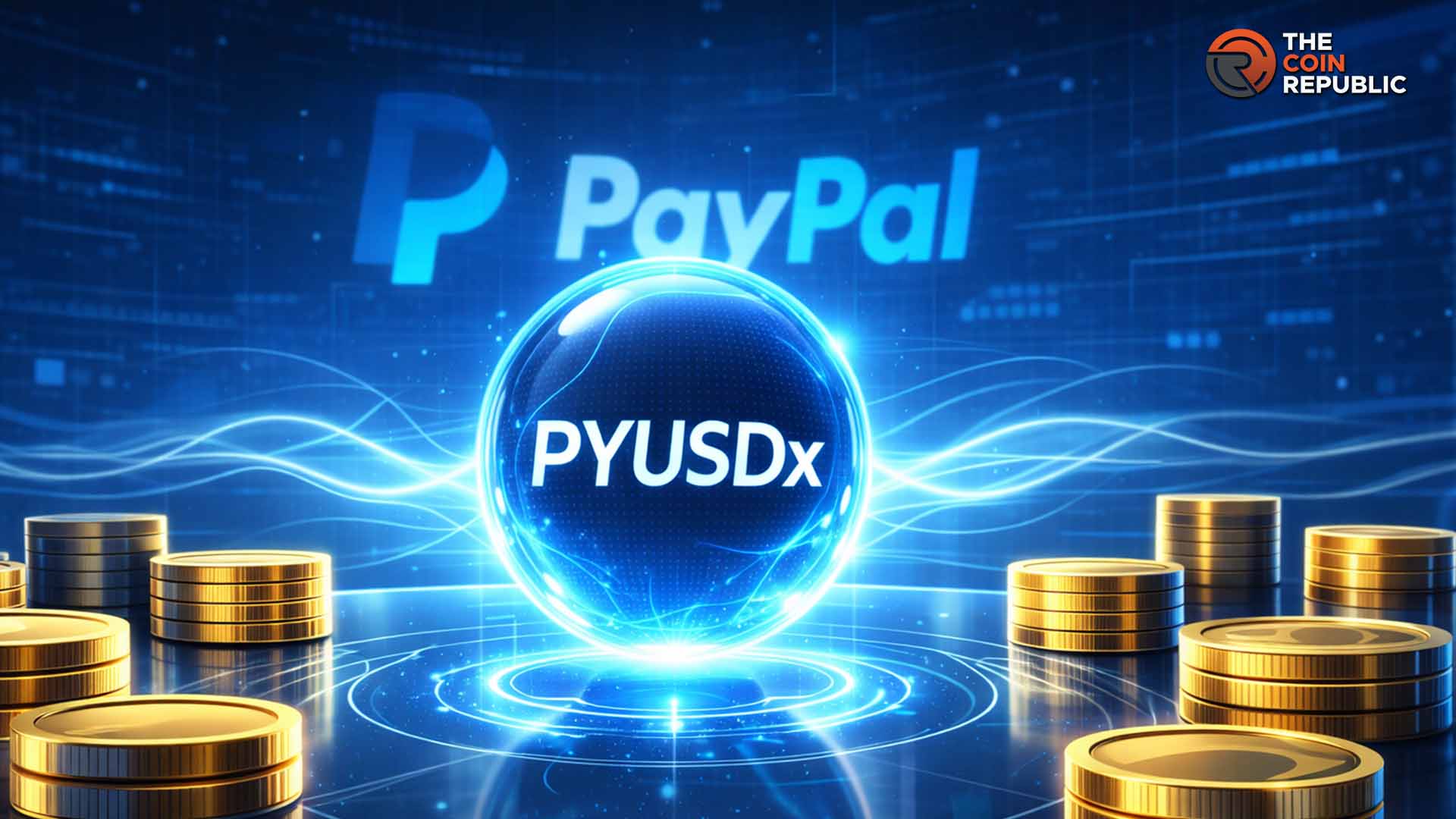
MoonPay and M0 have launched PYUSDx, an infrastructure layer enabling developers to issue application-specific stablecoins backed by PayPal USD reserves. This move positions PayPal's stablecoin as a foundational reserve for programmable finance, potentially reducing issuance timelines from months to days. The development signifies a strategic shift for PayPal towards supporting third-party token ecosystems, moving beyond direct retail adoption. This infrastructure aims to simplify the creation of branded stablecoins, with USD.ai being the first announced user for AI infrastructure.

NYDIG Research suggests Bitcoin's future price action will be driven by AI's macroeconomic impact on growth, employment, and central bank liquidity, rather than technological advancements. Potential job losses due to AI could trigger liquidity injections, benefiting Bitcoin, while productivity gains without job losses might lead to higher real rates, pressuring its price. The analysis highlights AI's potential to revive early Bitcoin visions of machine-to-machine payments.

A historical Bitcoin bottom signal has reappeared, suggesting a potential bullish inflection point similar to 2023. However, current macroeconomic conditions, including ETF flows and inflation trends, differ significantly from the previous cycle, casting doubt on the model's predictive validity for a rapid rally. Analysts suggest any short-term upside may face selling pressure, with key support levels identified around $45,000, $30,000, and $16,000.

Tether co-founder Reeve Collins argues AI is the missing link for crypto mass adoption, acting as a user-friendly interface similar to web browsers. He envisions intent-based wallets where AI handles complex on-chain actions, powered by stablecoins for 24/7 settlement. Major firms are developing AI-ready tools, signaling a potential shift towards seamless digital commerce.

Bitcoin demonstrated resilience, recovering swiftly from weekend geopolitical shocks related to Iran, trading back near $64,000. This rapid rebound highlights Bitcoin's role as a 24/7 macro risk valve, particularly during low-liquidity hours. The market's focus now shifts to Monday's U.S. trading session, with spot ETF flows and potential inflation data from energy prices being key determinants of Bitcoin's next move.
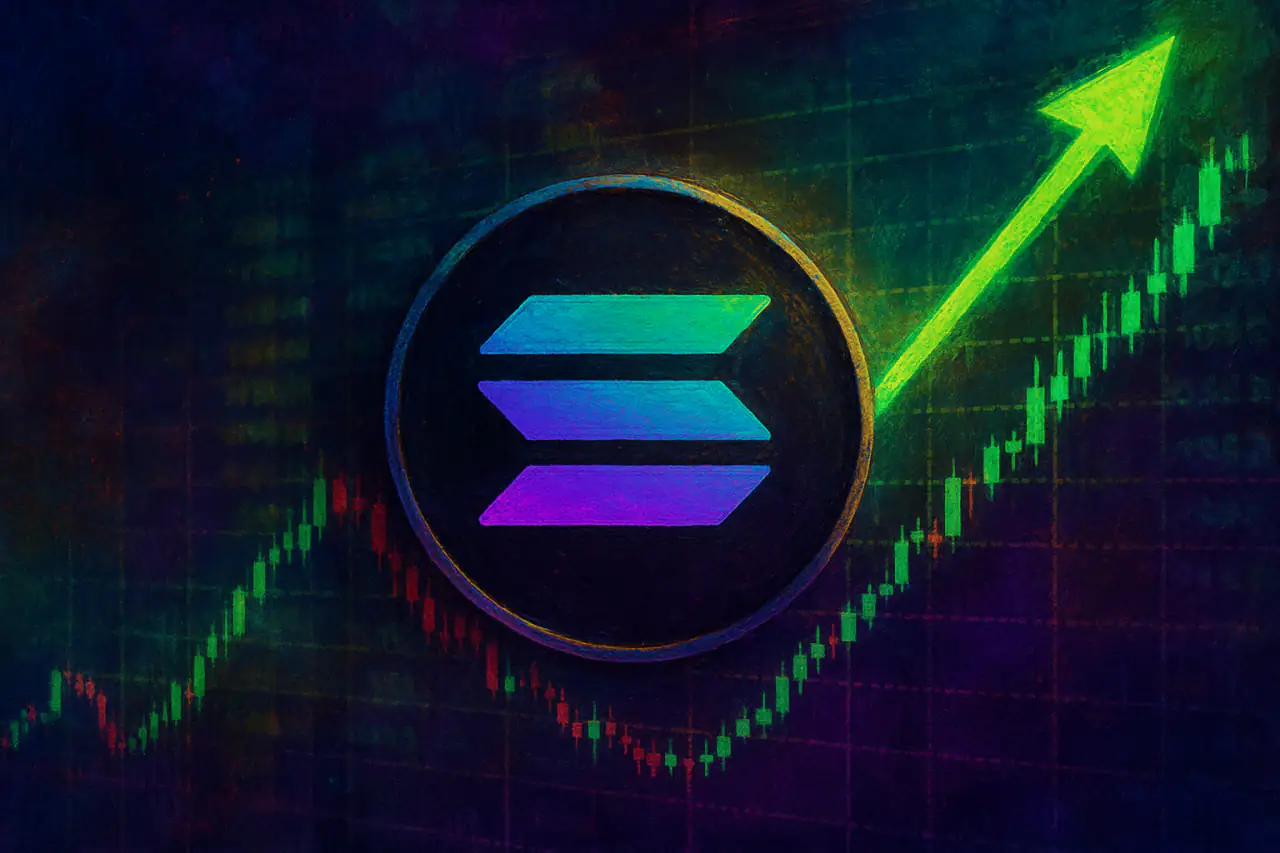
SoFi has become the first U.S. nationally chartered bank to enable direct on-chain Solana (SOL) deposits. This allows users to transfer SOL from private wallets into their SoFi bank accounts, bypassing traditional brokerage-style exposure. The integration leverages Solana's speed and low fees, potentially setting a new standard for crypto integration with traditional banking.

Iran's geopolitical crisis is highlighting its significant $7.8 billion crypto "shadow economy," used by the regime for international trade and by citizens as a financial lifeline. Bitcoin mining and stablecoin adoption, particularly USDT, have surged, with the IRGC heavily involved. Renewed conflict poses risks to mining infrastructure and potentially impacts hash rates.

A growing inheritance crisis is emerging for Bitcoin holders, with a significant portion of early adopters' wealth potentially becoming inaccessible to heirs by 2026. The reliance on self-custody and single points of failure presents a critical risk as holders age, highlighting the need for robust estate planning beyond simple documentation to ensure continuity of access. Failure to address this could lead to millions of BTC being permanently lost, transforming generational wealth into inaccessible digital monuments.
Signal context only. Validate with price action, liquidity, and risk limits before taking a position.
