
Navigating Crypto News

CoinFeather
Navigating Crypto News
Quick market read from this story
Solana's introduction of a spectrum-based privacy model for enterprises addresses key adoption barriers, potentially attracting institutional capital by balancing confidentiality with regulatory compliance.
The enhanced privacy features, coupled with Solana's high throughput, position the network as a viable platform for complex enterprise applications, which could drive demand for SOL.
While SOL shows early bullish strength above a key support level, immediate price action hinges on breaking the $96 resistance, with a target of $120-$121 if successful.
Deep Dive
The Solana Foundation has introduced a new privacy framework for blockchain technology, designed to offer enterprises a flexible, full-spectrum approach. This model allows businesses to customize privacy levels based on their specific needs, moving beyond the traditional emphasis on openness and pseudonymity inherent in early blockchain designs.
Solana's innovative approach treats privacy as a gradient, offering various layers of control. These include pseudonymity (hiding identities while revealing transactions), confidentiality (encrypting sensitive data while revealing identities), anonymity (hiding participants while keeping transactions public), and fully private models utilizing advanced techniques like zero-knowledge proofs. Enterprises can combine these layers to manage sensitive information such as payroll amounts, prove regulatory compliance, or share risk data among financial institutions.
The foundation highlights that Solana's network capabilities, characterized by high throughput and low latency, make these advanced privacy tools practical for real-world applications. This technical advantage enables complex computations for features like encrypted order books and private credit calculations without significant performance degradation, differentiating it from other networks where privacy features often incur substantial performance costs.
Solana's privacy model also addresses regulatory requirements, framing privacy as compatible with compliance needs. Features such as "auditor keys" allow authorized parties to access transaction details when legally mandated, while other mechanisms enable wallets to prove compliance without disclosing personal data. This integration aims to facilitate enterprise adoption by meeting both confidentiality demands and regulatory standards like anti-money laundering (AML) rules.
In parallel with these developments, Solana's native token, SOL, has shown signs of investor interest. As of the report, SOL was trading around $91.83 with a 24-hour volume of $5 billion, reflecting a modest daily gain. Analysts note that SOL has demonstrated a significant recovery from a key support zone, with potential for further upward momentum towards the $120–$121 range if resistance at $96 is overcome. However, failure to hold this level could lead to continued consolidation.
Source, catalyst, and sector overlap from the latest feed.
The Bitcoin halving event, which reduces miner rewards by 50% approximately every four years, is a core mechanism designed to control inflation and create scarcity, reinforcing its 'digital gold' narrative. Historically, Bitcoin halvings have preceded significant bull cycles, with the 2012, 2016, and 2020 events followed by major price rallies in subsequent years, suggesting a potential for future price appreciation. The 2024 halving occurred amidst unprecedented institutional demand, including spot Bitcoin ETF approvals, creating a unique supply-demand dynamic that may influence the post-halving price action differently than in previous cycles. As block rewards diminish, mining profitability is impacted, potentially leading to network consolidation and increased reliance on transaction fees, which could affect miner behavior and network security in the long term.
The tokenization of Bitcoin mining exposure on Coinbase's Base network by Apex and Omnes signifies a significant step in bridging traditional finance with decentralized ecosystems, potentially increasing institutional adoption of on-chain RWA products. This development highlights the growing utility of Layer 2 solutions like Base for regulated financial products, moving beyond purely crypto-native assets and demonstrating their capacity to integrate real-world industrial infrastructure. The ability to use tokenized mining notes as collateral in permissioned lending systems could unlock new liquidity avenues for institutional investors, enhancing the appeal of yield-generating strategies without requiring asset divestment.
Geopolitical uncertainty surrounding Iran is directly impacting traditional markets, causing a pullback in stock futures and a rebound in oil prices, which could spill over into crypto if sentiment deteriorates. The market's rapid shift from optimism to doubt following conflicting reports on Iran-US talks highlights a headline-driven environment, suggesting that short-term price action may be more sensitive to geopolitical news than underlying fundamentals. While economic data and earnings are on the horizon, the persistent influence of Middle East tensions and rising oil prices creates a volatile backdrop, potentially overshadowing other market drivers and increasing risk aversion.
Dogecoin price is showing strong recovery momentum from recent lows, with support holding firm around $0.0930 and $0.074, suggesting potential for an upward move towards $0.12 resistance. Significant accumulation is observed near $0.074, with 28 billion DOGE tokens exchanged, indicating strong buyer conviction and a potential floor against further price declines. The price action respects a rising channel, with recent bounces from $0.087 mirroring historical patterns that preceded significant rallies, reinforcing a bullish short-term outlook. Analysts highlight the strategic positioning of large holders around key support levels, suggesting that the current consolidation phase could precede a notable upward trend.
Nvidia CEO Jensen Huang's redefinition of AGI, focusing on rapid economic output rather than human-level intelligence, signals a potential shift in industry benchmarks and investor perception of AI capabilities. Despite claims of AGI's arrival, the acknowledgment that AI cannot yet build companies like Nvidia highlights the continued reliance on human strategy and execution, tempering expectations for immediate full automation in business. The market's positive reaction to Nvidia's stock, up 1.7%, suggests that even nuanced commentary on AI's progress, particularly from a key figure like Huang, can influence investor sentiment and drive short-term price action in AI-related equities. Huang's perspective implies that AI's current value proposition for investors lies in its ability to enhance productivity and generate revenue, rather than achieving complete autonomous operation, shaping the near-term outlook for AI stocks.
Ethereum's ongoing accumulation phase, supported by key price levels and increasing whale transactions, suggests a potential bullish breakout toward $4,076 in 2026. The network's fundamental growth, evidenced by $20.4 billion in tokenized RWAs and $38.2 billion in Layer 2 TVL, alongside decreasing exchange supply, indicates increasing demand and bullish pressure for ETH. Long-term projections place ETH's potential at $71,594 by 2030, driven by continued adoption, Layer 2 expansion, and growing institutional interest, positioning it as a strong long-term investment. Despite bullish long-term outlooks, the article highlights the possibility of continued consolidation if demand fails to meet current support levels, suggesting a cautious approach to immediate price action.
Sei's 'Giga upgrade' with Autobahn consensus and asynchronous execution aims for over 200,000 TPS and sub-400ms finality, positioning it for high-frequency applications like RWA tokenization, gaming, and AI-agent economies. Despite a bearish trend in 2026 with price potentially retesting the $0.020 demand zone, long-term projections are bullish, forecasting SEI to reach $1.26-$1.45 by 2032, driven by ecosystem maturity and adoption. The transition to an EVM-only architecture from Cosmos-based transactions, facilitated by Coinbase Markets, signifies a strategic shift to leverage Ethereum's developer ecosystem while retaining high performance.
Cardano's ADA is trading over 91% below its all-time high, indicating significant underperformance relative to the broader crypto market and peers like BNB and HYPE. On-chain data from Santiment suggests that Cardano's current negative MVRV may represent a historical "opportunity zone" with reduced selling pressure, despite recent price declines. Upcoming 2026 protocol upgrades, Van Rossem (April) and Ouroboros Leios (mid-2026), aim to significantly enhance scalability and developer functionality, potentially revitalizing ADA's competitive position. Technical indicators show early signs of potential momentum with RSI recovery and MACD crossover, but price action remains below key moving averages, suggesting a cautious outlook pending a confirmed breakout above $0.27-$0.2750.
Aave DAO's near-unanimous vote to advance Aave V4 to mainnet deployment signals a resolution of recent governance tensions, potentially stabilizing contributor relations and paving the way for protocol innovation. The Aave V4 upgrade introduces a modular architecture with 'Hubs' and 'Spokes' to enhance liquidity efficiency and risk management, aiming to support a wider array of financial use cases and new collateral types. Despite recent exits of key contributors like BGD Labs and Aave Chan Initiative due to governance disputes, the strong community backing for V4 suggests a unified path forward for the protocol's development.
Cardano's current oversold RSI and negative MVRV ratio suggest a potential price reversal, historically preceding significant rallies. Upcoming events like the Midnight launch and the Cardano Node 10.7.0 upgrade, aimed at enhancing privacy and smart contract capabilities, could boost institutional interest and ADA's price. While ADA is trading significantly below its all-time highs, the confluence of technical indicators and upcoming protocol upgrades presents a bullish short-to-medium term outlook, contingent on holding key support levels.
Bitcoin's 30-day implied volatility indices (DVOL, BVIV) surged to 90% near the $60,000 low in early February, historically signaling peak fear and capitulation events that mark price bottoms. The current market structure, mirroring traditional finance with the influence of spot BTC ETFs, positions implied volatility as a VIX-like contrary indicator, suggesting that the recent fear may have already priced in the bottom. While a single indicator is not definitive, the historical correlation of high implied volatility spikes with market bottoms in BTC, such as in November 2022 and August 2024, provides a bullish signal for the asset's near-term price action.
The NYSE's partnership with Securitize to develop a tokenized securities platform signifies a major institutional embrace of blockchain technology for traditional finance, potentially increasing demand for RWA infrastructure. This development, alongside Nasdaq's recent pilot approval, indicates a growing regulatory and market acceptance for tokenized stocks, suggesting a structural shift towards on-chain asset management. The increasing demand and value locked in tokenized stocks, now surpassing $1 billion, highlights a maturing RWA sector and presents opportunities for early movers in this space.
XRP is showing signs of a potential trend reversal, aiming to close its first positive month in early 2026 after five consecutive declines. A sustained March rally could signal a shift in market sentiment for XRP, potentially attracting renewed investor interest if momentum continues. Despite recent price strength, the article notes poor institutional investor demand and weak ETF flows, suggesting caution is warranted for significant upside.
Live Feed
Loading the broader stream in the same flow as the homepage feed.

The CoinDesk 20 Index experienced a slight decline of 0.2%, indicating a broadly neutral short-term market sentiment among the tracked digital assets. Polkadot (DOT) and Ripple (XRP) were notable underperformers within the CoinDesk 20, suggesting potential localized selling pressure or a lack of immediate positive catalysts for these specific assets. With ten out of twenty assets trading higher, the mixed performance within the CoinDesk 20 suggests a selective market environment rather than a strong directional trend.

Tether's engagement of a 'Big Four' firm for a full audit signifies a proactive step towards enhanced transparency and regulatory compliance, potentially reducing market concerns surrounding USDT's reserves. The move to a full audit, beyond attestations, addresses long-standing criticisms and aims to set new disclosure standards, which could influence how other stablecoin issuers approach reserve verification. While the audit itself is a positive development for stablecoin stability, the actual findings and the firm's reputation will be critical in determining the market's reaction and potential impact on USDT's peg and broader market confidence.

Coinbase CEO Brian Armstrong's historical anecdote of selling brownies on Silk Road highlights the company's early efforts to legitimize crypto commerce and understand its practical applications. The decision to sue the SEC, despite internal opposition, is framed by Armstrong as a pivotal "brand moment" that ultimately clarified regulatory ambiguity for Coinbase. Armstrong's assertion of Bitcoin as the "new gold standard" underscores a bullish long-term outlook, positioning BTC as a superior store of value due to its provable scarcity and decentralization. The discussion on Coinbase's security architecture and the successful migration of funds during a critical period demonstrates the company's technical resilience and ability to execute under pressure.

Solana's launch of a unified developer platform targeting enterprises and financial institutions, with early adoption by Mastercard and Western Union, signals a strategic push into the lucrative RWA and stablecoin markets. The platform's focus on tokenization and stablecoins, coupled with existing enterprise integrations like Visa's USDC settlement, aims to bolster Solana's position in the institutional blockchain space, potentially driving adoption and network activity. While Solana's move into enterprise solutions is significant, it faces stiff competition from established players like Ethereum (Consensys), Base, and Ripple, indicating a challenging but potentially rewarding market for institutional blockchain services.

The Solana Foundation's new developer platform, backed by major payment processors, aims to simplify enterprise adoption of blockchain for financial applications, potentially increasing institutional demand for SOL. Integration of AI tools like Claude Code and OpenAI Codex into the Solana Developer Platform suggests a focus on enhancing developer experience and accelerating the creation of sophisticated financial products on Solana. The platform's modules for tokenized deposits, stablecoins, and RWA issuance, alongside payment support, indicate a strategic push to leverage Solana for traditional finance use cases, signaling a potential shift in market focus.

Institutional adoption of Bitcoin is accelerating through pension funds and corporate treasuries, driven by regulatory clarity and new accounting standards that favor direct asset holding. The increasing involvement of large pension funds like Hostplus and corporate entities like Strategy in Bitcoin and tokenized assets signals a maturing market and potential for sustained demand. The growth of the tokenized real-world asset market, alongside direct Bitcoin allocations by institutions, indicates a broader structural shift in finance towards blockchain-based infrastructure. While regulatory approval remains a key gating factor, the trend towards direct institutional Bitcoin exposure suggests a positive long-term outlook for the asset class.

Mastercard's strategic acquisition of BVNK signals a shift from issuing its own stablecoin to controlling payment infrastructure, aiming to integrate various digital assets rather than compete, which could position them as a key enabler in the evolving digital finance landscape. By focusing on infrastructure, Mastercard avoids the regulatory complexities and balance sheet risks associated with stablecoin issuance, allowing them to support multiple stablecoins and capture value across a broader range of digital payment flows. The move leverages BVNK's capabilities to offer faster, cheaper cross-border transactions, potentially reducing intermediaries and costs, thereby lowering adoption barriers for banks and fintechs looking to integrate digital currency services. While the acquisition offers significant potential, Mastercard faces risks from regulatory fragmentation, reliance on third-party stablecoins, competition from CBDCs and tech giants, and potential margin compression in infrastructure services.

Institutional investors are shifting focus from pure price appreciation to yield generation in crypto, signaling a maturing market seeking income streams. Coinbase's launch of a tokenized Bitcoin Yield Fund on Base, alongside BlackRock's Staked Ethereum ETF, highlights a growing trend of structured products and yield-bearing strategies catering to institutional demand. The increasing institutional interest in yield and tokenization, supported by clearer regulatory frameworks, suggests a potential for increased capital inflow and product innovation within the digital asset space. The 'second wave' of institutional money is characterized by banks and payment firms exploring blockchain for faster, cheaper transactions and yield opportunities, moving beyond early adopters focused solely on price speculation.

Bernstein reiterates a $150,000 year-end Bitcoin price target, signaling a belief that the cryptocurrency has found its bottom after a significant correction. The analysis highlights resilient ETF flows and increasing corporate treasury demand as key drivers supporting Bitcoin's rebound, suggesting sustained institutional interest. MicroStrategy (MSTR) is identified as a high-beta proxy for Bitcoin, with Bernstein maintaining an outperform rating and a $450 price target, underscoring the company's strategic importance in the Bitcoin ecosystem. Despite recent volatility driven by macro factors and leveraged position unwinds, Bernstein characterizes the Bitcoin pullback as a temporary sentiment reset rather than a fundamental breakdown, implying a constructive outlook.
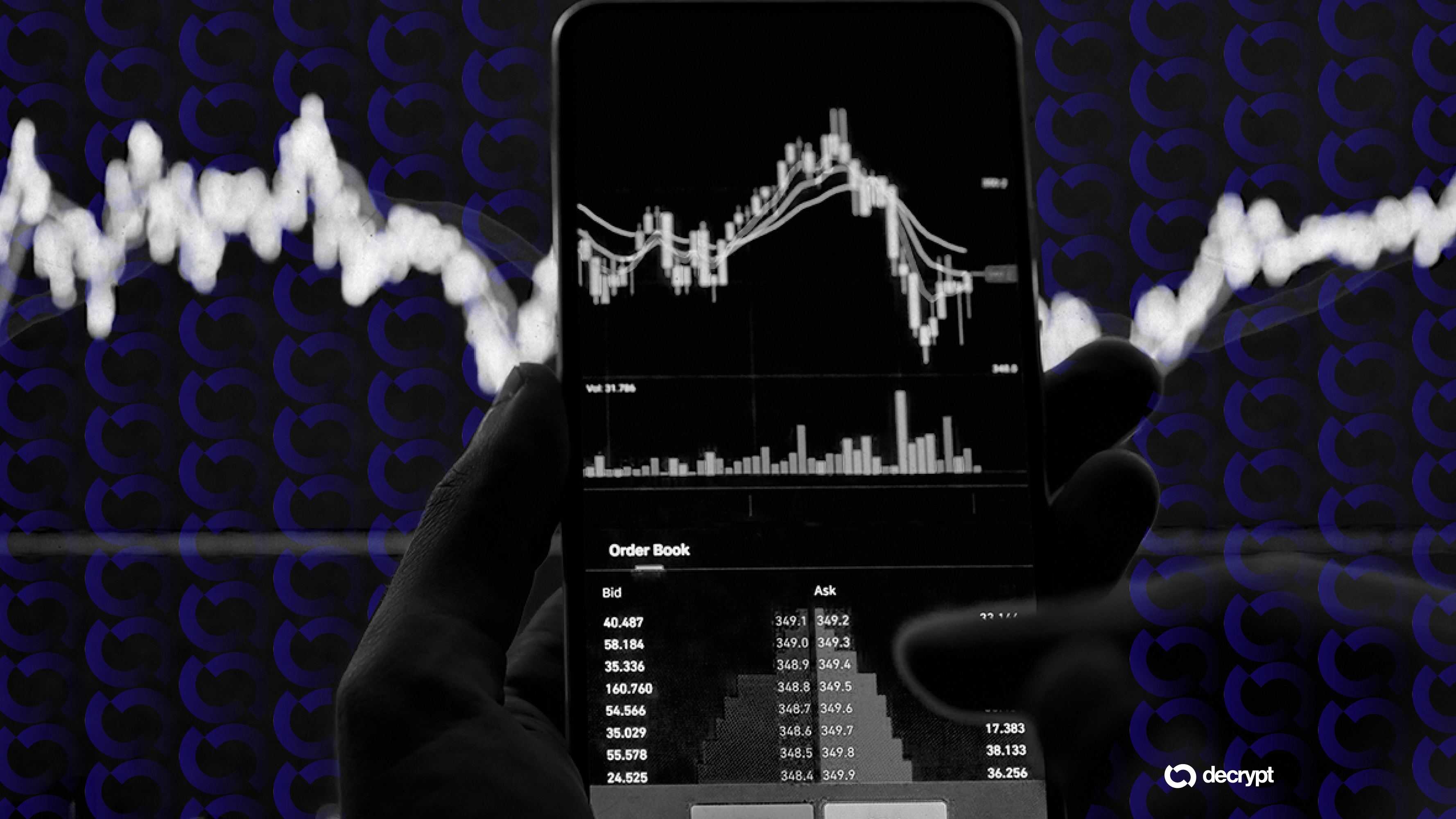
Geopolitical de-escalation initially fueled a short squeeze in AI altcoins like TAO, FET, and RENDER, demonstrating their sensitivity to macro risk sentiment. Conflicting reports regarding Iran talks created significant volatility, leading to over $670 million in crypto liquidations and highlighting the market's reaction to uncertainty. While AI altcoins saw short-term gains, the broader market faces headwinds from elevated oil prices and Treasury yields, potentially testing Bitcoin's store-of-value narrative. The convergence of geopolitical events and the Nvidia GTC conference provided a dual catalyst for AI-related crypto assets, suggesting sector-specific narratives can drive performance amidst macro noise.
Omnes and Apex Group are launching a tokenized debt note on Base, offering non-US investors exposure to Bitcoin hashrate-linked returns without direct mining operations. This product represents a new form of crypto-linked security, packaging mining output into a regulated, onchain transferable instrument, potentially increasing institutional adoption of mining-related assets. The development aligns with the growing trend of tokenized real-world assets, with the RWA market already surpassing $23 billion, indicating increasing investor interest in onchain financial products.

ParaFi's successful $125 million raise for a new venture fund, despite a crypto market downturn, signals investor confidence in long-term blockchain infrastructure. The new fund's focus on stablecoins, tokenization, and institutional onchain products indicates a strategic shift towards RWA and institutional DeFi adoption. The development suggests a growing separation between short-term token price volatility and the fundamental value proposition of blockchain financial services.
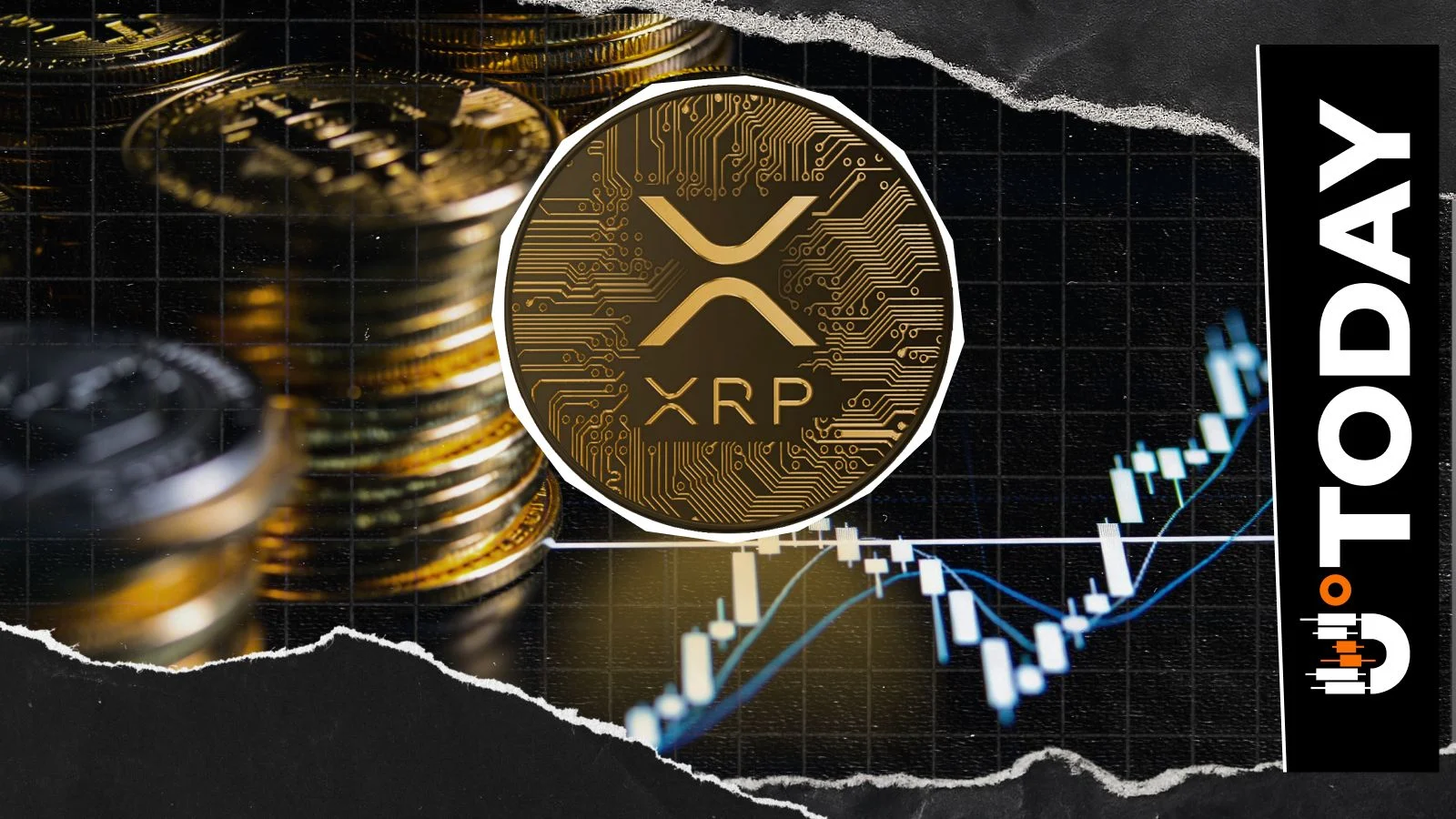
Despite XRP breaking a five-month losing streak with a recent price surge, a prominent analyst warns of a potential 'dead cat bounce' due to unchanged fundamentals, suggesting a risk of trapped bulls. Technical indicators like the RSI at 50.04 signal a neutral stance for XRP, indicating vulnerability to broader market sentiment shifts and potential downward pressure if sellers dominate. The analyst's Elliott Wave analysis suggests XRP is in a temporary recovery phase (Wave 2), with a failure to break above $1.51-$1.55 potentially leading to a retracement towards $0.87, unless it can decisively hold above $1.65. While XRP has seen a significant increase in trading volume and a positive monthly close, the underlying bearish technical signals and lack of fundamental change suggest caution for short-term traders.
Signal context only. Validate with price action, liquidity, and risk limits before taking a position.
