
Navigating Crypto News

CoinFeather
Navigating Crypto News
Quick market read from this story
The SIREN token experienced a dramatic 78% price crash from its all-time high, wiping out significant market cap and investor value.
On-chain analytics flagged a concentration of nearly 50% of SIREN's supply in one cluster prior to the crash, suggesting a potential pump-and-dump scheme was executed.
Despite claims of an AI-powered insights engine, the SIREN Dapp reportedly lacks basic functionality and its AI agent struggles to provide meaningful responses, raising serious credibility issues.
Technical indicators like MACD, RSI, and CMF are showing bearish signals post-crash, indicating continued downside risk with potential targets near the 200-day EMA.
Deep Dive
The SIREN token experienced a dramatic crash, losing nearly 78% of its value from an all-time high of $4.60 to around $1.0. This sharp decline occurred despite significant hype and a market cap that had flirted with $3 billion. The collapse followed warnings from on-chain analytics firms and market observers who had identified critical issues prior to the price drop.
Just hours before the crash, on-chain analytics platform Bubblemaps issued a stark warning on X (formerly Twitter), highlighting that a single cluster controlled nearly 50% of SIREN's supply, valued at approximately $1.5 billion at its peak. Bubblemaps cautioned that such a concentration of supply “only ends one way,” predicting a negative outcome. Other analysts also suggested the rally was orchestrated for exit liquidity, a potential short-term manipulation play rather than sustainable growth.
The events surrounding the SIREN token are described as a textbook pump-and-dump scheme. The token saw an aggressive surge in price, attracting attention and retail momentum, followed by a rapid and severe sell-off. The market cap consequently shrank to roughly $743.65 million. This pattern, characterized by a significant price push, brief hype, and subsequent wipeout, played out as predicted.
Technical indicators suggest continued downside risk for SIREN. While momentum indicators like MACD and AO showed bullish pressure during the rally, they are now fading. The Relative Strength Index (RSI) is cooling off, and the Chaikin Money Flow (CMF) has dropped below zero, indicating capital outflow. Analysts suggest that if selling pressure persists, the next significant downside level could be around the 200-day EMA band, near $0.24.
Beyond price action, concerns have been raised about the actual utility and functionality of SIREN's core product, the SirenAI agent. Reports indicate that the platform's Dapp lacks basic features such as wallet connectivity and a proper login interface, with only a redirect link to Pancakeswap. The AI agent itself has reportedly struggled to provide meaningful answers, leading to questions about the project's credibility and the sustainability of its hype.
Source, catalyst, and sector overlap from the latest feed.
Ontology's nearly 50% price surge is directly linked to the EU's eIDAS 2.0 digital identity framework, signaling potential for increased adoption of decentralized identity solutions. The development highlights a growing demand for interoperable identity systems, positioning Ontology as a key player in the emerging decentralized identity narrative. Traders are actively positioning around identity-focused infrastructure plays, suggesting a near-term bullish sentiment for ONT driven by this regulatory catalyst. While the fundamental catalyst is strong, the sustainability of ONT's rally hinges on its ability to maintain price above key support levels and break through resistance zones.
Technical analyst Gareth Soloway maintains a short-term bullish outlook for BTC, targeting $80,000-$85,000, but warns this is an intra-bear market rally, implying a larger downside trend is still in play. Soloway identifies Solana as the most bullish chart among the analyzed assets, with near-term targets at $100-$105 and a best-case scenario of $118, suggesting potential for near-term outperformance. While ETH shows a near-term bullish structure, its longer-term macro picture mirrors Bitcoin's bearish outlook, indicating potential for a significant pullback if key support levels are breached. XRP is presented with a strong chart setup, showing a breakout, pullback, and support hold, suggesting a potential move towards the $1.70 resistance level.
The filing of multiple competing ETFs for Hyperliquid's HYPE token by major asset managers indicates institutional interest, but suggests that the early retail entry window for significant gains has likely closed. The article promotes Pepeto as a superior investment opportunity compared to assets being packaged for institutional ETFs, highlighting its presale pricing, working exchange, and experienced co-founder as key differentiators for retail investors. While Digitap and Mutuum Finance are presented as alternative investments, their projected return profiles are deemed less explosive than Pepeto's, positioning Pepeto as the primary 'best crypto to invest in' before its listing.
The NYSE's partnership with Securitize to launch a tokenized securities platform signifies a major institutional embrace of blockchain technology, potentially accelerating the adoption of RWA tokenization. Securitize's designation as NYSE's first digital transfer agent establishes a precedent for on-chain settlement of traditional securities, indicating a significant shift in financial infrastructure. This move by the NYSE, alongside other major players like BlackRock and Franklin Templeton, suggests a growing trend towards tokenization, which could redefine market liquidity and accessibility for traditional assets.
A prominent figure from the precious metals sector allocating 10% of his portfolio to XRP signals a potential shift in traditional finance's perception of digital assets, despite his cautious approach. The CEO of Miles Franklin Precious Metals views XRP as a high-risk, high-reward opportunity, emphasizing that its success is contingent on widespread bank adoption for cross-border payments. While acknowledging the speculative nature and usability challenges of crypto, the allocation highlights a strategy of diversifying into digital assets for potential upside without jeopardizing core wealth preservation. The mention of Goldman Sachs' significant XRP exposure, alongside this individual's investment, suggests growing institutional interest that could influence XRP's market dynamics.
Microsoft stock is experiencing a near-term pullback driven by broader market weakness and geopolitical tensions, despite positive underlying economic data and continued AI growth narrative. The stock's long-term technical support at the 200-week moving average remains intact, suggesting resilience despite current volatility, which could be a factor for traders to watch for potential reversals. While AI competition is intensifying, Microsoft's integration of AI into Azure and products like Copilot continues to be a key driver for enterprise technology and long-term revenue growth.
NoOnes's integration of AI into its P2P escrow system represents a significant advancement in fraud prevention for crypto transactions, potentially setting a new standard for platform security. The reported 28% reduction in disputed transactions and 85% identification of risky scenarios suggest that AI-driven behavioral analysis can effectively mitigate risks in P2P crypto trading. This development highlights the growing sophistication of fraud prevention tools in the crypto space, moving beyond traditional methods to proactive, AI-powered risk assessment. While not directly impacting asset prices, this enhancement in platform security could foster greater user trust and adoption in P2P crypto marketplaces.
Bitcoin's technical indicators suggest a potential 19-21% rally towards $84,600 if key resistance at $72,800 is overcome, indicating a bullish short-term outlook based on moving average tests. Binance's launch of AI Pro trading on March 25th introduces an AI agent integrating ChatGPT and Claude for automated analysis and execution, potentially enhancing trading efficiency for users at a beta price of $9.99/month. The listing of Ripple's RLUSD stablecoin in South Korea, coupled with XRP's dominant trading volume on Upbit, solidifies the region as a key market for Ripple's ecosystem, driven by strong retail investor interest. The potential passage of the U.S. Clarity Act in early April, with a 70% probability, poses a significant regulatory risk to stablecoins by potentially banning yield payments without a banking license, which could lead to substantial outflows from DeFi protocols.
Bittensor's TAO price surge past $300 is supported by a strong narrative around its positive-sum tokenomics and growing ecosystem, indicating potential for further upside if current momentum sustains. The partnership between Bittensor subnet SN4 Targon and Intel on decentralized compute using trusted execution environments represents a significant technical development that could drive real-world adoption and demand for TAO. While the narrative and ecosystem growth are bullish, the article cautions that TAO's price action is walking a tightrope, suggesting traders should monitor for signs of exhaustion or a potential pullback to the 200-day EMA.
Elon Musk's announcement of a joint Tesla and SpaceX chip plant, 'Terafab,' signals a significant move to address AI hardware supply chain constraints. The initiative to produce one terawatt of computing power annually highlights the escalating demand for AI infrastructure and potential future competition for chip manufacturing resources. This development underscores the increasing intersection of traditional tech giants and advanced computing, potentially influencing the broader AI hardware market and its reliance on specialized chip production.
Live Feed
Loading the broader stream in the same flow as the homepage feed.
Dogecoin price experienced a short-term rally driven by significant short liquidations, overriding bearish technical signals like the death cross. The broader crypto market rebound, supported by a weaker USD and easing Fed tightening expectations, provided a tailwind for DOGE's price action. Over $570 million in crypto liquidations, predominantly shorts, indicates a market caught off guard by the recovery, suggesting potential for continued upward pressure if sentiment holds.
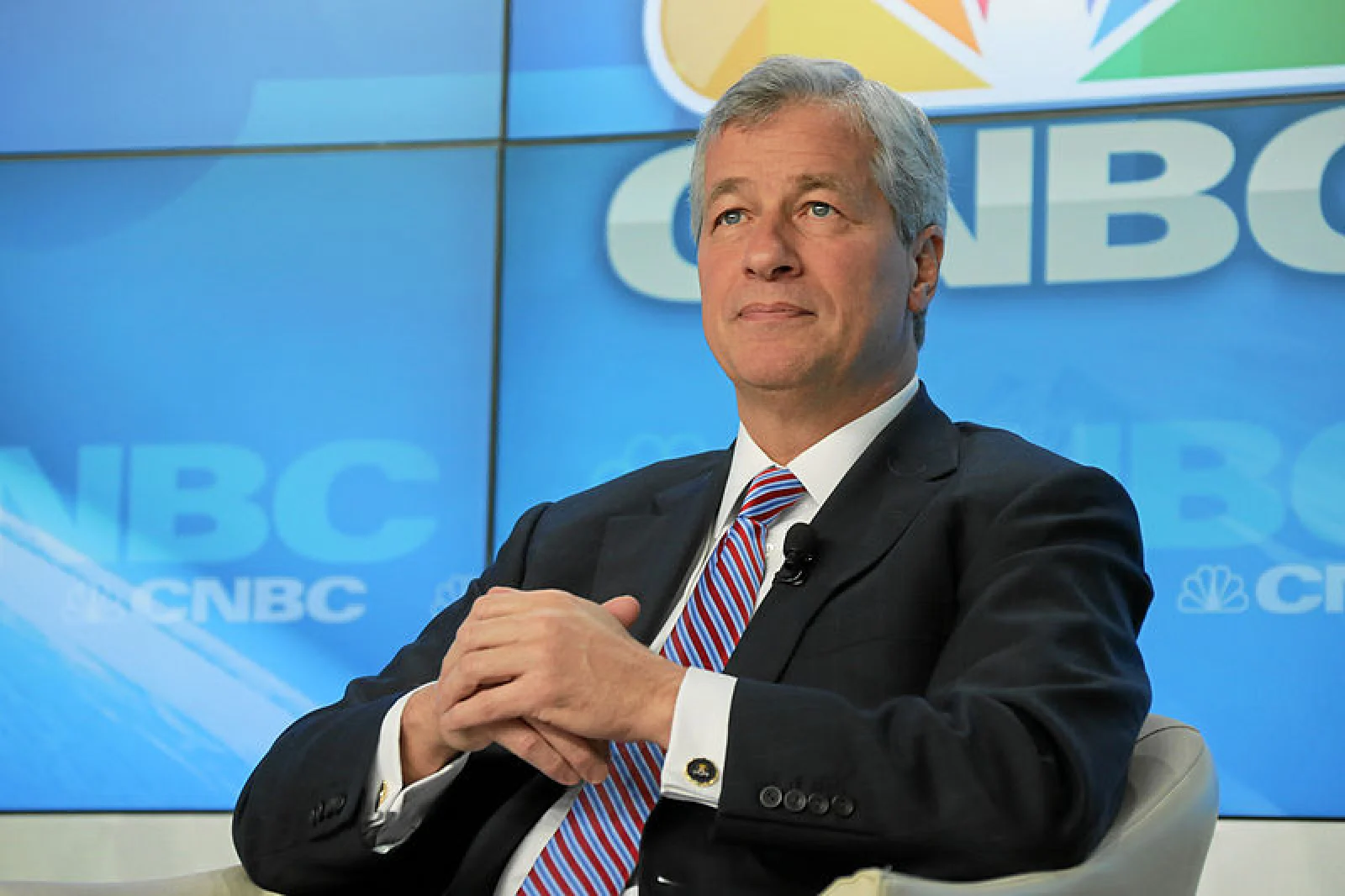
JPMorgan CEO Jamie Dimon reiterates his strong belief in blockchain technology for institutional use, while maintaining deep skepticism towards cryptocurrency speculation, signaling a continued divide in institutional adoption perspectives. Dimon's emphasis on JPMorgan's proprietary blockchain solutions like Kinexys and JPM Coin highlights the bank's focus on practical, enterprise-level applications rather than speculative digital assets. The commentary from a major traditional finance leader reinforces the narrative that while underlying blockchain tech is gaining traction, the speculative crypto market faces ongoing scrutiny from established financial institutions.
XRP Ledger's increasing dominance of payment transactions, now at 53.2%, signals a maturation towards real-world utility beyond speculative trading. The rapid growth of RLUSD, exceeding $1 billion market cap and doubling supply since December, highlights increasing demand for stable, efficient value transfer on XRPL. Convergence of payment dominance, growing DEX activity (34.2%), and institutional interest, including potential ECB collateral acceptance, positions XRPL as a multifunctional financial ecosystem.

The NYSE's partnership with Securitize to build a tokenized securities platform signals a significant institutional embrace of blockchain for traditional finance infrastructure. Europe's focus on developing its own onchain settlement infrastructure, independent of US dollar stablecoins, indicates a strategic move towards monetary sovereignty in the digital asset space. Invesco's expansion into tokenized Treasury funds, alongside other major asset managers, highlights a growing trend of institutional adoption and demand for blockchain-based yield products. The progression of tokenization from pilot projects to core financial infrastructure globally suggests a fundamental shift in how assets will be issued, traded, and settled in the future.

Prediction markets like Kalshi and Polymarket are implementing stricter anti-insider trading policies, directly impacting user behavior and platform integrity. The new rules, targeting politicians and athletes, aim to prevent the use of non-public information, signaling a proactive response to regulatory scrutiny. Escalating regulatory pressure, including proposed legislation and state-level actions like Utah's, suggests a challenging environment for prediction market platforms. Legal challenges, such as the lawsuit against Kalshi in Arizona, highlight the ongoing conflict between these platforms and existing gambling regulations.

Tether's commitment to a full audit by a 'Big Four' firm signals a significant step towards enhanced transparency and regulatory compliance for the largest stablecoin by market cap. This move by Tether addresses historical concerns regarding reserve transparency, potentially bolstering confidence among institutional and retail users and mitigating future regulatory scrutiny. The audit's comprehensive scope, including assets, reserves, and internal controls, aims to set a new standard for stablecoin issuers, impacting market perception and competitive dynamics within the stablecoin sector.

BMO's integration with CME Group's tokenized cash platform on Google Cloud signifies a major step towards 24/7 institutional settlement, potentially reducing friction and increasing capital efficiency in traditional finance. This development highlights the growing institutional adoption of tokenization for core financial operations, moving beyond speculative assets to utility-based applications like collateral and treasury management. The partnership between a major bank, a derivatives exchange, and a cloud provider indicates a maturing ecosystem for tokenized assets, setting a precedent for future financial infrastructure.
XRP's inclusion in the top five crypto exposures reported by banks under Basel III signifies a formal integration into institutional risk management frameworks, moving beyond speculative trading. The data from the Bank for International Settlements, covering 150 banks including G-SIBs, indicates a broad, system-wide acceptance and monitoring of XRP within the core of global finance. XRP's alignment with modernizing payment systems like SWIFT and its potential to unlock significant value in cross-border transactions suggest a growing practical relevance for the asset in financial infrastructure.

Bernstein's call on Bitcoin's bottom, supported by the absence of structural damage and increasing institutional demand via ETFs, suggests a potential shift from a bear market to a bull phase, with a reiterated year-end target of $150,000 for 2026. CoinDesk's volatility analysis indicates that extreme implied volatility readings, similar to past capitulation events, may signal a bottom near $60,000, framing the recent sell-off as fear-driven rather than structurally bearish. Historical analysis of Bitcoin's weekly RSI shows that oversold conditions, as observed now, have preceded significant rallies (2,700%, 1,800%, 350%), presenting a bullish technical outlook if key support levels hold. A recurring bear market signal has triggered again, historically preceding substantial declines; however, reclaiming $70,000 could invalidate this signal, creating a critical inflection point for near-term price action.

BitGo and Susquehanna Crypto are launching institutional OTC access to prediction markets, enabling large investors to trade event-based contracts using crypto collateral, which addresses key infrastructure gaps for institutional participation. This development comes amid increasing regulatory scrutiny of prediction markets in the US, with several states taking action against platforms, highlighting a complex regulatory landscape that could impact future growth. The offering allows for bilateral trades using crypto collateral like Bitcoin or stablecoins, potentially increasing demand for these assets as collateral in new financial products. By facilitating institutional access to prediction markets, this partnership could signal a growing trend of integrating crypto-native financial products into traditional institutional workflows.

Bernstein analysts suggest Bitcoin's price has likely bottomed, projecting a rise to $150,000 by year-end, indicating a potential shift in market sentiment and a bullish outlook for the asset. Strategy's resilience in accumulating Bitcoin during market downturns, supported by its preferred share offering, highlights its strategic financial management and reinforces its position as a major corporate holder. The maturation of Bitcoin's market structure, evidenced by the debut of ETFs and Strategy's role as a 'Bitcoin bank of last resort,' suggests a growing and more resilient capital base, potentially altering traditional cycle-based market expectations.

BlackRock's CEO envisions digital wallets as the next frontier for asset management, aiming to integrate traditional investment products like stocks and ETFs, signaling a significant TradFi adoption trend. The firm's substantial existing AUM in stablecoin reserves ($65B) and digital asset ETPs ($80B) provides a strong foundation for this strategy, indicating tangible progress beyond mere rhetoric. This move could accelerate mainstream adoption of wallet-native investing by leveraging BlackRock's infrastructure to bridge traditional finance with crypto-native rails, potentially impacting market access and distribution models. While the long-term vision includes fractional private market access, current progress is focused on tokenized cash and Treasury products, suggesting a phased rollout prioritizing regulated and established assets.

Morgan Stanley's strategy shift indicates a maturing institutional approach to digital assets, moving beyond hype towards foundational infrastructure development. The bank's planned support for tokenized equities trading signals a significant step towards integrating traditional securities with blockchain technology, potentially impacting RWA and broader market structure. Despite current market conditions, the sustained investment in crypto infrastructure by major financial institutions suggests a long-term commitment to digital asset integration.

Proposed changes to the Clarity Act could significantly curtail stablecoin yield generation, impacting the value proposition for holding stablecoins like USDC and potentially reducing adoption. Circle's stock experienced an 18% decline due to the legislative threat, indicating market sensitivity to regulatory actions that affect core revenue streams and product utility. The concurrent news of Tether undergoing a full reserve audit introduces competitive pressure, potentially shifting market share away from USDC if USDT's transparency improves significantly. Despite a sharp sell-off, some analysts suggest the market may be overreacting, implying potential for a rebound if the final legislation is less restrictive than the draft suggests.

The maturation of DeFi tools, as highlighted by Aave and Ethena founders, suggests a shift towards more predictable yield generation, potentially attracting traditional finance capital seeking stable returns. The increasing sophistication of DeFi products, moving beyond simple token trading and borrowing to offer fixed-to-floating rate swaps, indicates a growing capacity for risk management within the crypto space. Aave's role as a liquidity provider is crucial for bootstrapping new DeFi products, signaling a strengthening of the underlying infrastructure that supports innovation and product development in the sector. While leverage still dominates DeFi yield generation, the potential integration of real-world assets (RWAs) through tokenization points to a future where yields are increasingly derived from traditional financial instruments, bridging the gap between crypto and TradFi.
Signal context only. Validate with price action, liquidity, and risk limits before taking a position.
