
Navigating Crypto News

CoinFeather
Navigating Crypto News

Quick market read from this story
Tether's commitment to a full audit by a 'Big Four' firm signals a significant step towards enhanced transparency and regulatory compliance for the largest stablecoin by market cap.
This move by Tether addresses historical concerns regarding reserve transparency, potentially bolstering confidence among institutional and retail users and mitigating future regulatory scrutiny.
The audit's comprehensive scope, including assets, reserves, and internal controls, aims to set a new standard for stablecoin issuers, impacting market perception and competitive dynamics within the stablecoin sector.
Source, catalyst, and sector overlap from the latest feed.
Lombard's partnership with Bitwise to offer yield and lending against Bitcoin without moving assets from custody addresses significant institutional barriers, potentially unlocking substantial dormant capital. The 'Bitcoin Smart Accounts' approach, utilizing native Bitcoin tools to avoid bridges and wrapped assets, mitigates key risks (custody, bridge, counterparty) historically limiting institutional DeFi participation. This development signals a shift in how institutions view Bitcoin, moving it from a passive store of value towards productive capital, with a projected rollout in Q2 2026.
Live Feed
Loading the broader stream in the same flow as the homepage feed.
MoonPay's Open Wallet Standard (OWS) aims to create a unified, secure interface for AI agents to interact with digital assets across multiple blockchains, potentially driving adoption of AI-native financial infrastructure. The OWS supports a wide range of blockchains including EVM, Solana, Bitcoin, and TON, with a focus on secure key management and policy-gated transactions, which could enhance interoperability and user control in the emerging agent economy. Solana is testing key resistance levels between $92-$95, with its short-term direction contingent on breaking this zone or facing potential selling pressure, indicating a critical juncture for the asset's immediate price action.

The sentencing of Aleksei Volkov to 81 months in prison for facilitating ransomware attacks highlights ongoing law enforcement efforts against cybercrime impacting the crypto ecosystem. Volkov's role as an 'initial access broker' underscores the interconnectedness of cybercrime, where stolen network access is sold to ransomware groups demanding cryptocurrency, impacting overall market security perception. While the direct financial impact on specific cryptocurrencies is minimal, the news reinforces the persistent risks associated with ransomware and the use of crypto for illicit payments, potentially influencing investor caution.
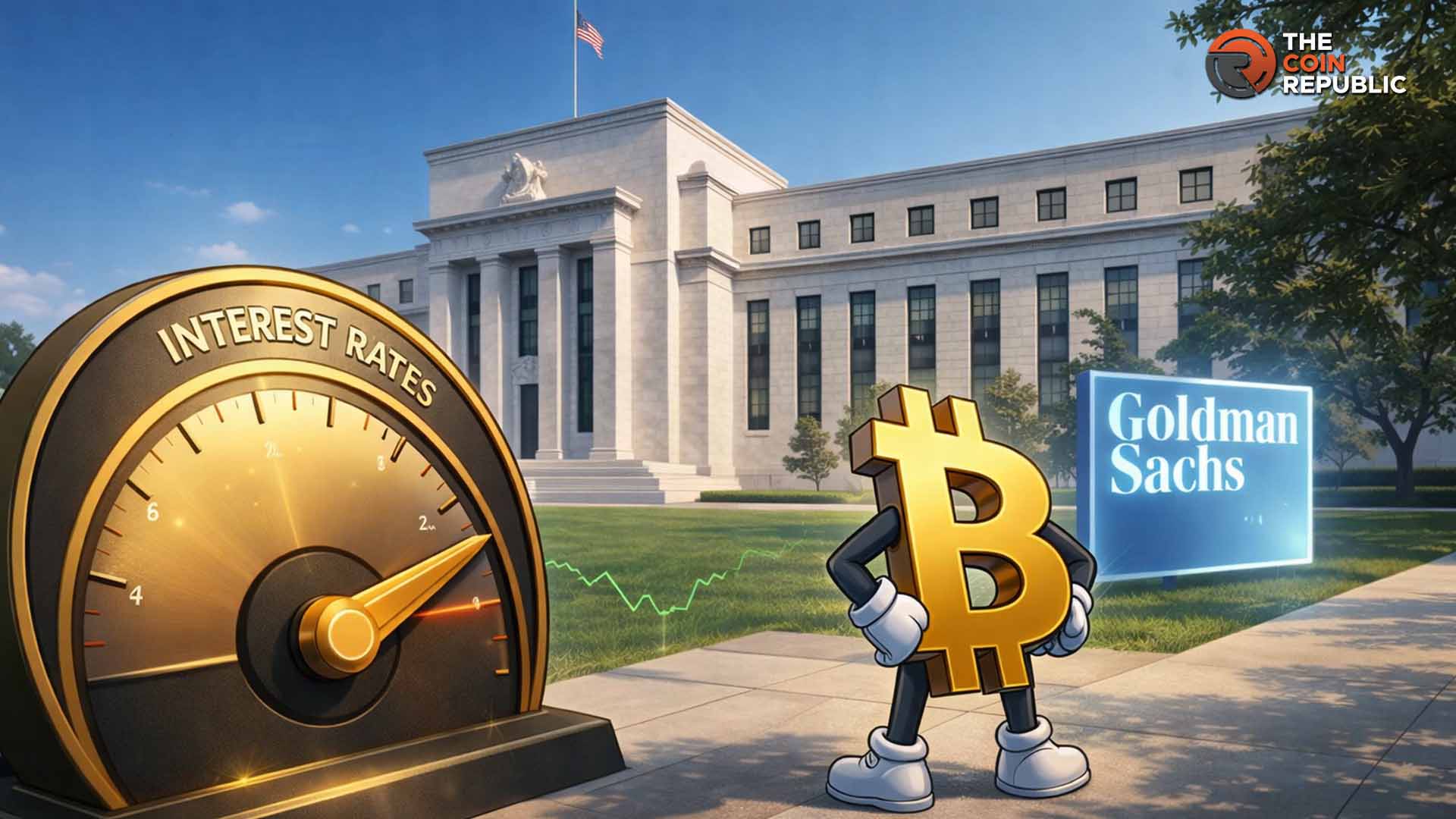
Goldman Sachs projects two Fed rate cuts in September and December, signaling a potential shift from previous hawkish sentiment, which could support risk assets. Despite optimism for rate cuts, persistent inflation risks and geopolitical tensions (US-Iran war) introduce uncertainty, potentially delaying easing or even prompting rate hikes. The market interpretation of potential Fed rate cuts versus hikes will be a key driver for crypto asset pricing in the near term, with geopolitical events acting as significant volatility catalysts. While the article discusses macro trends, it lacks specific crypto asset implications, suggesting a neutral stance on direct trading signals but highlighting the importance of macro for the broader market.
The CFTC's establishment of an Innovation Task Force signals a proactive regulatory approach to emerging technologies like crypto and AI, aiming to provide clarity for market participants and foster innovation within U.S. derivatives markets. This move by the CFTC, coordinating with the SEC, suggests an increasing focus on establishing regulatory guardrails for decentralized finance and AI applications, potentially impacting future development and adoption. The task force's focus on crypto, AI, and prediction markets indicates a strategic effort to integrate these nascent sectors into existing financial frameworks, which could lead to more defined operational parameters for related businesses.
Dogecoin price experienced a short-term rally driven by significant short liquidations, overriding bearish technical signals like the death cross. The broader crypto market rebound, supported by a weaker USD and easing Fed tightening expectations, provided a tailwind for DOGE's price action. Over $570 million in crypto liquidations, predominantly shorts, indicates a market caught off guard by the recovery, suggesting potential for continued upward pressure if sentiment holds.
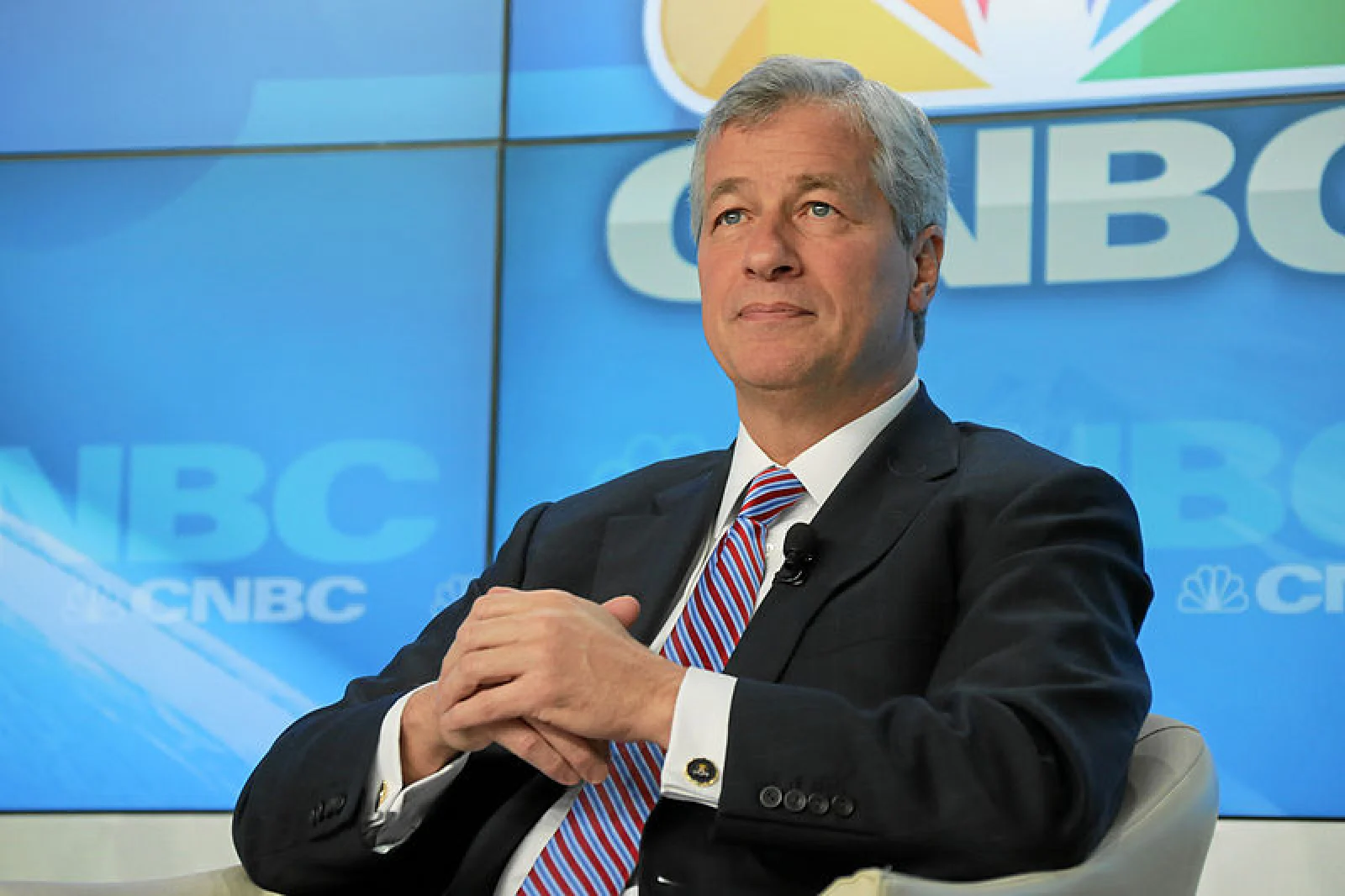
JPMorgan CEO Jamie Dimon reiterates his strong belief in blockchain technology for institutional use, while maintaining deep skepticism towards cryptocurrency speculation, signaling a continued divide in institutional adoption perspectives. Dimon's emphasis on JPMorgan's proprietary blockchain solutions like Kinexys and JPM Coin highlights the bank's focus on practical, enterprise-level applications rather than speculative digital assets. The commentary from a major traditional finance leader reinforces the narrative that while underlying blockchain tech is gaining traction, the speculative crypto market faces ongoing scrutiny from established financial institutions.

Ontology's nearly 50% price surge is directly linked to the EU's eIDAS 2.0 digital identity framework, signaling potential for increased adoption of decentralized identity solutions. The development highlights a growing demand for interoperable identity systems, positioning Ontology as a key player in the emerging decentralized identity narrative. Traders are actively positioning around identity-focused infrastructure plays, suggesting a near-term bullish sentiment for ONT driven by this regulatory catalyst. While the fundamental catalyst is strong, the sustainability of ONT's rally hinges on its ability to maintain price above key support levels and break through resistance zones.
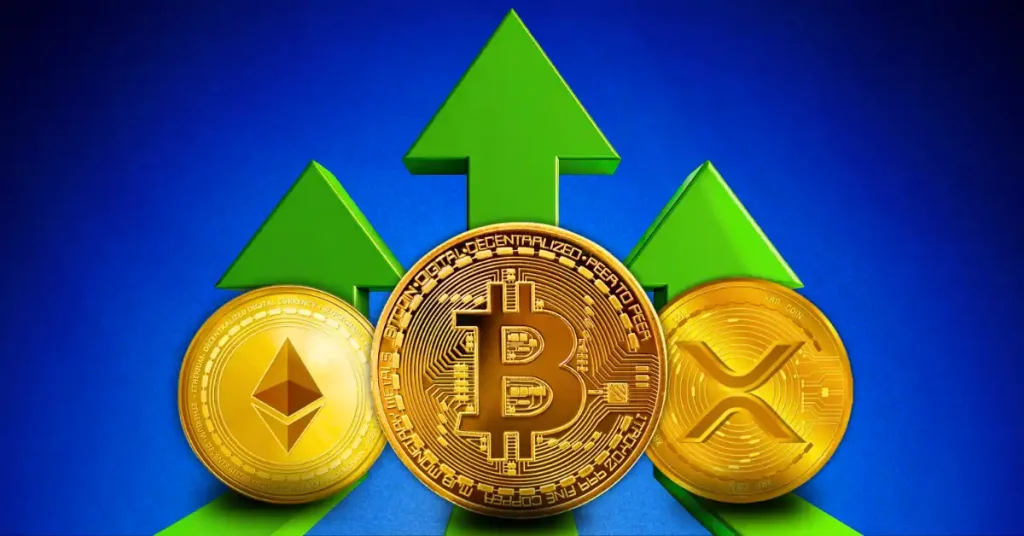
Technical analyst Gareth Soloway maintains a short-term bullish outlook for BTC, targeting $80,000-$85,000, but warns this is an intra-bear market rally, implying a larger downside trend is still in play. Soloway identifies Solana as the most bullish chart among the analyzed assets, with near-term targets at $100-$105 and a best-case scenario of $118, suggesting potential for near-term outperformance. While ETH shows a near-term bullish structure, its longer-term macro picture mirrors Bitcoin's bearish outlook, indicating potential for a significant pullback if key support levels are breached. XRP is presented with a strong chart setup, showing a breakout, pullback, and support hold, suggesting a potential move towards the $1.70 resistance level.

Prediction markets like Kalshi and Polymarket are implementing stricter anti-insider trading policies, directly impacting user behavior and platform integrity. The new rules, targeting politicians and athletes, aim to prevent the use of non-public information, signaling a proactive response to regulatory scrutiny. Escalating regulatory pressure, including proposed legislation and state-level actions like Utah's, suggests a challenging environment for prediction market platforms. Legal challenges, such as the lawsuit against Kalshi in Arizona, highlight the ongoing conflict between these platforms and existing gambling regulations.

BMO's integration with CME Group's tokenized cash platform on Google Cloud signifies a major step towards 24/7 institutional settlement, potentially reducing friction and increasing capital efficiency in traditional finance. This development highlights the growing institutional adoption of tokenization for core financial operations, moving beyond speculative assets to utility-based applications like collateral and treasury management. The partnership between a major bank, a derivatives exchange, and a cloud provider indicates a maturing ecosystem for tokenized assets, setting a precedent for future financial infrastructure.
XRP's inclusion in the top five crypto exposures reported by banks under Basel III signifies a formal integration into institutional risk management frameworks, moving beyond speculative trading. The data from the Bank for International Settlements, covering 150 banks including G-SIBs, indicates a broad, system-wide acceptance and monitoring of XRP within the core of global finance. XRP's alignment with modernizing payment systems like SWIFT and its potential to unlock significant value in cross-border transactions suggest a growing practical relevance for the asset in financial infrastructure.
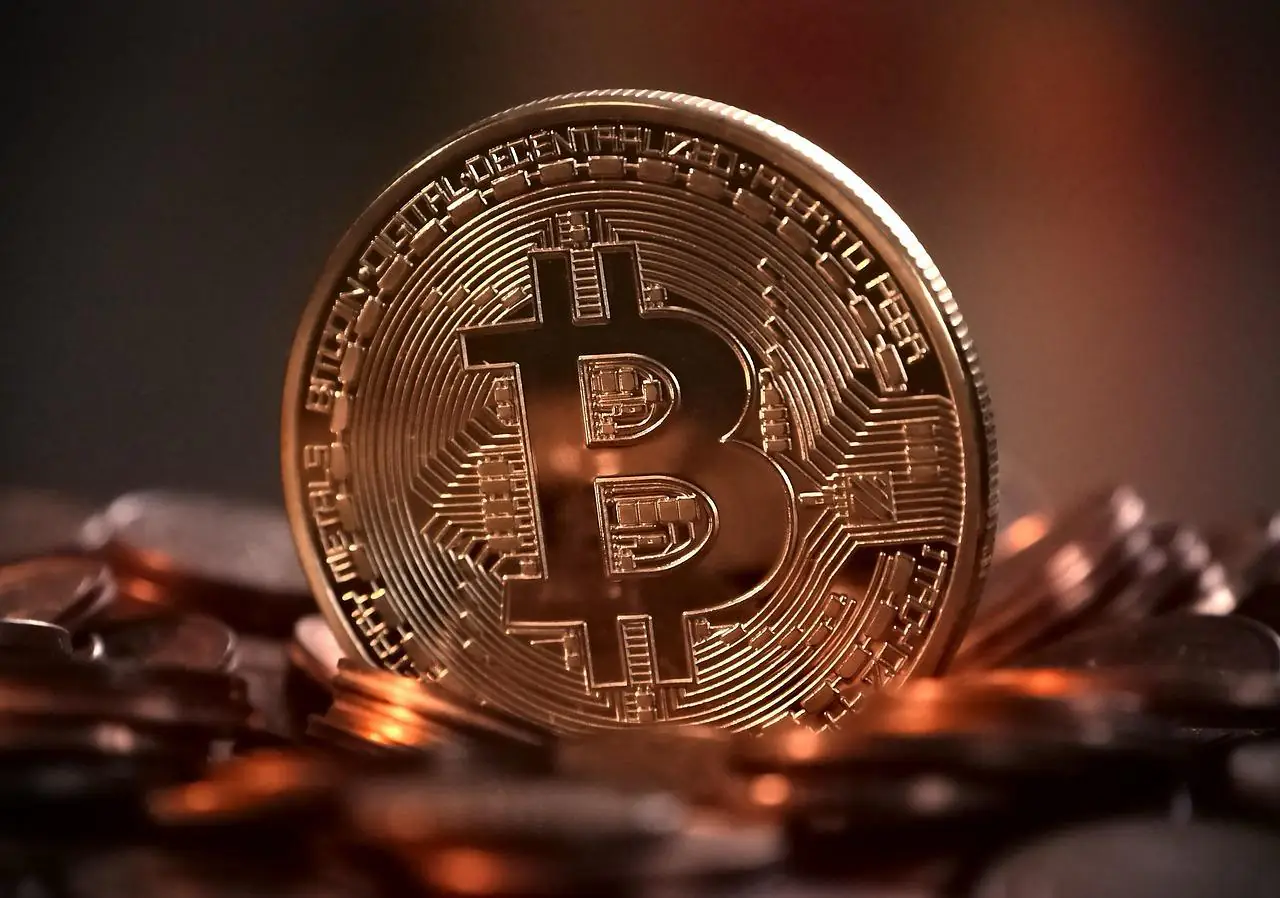
Bernstein's call on Bitcoin's bottom, supported by the absence of structural damage and increasing institutional demand via ETFs, suggests a potential shift from a bear market to a bull phase, with a reiterated year-end target of $150,000 for 2026. CoinDesk's volatility analysis indicates that extreme implied volatility readings, similar to past capitulation events, may signal a bottom near $60,000, framing the recent sell-off as fear-driven rather than structurally bearish. Historical analysis of Bitcoin's weekly RSI shows that oversold conditions, as observed now, have preceded significant rallies (2,700%, 1,800%, 350%), presenting a bullish technical outlook if key support levels hold. A recurring bear market signal has triggered again, historically preceding substantial declines; however, reclaiming $70,000 could invalidate this signal, creating a critical inflection point for near-term price action.

The filing of multiple competing ETFs for Hyperliquid's HYPE token by major asset managers indicates institutional interest, but suggests that the early retail entry window for significant gains has likely closed. The article promotes Pepeto as a superior investment opportunity compared to assets being packaged for institutional ETFs, highlighting its presale pricing, working exchange, and experienced co-founder as key differentiators for retail investors. While Digitap and Mutuum Finance are presented as alternative investments, their projected return profiles are deemed less explosive than Pepeto's, positioning Pepeto as the primary 'best crypto to invest in' before its listing.
Signal context only. Validate with price action, liquidity, and risk limits before taking a position.
USDC
USDC
No explicit catalyst tagged.
Increased stablecoin flows to $440 billion indicate a shift towards capital preservation and a readiness to buy dips, suggesting holders are less prone to panic selling. Elevated Bitcoin realized volatility, coupled with reduced futures open interest and subdued spot volumes, points to a market characterized by caution and a lack of strong directional conviction. The current market dynamic, driven by geopolitical uncertainty and hawkish Fed sentiment, suggests a period of consolidation where traders are building cash reserves rather than aggressively entering new positions. Despite high volatility, the absence of widespread forced selling and stable one-year realized volatility suggest a more mature market response compared to previous cycles.
