
Navigating Crypto News

CoinFeather
Navigating Crypto News
Quick market read from this story
Shytoshi Kusama's return to communication after a five-week hiatus has coincided with a price uptick for SHIB, suggesting market participants are sensitive to developer activity.
Kusama's clarification that his message was not tied to SHIB price movements but rather a 'global moment' indicates a focus on broader ecosystem developments rather than short-term speculation.
Despite a recent price increase, SHIB faces technical resistance at the 50-day moving average, and the broader market structure remains bearish, suggesting caution is warranted.
Source, catalyst, and sector overlap from the latest feed.
Despite a recent price uptick and growing wallet adoption for Shiba Inu, weak derivatives data showing a sharp drop in futures netflow signals cautious sentiment among traders, suggesting limited conviction for sustained upward momentum. The Shiba Inu price is trading within a narrow range, indicating a demand imbalance where existing holders are not being significantly outweighed by new buyers, which caps upside potential. While SHIB's adoption metrics like wallet count are positive, the decline in derivatives activity and long liquidations suggest a defensive positioning by market participants, making short-term price direction contingent on stronger demand signals. The meme coin sector is experiencing increased competition, with Shiba Inu's market cap ranking close to other emerging tokens, highlighting potential shifts in dominance if current trends persist.
Live Feed
Loading the broader stream in the same flow as the homepage feed.

Dmail Network's shutdown highlights significant challenges in sustaining decentralized communication infrastructure due to high operational costs and difficulties in monetization, signaling potential headwinds for similar Web3 projects. The failure of Dmail, attributed to unsustainable infrastructure expenses and unachieved product-market fit for its token, suggests that the current economic models for decentralized communication platforms may not be viable without substantial user adoption or alternative revenue streams. The sharp decline in the DMAIL token price following the shutdown announcement underscores the direct market impact of project failure, serving as a cautionary tale for investors in nascent Web3 infrastructure projects.
Kalshi's strategic hiring of a former Democratic strategist signals an effort to navigate increasing regulatory scrutiny and bolster its lobbying efforts in Washington D.C. The appointment comes amid ongoing legal challenges from state authorities and calls for stricter oversight from lawmakers, highlighting the platform's proactive approach to regulatory headwinds. While the hiring is a positive step for Kalshi's policy engagement, the broader regulatory landscape for prediction markets remains uncertain, impacting potential market growth and investor sentiment.

Allegations of Circle's failure to freeze $420M in illicit USDC funds since 2022, as detailed by ZachXBT, raise significant concerns about stablecoin issuer compliance and the security of user assets in the face of ongoing hacks and exploits. The repeated inaction on law enforcement and private sector requests, despite having the technical capability to freeze funds, could lead to increased regulatory scrutiny and potentially impact market confidence in USDC's perceived stability and security. While Circle has previously frozen funds, the scale of alleged inaction highlighted by ZachXBT suggests a potential systemic issue in their response to illicit flows, which could have broader implications for the DeFi ecosystem and the role of stablecoins in preventing financial crime.

Acting Attorney General Todd Blanche directed his staff last year to lay off crypto developers—but also oversaw their continued prosecution.

Stablecoin issuer Circle is facing mounting scrutiny from blockchain researchers after millions of USD Coin (USDC) were stolen and flowed unimpeded through its proprietary bridge during the $285 million exploit of the Solana-based Drift Protocol. The inaction during the April 1 attack, which is now the largest decentralized finance (DeFi) hack of 2026, stands in […] The post Circle under fire as $230M in stolen USDC flows unblocked days after freezing legitimate accounts appeared first on CryptoSlate.

Drift Protocol's attempt to negotiate with hackers, potentially linked to North Korea, highlights the evolving strategies in post-exploit recovery within DeFi. The success of Drift's recovery efforts hinges on the identity of the attackers, with a low probability of fund return if state-sponsored actors are confirmed, according to industry experts. The $285 million exploit on Drift, a Solana-based DEX, underscores ongoing security risks in DeFi and the potential for significant capital loss. On-chain communication as a recovery tactic is being tested, but its effectiveness remains highly variable, especially against sophisticated, state-affiliated groups.
Recent research papers suggest quantum computers could break Bitcoin's cryptography sooner than anticipated, potentially by 2032, creating a long-term risk for older addresses with exposed public keys. The potential for quantum attacks necessitates proactive migration to post-quantum signature schemes, a complex process for Bitcoin due to its decentralized nature and the challenge of addressing abandoned or lost-key wallets. While current quantum computers are not a threat, the evolving capabilities and ongoing research highlight the need for the Bitcoin community to coordinate and implement upgrades, with various proposals like BIP-360 and QRAMP aiming to address the future risk.

XRP's price action is currently dictated by broader market trends rather than specific project catalysts, indicating a lack of independent momentum. Despite increased trading volume, XRP's inability to break its established resistance levels suggests positioning rather than strong conviction from traders. The current range-bound structure between $1.30 and $1.35 implies that XRP's near-term direction will be determined by a decisive break of either support or resistance, influenced by overall market sentiment.
The post Ontology Gas (ONG) Price Tests a Pivotal Resistance—Is a 150% Rebound Setup in Play? appeared first on Coinpedia Fintech News The Ontology Gas price is rising today, becoming one of the top performers in the crypto market. The token just marked new yearly highs above $0.1, which attracted a brief correction to $0.093. The move is backed by a strong influx of volume that increased by more than 550%, far exceeding its 7-day average. This …
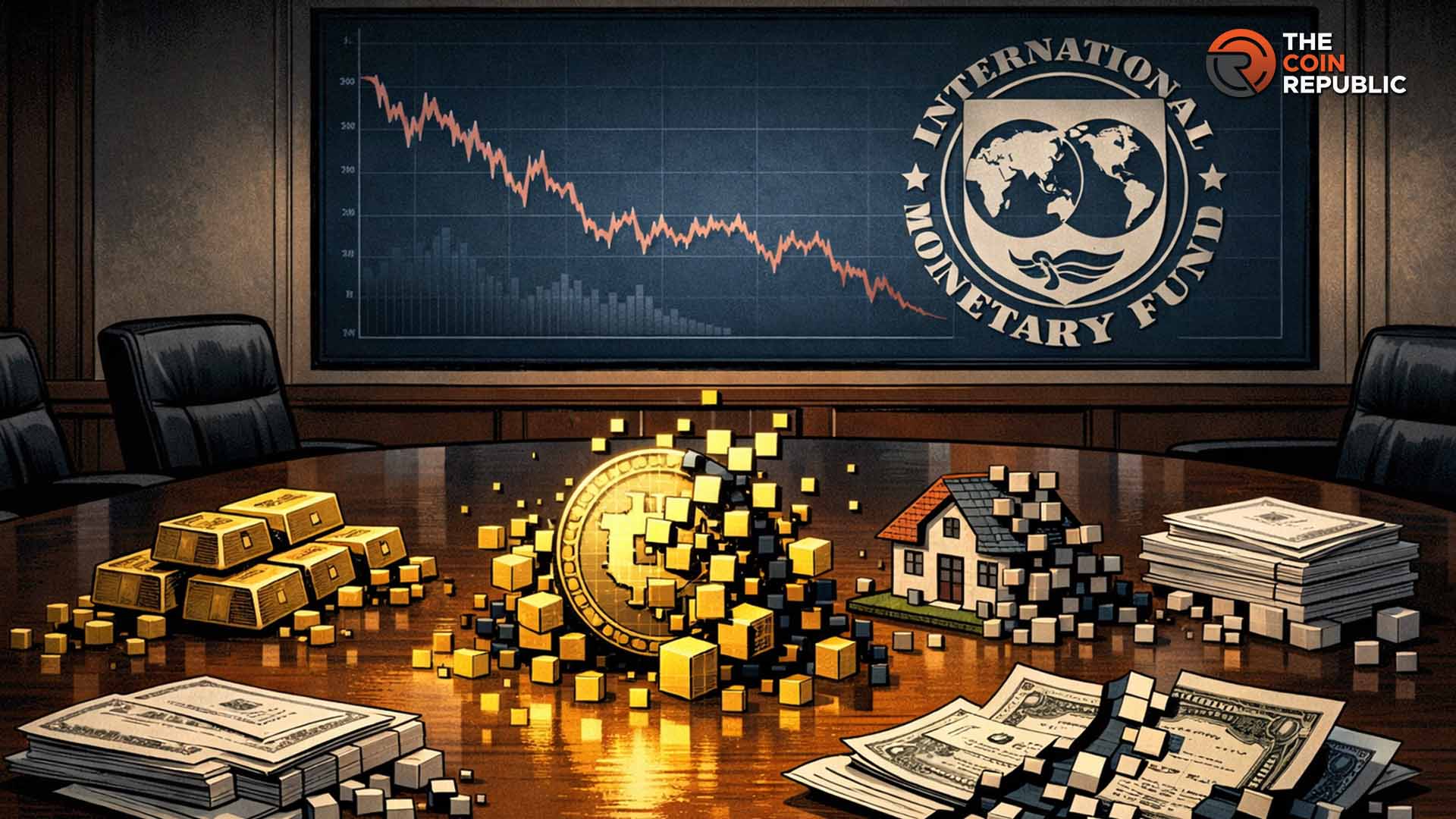
Key Insight: Tokenization is emerging as a major trend in modern finance. By turning real-world assets into blockchain-based tokens, it aims to make transactions faster and more transparent. But not all are fully convinced by the hype surrounding it. The International Monetary Fund (IMF) warns that tokenization could also bring new risks to the financial […] The post IMF Warns Tokenization Could Pose New Risks to Financial Stability appeared first on The Coin Republic.
The $285M Drift Protocol hack on Solana highlights significant DeFi risks, potentially driving traders towards projects with enhanced security features like Pepeto. Bitcoin's price prediction suggests a potential rise to $74K if key support at $67K holds, but its large market cap limits upside compared to early-stage presale tokens. Ethereum shows weakness, trading near $2,050, with limited upside potential compared to presale opportunities like Pepeto, which is nearing a Binance listing. Pepeto's presale has raised over $8.1M, driven by its integrated exchange tools and AI risk scorer, positioning it as a high-potential alternative to established assets like BTC and ETH.
A significant 171.6% surge in XRP's daily burn rate, reaching 1,031 XRP, indicates increased network activity and potential scarcity, which could support future price appreciation despite current weak price action. Despite a sharp increase in network usage and token burns, XRP's price remains subdued around $1.31, suggesting that current market conditions or selling pressure are outweighing the positive on-chain developments in the short term. The elevated burn rate, driven by network activity rather than market trends, signals a potential shift in investor sentiment and increased demand for XRP, creating a basis for a future price rebound.
Bitcoin experienced its worst quarterly performance since 2018, declining 22% in Q1 2026 due to macroeconomic pressures including war and hawkish Fed policy, indicating a macro-driven reset rather than a structural shift. Despite the downturn, Bitcoin outperformed equities and gold post-Iran war outbreak, suggesting resilience and potential diversification appeal, with institutional demand via ETFs showing signs of weathering the drawdown. The near-term trajectory of Bitcoin hinges on Federal Reserve policy and a resolution to the Middle East conflict, with a Fed pause or easing expected to boost risk appetite and stabilize prices, while continued hawkishness could increase selling pressure.
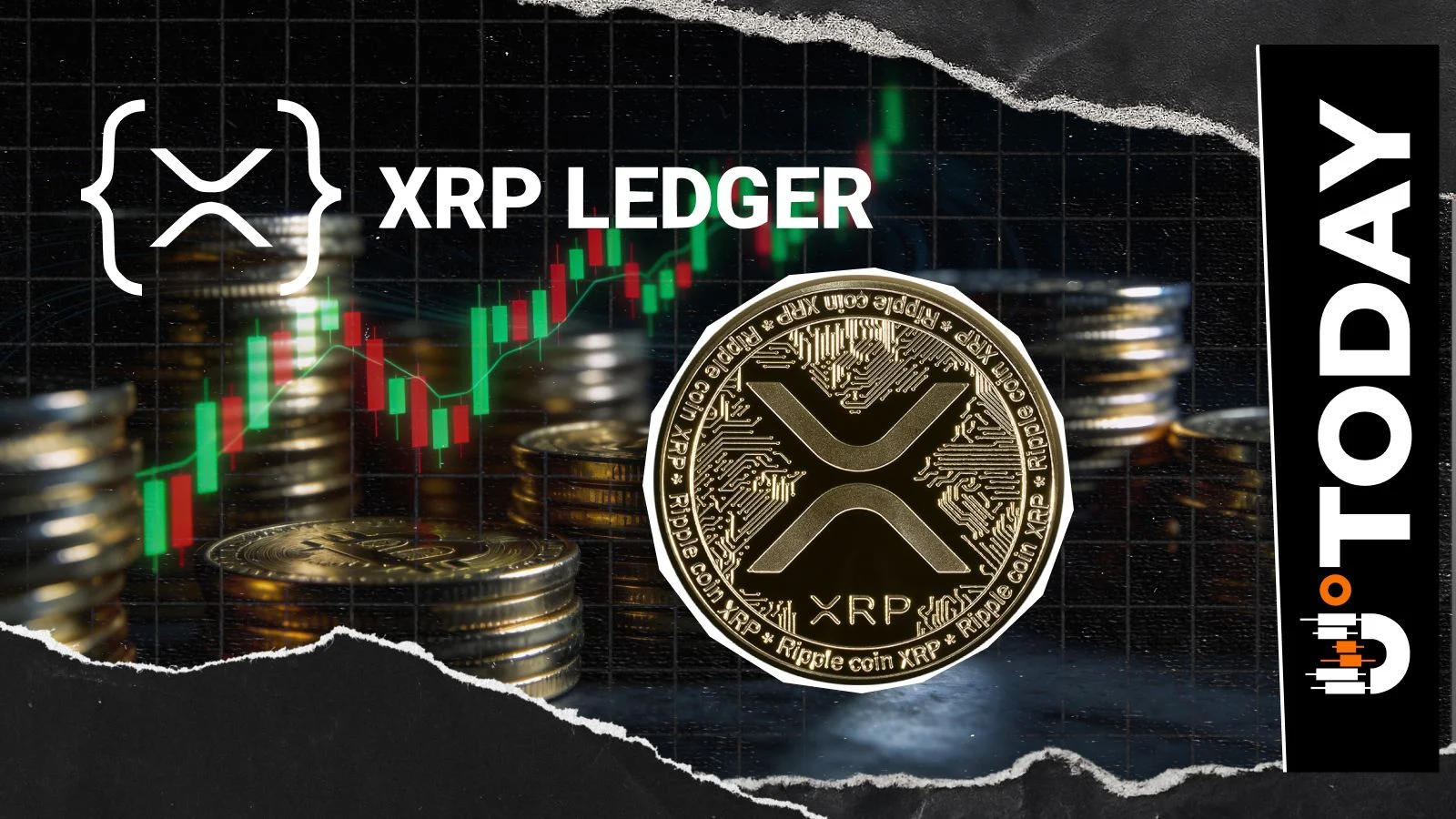
The XRP Ledger's native DEX is poised for a significant shift, with a validator suggesting that deep liquidity and high-quality asset integration could lead to market dominance. The upcoming XRP Lending Protocol, a DeFi primitive for uncollateralized loans, is identified as a key component for bootstrapping the XRPL DEX and enhancing its utility. Ongoing core development efforts on the XRP Ledger, focusing on telemetry, nomenclature, type safety, refactoring, logging, and documentation, aim to strengthen the protocol's foundational infrastructure. The potential success of the XRPL DEX, driven by new DeFi primitives and core development, could signal increased adoption and trading activity for XRP-issued assets.
BNB price has broken below a key $600 support level, indicating a shift in momentum towards bearish pressure and raising concerns about further downside correction. While BNB is currently stabilizing near a critical demand zone of $560-$580, the broader market structure remains weak, suggesting that any rebound needs to reclaim higher resistance levels to invalidate downside risks. Momentum indicators like MACD and RSI show limited buying strength, pointing to a fragile price structure that could lead to a test of the $520-$500 support levels if bulls fail to defend the current base.
Nakamoto Holdings' sale of $20 million in BTC at a loss signals increasing pressure on corporate treasuries to manage balance sheets, potentially indicating a shift away from aggressive, debt-fueled accumulation strategies. Strategy's pause in Bitcoin accumulation, despite holding a significant treasury, suggests potential caution regarding current market conditions or capital availability, impacting institutional demand signals. The Ba2 rating for New Hampshire's proposed Bitcoin-backed municipal bond highlights the growing, albeit speculative, integration of digital assets into public finance, introducing new risk profiles for municipal debt. CoinShares' Nasdaq listing via SPAC merger at a $1.2 billion valuation demonstrates a continued, albeit challenging, pathway for crypto-native companies to access public markets and broader investor bases.
A new strain of SparkCat malware bypasses app store security, targeting crypto wallet recovery phrases stored in smartphone camera rolls via OCR technology. This exploit highlights a significant security risk for crypto users who store sensitive recovery information digitally, potentially leading to widespread fund theft if not addressed. The discovery necessitates increased user vigilance regarding app permissions and secure storage of private keys, impacting the perceived security of mobile crypto access.
Grayscale's research suggests altcoins are near a three-year low, down 59% from highs, presenting a potentially compelling entry point for investors. The simultaneous filing for a Bittensor (TAO) trust indicates Grayscale is backing its research with institutional action, signaling confidence in specific altcoin market segments. Despite Grayscale's bullish outlook on altcoin valuations, the current macro environment with ongoing conflicts and high oil prices presents significant headwinds that could lead to further downside.
Signal context only. Validate with price action, liquidity, and risk limits before taking a position.
No explicit catalyst tagged.
Ripple's integration with SWIFT messaging and banking tools via the GTreasury acquisition signifies a strategic move to bridge traditional finance infrastructure with digital assets, potentially increasing XRP and RLUSD utility within corporate treasury operations. The launch of Digital Asset Accounts and Unified Treasury within Ripple Treasury allows finance teams to manage both fiat and digital assets in a single platform, indicating a push for broader institutional adoption of digital assets in treasury management. By leveraging SWIFT's established network and tools, Ripple is enhancing its treasury platform's credibility and accessibility for traditional financial institutions, which could lead to increased demand for its digital asset services.
