
Navigating Crypto News

CoinFeather
Navigating Crypto News
Quick market read from this story
Kalshi's strategic hiring of a former Democratic strategist signals an effort to navigate increasing regulatory scrutiny and bolster its lobbying efforts in Washington D.C.
The appointment comes amid ongoing legal challenges from state authorities and calls for stricter oversight from lawmakers, highlighting the platform's proactive approach to regulatory headwinds.
While the hiring is a positive step for Kalshi's policy engagement, the broader regulatory landscape for prediction markets remains uncertain, impacting potential market growth and investor sentiment.
Source, catalyst, and sector overlap from the latest feed.
Community banks are actively opposing Coinbase's national trust charter, citing concerns over regulatory standards, risk controls, and potential systemic risks, which could signal increased friction between traditional finance and crypto entities seeking banking licenses. The opposition highlights a broader debate on whether crypto firms should receive bank charters without adhering to the full scope of traditional banking regulations, potentially impacting future regulatory frameworks for digital assets and their integration into the financial system. Disagreements over stablecoin yields and their potential to disrupt traditional banking deposits are delaying crucial crypto market structure legislation, indicating that regulatory clarity for digital assets remains a significant hurdle.
Live Feed
Loading the broader stream in the same flow as the homepage feed.

Circle faces scrutiny over its response to the $285 million Drift hack, with critics arguing faster action on freezing stolen USDC could have mitigated losses. The incident highlights the tension between Circle's ability to control USDC and the legal risks of acting without formal authorization, raising questions about its role as neutral infrastructure. The debate over Circle's inaction underscores the challenges stablecoin issuers face in balancing rapid response to illicit activity with regulatory compliance and user rights.

MARA's strategic pivot from pure Bitcoin mining to AI infrastructure, evidenced by significant BTC sales and workforce reduction, signals a broader industry trend of diversification beyond core crypto operations. The company's $1.1 billion Bitcoin sale, while fueling its AI ambitions, also highlights the capital intensity required for this strategic shift and the potential need for further asset liquidation if AI infrastructure development accelerates. Despite recent layoffs and a stock performance down 53% in six months, MARA's stock saw an 8% increase on Thursday, suggesting a speculative market reaction to the strategic repositioning rather than immediate operational improvements. The trend of Bitcoin miners like MARA, Riot Platforms, and Cango selling significant BTC holdings to fund AI initiatives indicates a potential shift in supply dynamics for Bitcoin, as miners may prioritize infrastructure investment over holding reserves.

Traders are pricing in a significant escalation of the U.S.-Iran conflict, with a 90% chance of U.S. boots on the ground, suggesting heightened geopolitical risk impacting global markets. The market sentiment indicates a strong expectation for WTI crude oil futures to reach $120 per barrel, driven by the geopolitical tensions and potential supply disruptions in the Strait of Hormuz. Despite escalating conflict narratives, traders anticipate the Iranian regime will remain in place by October, suggesting a focus on immediate market impacts rather than long-term regime change expectations. The heightened geopolitical risk and potential supply disruptions are directly influencing commodity markets, with a high probability assigned to crude oil price surges.

The tide is turning once again in the battle for safe-haven assets..

Dmail Network's shutdown highlights significant challenges in sustaining decentralized communication infrastructure due to high operational costs and difficulties in monetization, signaling potential headwinds for similar Web3 projects. The failure of Dmail, attributed to unsustainable infrastructure expenses and unachieved product-market fit for its token, suggests that the current economic models for decentralized communication platforms may not be viable without substantial user adoption or alternative revenue streams. The sharp decline in the DMAIL token price following the shutdown announcement underscores the direct market impact of project failure, serving as a cautionary tale for investors in nascent Web3 infrastructure projects.

Acting Attorney General Todd Blanche directed his staff last year to lay off crypto developers—but also oversaw their continued prosecution.
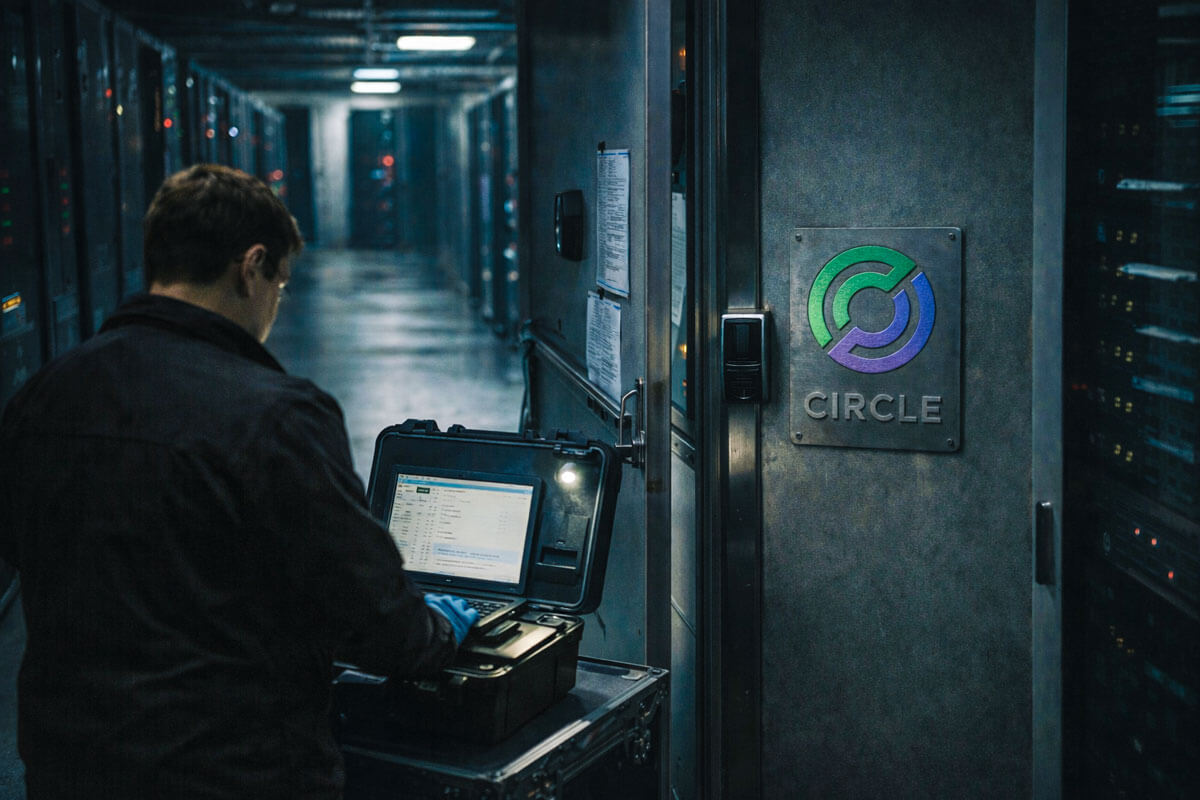
Stablecoin issuer Circle is facing mounting scrutiny from blockchain researchers after millions of USD Coin (USDC) were stolen and flowed unimpeded through its proprietary bridge during the $285 million exploit of the Solana-based Drift Protocol. The inaction during the April 1 attack, which is now the largest decentralized finance (DeFi) hack of 2026, stands in […] The post Circle under fire as $230M in stolen USDC flows unblocked days after freezing legitimate accounts appeared first on CryptoSlate.
Recent research papers suggest quantum computers could break Bitcoin's cryptography sooner than anticipated, potentially by 2032, creating a long-term risk for older addresses with exposed public keys. The potential for quantum attacks necessitates proactive migration to post-quantum signature schemes, a complex process for Bitcoin due to its decentralized nature and the challenge of addressing abandoned or lost-key wallets. While current quantum computers are not a threat, the evolving capabilities and ongoing research highlight the need for the Bitcoin community to coordinate and implement upgrades, with various proposals like BIP-360 and QRAMP aiming to address the future risk.

XRP's price action is currently dictated by broader market trends rather than specific project catalysts, indicating a lack of independent momentum. Despite increased trading volume, XRP's inability to break its established resistance levels suggests positioning rather than strong conviction from traders. The current range-bound structure between $1.30 and $1.35 implies that XRP's near-term direction will be determined by a decisive break of either support or resistance, influenced by overall market sentiment.
The post Ontology Gas (ONG) Price Tests a Pivotal Resistance—Is a 150% Rebound Setup in Play? appeared first on Coinpedia Fintech News The Ontology Gas price is rising today, becoming one of the top performers in the crypto market. The token just marked new yearly highs above $0.1, which attracted a brief correction to $0.093. The move is backed by a strong influx of volume that increased by more than 550%, far exceeding its 7-day average. This …
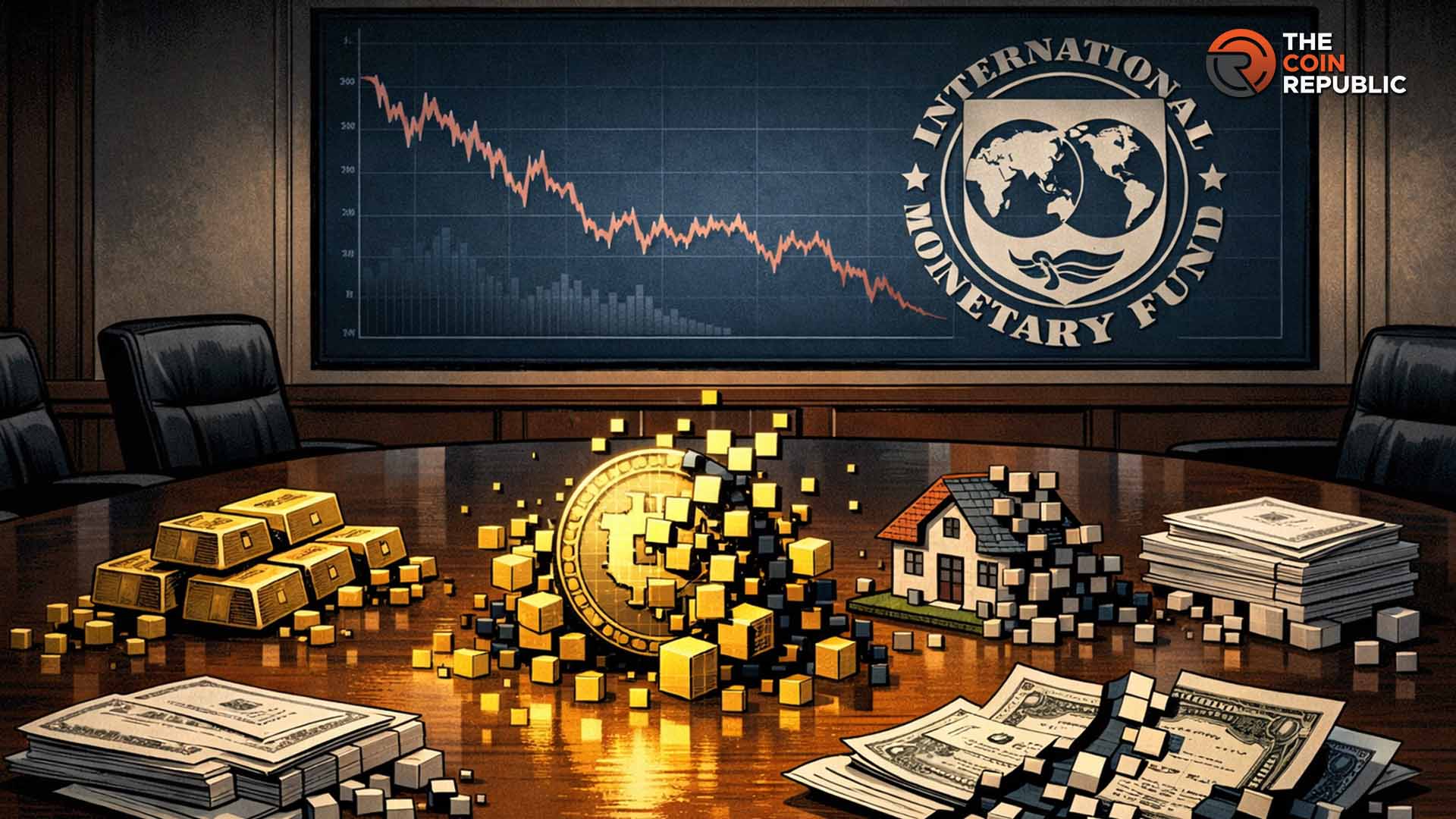
Key Insight: Tokenization is emerging as a major trend in modern finance. By turning real-world assets into blockchain-based tokens, it aims to make transactions faster and more transparent. But not all are fully convinced by the hype surrounding it. The International Monetary Fund (IMF) warns that tokenization could also bring new risks to the financial […] The post IMF Warns Tokenization Could Pose New Risks to Financial Stability appeared first on The Coin Republic.
Shytoshi Kusama's return to communication after a five-week hiatus has coincided with a price uptick for SHIB, suggesting market participants are sensitive to developer activity. Kusama's clarification that his message was not tied to SHIB price movements but rather a 'global moment' indicates a focus on broader ecosystem developments rather than short-term speculation. Despite a recent price increase, SHIB faces technical resistance at the 50-day moving average, and the broader market structure remains bearish, suggesting caution is warranted.
A significant 171.6% surge in XRP's daily burn rate, reaching 1,031 XRP, indicates increased network activity and potential scarcity, which could support future price appreciation despite current weak price action. Despite a sharp increase in network usage and token burns, XRP's price remains subdued around $1.31, suggesting that current market conditions or selling pressure are outweighing the positive on-chain developments in the short term. The elevated burn rate, driven by network activity rather than market trends, signals a potential shift in investor sentiment and increased demand for XRP, creating a basis for a future price rebound.
Bitcoin experienced its worst quarterly performance since 2018, declining 22% in Q1 2026 due to macroeconomic pressures including war and hawkish Fed policy, indicating a macro-driven reset rather than a structural shift. Despite the downturn, Bitcoin outperformed equities and gold post-Iran war outbreak, suggesting resilience and potential diversification appeal, with institutional demand via ETFs showing signs of weathering the drawdown. The near-term trajectory of Bitcoin hinges on Federal Reserve policy and a resolution to the Middle East conflict, with a Fed pause or easing expected to boost risk appetite and stabilize prices, while continued hawkishness could increase selling pressure.
Signal context only. Validate with price action, liquidity, and risk limits before taking a position.
Allegations of Circle's failure to freeze $420M in illicit USDC funds since 2022, as detailed by ZachXBT, raise significant concerns about stablecoin issuer compliance and the security of user assets in the face of ongoing hacks and exploits. The repeated inaction on law enforcement and private sector requests, despite having the technical capability to freeze funds, could lead to increased regulatory scrutiny and potentially impact market confidence in USDC's perceived stability and security. While Circle has previously frozen funds, the scale of alleged inaction highlighted by ZachXBT suggests a potential systemic issue in their response to illicit flows, which could have broader implications for the DeFi ecosystem and the role of stablecoins in preventing financial crime.
