
Navigating Crypto News

CoinFeather
Navigating Crypto News

Quick market read from this story
The advancement of quantum computing poses a near-term threat to encrypted messaging platforms like Signal and Threema, potentially enabling 'harvest now, decrypt later' attacks that could compromise past communications.
While Bitcoin is also vulnerable to quantum attacks, messaging apps face a more immediate risk due to the 'store-and-forward' nature of communications, where intercepted data can be decrypted retrospectively.
IBM's collaboration with Signal and Threema highlights the proactive development of post-quantum cryptography (PQC) in messaging protocols, aiming to integrate NIST-standardized algorithms like ML-KEM to ensure future communication security.
The research indicates significant protocol redesigns are necessary to implement PQC efficiently, with potential trade-offs in bandwidth and speed, underscoring the complexity of future-proofing digital security against quantum threats.
Deep Dive
IBM researchers are collaborating with messaging platforms Signal and Threema to develop new messaging systems designed to withstand attacks from quantum computers. This initiative addresses the growing concern that advancements in quantum computing could soon compromise the encryption used to secure sensitive communications for millions of users, governments, and journalists.
While the quantum threat to cryptocurrencies like Bitcoin has been widely discussed, cryptographer Ethan Heilman suggests that encrypted messaging platforms may face a more immediate risk. Heilman explained that store-and-forward attacks pose a significant near-term danger. These attacks involve adversaries recording encrypted messages today with the intention of decrypting them later once powerful quantum computers become available.
Unlike Bitcoin, where transactions are typically ephemeral, messaging systems can be vulnerable to past communications being decrypted. Heilman noted that historically, intelligence agencies have recorded communications for decades before breaking them, highlighting the long-term risk to message security.
Current encryption methods, while secure against classical supercomputers, could be vulnerable to sufficiently powerful quantum computers. Recent breakthroughs by companies like IBM, Google, and Caltech in quantum computing stability, scaling, and error correction are accelerating the timeline for the development of practical quantum machines. This progress intensifies the debate surrounding the security of systems relying on cryptography, such as Bitcoin's elliptic-curve cryptography, which could be compromised by Shor's algorithm.
Signal has already begun implementing post-quantum security measures. In 2023, the company introduced the PQXDH upgrade to protect new messaging sessions. In 2025, Signal further enhanced its defenses with the Sparse Post-Quantum Ratchet (SPQR) protocol upgrade, extending quantum-safe protection to ongoing messages, calls, and media.
Threema, in partnership with IBM, is exploring the integration of the National Institute of Standards and Technology-standardized ML-KEM algorithm into its messaging system. This shift aims to provide quantum-safe encryption. The research also focuses on protecting metadata, such as information about group chat participants, which presents significant technical challenges. Initial efforts to port existing metadata protection protocols to quantum-safe versions indicated a potential hundredfold increase in bandwidth usage, necessitating a complete redesign for efficiency.
While machines capable of breaking current encryption are still considered far from reality for cryptocurrencies, the rapid pace of quantum development suggests that the threat landscape could change quickly as the technology matures.
Source, catalyst, and sector overlap from the latest feed.
A federal judge has granted Amazon a preliminary injunction blocking Perplexity AI's shopping agent, establishing a potential precedent for platform control over AI-driven e-commerce. The ruling hinges on whether AI agents inherit user permissions or require explicit platform authorization, a key legal question for the future of agentic commerce. This development highlights the ongoing tension between AI innovation and platform control, impacting how AI agents interact with online services and potentially affecting advertising revenue models.
NBA star Tristan Thompson's departure from Basketball.fun, coupled with refund offerings and accusations of a 'rug pull', signals potential user trust issues and a need for project transparency. The project's planned launch on Base and marketplace debut in April, despite recent controversies, indicates continued development efforts and a focus on user experience improvements. The refund process and "10% boost" offer suggest a proactive approach to managing user expectations and mitigating negative sentiment following Thompson's withdrawal and market scrutiny. Basketball.fun's reliance on athlete endorsements, contrasted with recent research on investor trust, highlights the challenges faced by crypto projects leveraging celebrity involvement.
Bitwise CIO Matt Hougan projects Bitcoin could reach $1 million per coin by capturing a significant share of the growing global store of value market, assuming continued growth and adoption. The analysis suggests that Bitcoin's potential price target is contingent on the expansion of the overall store of value market, with a projected market cap of $121 trillion in 10 years, requiring Bitcoin to secure 17% of this market. Factors such as ETF inflows, institutional acceptance, and declining volatility are cited as key drivers that could support Bitcoin's ascent to a $1 million valuation, despite current market conditions.
The Official Trump (TRUMP) Solana meme coin has experienced a significant price decline, falling over 96% from its all-time high, correlating with a dip in President Trump's approval ratings. Despite a broader market rebound in Bitcoin and Ethereum, the TRUMP token's underperformance suggests that its price is heavily influenced by political sentiment and news rather than general crypto market trends. The performance of the TRUMP token, alongside the related World Liberty Financial (WLFI) token, highlights the speculative nature of politically-themed crypto assets and their sensitivity to public perception and geopolitical events.
Meta's acquisition of Moltbook signals a strategic move into the burgeoning field of AI agent interaction and social networking. The acquisition highlights the growing interest in understanding emergent AI behaviors and their potential applications beyond human-centric platforms. While the deal terms are undisclosed, the integration of Moltbook's founders into Meta's Superintelligence Labs suggests a focus on advancing AI research and development within the company.
Ether's funding rates have turned negative, indicating a shift towards bearish sentiment in the derivatives market despite recent price attempts above $2,100. Weak demand for ETH spot ETFs, evidenced by significant outflows, coupled with staking yields underperforming stablecoin yields, suggests institutional caution and a lack of conviction in near-term price appreciation. While Ethereum developers are advancing upgrades like account abstraction and the Hegota fork, these technical improvements have not yet translated into increased on-chain activity or demand for ETH, highlighting a disconnect between development and market sentiment. The current market conditions for ETH show low conviction for a bullish breakout, but also a lack of worsening bearish signals, suggesting a neutral to cautious outlook for the immediate trading horizon.
Ripple is aggressively retooling the XRP Ledger into a comprehensive institutional-grade DeFi platform, integrating native lending, AMMs, and KYC-compliant trading to move beyond its initial payments focus. The significant growth in tokenized assets to $2.3 billion and the RLUSD stablecoin's market cap to $1.59 billion, alongside $1.24 billion in XRP ETF inflows, signals increasing institutional adoption and demand for XRPL-based financial products. While XRPL's TVL remains modest, the ongoing infrastructure build-out, including an upcoming EVM-compatible sidechain and privacy features, positions it as a potential competitor in the institutional DeFi space, supported by partnerships with major banks like Deutsche Bank and Société Générale. Regulatory clarity from the SEC settlement has removed a key overhang, potentially unlocking further institutional confidence and driving adoption, though the ultimate success hinges on translating these developments into substantial settlement volume.
Vitalik Buterin's 'DVT-lite' initiative aims to simplify Ethereum validator setup, potentially lowering barriers for institutional staking and enhancing network decentralization. The development addresses complexity in current DVT systems, which has historically favored large staking providers, by proposing a near one-click setup for distributed validators. Successful adoption of DVT-lite could lead to a broader distribution of staking power, reducing centralization risks and potentially increasing ETH staking participation.
Hyperliquid's HYPE token demonstrates significant strength, outperforming major altcoins due to its growing dominance in non-crypto derivatives trading, particularly oil perpetuals. The platform's upcoming portfolio margin upgrade signals a move towards supporting larger positions and reducing liquidation risk, potentially attracting more institutional or sophisticated traders. Hyperliquid's strategic pivot towards commodities and equities, with only a minority of its top markets being crypto, indicates a diversification strategy that could broaden its appeal beyond the traditional crypto user base. The substantial volume and open interest in tokenized oil on Hyperliquid highlight a significant trend of non-crypto assets finding liquidity on decentralized exchanges, suggesting a potential new avenue for market growth.
China's development of a 96-core blockchain chip based on RISC-V architecture signifies a strategic move towards technological independence, potentially rerouting global financial infrastructure away from Western-controlled systems like SWIFT. The chip's deployment across 16 government ministries and 27 state enterprises, coupled with its high transaction processing speeds, indicates a practical application for real-world asset migration and cross-border trade, suggesting a significant shift in China's approach to international finance. While not a direct crypto asset event, the advancement in blockchain hardware by a major nation-state has implications for the underlying infrastructure of digital assets and could foster alternative financial networks, warranting a neutral sentiment but high impact due to its structural implications.
A temporary configuration issue in Aave's CAPO risk oracle, not a flaw in wstETH itself, caused a $27 million liquidation event by miscalculating collateral value. The incident highlights the critical reliance of DeFi lending platforms on accurate and timely oracle data, as even minor discrepancies can trigger significant automated liquidations. While no bad debt was incurred by the protocol, liquidators profited from the temporary price misalignment, underscoring the risk-reward dynamics in DeFi liquidation events. The event serves as a reminder of the potential for technical glitches in DeFi infrastructure to cause short-term market volatility and impact user positions.
BitGo's partnership with StableX to custody a $100M stablecoin-focused treasury signals growing institutional demand for infrastructure beyond Bitcoin, specifically within the stablecoin ecosystem. The development highlights a trend of publicly traded companies establishing digital asset treasuries, indicating a maturing market for institutional-grade custody and trading services for a wider range of crypto assets. StableX's investment in tokens like FLUID and LINK, alongside BitGo's expanding role, suggests a potential near-term catalyst for related stablecoin infrastructure and oracle projects.
The acquisition of SolanaFloor by the Jito Foundation signals a strategic move to restore independent coverage of the Solana ecosystem, addressing a critical information gap following past security incidents. With the Solana ecosystem experiencing growth and institutional interest, the revival of SolanaFloor under Jito Foundation ownership provides a vital, independent source for market participants to track on-chain developments. The return of SolanaFloor, despite its previous operational halt due to a hack, highlights the ongoing challenges in crypto security while underscoring the importance of reliable news and analysis for ecosystem health.
SEC Chair Gary Gensler signals a move away from 'duplicative enforcement actions' between the SEC and CFTC, aiming for coordinated oversight. This regulatory coordination could streamline compliance for digital asset firms operating across both commodity and security definitions, potentially reducing legal friction. The announcement suggests a more unified approach to crypto regulation in the US, which could impact market participants by clarifying jurisdictional boundaries and enforcement strategies.
Live Feed
Loading the broader stream in the same flow as the homepage feed.

Ripple's acquisition of BC Payments Australia and its AFSL positions the company to expand its payments business in a key market, signaling a strategic move towards regulatory compliance and operational growth. The acquisition is expected to close by April 1, marking a significant step in Ripple's international licensing strategy and potentially paving the way for broader adoption of its services in Australia. This development, coupled with ongoing regulatory discussions in Australia, could alleviate 'debanking' issues for crypto firms and foster a more favorable environment for institutional digital asset interest.
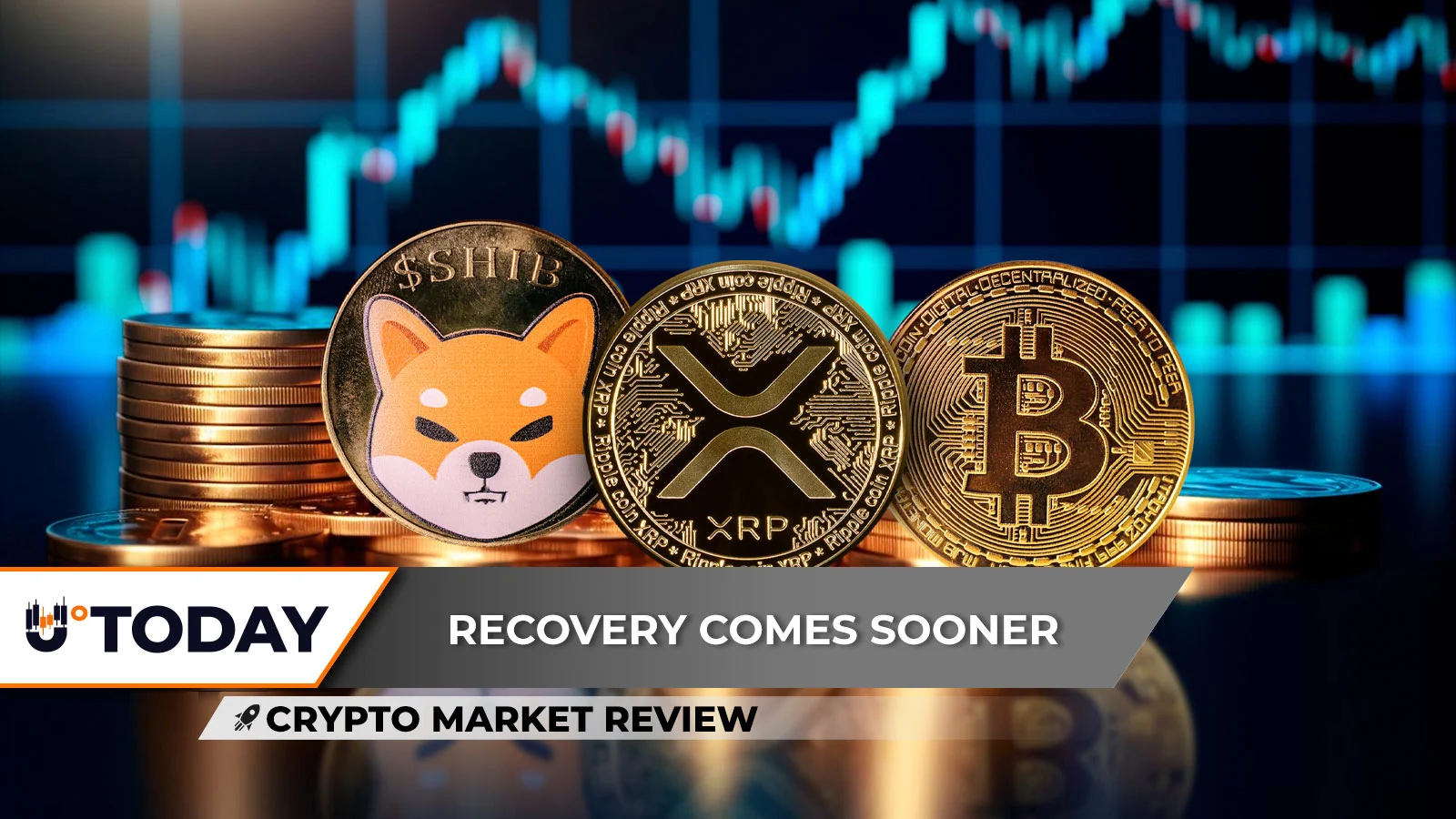
Bitcoin reclaiming the $70,000 level signals renewed buyer conviction and a potential shift towards a broader trend reversal, though elevated volatility and short-term pullbacks remain likely. Shiba Inu's 8% spike represents a short-term relief bounce driven by oversold conditions rather than a confirmed structural reversal, with momentum indicators showing early signs of stabilization. XRP is approaching a critical technical test at the 26-day EMA, where a breakout could signal a shift to bullish momentum, while failure would reinforce its existing bearish structure.
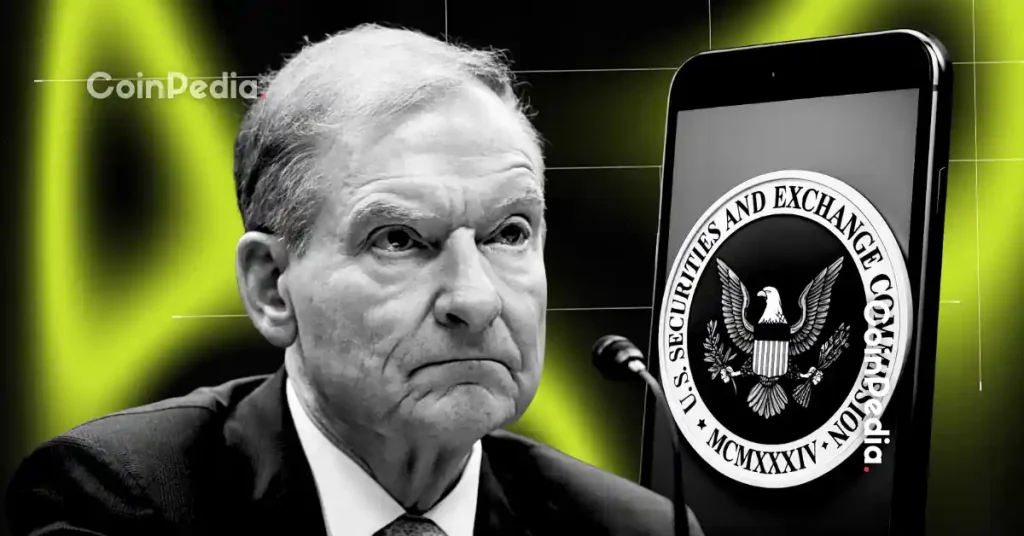
US regulators SEC and CFTC are moving towards harmonizing crypto regulations, signaling an end to duplicative enforcement actions and potentially streamlining compliance for firms. The introduction of 'substitute compliance' for registered firms and a joint guidance website aims to increase regulatory efficiency and accelerate product approvals. While specific asset tickers are not mentioned, the regulatory focus on crypto assets and derivatives suggests potential impacts across various market segments. This regulatory coordination could reduce uncertainty and foster a more predictable environment for crypto businesses operating in the US, potentially influencing market sentiment and investment flows.

MicroStrategy's continued aggressive Bitcoin accumulation, adding 17,994 BTC worth $1.28 billion, signals strong institutional conviction and potentially increases demand pressure on BTC. Dogecoin's trading volume surge of 87% and a golden cross technical pattern suggest a potential short-term rebound, driven by derivatives activity and whale interest. XRP's price structure indicates weakening selling pressure and potential for a near-term bounce as key indicators converge, suggesting a possible end to its recent downtrend.
Bitwise CIO Matt Hougan presents a scenario where Bitcoin could reach $1,000,000 if the global store-of-value market expands to $121 trillion and Bitcoin captures 17% of it. The analysis hinges on historical gold market growth as a precedent for alternative asset demand, suggesting Bitcoin's potential to capture significant market share amid increasing institutional adoption and concerns over monetary expansion. While acknowledging risks such as a potential slowdown in market expansion or Bitcoin failing to gain sufficient share, the projection is supported by other industry figures, highlighting a consensus on long-term bullish potential.

A federal court in Ohio has denied Kalshi's request for an injunction, ruling that federal commodities laws do not necessarily preempt state sports gambling laws for its prediction contracts. This court decision contradicts a previous ruling in Tennessee and weakens Kalshi's argument for exclusive CFTC jurisdiction, potentially increasing regulatory pressure on prediction markets. The outcome suggests that prediction market platforms may face ongoing legal challenges and regulatory uncertainty across different US states, impacting their operational scope and market access.

Bernstein's 'Outperform' rating and $190 price target for Circle (CRCL) stock signal strong conviction in its growth potential, driven by accelerating stablecoin adoption and regulatory clarity from the 2025 GENIUS Act. Circle's stock performance, up 49% year-to-date and having doubled since February, demonstrates a decoupling from the broader crypto market, suggesting investor confidence in its business model beyond speculative crypto assets. The increasing adoption of stablecoins, supported by the regulatory framework established by the GENIUS Act, positions Circle's USDC as a key beneficiary, potentially driving further market share gains and stock appreciation. Circle's established relationships with traditional finance giants like BlackRock and BNY Mellon, coupled with its significant market share in stablecoins, provide a solid foundation for continued growth and institutional trust.

X's upcoming 'X Money' remittance system, set for early public access in April, signals a significant move into financial services by the platform, potentially integrating crypto later in the year. The announcement of X Money has directly correlated with a price increase in DOGE, suggesting speculative market reaction to Elon Musk's involvement and potential future integrations, despite no explicit confirmation of DOGE's inclusion. While X Money will initially operate with fiat and partner with Visa, its stated goal of becoming an 'everything app' for monetary transactions, including potential crypto and stablecoin (USDC) integration, positions it as a notable player in the payments and DeFi space. The short squeeze dynamics, with $3.94 million in liquidations, indicate increased speculative trading activity around DOGE following the X Money news, reinforcing the meme coin's volatility and sensitivity to Musk's pronouncements.
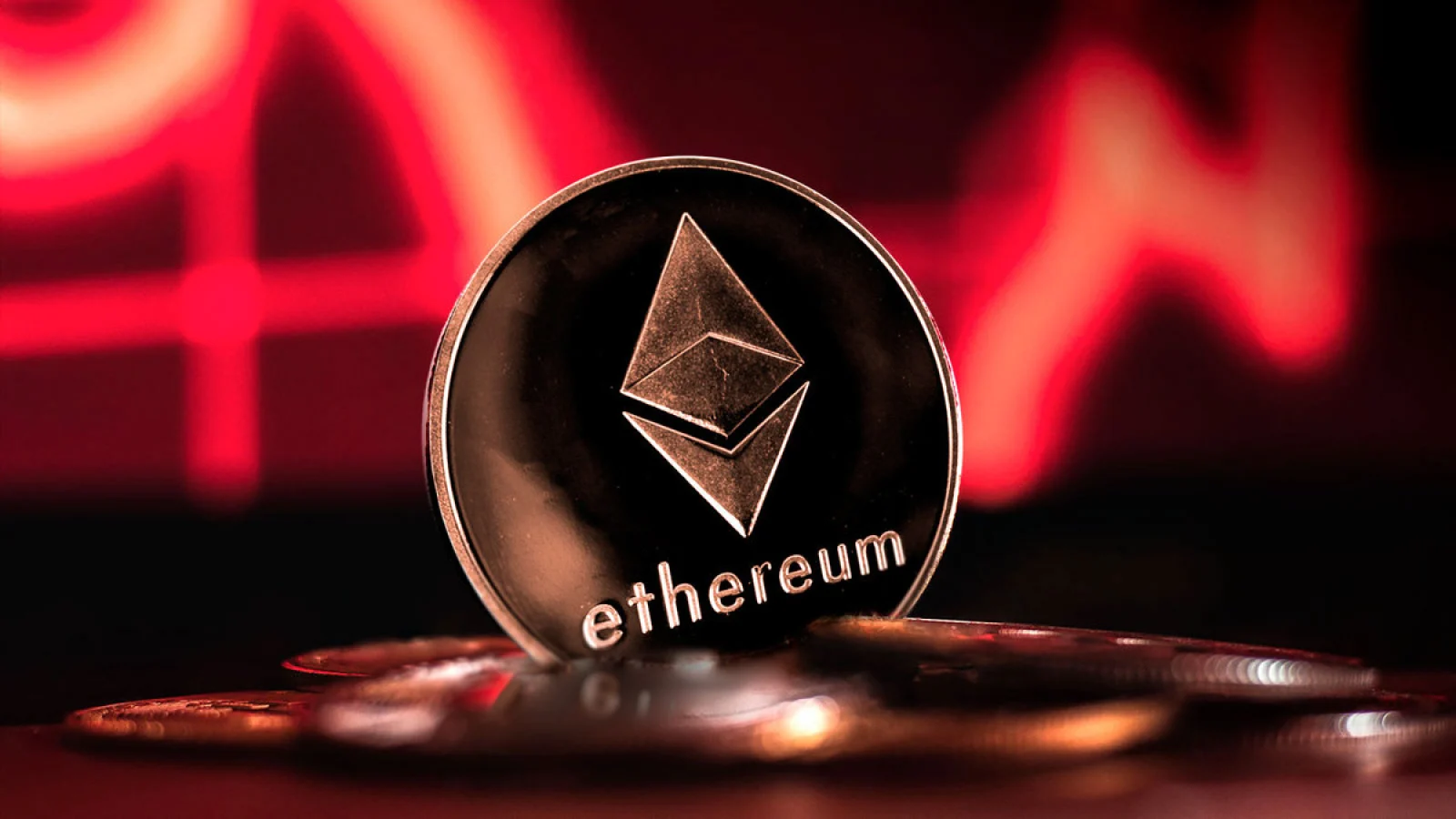
Despite record-breaking network activity on Ethereum, on-chain data indicates this surge is driven by mass capitulation and selling pressure, not organic demand. The high volume of transactions, including DeFi unwinding and exchange transfers, coupled with negative realized capitalization, signals evaporating liquidity and potential further downside for ETH. The ETH/BTC ratio's decline during periods of high exchange inflows confirms that a significant portion of the network activity is investors exiting their positions, contrary to superficial interpretations of network health.

Stablecoins are projected to gradually pull 3-5% of core deposits from traditional banks over the next five years, potentially impacting bank profitability by approximately 3%. While not an immediate threat, the expanding use of stablecoins in payments and DeFi could lead to higher funding costs for banks as they compete for capital. Banks with high concentrations of retail and interest-bearing deposits are identified as most exposed to potential stablecoin-driven deposit runoff. Despite regulatory hurdles like the GENIUS Act limiting direct yield, the long-term risk of stablecoins attracting deposits through activity-based rewards and DeFi integration remains a concern for the banking sector.
Bitcoin is approaching a critical resistance zone between $68,795 and $72,205, which technical analysts are closely watching as a potential turning point. On-chain data suggests a possible accumulation phase is underway, with short-term holders' realized price above long-term holders', indicating potential for a market bottom formation if current resistance is overcome. The interplay between the approaching resistance band and the underlying accumulation signals suggests a period of consolidation or potential volatility, requiring traders to monitor price action closely for directional cues. While a historical bottoming signal based on holder cost basis has not fully triggered, the current price action below the short-term holder cost basis implies recent buyers are under pressure, a common late-stage bearish condition.
Ethereum is approaching a critical $2,100 resistance level, with a significant cluster of short liquidations concentrated just above at $2,130. A breakout above $2,100 could trigger a cascade of short liquidations, potentially accelerating price discovery towards the next resistance at $2,350. Conversely, failure to break $2,100 could lead to a retest of support levels between $1,930 and $1,970, indicating continued range-bound trading.
Signal context only. Validate with price action, liquidity, and risk limits before taking a position.
