
Navigating Crypto News

CoinFeather
Navigating Crypto News

Quick market read from this story
Polymarket's recent fee expansion has led to a significant, albeit potentially temporary, surge in daily fees and revenue, indicating a strategy to boost monetization amidst increasing regulatory pressures.
The platform's revenue increase highlights its aggressive approach to profitability, which may be crucial for sustaining operations and investor interest given the ongoing global regulatory scrutiny faced by prediction markets.
Despite the revenue spike, the long-term sustainability of Polymarket's growth is uncertain due to widespread regulatory actions and restrictions in various jurisdictions, suggesting a cautious outlook for the platform.
Deep Dive
Prediction market platform Polymarket has experienced a significant increase in daily fees and revenue shortly after implementing a broader fee model on March 30. Daily fees surged from approximately $363,000 to over $1 million on Wednesday and Thursday, while revenue, the portion retained by the platform, reached nearly $995,000 on Wednesday before settling at around $899,000 on Thursday, according to DefiLlama data.
The fee expansion introduced by Polymarket now applies to categories beyond crypto and sports, including finance, politics, economics, culture, weather, and tech. Geopolitical and world events remain fee-free. This aggressive monetization strategy appears aimed at maintaining investor interest amidst increasing regulatory scrutiny worldwide. The platform recently received a substantial investment of $600 million from Intercontinental Exchange, the parent company of the New York Stock Exchange.
Polymarket and other prediction markets are facing mounting regulatory challenges across various jurisdictions. In Europe, countries like Hungary and Portugal have imposed restrictions or blocked access, citing concerns over unlicensed gambling and political betting. An Argentinian court ordered a nationwide ban on Polymarket due to insufficient identity and age verification, potentially allowing minors to access the platform. Polymarket reports being blocked in 33 countries, while Kalshi is restricted in 52 jurisdictions.
In the United States, at least 11 states have initiated legal actions against prediction markets, including cease-and-desist orders and proposed legislation. Despite these crackdowns, both Polymarket and Kalshi are reportedly seeking new funding rounds that could value each platform at approximately $20 billion.
In response to criticism over well-timed bets and concerns about market integrity, Polymarket and Kalshi introduced new trading restrictions on March 24 to curb insider trading.
Source, catalyst, and sector overlap from the latest feed.
Canada's proposed ban on crypto donations to political parties highlights a growing global concern over the traceability of digital assets in political financing, potentially impacting how crypto is perceived and regulated in other jurisdictions. The move, driven by concerns over foreign interference and election security, suggests a regulatory trend towards increased scrutiny of crypto's role in sensitive areas, which could lead to broader restrictions if not addressed by the industry. While the direct impact on major cryptocurrencies like BTC and ETH is minimal given the limited current use in Canadian political donations, the regulatory precedent could influence future policy decisions affecting crypto adoption and integration into traditional financial systems.
Tokenization's true value lies in upgrading existing liquid assets like dollars and bonds, not in niche or illiquid assets, as this approach leverages massive existing demand and reduces financial frictions. The success of stablecoins demonstrates that tokenizing highly liquid assets with established frameworks creates immediate utility and network effects, paving the way for tokenized treasuries and equities. Applying tokenization to core financial primitives like money and debt compresses settlement times and reduces intermediary costs, fundamentally altering financial operations and capital efficiency. While NFTs and bespoke RWAs have cultural or speculative value, their fragmented and legally ambiguous nature prevents them from becoming a foundational economic layer, unlike liquid assets.
Drift Protocol suffered a significant $280 million exploit, highlighting risks associated with Solana's durable nonce feature and raising questions about the speed of intervention by stablecoin issuers like Circle. The exploit's reliance on a specific Solana transaction mechanism, rather than a simple smart contract bug, suggests a sophisticated attack vector that could be a recurring concern for protocols utilizing similar features. Criticism directed at Circle for not freezing stolen USDC funds for hours underscores the ongoing debate around centralized entities' responsibilities and potential regulatory pressures in responding to exploits.
Metaplanet's significant Q1 Bitcoin acquisition, adding 5,075 BTC, elevates its treasury to the third-largest among publicly listed companies, signaling strong conviction in Bitcoin as a long-term asset despite short-term market volatility. The company's dual strategy of accumulating Bitcoin for its treasury while generating revenue through options trading demonstrates a sophisticated approach to capital management, aiming to recycle derivatives income into further BTC purchases. Despite the positive treasury news, Metaplanet's stock experienced a slight decline, indicating that market sentiment may be more influenced by broader market conditions or other factors than by individual corporate treasury actions in the short term.
Progress on the CLARITY Act, particularly regarding stablecoin yield, indicates potential for regulatory clarity, which could reduce uncertainty for digital asset markets. The ongoing debate over stablecoin yield highlights a key friction point between traditional finance and crypto, with potential implications for how stablecoins are integrated into the broader financial system. The Senate Banking Committee's nearing agreement on the CLARITY Act, despite delays, suggests a growing momentum towards establishing a federal framework for digital assets, potentially impacting market structure and investor confidence. President Trump's public statements and reported meeting with Coinbase CEO suggest political influence on the CLARITY Act's progress, underscoring the intersection of political dynamics and crypto regulation.
StakeStone (STO) has experienced a dramatic 200% price surge in 24 hours, driven by significant whale accumulation and increased derivatives trading volume. Speculation around a potential StakeStone airdrop is a key narrative fueling the current rally, attracting users seeking future rewards. Despite strong momentum, the parabolic price action of STO presents elevated volatility risks, with potential for sharp pullbacks if leverage unwinds or large holders distribute. The risk-reward profile for STO is becoming increasingly asymmetric at current price levels, suggesting caution for new entrants as key resistance and support zones are identified.
Massive $1 billion in ETH liquidations occurred within an hour, primarily driven by geopolitical news impacting market sentiment, indicating a sharp, forced deleveraging event rather than organic selling. Despite the sharp price drop and liquidations, Ethereum's supply on Binance has reached its lowest level since February 2024, suggesting reduced immediate sell-side pressure and a potentially cleaner slate for future price action. The confluence of significant liquidations and declining exchange reserves presents a dichotomy: immediate bearish price action versus underlying structural improvements that could support a recovery, contingent on geopolitical stability. The upcoming 'Glamsterdam' upgrade, targeting June 2026, is highlighted as a potential long-term bullish catalyst, with historical patterns suggesting accumulation could begin soon, contrasting with the current short-term bearish sentiment.
The minting of 150 million RLUSD by Gemini on the XRP Ledger, backed by 1:1 USD reserves, confirms the operational efficiency of Ripple's stablecoin mint/redeem engine. Gemini's activity, including a prior redemption of 128 million RLUSD, suggests potential liquidity testing or a response to a demand surge, highlighting institutional engagement with RLUSD infrastructure. While some community members view the RLUSD minting as a sign of Ripple's stablecoin infrastructure strength, others caution that capacity does not equate to organic demand, indicating a mixed market perception. Ripple's RLUSD continues its growth strategy, aiming for a $2 billion market cap, supported by consistent supply control and burn/mint exercises that have previously propelled it into the top 100 crypto assets.
Corporate and sovereign entities are liquidating Bitcoin holdings, signaling a shift away from treasury accumulation driven by prolonged price weakness and balance sheet pressures. The trend of companies like Empery Digital and Genius Group selling BTC to repay debt or improve financial standing indicates a deleveraging phase, potentially reducing demand from institutional treasuries. While some entities are selling, the overall corporate Bitcoin treasury still represents a significant portion of the total supply, suggesting that future accumulation or continued holding could still influence market dynamics. The pivot of some mining companies, like Riot Platforms, towards AI and high-performance computing, funded by Bitcoin sales, highlights a diversification strategy that may alter their traditional BTC holdings.
The CoinDesk 20 Index experienced a broad-based decline of 4.5%, with all constituent assets trading lower, indicating a general market downturn affecting major cryptocurrencies. Uniswap (UNI) and Solana (SOL) were the laggards, falling 7.7% and 6.9% respectively, suggesting specific weakness or profit-taking in these altcoins within the broader market sell-off. The uniform decline across all CoinDesk 20 constituents points to a lack of positive catalysts or prevailing bearish sentiment, making it difficult to identify individual outperformers in the short term.
The Drift Protocol exploit, while significant, has indirectly created artificial buy pressure on Ethereum by converting stolen assets into ETH, masking underlying demand weakness. Ethereum's current price stability above $2,000 is fragile, supported by event-driven capital rather than organic market conviction, suggesting potential for sharp moves in either direction. Traders should monitor the flow of the $267M in ETH accumulated post-exploit; its movement could signal a shift from temporary support to accelerated downside pressure.
The Clarity Act's stablecoin yield provisions are nearing a legislative deal, potentially unlocking a key revenue stream for U.S. exchanges like Coinbase and reducing reliance on offshore platforms. Despite banking sector concerns, Coinbase's CLO stated there is no evidence of significant deposit flight to stablecoins, potentially easing regulatory fears and paving the way for bill passage. The potential passage of the Clarity Act, with a 65% probability according to prediction markets, could provide much-needed regulatory clarity, impacting Coinbase's stock performance and the broader stablecoin market.
Live Feed
Loading the broader stream in the same flow as the homepage feed.

Coinbase's x402 protocol joining the Linux Foundation signals a move towards open-source standardization for AI-driven micro-transactions, potentially addressing limitations of traditional finance. The broad industry support from major tech and finance players like Google, Stripe, and AWS indicates significant interest in developing a common infrastructure for agentic commerce. This initiative could establish a new standard for high-frequency, low-value transactions, akin to SSL for web security, which may unlock new use cases for AI agents and decentralized systems.
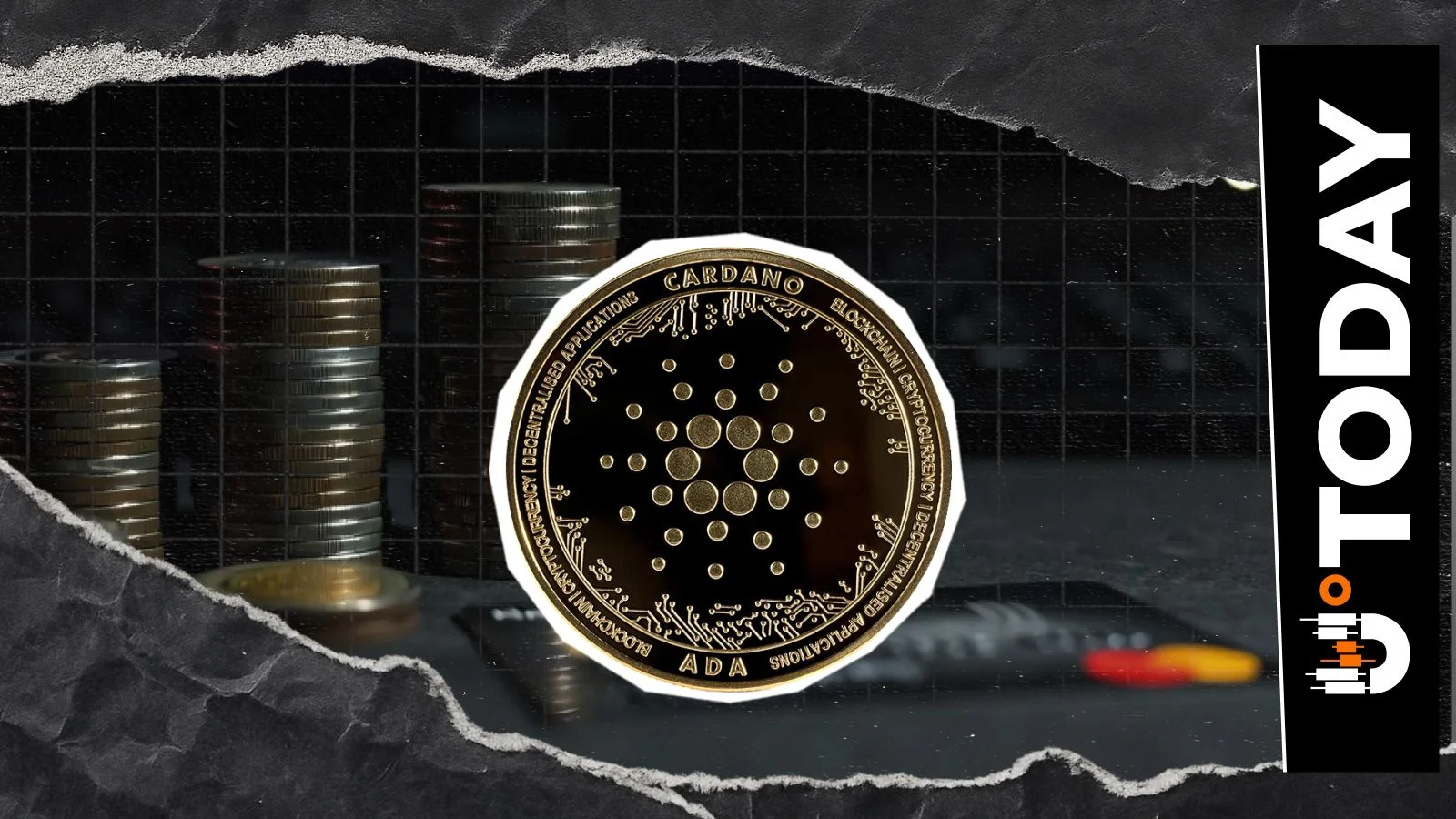
EMURGO's progress in the Mastercard "qualification stage" for Cardano integration signals a potential for increased institutional adoption and payment network integration for ADA. While not a confirmed partnership, reaching the qualification stage suggests Cardano's technical capabilities are being evaluated, which could lead to broader use cases and potential price appreciation if successful. The call for community support highlights the importance of demonstrating a strong user base to Mastercard, potentially influencing demand for services if Cardano is integrated into their crypto initiatives.

Bitcoin has broken a critical support level around $66,894, failing to reclaim it on retest, which shifts the near-term structure lower and increases the probability of further downside toward $61,726. The concurrent rise in the US Dollar Index and Brent crude oil creates a tighter macro environment for risk assets, suggesting that any immediate Bitcoin recovery will face increased headwinds. The price action indicates that buyers are losing urgency to defend support levels, a pattern that has historically led to deeper price discovery towards established lower support zones.

Bitcoin Everlight (BTCL) is launching a new platform aiming to democratize Bitcoin earnings through a $100 entry point, potentially attracting new retail investors seeking passive income without direct mining or fractional ownership. The project highlights a shift towards infrastructure utility, positioning itself as a high-efficiency transaction and routing layer for Bitcoin, which could signal a broader trend of projects building on top of established Layer 1s. With a projected listing price of $0.03110 and current presale tokens at $0.0012, early participants are positioned for significant potential upside if the project achieves its stated goals and market adoption. The emphasis on security through audits by Spywolf and Solidproof, along with KYC for the team, aims to build institutional-grade trust, which is crucial for attracting broader investor interest in a new token offering.

Metaplanet's significant Q1 Bitcoin acquisition of 5,075 BTC, averaging $79,900, positions it as the third-largest corporate Bitcoin treasury, signaling continued institutional adoption and a strategic shift towards Bitcoin as a primary treasury asset. The firm's ambitious '555 Million Plan' targeting 100,000 BTC by year-end and 210,000 BTC by 2027, despite recent stock price underperformance, indicates a strong conviction in Bitcoin's long-term value and a potential catalyst for future capital raises. Metaplanet's rise in treasury rankings, partly due to MARA Holdings' large BTC sale, highlights the dynamic nature of corporate Bitcoin holdings and the potential for significant shifts based on individual company strategies and market conditions.

Ripple's CTO addressed concerns about bank adoption of XRP by stating that banks would not decline profitable infrastructure simply because a vendor benefits alongside them, implying that the adoption of Ripple's services is not solely dependent on XRP's direct use. Despite Ripple's overall success in processing $13 trillion in payments, the article highlights that a significant portion of banks using RippleNet only leverage it for messaging, with XRP not being used as a bridge asset in many transactions, indicating a gap between Ripple's infrastructure adoption and XRP's direct utility. The potential passage of the CLARITY Act is identified as a key variable that could alter the adoption landscape for XRP by providing a clear compliance pathway for banks to use XRP as a bridge asset, suggesting that regulatory clarity is a primary catalyst for broader XRP adoption. Ripple's recent launch of Digital Asset Accounts and Unified Treasury, following its national trust bank charter, integrates XRP and RLUSD into corporate treasury management, offering a unified interface for digital assets and fiat, which could influence institutional adoption strategies.
Geopolitical tensions and increased risk aversion are pressuring silver prices, with a stronger USD and rising oil prices exacerbating the sell-off. Silver's technical breakdown below the $72.41 pivot suggests potential for further downside, with key support levels identified around the mid-$60s. The market is repricing risk assets due to heightened Middle East conflict concerns, impacting investor sentiment and leading to a flight towards safer assets like the US dollar.
Bitcoin experienced a significant price drop to $66,000, driven by a shift in geopolitical sentiment related to Iran, causing it to erase recent gains and trade below key technical levels. Despite the broader market downturn, specific altcoins like STO, NOM, and ONT are showing resilience and outperforming due to their own organic catalysts, suggesting sector-specific opportunities amidst macro-driven volatility. ONT's recent surge is attributed to a significant partnership with European officials for the eIDAS 2.0 framework, highlighting the potential for real-world adoption to drive token value independently of broader market sentiment. The market is exhibiting a divergence where macro-economic and geopolitical news heavily impacts major assets like BTC and ETH, while individual project developments and partnerships are creating isolated bullish narratives for select altcoins.

Postquant Labs' launch of a quantum-classical blockchain testnet, in collaboration with D-Wave, explores the potential for quantum computing to enhance blockchain performance, contrasting with the prevailing view of quantum computing as a threat to encryption. The testnet's success hinges on proving quantum advantage in speed, energy efficiency, and solution quality for specific optimization problems, a claim currently supported by internal tests but awaiting independent verification before a mainnet launch. While D-Wave provides hardware access and consultation, their involvement is limited, and the testnet's utility token, QUIP, is designed to reward participants for computation, creating a potential new economic model for network resources.
Scottie Pippen's personal financial journey, marked by significant career earnings and subsequent setbacks, highlights the volatility of wealth management, even for high-profile individuals. Pippen's engagement with Bitcoin, including his claims of receiving price predictions from Satoshi Nakamoto, introduces a celebrity endorsement angle to the cryptocurrency market, potentially influencing retail sentiment despite the speculative nature of his claims. The article frames Pippen's crypto involvement as part of a broader trend of celebrity adoption, suggesting his voice could attract attention to digital assets, though his lack of technical expertise limits direct market impact.

SoFi's new business banking platform integrates traditional fiat with stablecoins, aiming to streamline 24/7 financial operations for crypto-native companies. The platform's ability to convert USD to stablecoins and vice-versa instantly within a regulated bank reduces reliance on multiple intermediaries and settlement delays. Early partnerships with major crypto firms like Cumberland and Wintermute suggest strong industry interest in bridging traditional finance and digital asset infrastructure. The launch of SoFiUSD, a stablecoin issued directly by a regulated bank, could set a precedent for compliant stablecoin issuance within traditional financial systems.
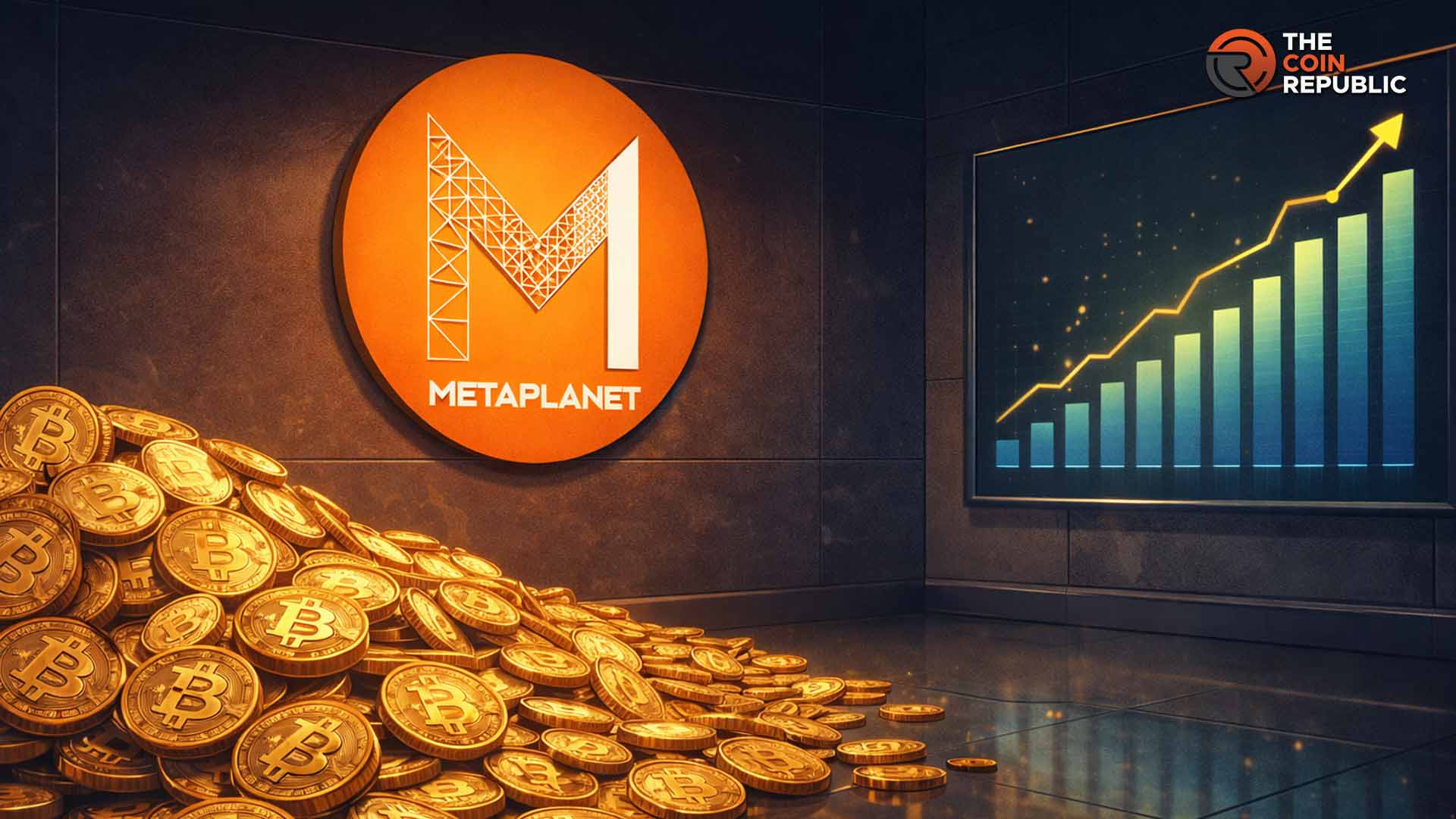
Metaplanet's continued Bitcoin accumulation, adding 5,075 BTC in Q1 2026, signals sustained corporate belief in Bitcoin as a reserve asset despite mixed market sentiment. The negative Coinbase Premium indicates subdued demand from US investors, suggesting a potential divergence between institutional accumulation and retail sentiment in the short term. With 43% of Bitcoin supply now held at a loss and testing the realized price, the market may be nearing a bottoming phase as weaker holders capitulate, potentially setting up for a future recovery. The contrasting signals of corporate buying and weak US retail demand create a complex market dynamic, implying potential volatility as these forces play out.
Pi Network's upcoming cross-chain bridge aims to enhance interoperability, potentially unlocking new utility and integrations with other blockchains. The integration of KYB verification alongside the bridge suggests a strategic move towards onboarding legitimate Web2 and Web3 businesses, signaling a push for real-world adoption. Despite significant infrastructure development, Pi Coin's price action remains subdued, indicating that the market is awaiting tangible utility growth and broader ecosystem adoption before repricing.

The ISM Manufacturing PMI rising above 50 for three consecutive months signals a potential shift in macroeconomic conditions that historically correlates with crypto bull runs, suggesting improved liquidity and risk appetite could drive asset prices higher. Raoul Pal's analysis linking Bitcoin's performance directly to the business cycle, specifically the ISM, suggests a five-year cycle peaking around 2026, implying that current macro trends could be a primary driver for the next major crypto rally, potentially overriding traditional halving cycle timelines. Institutional investors' expectation for crypto price increases within 12 months and plans to boost exposure in 2026, as indicated by a Coinbase survey, suggests growing institutional conviction that could fuel significant capital inflows into the market. While manufacturing expansion is a bullish signal, ongoing geopolitical developments and regulatory uncertainties in the US remain key external risks that could temper the positive macro outlook and impact crypto market performance.
A potential deal on stablecoin rewards within the CLARITY Act could resolve a key dispute, signaling progress towards broader regulatory clarity for digital assets and potentially easing institutional adoption concerns. The resolution of the stablecoin rewards debate, a primary sticking point, could accelerate the passage of the CLARITY Act, which aims to define SEC and CFTC jurisdiction, thereby reducing regulatory uncertainty for crypto firms. While a deal on stablecoin rewards is anticipated this week, the broader market structure bill's markup is still slated for later in April, indicating that while progress is being made, the full legislative outcome remains subject to further negotiation and committee action. The CLARITY Act's potential to provide legal clarity for assets like XRP, as suggested by Evernorth, could unlock significant institutional interest and adoption if it clarifies their classification as commodities rather than securities.
Signal context only. Validate with price action, liquidity, and risk limits before taking a position.
