
Navigating Crypto News

CoinFeather
Navigating Crypto News

Quick market read from this story
Polymarket's acquisition of Brahma signals a strategic move to bolster its blockchain trading infrastructure, potentially enhancing its scalability and execution capabilities.
The integration of Brahma's real-time execution and settlement systems could position Polymarket for significant growth in the prediction markets sector, especially as it explores potential fundraising at a higher valuation.
Brahma's existing transaction volume and TVL suggest the acquired technology has proven its capability in handling substantial digital asset flows, which could translate to improved performance for Polymarket's platform.
Deep Dive
Prediction markets platform Polymarket announced its acquisition of Brahma, a financial infrastructure company specializing in real-time execution and settlement systems for high-volume digital asset and fintech transactions. This strategic move aims to bolster Polymarket's blockchain trading infrastructure and scale its operations.
Polymarket highlighted Brahma's industry leadership in developing programmable systems across blockchain, trading execution, and payments. Polymarket CEO and founder Shayne Coplan emphasized the difficulty of building reliable infrastructure across both blockchain and traditional financial systems, stating, "there are no shortcuts." He further noted that the Brahma team has demonstrated its ability to "design, operate, and scale complex products for sophisticated users," aligning with Polymarket's growth strategy of integrating teams that have already solved significant challenges.
Brahma confirmed the acquisition, stating that its team and technology will now support Polymarket's efforts to scale its infrastructure suite. The company's mission to "build at the core of crypto continues" within Polymarket. The integration is expected to enhance Polymarket's infrastructure and product offerings. Brahma reported processing over $1 billion in transaction volume and more than $100 million in total value locked. As part of the acquisition, Brahma's products, including Brahma Accounts, Agents, and Swype.fun, will be phased out within 30 days, with users advised to migrate their funds and positions.
The acquisition occurs amidst reports that Polymarket was exploring fundraising rounds that could value the company at approximately $20 billion. Prediction markets, which allow users to trade contracts based on the outcomes of real-world events like sports and politics, have seen significant growth, attracting interest from major players in the crypto space.
Source, catalyst, and sector overlap from the latest feed.
The SEC's approval for Nasdaq to test tokenized securities trading signifies a major step towards integrating blockchain technology into traditional equity markets. This development validates the growing trend of tokenizing real-world assets, potentially increasing liquidity and enabling near-instant, 24/7 trading for traditional securities. The integration of tokenized shares on existing order books with identical rights and identifiers suggests a path for seamless adoption, impacting market infrastructure and participant behavior.
Fairshake's significant $10 million expenditure in the Illinois Senate primary, aimed at defeating Juliana Stratton, represents a notable setback for the crypto industry's political lobbying efforts. Despite the loss in Illinois, Fairshake's overall strategy of deploying substantial capital to influence elections appears to be a persistent tactic, as evidenced by past large-scale spending and stated intentions to continue such efforts. The failure to unseat Stratton highlights the challenges and potential inefficiencies in crypto's political engagement, as significant funds were spent against a candidate who ultimately won her primary, potentially creating future political headwinds.
Federal Reserve Chair Powell's acknowledgment of rising energy prices as an inflation risk, coupled with an increased inflation forecast, suggests a prolonged period of higher interest rates, pressuring risk assets like Bitcoin. The market's negative reaction, with Bitcoin and stocks closing at session lows, indicates that fading hopes for early rate cuts are a significant bearish catalyst for crypto and traditional markets. The commentary from Powell, downplaying stagflation concerns but acknowledging "tension" between growth and inflation goals, implies a cautious approach from the Fed that is likely to dampen speculative appetite in the near term.
FTX's bankruptcy trust is distributing $2.2 billion to creditors, marking a significant step in asset recovery for users affected by the exchange's collapse. The fourth distribution will bring certain creditor classes to full or near-full recovery, signaling progress in resolving claims from the 2022 exchange failure. FTX is also preparing to make its first payments to preferred equity holders later this year, indicating a multi-stage resolution process for all stakeholders.
Arizona's criminal charges against Kalshi represent a significant escalation in the ongoing federal-state jurisdictional dispute over prediction markets, moving beyond civil actions to criminal prosecution. The CFTC's public statement calling the prosecution 'entirely inappropriate' signals potential federal intervention or support for Kalshi, highlighting a direct conflict between state regulatory ambitions and federal oversight of event contracts. This legal battle, involving multiple states, could set a precedent for how prediction markets are regulated, potentially impacting the growth and accessibility of platforms like Kalshi and Polymarket, which dominate the sector.
The Federal Reserve's decision to hold rates steady and signal only one potential cut in 2026, coupled with elevated inflation and geopolitical risks, creates a challenging near-term environment for risk assets like cryptocurrencies. Despite a broad market selloff, the licensing of S&P Dow Jones Indices to launch a perpetual futures contract on the Hyperliquid blockchain highlights growing institutional interest in leveraging blockchain for traditional finance products, signaling potential future demand. The substantial $5.8 trillion in sidelined corporate cash represents a significant long-term wildcard; if tokenized finance can demonstrate efficiency and yield benefits, a fraction of this capital could flow into crypto, fundamentally altering demand dynamics. The current macro backdrop of 'higher for longer' interest rates and persistent inflation, exacerbated by oil price volatility and geopolitical tensions, suggests that crypto markets will likely remain under pressure until clearer signals for monetary easing emerge.
The licensing of the S&P 500 index to Trade[XYZ] for perpetual futures on Hyperliquid signifies a growing trend of traditional finance assets being tokenized and made available on decentralized exchanges. This development, occurring alongside potential US regulatory frameworks for perpetual futures, could attract more institutional interest and capital into the on-chain derivatives market, potentially increasing trading volumes for RWA-linked products. While RWA derivatives currently represent a smaller portion of Hyperliquid's volume compared to crypto and commodities, this official licensing agreement for a major US index suggests a strategic expansion beyond purely crypto-native assets.
The Ethereum Foundation's new mandate document has sparked debate, with critics arguing it reinforces a hands-off approach despite the network's growing institutional interest and need for clearer leadership. The integration of World ID with Coinbase's x402 protocol signifies a crucial step towards verifying human identity for AI agent transactions, potentially unlocking new economic models for autonomous agents. The contrasting approaches of Visa and Coinbase towards AI agent transactions highlight a fundamental divergence in how traditional finance and crypto infrastructure are preparing for an agent-driven internet economy. AI agents are increasingly being utilized in prediction markets, such as Polystrat on Polymarket, demonstrating a new frontier for automated trading and insight aggregation.
XRP long positions are surging on Binance, indicating strong trader conviction for a price rally above the $1.50 support level. Recent regulatory clarity, with XRP reclassified as a commodity by the SEC, alongside Ripple's expansion into Brazil and Mastercard's crypto program, provides a supportive fundamental backdrop for this bullish sentiment. The confluence of increased long-term trader accumulation and positive fundamental developments suggests potential for XRP to retest higher price targets, possibly towards the $2 mark.
S&P Dow Jones Indices licensing its flagship index for perpetual contracts on Hyperliquid signifies a major step in bridging traditional finance assets with decentralized derivatives markets. The availability of 24/7 trading for the S&P 500 via perpetual futures on Hyperliquid offers non-U.S. investors leveraged exposure and the ability to react to global events outside traditional market hours. This development highlights the growing traction of perpetual futures in crypto and their potential to become a primary venue for trading traditional assets, as evidenced by the positive performance of the HYPE token. Trade[XYZ]'s expansion plans to bring more traditional assets on-chain, starting with the S&P 500, indicates a broader trend towards tokenizing and decentralizing access to global financial benchmarks.
The shift in SEC enforcement actions under the Trump administration marks a significant de-escalation of regulatory pressure on numerous crypto firms, potentially fostering a more favorable environment for innovation and investment. The dismissal of multiple high-profile cases, including those against Ripple, Binance, and Coinbase, suggests a potential recalibration of the SEC's approach to crypto, moving away from 'regulation by enforcement' towards clearer guidance. This trend of dropped investigations and dismissals across various crypto sectors, from DeFi to NFTs and exchanges, indicates a broader positive sentiment shift for the industry in the U.S., potentially reducing legal uncertainty and associated costs. The numerous concluded investigations and dropped cases signal a potential reduction in systemic risk for crypto companies operating in the U.S., which could encourage further development and adoption.
The US-Iran conflict drove significant trading volume to Hyperliquid's platform, particularly for oil-linked derivatives, demonstrating crypto's utility for real-time macro hedging when traditional markets are closed. Hyperliquid's HYPE token entered the top 10 by market cap due to a revenue-sharing model where trading fees are used for HYPE buybacks and burns, creating a direct link between platform activity and token value. The surge in Hyperliquid's volume and HYPE's market cap highlights a potential new market segment for 24/7 macro trading on-chain, though sustainability post-geopolitical stress remains a key question. While Bitcoin saw broader gains from geopolitical uncertainty, HYPE's specific rally illustrates how niche derivatives platforms can capitalize on volatility and unique market structure advantages.
The FTX Recovery Trust's fourth distribution of $2.2 billion on March 31, 2026, brings the total paid to creditors to approximately $10 billion, signaling continued progress in winding down the failed exchange's assets. While significant funds are being returned, creditors are reportedly dissatisfied with the reimbursement percentages, which are based on 2022 asset values, potentially leading to ongoing sentiment challenges for the FTX estate. The potential reinvestment of these recovered funds into digital assets by creditors could introduce short-term buying pressure across the crypto market, though the magnitude remains uncertain.
Live Feed
Loading the broader stream in the same flow as the homepage feed.

The Federal Reserve's decision to hold interest rates steady at 3.5-3.75% amidst geopolitical uncertainty and mixed economic signals suggests a cautious approach, implying continued pressure on risk assets until inflation and labor market concerns are resolved. With 97% of market participants expecting no rate cuts, traders are likely to remain hesitant to increase exposure to risk assets like Bitcoin, awaiting clearer signals of monetary easing. The Fed's acknowledgment of geopolitical uncertainty and its potential impact on energy prices and inflation highlights a significant macro risk factor that could influence future monetary policy decisions and market sentiment.

The prediction markets co-founder said that the company would “abide by court decisions“ but signaled that the charges were based partly on political bias and media attention.

Algorand Foundation's 25% workforce reduction signals a strategic pivot towards sustainability amidst challenging macroeconomic conditions and a crypto market downturn. Despite significant layoffs, the foundation asserts continued focus on Algorand's core development and ecosystem growth, with recent transaction volume showing modest increases. The layoffs at Algorand Foundation follow a broader trend of industry-wide workforce reductions, indicating a sector-wide consolidation and efficiency drive in response to market pressures. While ALGO trades significantly below its all-time high, the foundation's commitment to long-term development and the reported growth in RWA values on the network suggest potential for future recovery.

Ethereum's price surge past $2,300 has triggered significant short liquidations, indicating a rapid shift in market sentiment and potential short-covering rallies. Despite the price rally, whale activity shows a bearish bias with large net short positions, suggesting potential for a near-term retracement or consolidation. The rising Ethereum Estimated Leverage Ratio (ELR) signals increased derivatives market activity and higher leverage appetite, which could lead to amplified volatility and further liquidations.
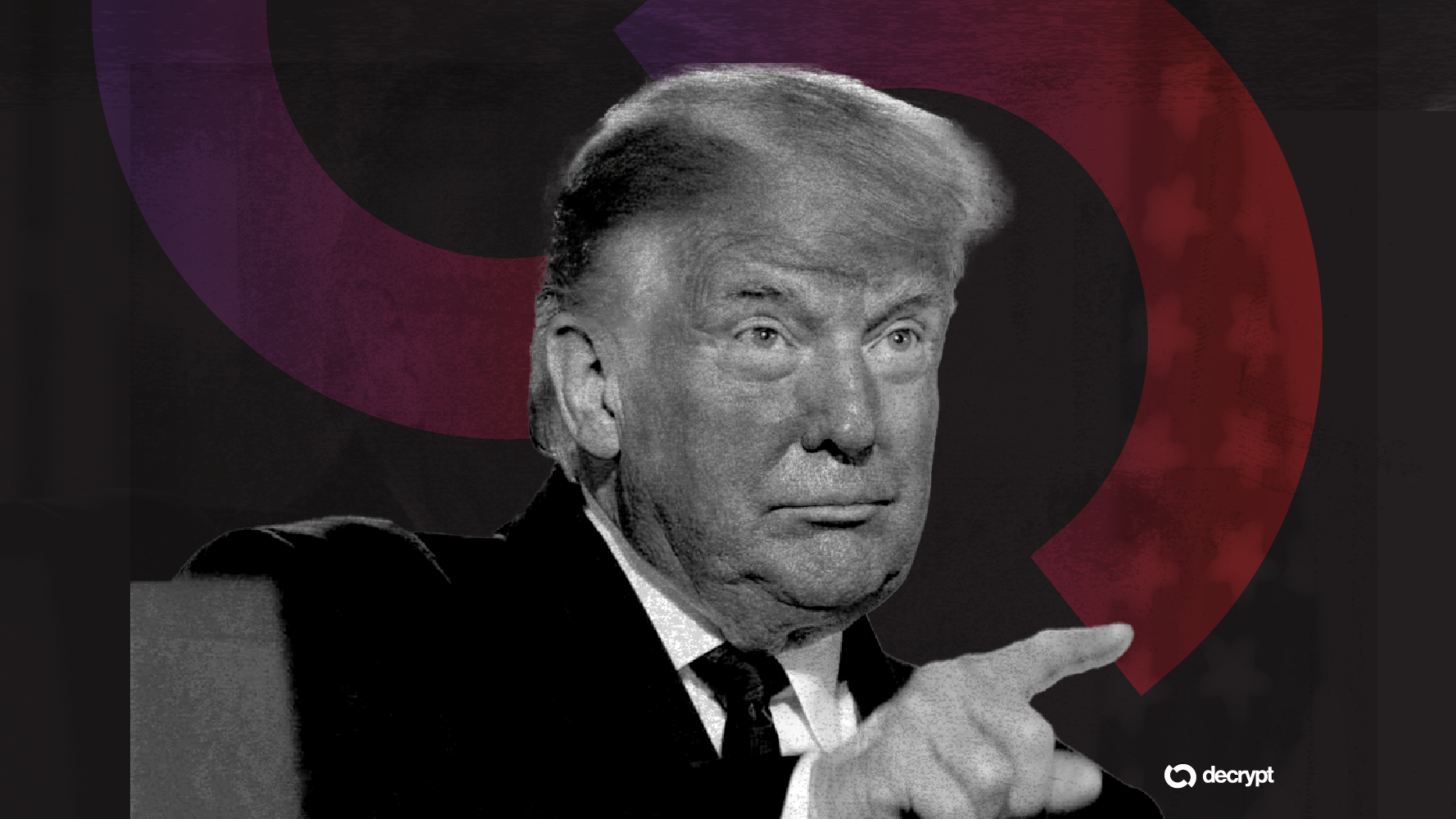
The White House's registration of aliens.gov signals a potential upcoming release of UFO/UAP files, a development that could generate significant public interest and speculation. Despite the domain registration and prior presidential directives, officials anticipate no major revelations from the UAP file release, suggesting limited factual impact. The timing of the aliens.gov domain registration, following a viral Obama clip and Trump's directive, indicates a politically charged narrative around UFO disclosure.

Veteran trader Peter Brandt highlights conflicting technical patterns for Bitcoin, presenting both a bullish "horn" formation and a bearish "ugly" flag pattern. Brandt criticizes "cryptocultists" for dogmatic bullishness, emphasizing the need for trader flexibility and preparedness for multiple market outcomes. The presence of both constructive and "ugly" technical setups suggests a period of uncertainty for Bitcoin, requiring traders to manage risk and avoid rigid price targets. Brandt's commentary underscores the importance of adaptable trading strategies in volatile markets, particularly when facing conflicting technical signals.

SEC Chair Paul Atkins clarified that NFTs are generally considered digital collectibles and not securities, provided they are not structured as investment contracts, signaling a potential shift towards a more favorable regulatory environment for certain digital assets. The SEC's stance on NFTs as collectibles, distinct from investment contracts, could reduce regulatory uncertainty for the NFT market, potentially encouraging broader adoption and development by clarifying their legal standing. This clarification, coupled with the SEC's move away from enforcement-led policy, suggests a broader effort to provide clearer guidance for the digital asset sector, which may reduce risk for market participants and foster innovation.
The Federal Reserve's decision to maintain interest rates at current levels, coupled with a hawkish outlook on future cuts, directly pressures risk assets like Bitcoin by increasing the cost of capital and reducing liquidity. Bitcoin's price drop below $71,000 indicates a short-term risk-off sentiment driven by the Fed's 'higher for longer' monetary policy stance, potentially leading to further downside if support levels are breached. The market's reaction highlights Bitcoin's sensitivity to macroeconomic factors, particularly US monetary policy, suggesting that a sustained recovery may depend on a shift in the Fed's inflation and rate cut projections.

The Crypto Fear & Greed Index exiting 'extreme fear' after 48 days suggests a significant shift in market sentiment, potentially signaling a bottoming phase and increased investor risk appetite. A substantial increase in stablecoin inflows, particularly a $2.2 billion USDT deposit on Binance, indicates returning liquidity and trader readiness to deploy capital, supporting potential price appreciation. Historical analysis suggests that buying Bitcoin during fear phases has historically yielded stronger returns over medium-term horizons (2-4 years), reinforcing the potential upside from current sentiment levels. The recovery in total crypto market capitalization, adding $174 billion in March, coupled with the Fear & Greed Index rebound, points to a broader market recovery and potential for sustained bullish momentum.

Metaplanet's significant Bitcoin treasury reallocation, moving $368M BTC after three months of dormancy, triggered a sharp 12% drop in its stock price, indicating market sensitivity to such large on-chain movements. Despite the stock's decline, Metaplanet's recent fundraising of approximately $531 million via institutional investors and warrants signals continued strategic intent to accumulate more Bitcoin, potentially supporting future price action. The stock's volatility and increased trading volume suggest active market participation and speculation around Metaplanet's Bitcoin treasury strategy and capital allocation changes.

Algorand's workforce reduction of 25% amidst a challenging macro environment signals significant operational restructuring, despite recent positive regulatory clarity for ALGO. The juxtaposition of layoffs with the SEC's classification of ALGO as a digital commodity presents a mixed signal, highlighting internal financial pressures despite external regulatory progress. While the SEC's guidance offers a cleaner regulatory outlook for ALGO, the substantial staff cuts suggest underlying financial strain that may temper short-term market sentiment.
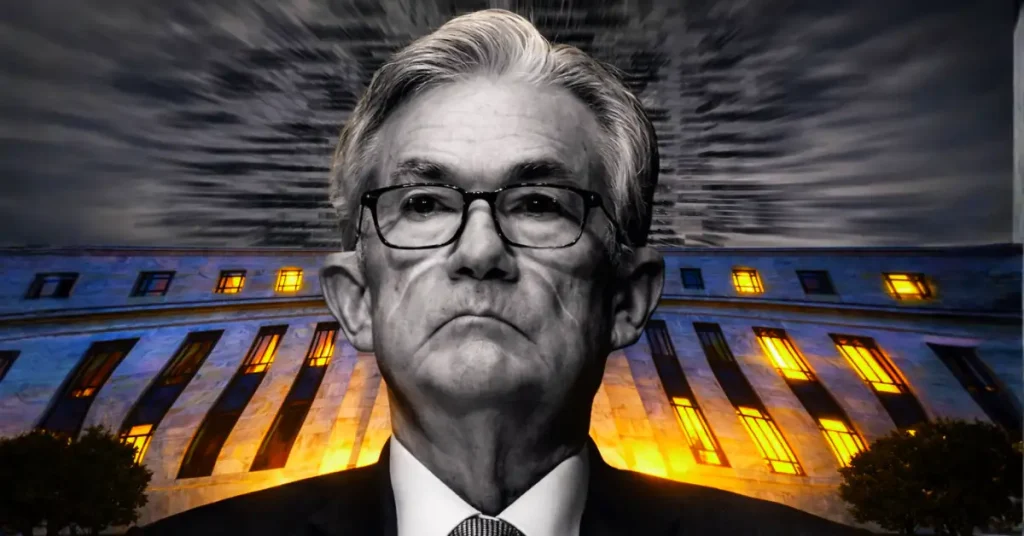
The Federal Reserve's decision to hold interest rates steady, as widely expected, failed to provide market comfort, leading to immediate price drops across major cryptocurrencies like Bitcoin, Ethereum, and XRP. Elevated inflation readings and geopolitical tensions contributed to a broader market downturn, exacerbating the impact of the Fed's non-committal stance on future rate cuts. The crypto market experienced significant liquidations, with over $158 million in leveraged long positions wiped out, indicating heightened volatility and sensitivity to macroeconomic factors.
Signal context only. Validate with price action, liquidity, and risk limits before taking a position.
