
Navigating Crypto News

CoinFeather
Navigating Crypto News

Quick market read from this story
Michael Saylor's cryptic "The Orange March Continues" post signals potential further Bitcoin accumulation by MicroStrategy, despite the company's current unrealized 10% loss on its holdings.
The ongoing accumulation by a major corporate holder like MicroStrategy, even during market downturns, suggests a conviction in Bitcoin's long-term value proposition, potentially influencing investor sentiment.
MicroStrategy's recent halt in Bitcoin purchases via preferred stock offerings (STRC) due to failure in raising capital indicates a shift in their funding strategy, which could impact future buying power.
Deep Dive
Strategy executive chairman Michael Saylor has indicated that his company may have acquired additional Bitcoin, despite a recent market decline that has placed the company’s Bitcoin holdings at a 10% loss. Saylor posted on X, formerly Twitter, with the message "The Orange March Continues," accompanied by a chart illustrating Strategy’s cumulative Bitcoin purchases since August 2020, valued at approximately $52 billion.
This potential purchase follows a series of significant Bitcoin acquisitions by Strategy in March. The company bought 17,994 BTC on March 9 and another 22,337 BTC on March 16, totaling approximately $2.9 billion in Bitcoin. These transactions occurred as heightened military tensions between the US and Iran raised concerns about a potential energy and oil crisis.
Bitcoin experienced a 4% drop to $67,725 on Sunday, partially recovering to $68,100 at the time of reporting. With Strategy’s average cost per Bitcoin estimated at around $75,696, the company is currently facing an unrealized loss exceeding 10% on its Bitcoin investment, according to BitcoinTreasuries. Previously, Strategy funded a substantial portion of its Bitcoin acquisitions through high-yield perpetual preferred stock offerings, such as STRC, which provided investors with monthly dividends without diluting common shares. However, Strategy reportedly halted funding through STRC last week after failing to secure additional capital from this avenue.
Strategy (MSTR) shares saw a decline of 6.6% last week, closing at $135.66. This erased some of the significant gains the stock had achieved earlier in the month. Despite being a strong performer in the US stock market from January 2023 to July 2025, MSTR shares have fallen 68.7% from their all-time high of $434.20. Other companies holding Bitcoin on their balance sheets have also faced considerable stock price reductions, leading to questions about the long-term viability of corporate crypto treasuries.
Source, catalyst, and sector overlap from the latest feed.
The removal of contract position limits on Bitcoin and Ether ETF options by NYSE exchanges enhances institutional trading flexibility and potentially boosts liquidity. This regulatory adjustment aligns crypto ETF options with traditional commodity ETF options, signaling increased integration and acceptance within mainstream financial markets. The SEC's waiver of the standard waiting period for these rule changes indicates a swift move towards facilitating more robust derivatives trading for crypto-based investment products.
Banks are actively exploring tokenized deposits, positioning them as a crucial component of future digital finance alongside stablecoins and CBDCs. This development signals a strategic move by traditional financial institutions to integrate with blockchain infrastructure and preserve their role in evolving payment systems. The increasing number of bank pilots and regulatory advancements, such as the ECB's digital euro work, suggest a growing institutional adoption of tokenized assets and distributed ledger technology. Tokenized deposits offer a bridge between traditional banking frameworks and the emerging digital asset ecosystem, potentially enhancing efficiency and security in financial transactions.
Bitcoin's divergence from gold, driven by distinct buyer bases (retail for BTC, central banks for gold), suggests differing market dynamics and potential for varied price performance based on geopolitical and economic factors. The analysis highlights Bitcoin's utility as a crisis lifeline for individuals when traditional banking fails, contrasting with gold's role as a geopolitical strategic asset for state actors, implying different risk-reward profiles for each asset. While gold has seen recent volatility and debate over its store-of-value status, contrasting expert opinions on Bitcoin's potential to outperform gold suggest ongoing market uncertainty and a need for diversified asset allocation.
Anthony Scaramucci suggests Bitcoin's four-year cycle is still relevant, predicting a price rise in Q4 2026 despite current market conditions. The influence of institutional investors and ETF inflows has muted Bitcoin's traditional cycles, but Scaramucci believes self-fulfilling prophecy will drive future price action. Geopolitical turmoil and a strong correlation with the S&P 500 pose downside risks, with some analysts forecasting a potential 50% drop in BTC price if these trends persist. Market sentiment has shifted from widespread expectation of a 2025 bull run to concerns about a potential bear market, highlighting the unpredictable nature of crypto price movements.
Bitcoin's price dip below $69,000 and approach to the 200-week EMA suggests continued bearish sentiment, with some analysts targeting $50,000. Despite the overall bearish trend, a daily chart golden cross offers a potential short-term bullish signal, though its durability remains uncertain. Over $400 million in crypto liquidations occurred as Bitcoin experienced a weekend price drop, indicating significant volatility and forced deleveraging.
Geopolitical escalation between the US and Iran, centered on the Strait of Hormuz, is creating significant market uncertainty, leading to a broad sell-off in major cryptocurrencies like Bitcoin and Ethereum. The crypto market's sensitivity to macro events is highlighted as oil prices surge due to the tensions, indicating a correlation where traditional safe-haven assets and commodities may be favored over riskier crypto assets in the short term. Despite recent price declines, the ability of top tokens to hold near key levels could signal underlying resilience, but the immediate outlook remains cautious due to the unpredictable nature of the geopolitical situation. The ultimatum issued by President Trump and Iran's retaliatory warnings suggest a potential for further escalation, which could continue to pressure crypto markets as investors de-risk.
XRP Ledger's sustained high transaction volume, exceeding 4.28 billion, indicates robust underlying network utility despite current price stagnation. The significant number of both small and large XRP holders suggests broad network participation and confidence, a potential precursor to future price appreciation if market sentiment shifts. XRP's current price action below key support levels signals weak momentum, creating a divergence with network activity that traders should monitor for potential resolution.
Bitmine's substantial ETH staking, representing over 25% of the circulating supply, signals a strong long-term conviction in Ethereum's value and network security. The significant amount of ETH locked in staking reduces circulating supply, potentially creating upward price pressure by limiting sell-side liquidity during volatile periods. While the staking itself is a positive development for ETH's supply dynamics, current price action shows neutral momentum with key support at $2,100, suggesting a holding pattern until further catalysts emerge. Institutional staking activity is accelerating, indicating growing confidence in the Ethereum network's stability and yield potential, despite broader market fluctuations.
Bitcoin is demonstrating relative strength against traditional risk assets like equities during the ongoing oil shock and geopolitical tensions, suggesting a potential decoupling driven by prior deleveraging and sustained institutional inflows. Despite a recent price slide, Bitcoin's resilience, coupled with slowing long-term holder selling and signs of institutional accumulation, indicates a market in steady consolidation rather than heavy distribution. Future Bitcoin price action will likely hinge on upcoming macroeconomic data, particularly flash PMI readings and oil price movements, which are key indicators for inflation and interest rate expectations.
Shiba Inu's inability to break key resistance levels and maintain bullish momentum suggests its price top for the current cycle may have already been reached, indicating limited upside potential without a significant shift in market conditions. Bitcoin's persistent trading below critical moving averages and consistent selling pressure on bounces point to a strong bearish regime, suggesting further consolidation or declines are more probable than a sustained recovery. XRP faces a potential test of the $1 psychological level due to its ongoing downtrend and reliance on a critical support trendline, with a decisive break below this line potentially accelerating declines if broader market weakness persists.
Live Feed
Loading the broader stream in the same flow as the homepage feed.

FTX creditors are disputing claims that all customer funds have been recovered, as payouts are based on 2022 asset prices, not current market values, leading to significant unrealized losses for creditors. The parents of Sam Bankman-Fried are advocating for his pardon by framing the FTX collapse as a lack of regulatory foresight rather than fraud, a narrative that contradicts the very regulations enacted to prevent such commingling of assets. The ongoing legal and political maneuvering surrounding Sam Bankman-Fried's case, including his parents' public statements and his own policy endorsements, highlights the complex intersection of crypto, law, and politics, with limited immediate impact on market pricing.

South Korean stablecoin balances have seen a significant 55% drop since July, indicating a substantial outflow of retail capital from crypto markets driven by the weakening won and a shift towards domestic equities. The recent outflow appears to be a direct response to FX volatility (won below 1,500/USD) rather than a change in overall risk appetite, suggesting that a stabilization of the won could see capital return to crypto. The decline in Korean stablecoin holdings represents a loss of a key retail liquidity pool for crypto, potentially impacting market cycles and price discovery, with future flows dependent on the sustainability of the Korean equity rally.

Shiba Inu's extended 500-day consolidation phase, coupled with a strong historical pattern of significant rallies following such periods, suggests a potential for a substantial upward price movement. While the Shibarium L3 development is ongoing, the lack of concrete details and community impatience indicates it is not currently a significant price catalyst, with market focus remaining on price action. The repeated defense of a long-term demand zone for SHIB indicates persistent buyer interest, which, if sustained, could fuel a breakout from the current trading range. Traders are closely monitoring SHIB's price structure for signs of a breakout, as historical data suggests that prolonged periods of low volatility often precede sharp price expansions.

Repeated crypto scams targeting a Hong Kong retiree highlight the persistent threat of social engineering and recovery fraud within the digital asset space. The significant loss of HK$6.6 million underscores the vulnerability of less experienced investors and the need for enhanced user education and platform security measures. Authorities' warnings against unsolicited recovery services and transfers to unknown accounts serve as a crucial reminder for traders to exercise extreme caution and verify all communications.

The SEC's classification of Shiba Inu (SHIB) as a digital commodity, not a security, removes a significant regulatory overhang for meme tokens and could encourage broader adoption and investment in the sector. Ripple's co-founder Chris Larsen's substantial XRP injection into Evernorth, alongside SBI Holdings' significant investment, signals strong institutional backing and a strategic push to build an XRP-centric financial ecosystem valued over $1 billion. The Federal Reserve's decision to hold interest rates steady, coupled with a signal of fewer rate cuts than anticipated, suggests a prolonged period of higher capital costs, which could temper risk-on asset appetite, including Bitcoin. XRP's price action shows a gradually rising support line near $1.53, indicating buyer attempts to stabilize the price, but overall market uncertainty persists, suggesting a cautious outlook for the asset.

Michael Saylor's MicroStrategy holds a significant 761,068 BTC, currently facing an unrealized loss of approximately $5.25 billion, indicating a substantial paper loss for the firm. Despite the current drawdown and oversold technical indicators like RSI and MACD, Michael Saylor's public statements suggest a continued commitment to his long-term Bitcoin accumulation strategy, implying no immediate selling pressure from the firm. The firm's average acquisition price of $75,696 per BTC means a sustained price recovery above this level is needed to return the position to profitability, a key metric for market participants to watch. Broader macroeconomic factors such as Federal Reserve uncertainty, USD strength, and reduced risk appetite are contributing to the current downturn in crypto markets, impacting Bitcoin's price alongside other digital assets.
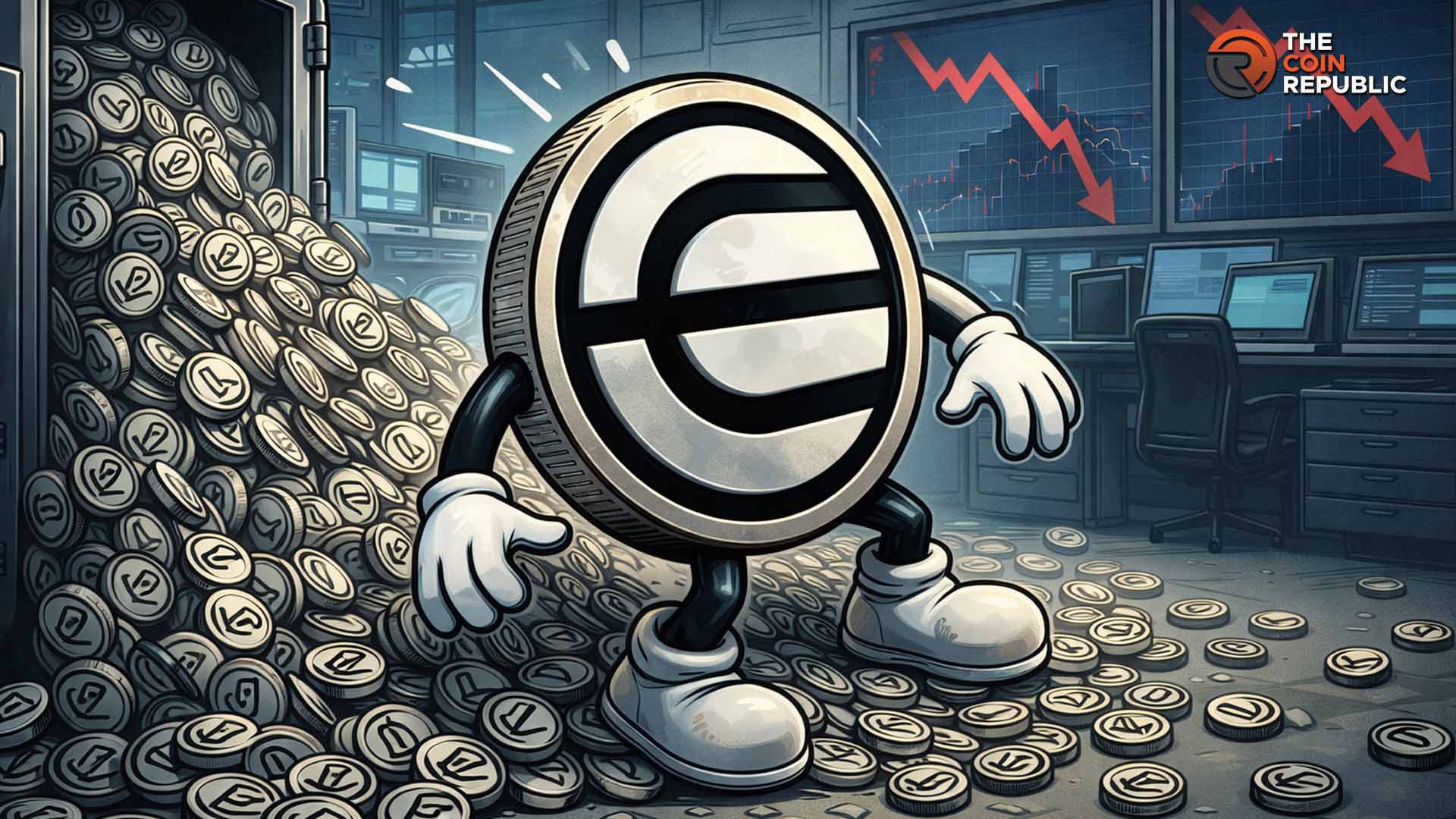
Worldcoin's reported sale of 117 million WLD tokens, valued at $38.7 million, introduces immediate selling pressure and tests key support levels. The upcoming token unlock on July 23, 2026, which will release over 50% of the total supply, poses a significant risk of further price depreciation due to increased circulating supply. Technical indicators suggest a bearish short-term outlook for WLD, with price trading below key moving averages and RSI indicating ongoing selling pressure. The combination of token sales and a large upcoming unlock suggests a bearish near-term outlook for WLD, potentially creating opportunities for short positions or a wait-and-see approach.
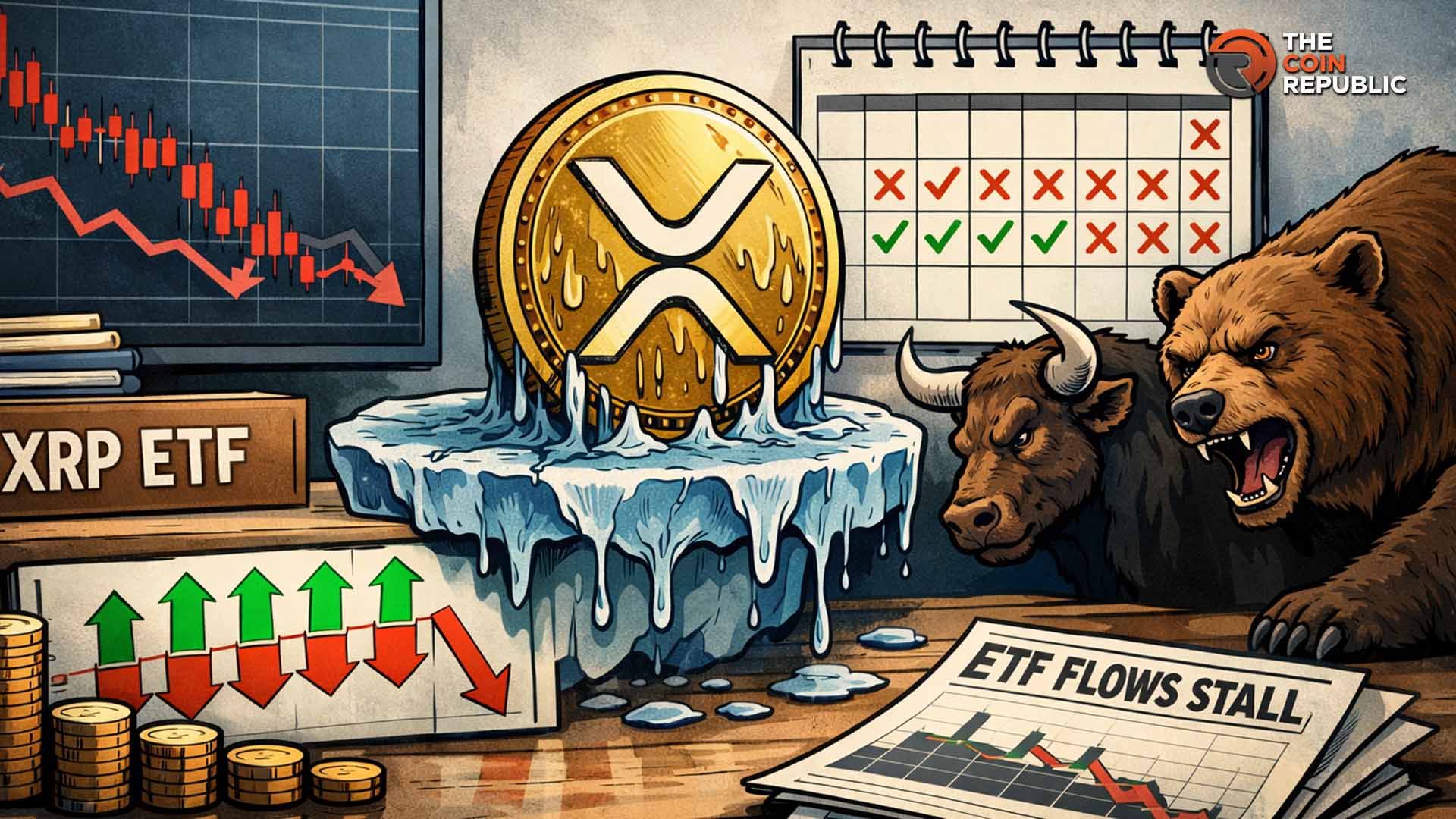
XRP ETF inflows have significantly decelerated in March, with only four positive days recorded, indicating a cooling investor appetite despite recent regulatory clarity. The Bitwise XRP ETF reported a $25.9 million loss primarily due to unrealized price declines, highlighting the sensitivity of these products to market volatility. While recent regulatory developments classifying XRP as a 'digital commodity' and potential legislative progress offer long-term optimism, current ETF performance suggests short-term caution among investors. The slowdown in XRP ETF demand, coupled with a notable unrealized loss for the Bitwise ETF, implies potential near-term price pressure on XRP as institutional interest wanes.

The Immunefi report highlights that crypto hacks trigger a prolonged 'corporate crisis' extending beyond the initial theft, with median token price declines of 61% within six months post-exploit, indicating significant long-term value destruction. While median hack sizes have decreased, the report reveals a dangerous concentration of risk, as the top five hacks accounted for 62% of total stolen funds in 2024-2025, underscoring the systemic impact of single large-scale breaches on centralized exchanges. The analysis suggests that the interconnectedness of DeFi protocols amplifies hack impact, leading to longer chains of vulnerability and demonstrating that project survival now hinges on enduring the post-hack recovery period rather than just the initial exploit.

Mark Cuban highlights that the inherent inefficiencies and reliance on undocumented 'corporate knowledge' within traditional banking systems make them highly susceptible to disruption by blockchain technology. The automated and instant reconciliation processes native to blockchain contrast sharply with the manual, labor-intensive reconciliation in legacy finance, presenting a clear technological advantage for crypto and fintech. Cuban's commentary suggests a structural vulnerability in traditional banking, implying that crypto and fintech are not just competitive but represent a fundamental technological upgrade that could displace incumbents.
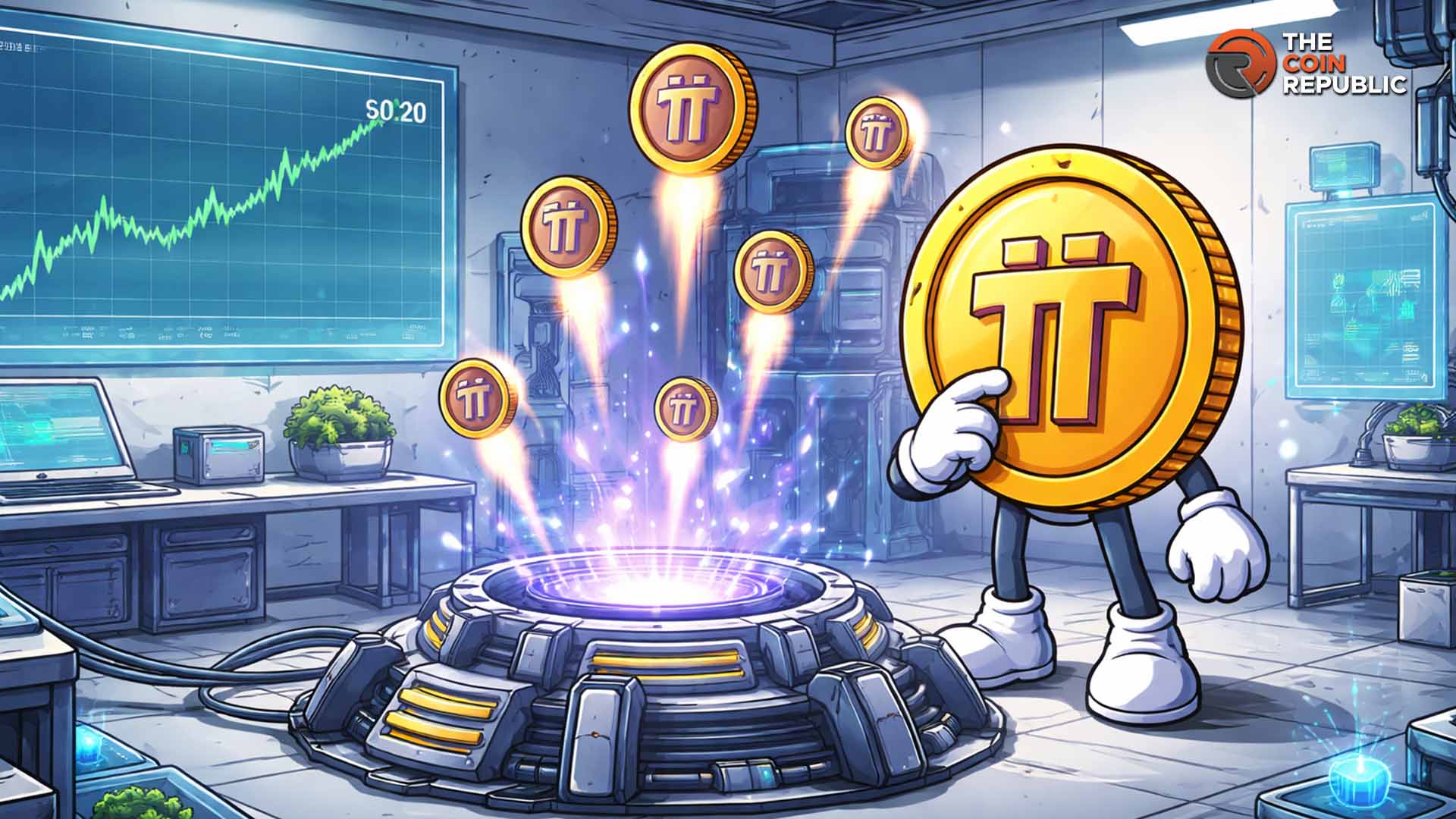
Pi Network's testnet launchpad debut introduces a utility-focused model, shifting emphasis from hype to product readiness and potentially attracting traders seeking fundamental value beyond mining narratives. The launchpad's design, prioritizing functional products and directing token launch funds into liquidity pools, aims to foster deeper market depth and mitigate risks associated with purely hype-driven token launches. The Pi coin price surge above $0.20, coupled with positive short-term indicators and anticipation of Protocol 20 and v21 upgrades, suggests renewed market interest and potential for further upside if key resistance levels are breached. The success of Pi Network's strategy hinges on its ability to leverage the launchpad to drive genuine app adoption and utility, which could solidify its ecosystem and attract sustained user engagement beyond speculative trading.
Signal context only. Validate with price action, liquidity, and risk limits before taking a position.
