
Navigating Crypto News

CoinFeather
Navigating Crypto News

Source, catalyst, and sector overlap from the latest feed.
Shiba Inu's inability to break key resistance levels and maintain bullish momentum suggests its price top for the current cycle may have already been reached, indicating limited upside potential without a significant shift in market conditions. Bitcoin's persistent trading below critical moving averages and consistent selling pressure on bounces point to a strong bearish regime, suggesting further consolidation or declines are more probable than a sustained recovery. XRP faces a potential test of the $1 psychological level due to its ongoing downtrend and reliance on a critical support trendline, with a decisive break below this line potentially accelerating declines if broader market weakness persists.
Live Feed
Loading the broader stream in the same flow as the homepage feed.

Bitcoin's divergence from gold, driven by distinct buyer bases (retail for BTC, central banks for gold), suggests differing market dynamics and potential for varied price performance based on geopolitical and economic factors. The analysis highlights Bitcoin's utility as a crisis lifeline for individuals when traditional banking fails, contrasting with gold's role as a geopolitical strategic asset for state actors, implying different risk-reward profiles for each asset. While gold has seen recent volatility and debate over its store-of-value status, contrasting expert opinions on Bitcoin's potential to outperform gold suggest ongoing market uncertainty and a need for diversified asset allocation.
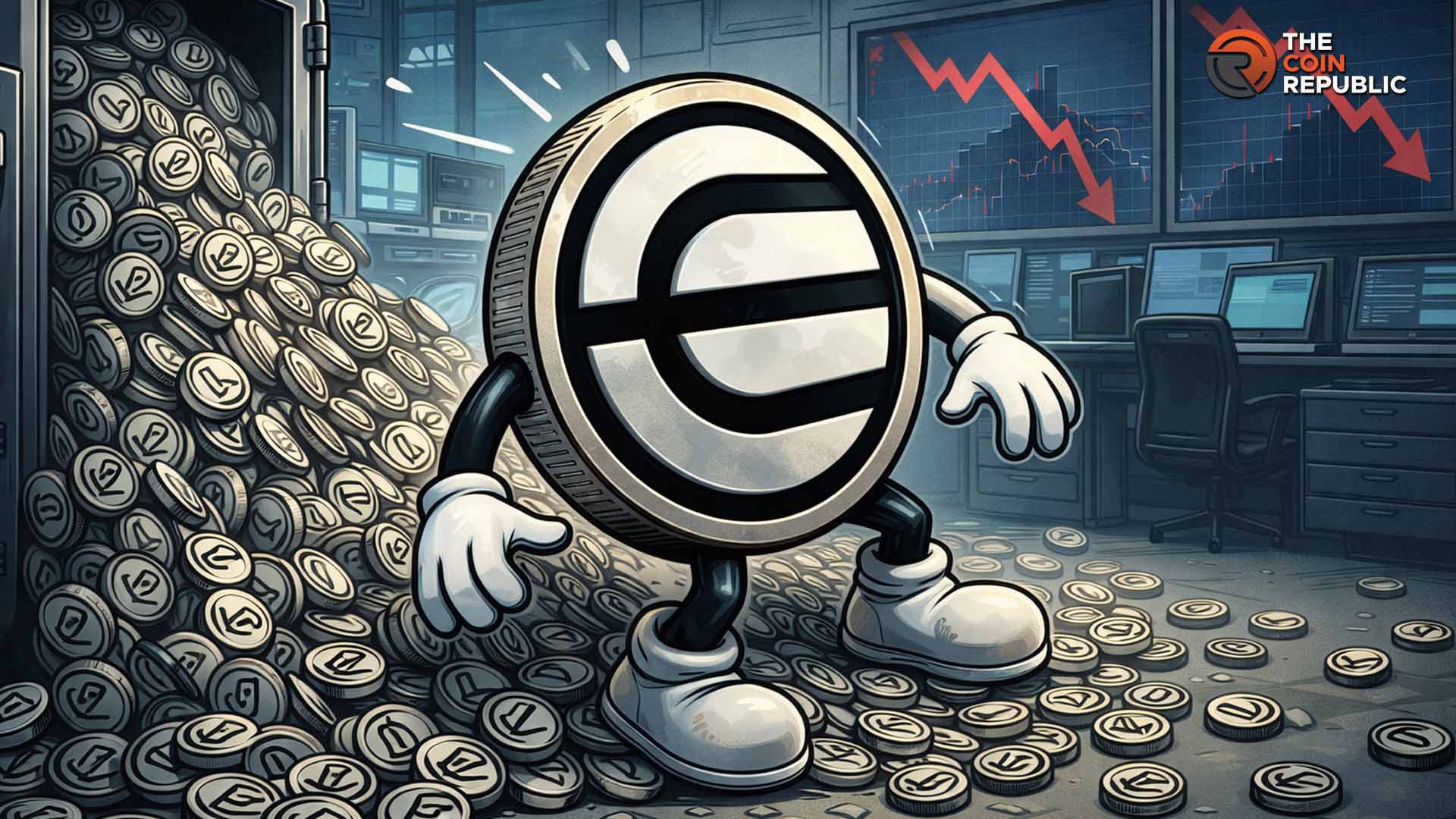
Worldcoin's reported sale of 117 million WLD tokens, valued at $38.7 million, introduces immediate selling pressure and tests key support levels. The upcoming token unlock on July 23, 2026, which will release over 50% of the total supply, poses a significant risk of further price depreciation due to increased circulating supply. Technical indicators suggest a bearish short-term outlook for WLD, with price trading below key moving averages and RSI indicating ongoing selling pressure. The combination of token sales and a large upcoming unlock suggests a bearish near-term outlook for WLD, potentially creating opportunities for short positions or a wait-and-see approach.

The Immunefi report highlights that crypto hacks trigger a prolonged 'corporate crisis' extending beyond the initial theft, with median token price declines of 61% within six months post-exploit, indicating significant long-term value destruction. While median hack sizes have decreased, the report reveals a dangerous concentration of risk, as the top five hacks accounted for 62% of total stolen funds in 2024-2025, underscoring the systemic impact of single large-scale breaches on centralized exchanges. The analysis suggests that the interconnectedness of DeFi protocols amplifies hack impact, leading to longer chains of vulnerability and demonstrating that project survival now hinges on enduring the post-hack recovery period rather than just the initial exploit.
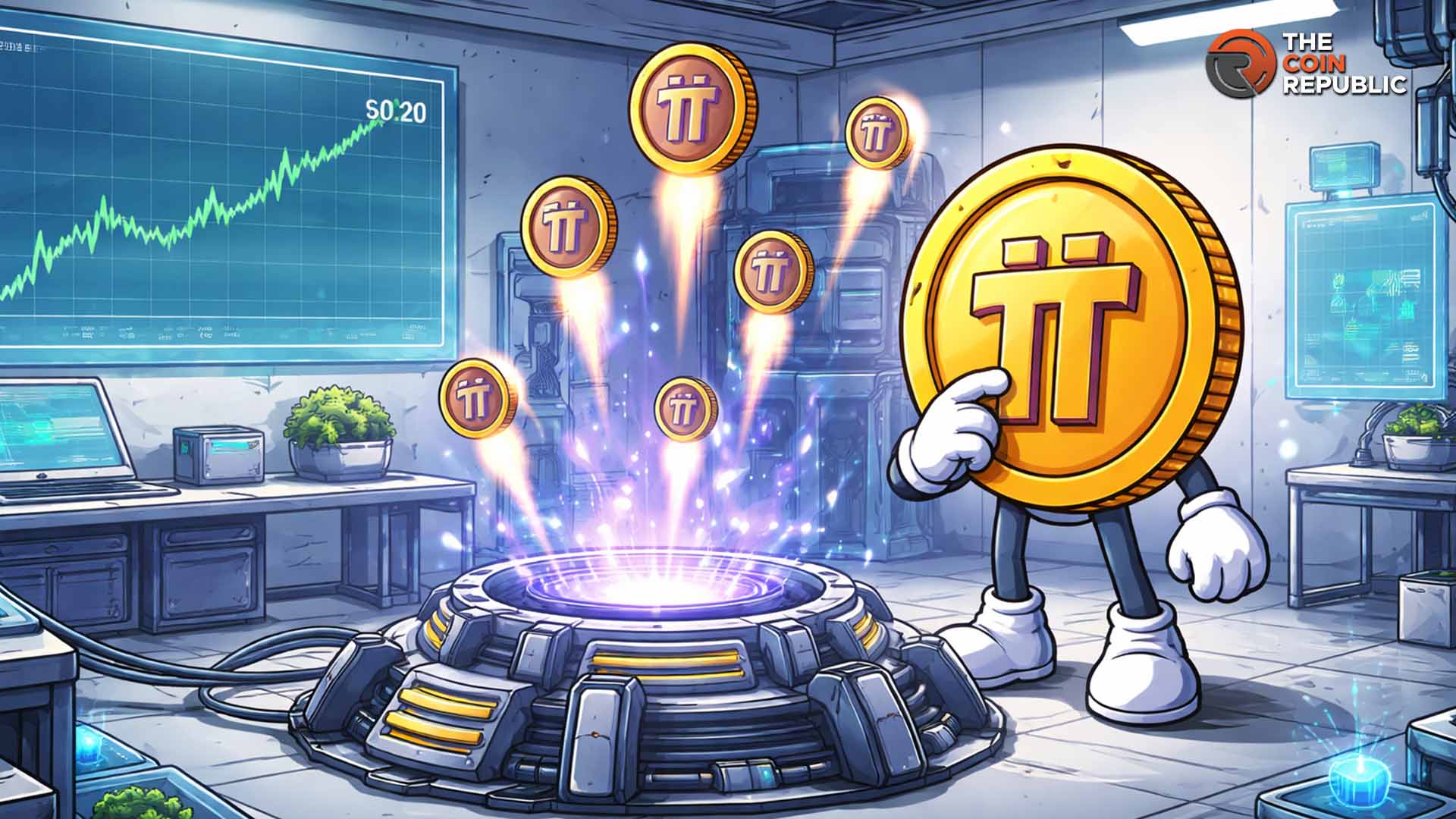
Pi Network's testnet launchpad debut introduces a utility-focused model, shifting emphasis from hype to product readiness and potentially attracting traders seeking fundamental value beyond mining narratives. The launchpad's design, prioritizing functional products and directing token launch funds into liquidity pools, aims to foster deeper market depth and mitigate risks associated with purely hype-driven token launches. The Pi coin price surge above $0.20, coupled with positive short-term indicators and anticipation of Protocol 20 and v21 upgrades, suggests renewed market interest and potential for further upside if key resistance levels are breached. The success of Pi Network's strategy hinges on its ability to leverage the launchpad to drive genuine app adoption and utility, which could solidify its ecosystem and attract sustained user engagement beyond speculative trading.
XRP's potential $1 trillion market cap hinges on two critical developments: widespread XRPL ecosystem adoption and Ripple's success in the RWA tokenization market. A thriving XRPL ecosystem with increased dApps and financial tools could drive demand for XRP as a bridge asset, enhancing its utility in cross-border payments. The RWA tokenization sector presents a multi-trillion dollar opportunity, and if XRP becomes a core settlement layer for these assets, its demand could surge significantly. Despite a bullish long-term narrative, XRP faces a substantial technical and adoption hurdle to reach a $1 trillion valuation, making the scenario a conditional, long-term prospect.

Prediction markets face a critical design flaw where contracts can incentivize users to manipulate outcomes rather than predict them, potentially undermining credibility and deterring institutional capital. The article argues that platforms must proactively exclude markets with easily influenceable outcomes to maintain long-term trust, as regulatory bodies are likely to impose external standards if platforms fail to self-regulate. The core issue is not market volatility but the inherent design that can turn prediction markets into tools for profiting from interference, especially in thinly traded political or event-based contracts.
Ethereum has experienced a significant liquidation of leveraged long positions, which may reduce bullish overcrowding but does not confirm a trend reversal due to a weak technical structure. While the market focus shifts to potential short liquidations, Ethereum's chart indicates a fragile rebound attempt within a broader downtrend, with key resistance zones capping upside potential. Traders should maintain caution as Ethereum faces significant resistance levels, suggesting that the current price action is more of a technical test for buyers rather than a confirmed bullish breakout.

Anthony Scaramucci suggests Bitcoin's four-year cycle is still relevant, predicting a price rise in Q4 2026 despite current market conditions. The influence of institutional investors and ETF inflows has muted Bitcoin's traditional cycles, but Scaramucci believes self-fulfilling prophecy will drive future price action. Geopolitical turmoil and a strong correlation with the S&P 500 pose downside risks, with some analysts forecasting a potential 50% drop in BTC price if these trends persist. Market sentiment has shifted from widespread expectation of a 2025 bull run to concerns about a potential bear market, highlighting the unpredictable nature of crypto price movements.
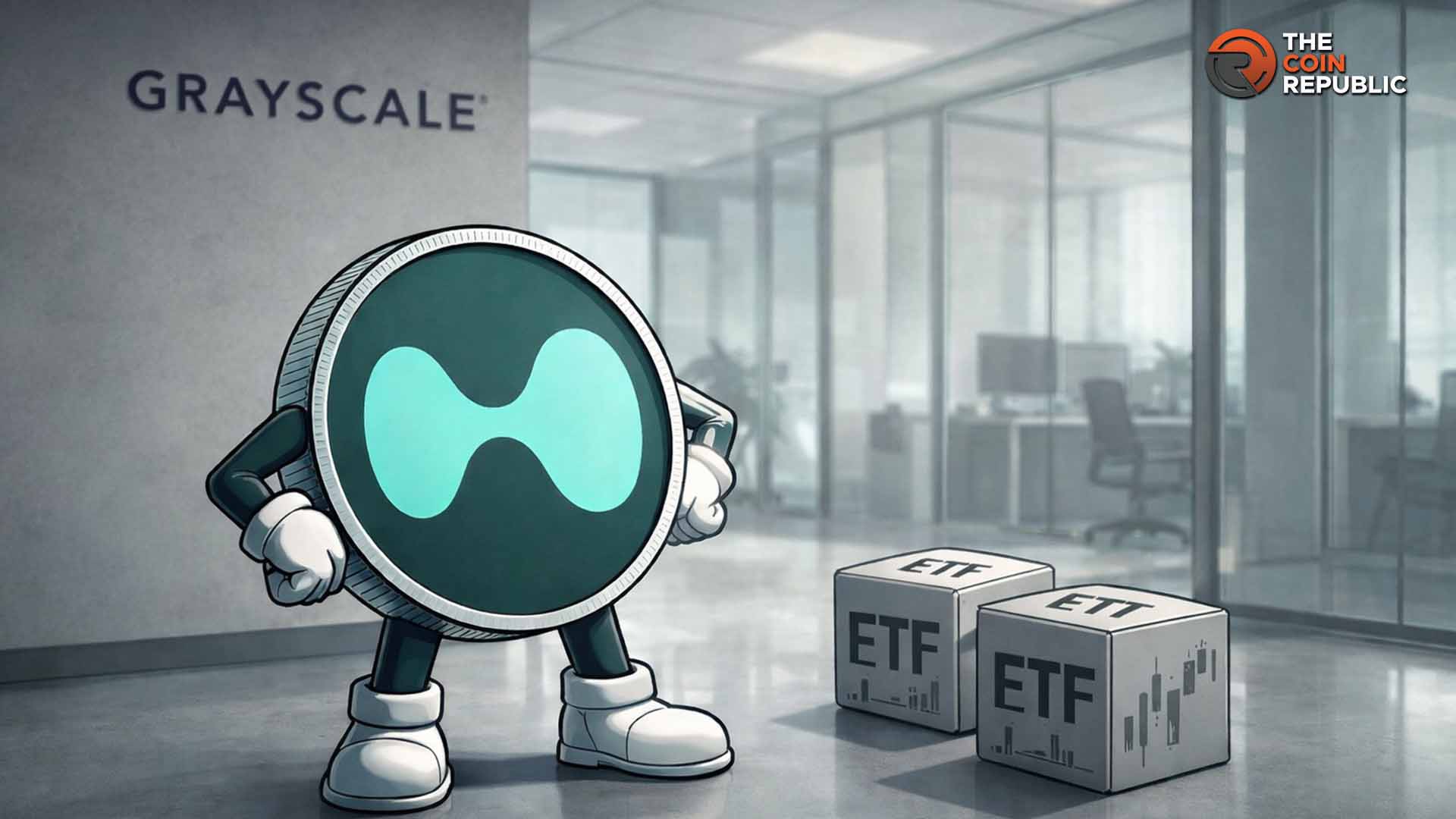
Grayscale's ETF filing for Hyperliquid (HYPE) signals institutional interest expanding beyond spot BTC/ETH to derivatives-focused protocols. The filing places Grayscale in direct competition with Bitwise and 21Shares for Hyperliquid-based ETF products, intensifying the race for new crypto investment vehicles. Hyperliquid's sustained high trading volumes and expansion into RWA markets provide a fundamental basis for Grayscale's thesis on broader institutional demand. While staking integration is considered, regulatory uncertainty in the US may delay its inclusion in the ETF, focusing initial offerings on token price tracking.

Bitcoin's price dip below $69,000 and approach to the 200-week EMA suggests continued bearish sentiment, with some analysts targeting $50,000. Despite the overall bearish trend, a daily chart golden cross offers a potential short-term bullish signal, though its durability remains uncertain. Over $400 million in crypto liquidations occurred as Bitcoin experienced a weekend price drop, indicating significant volatility and forced deleveraging.
Signal context only. Validate with price action, liquidity, and risk limits before taking a position.
Quick market read from this story
The SEC's classification of Shiba Inu (SHIB) as a digital commodity, not a security, removes a significant regulatory overhang for meme tokens and could encourage broader adoption and investment in the sector.
Ripple's co-founder Chris Larsen's substantial XRP injection into Evernorth, alongside SBI Holdings' significant investment, signals strong institutional backing and a strategic push to build an XRP-centric financial ecosystem valued over $1 billion.
The Federal Reserve's decision to hold interest rates steady, coupled with a signal of fewer rate cuts than anticipated, suggests a prolonged period of higher capital costs, which could temper risk-on asset appetite, including Bitcoin.
XRP's price action shows a gradually rising support line near $1.53, indicating buyer attempts to stabilize the price, but overall market uncertainty persists, suggesting a cautious outlook for the asset.
Deep Dive
Institutional investment in the XRP ecosystem is reaching new heights, with SBI Holdings investing significantly in Evernorth (XRPN), a Nasdaq-listed entity aiming to build a $1 billion XRP-based financial structure. This development comes as regulatory clarity emerges for other major cryptocurrencies like Shiba Inu (SHIB), and Bitcoin reacts to the U.S. Federal Reserve's latest interest rate decision.
New SEC S-4 filings reveal that Japanese financial giant SBI Holdings has invested heavily in Evernorth (XRPN), a company targeting a Nasdaq listing. SBI Holdings paid $10 per share for its stake, significantly more than Arrington Capital's initial acquisition price of $0.33 per share for the original SPAC. This substantial investment positions Evernorth as an institutional
Mark Cuban highlights that the inherent inefficiencies and reliance on undocumented 'corporate knowledge' within traditional banking systems make them highly susceptible to disruption by blockchain technology. The automated and instant reconciliation processes native to blockchain contrast sharply with the manual, labor-intensive reconciliation in legacy finance, presenting a clear technological advantage for crypto and fintech. Cuban's commentary suggests a structural vulnerability in traditional banking, implying that crypto and fintech are not just competitive but represent a fundamental technological upgrade that could displace incumbents.
