
Navigating Crypto News

CoinFeather
Navigating Crypto News

Quick market read from this story
Galaxy Digital reported a cybersecurity incident affecting an isolated R&D workspace, but confirmed no client funds or data were compromised, mitigating immediate market impact.
The incident, while immaterial in financial terms (<$10,000), highlights the persistent security risks within the crypto industry and the importance of robust isolation for development environments.
Despite the breach, Galaxy Digital's core operations and client services remain unaffected, suggesting operational resilience and a contained security event.
Deep Dive
Galaxy Digital, the digital asset financial services firm founded by Mike Novogratz, has reported a cybersecurity incident involving unauthorized access to an isolated research and development workspace. The firm stated that an immaterial amount of company funds used for testing within this segregated environment was impacted, with the loss estimated to be less than $10,000.
The company spokesperson emphasized that the affected environment was exclusively used for research and development and was not connected to core infrastructure, production systems, trading platforms, or client accounts. Galaxy detected the intrusion, took swift action to contain it, secured the compromised workspace, and implemented additional precautionary measures across its on-chain infrastructure. Crucially, the firm confirmed that no client funds or client account information were accessed or at risk based on their review, and all platforms and services remain fully operational and secure for clients.
The incident highlights the persistent risks of hacks and exploits within the crypto industry, where billions of dollars are lost annually due to smart contract exploits, phishing schemes, and infrastructure breaches. Galaxy Digital operates as a diversified financial services and investment firm focused on the digital asset and blockchain sector, offering institutional clients services such as trading, asset management, lending, advisory, and custody. The firm's business lines include global markets, asset management, digital infrastructure, crypto mining, staking, and data center operations, positioning itself as a bridge between traditional finance and the crypto space.
Galaxy Digital is continuing its review of the incident and plans to provide further updates as appropriate.
Source, catalyst, and sector overlap from the latest feed.
Solana DeFi platform Drift is investigating "unusual activity," prompting a halt in deposits and raising concerns of a potential exploit. The situation at Drift, a key DeFi protocol on Solana, could negatively impact user confidence and put pressure on the Solana DeFi ecosystem if an exploit is confirmed. Traders should monitor Drift's official communications for updates, as a confirmed exploit would likely lead to negative price action for related assets and potentially broader Solana ecosystem tokens.
The convergence of TradFi and crypto necessitates a fundamental shift in AML risk assessment, moving from static identity-based models to dynamic, on-chain activity monitoring. Hybrid blockchain governance models are emerging as the preferred solution for institutional adoption, balancing public verifiability with predictable control and regulatory integration. The increasing complexity of crypto financial crime, including chain-hopping and mixers, requires specialized blockchain intelligence and forensic capabilities beyond traditional AML frameworks. Effective governance and crisis anticipation are becoming critical differentiators for blockchain networks, potentially outweighing raw throughput or token count for long-term endurance.
Google's research suggests quantum computers could break Bitcoin's cryptography with fewer qubits than previously estimated, potentially accelerating the timeline for quantum threats and highlighting the urgency for post-quantum cryptography adoption. The crypto industry is seeing diverging strategies for quantum-resistant development across major ecosystems like Bitcoin and Ethereum, indicating a potential fragmentation in security approaches and a need for clear communication on migration roadmaps. Base's 2026 roadmap, focusing on tokenized markets and stablecoins, signals a strategic shift towards institutional adoption and real-world asset integration within the Ethereum L2 ecosystem, potentially driving new use cases and demand. Australia's new comprehensive digital asset licensing framework targets exchanges and custodians, aiming to enhance investor protection and reduce risks, which could set a precedent for other jurisdictions and influence operational standards in the region.
Major financial institutions like JPMorgan and Goldman Sachs are exploring entry into the prediction markets, signaling a significant trend towards institutional adoption of decentralized finance and novel market structures. The increasing interest from traditional finance in prediction markets, alongside growth from crypto-native firms like Coinbase and Robinhood, indicates a maturing and expanding market segment with potential for increased liquidity and user access. Regulatory clarity from bodies like the CFTC is a key factor for the future growth of prediction markets, with major banks likely to proceed cautiously until a more defined legal framework is established. The competition between blockchain-based platforms like Polymarket and traditional exchanges like Kalshi highlights divergent technological approaches within the prediction market space, offering varied opportunities for different market participants.
Cango is actively raising capital through a $10 million convertible note and a $65 million insider round to address its precarious financial situation and potential NYSE delisting. The company's pivot towards AI and computing infrastructure, alongside its ongoing efforts to regain NYSE compliance, signals a strategic shift to diversify revenue beyond bitcoin mining. Despite recent capital raises, Cango's share price remains significantly below the $1 threshold, indicating ongoing market pressure and a challenging path to compliance.
Drift Protocol has warned users to pause deposits due to unusual trading activity, potentially indicating a significant exploit of the DEX. The incident, possibly a $200 million exploit stemming from a private key leak, directly impacts user funds and confidence in the Drift platform. The compromised private key suggests a critical security failure, necessitating immediate user caution and potentially leading to broader market concerns about DEX security.
The $4.1 million Shibarium bridge exploit highlights significant security risks in cross-chain infrastructure, potentially impacting investor confidence in Layer 2 solutions. Despite the exploit, substantial SHIB token withdrawals from exchanges suggest underlying accumulation by whales, signaling potential easing of sell pressure and a possible recovery. The promotion of Pepeto's presale, emphasizing its "verified contract safety" and upcoming Binance listing, positions it as a potential alternative for investors seeking perceived security and early-stage growth opportunities, drawing parallels to early SHIB investment narratives. The article frames the Pepeto presale as a "second chance" for investors who missed early SHIB gains, leveraging the narrative of past meme coin success to drive interest in a new token launch.
March 2026 saw a significant increase in crypto hacks, with losses doubling to $52 million, indicating a heightened risk environment for digital assets and associated platforms. The ResolvLabs $USR hack, resulting from an AWS KMS breach and an 'infinite mint' exploit, highlights critical vulnerabilities in infrastructure and token generation mechanisms, impacting interconnected DeFi protocols like MorphoBlue, Euler, and Fluid. The diversification of attack vectors, including social engineering leading to significant losses for a Kraken whale, underscores the need for enhanced security measures across all facets of the crypto ecosystem, from smart contracts to user protection.
The shift towards social engineering as the primary attack vector, highlighted by the Kraken user's $18.2M loss, indicates a growing need for enhanced user education and personal security measures over protocol-level defenses. With wallet compromises and phishing accounting for over 80% of March's losses, the crypto market faces persistent threats to individual holdings, underscoring the importance of robust security practices for users and exchanges. Despite a significant year-on-year drop in Q1 losses, the underlying trend of substantial financial damage from exploits and scams suggests ongoing systemic risks within the DeFi and broader crypto ecosystem. The repeated use of THORChain as a laundering route for stolen funds points to the challenges in tracing and recovering assets in a permissionless cross-chain environment, impacting overall market confidence.
SpaceX's confidential IPO filing, targeting a valuation exceeding $1.75 trillion, signals a significant potential influx of traditional capital into a company with deep ties to AI and space exploration. The potential $75 billion IPO could set a new record, indicating strong investor appetite for high-growth, technology-focused companies, and may influence future valuations of similar ventures. With a projected June launch, SpaceX aims to precede other major AI IPOs, potentially capturing market attention and capital before competitors like OpenAI and Anthropic. The IPO's stated goal of funding Starship development, space-based AI data centers, and a lunar base highlights the capital-intensive nature of advanced space technology and AI infrastructure.
SpaceX's confidential IPO filing targeting over $1.75 trillion valuation signals significant institutional interest in the aerospace and AI sectors, potentially drawing capital away from traditional tech listings. The planned Nasdaq listing and potential inclusion in major index benchmarks could drive substantial inflows into SpaceX stock, impacting broader market liquidity for growth-oriented assets. The integration with xAI and the substantial revenue/EBITDA figures reported suggest a strong fundamental narrative for SpaceX, positioning it as a major player beyond just launch services. With a target debut in 2026 and a large syndicate of 21 banks, the IPO preparation indicates a well-orchestrated event that, while not directly impacting crypto markets, reflects a broader trend of large-scale capital raising.
Intel's strategic buyback of a 49% stake in its Irish Fab 34 facility for $14.2 billion signals renewed confidence in its AI and CPU growth strategy, potentially boosting EPS and strengthening its credit profile. The market reaction, with a 10% surge in Intel stock, reflects investor optimism regarding the company's ability to capitalize on the increasing demand for CPUs in the AI era, where they play a critical role beyond GPUs. While the buyback and strategic positioning in AI are positive, Intel faces ongoing challenges with intense competition and the need for consistent execution to fully realize its turnaround.
Naoris Protocol's launch of a post-quantum layer-1 blockchain addresses a significant future threat to existing cryptographic standards, potentially positioning it as a key infrastructure provider in a quantum-resistant future. The timing of this launch, coupled with recent research highlighting the reduced resource requirements for quantum computers to break current encryption, increases the urgency for quantum-resistant solutions in the blockchain space. While the mainnet is currently invite-only, the project's focus on post-quantum cryptography and its integration of NIST standards signals a proactive approach to long-term security, which could attract institutional interest as quantum threats materialize. The development of post-quantum cryptography in blockchains, exemplified by Naoris and ongoing efforts in ecosystems like Solana and Ethereum, indicates a growing trend towards future-proofing network security against advanced computational threats.
Ripple's introduction of an on-chain treasury system integrates fiat, XRP, and RLUSD into a single corporate dashboard, potentially increasing XRP utility beyond a bridge asset and driving institutional adoption. The launch of Ripple Treasury, a product of the Ripple-GTreasury partnership, signifies a move towards unifying traditional finance and digital assets for corporate treasury management, enhancing efficiency and compliance. By enabling corporations to manage digital assets directly within their existing dashboards, Ripple Treasury streamlines cross-border payments and yield strategies, potentially impacting traditional payment systems and treasury operations.
Live Feed
Loading the broader stream in the same flow as the homepage feed.
XRP is consolidating within a falling wedge pattern, suggesting potential for a bullish breakout towards the $1.47-$1.49 resistance zone if current momentum holds. Significant institutional inflows of $15.8 million into XRP last week, while Bitcoin and Ethereum experienced outflows, indicate growing confidence and a potential rotation into XRP. The convergence of technical patterns like the falling wedge and ascending triangle, coupled with positive institutional sentiment, positions XRP for a potential near-term price surge and sustained market attention. Analysts are projecting ambitious long-term targets for XRP, with some suggesting potential surges to $3.32, $27.17, or even $48.12, driven by adoption trends in cross-border payments.
XRP is experiencing significant institutional inflows ($15.8M weekly) while Bitcoin and Ethereum face substantial outflows, indicating a potential rotation of capital within the crypto market. This capital shift suggests a growing institutional interest in XRP, driven by its utility in cross-border payments and a strong narrative, potentially positioning it for gains during an emerging altcoin season. Despite routine token unlocks from escrow, XRP's sustained AUM and year-to-date inflows, coupled with the broader market rotation, present a bullish short-to-medium term outlook for the asset.

Avalanche founder Emin Gün Sirer's April Fools' joke targeting Ripple's banking adoption has sparked community debate, highlighting the ongoing narrative competition between Layer 1 blockchains for institutional relevance. While the comment was a joke, it underscores the importance of enterprise partnerships for L1s like Avalanche and Ripple, with both projects having documented engagements with major financial institutions. The community's strong reaction and counter-arguments regarding market cap and utility suggest that such public statements, even if lighthearted, can influence perception and create trading narratives around competing ecosystems.

Aptos exhibits early signs of a bullish structural shift with higher lows and attempts to reclaim key Fibonacci levels, suggesting potential for a near-term upward move if resistance at $1.08-$1.25 is overcome. Sui and Filecoin are currently in consolidation phases with weak momentum indicators and lack of clear bullish signals, indicating they are less likely to see significant upside compared to Aptos in the immediate term. The comparative analysis suggests Aptos is the strongest of the three altcoins discussed, presenting a potential watchlist candidate for traders anticipating a breakout, while Sui and Filecoin remain conditional plays.

The DOJ's indictment of ten foreign nationals for coordinated crypto market manipulation, including wash trading and pump-and-dump schemes, signals an escalating global crackdown on fraudulent activities within the digital asset space. The use of an undercover operation with a fake crypto token by the FBI and IRS-CI demonstrates a sophisticated investigative approach, increasing the risk for bad actors and potentially deterring future market manipulation. Regulatory bodies like the SEC and CFTC are actively working to clarify crypto asset classifications and coordinate rulemaking, indicating a move towards a more structured regulatory framework that could impact how market manipulation is policed. The prosecution of firms offering 'market-manipulation-as-a-service' highlights the increasing focus on the infrastructure of crypto fraud, suggesting that entities facilitating such schemes will face significant legal repercussions.
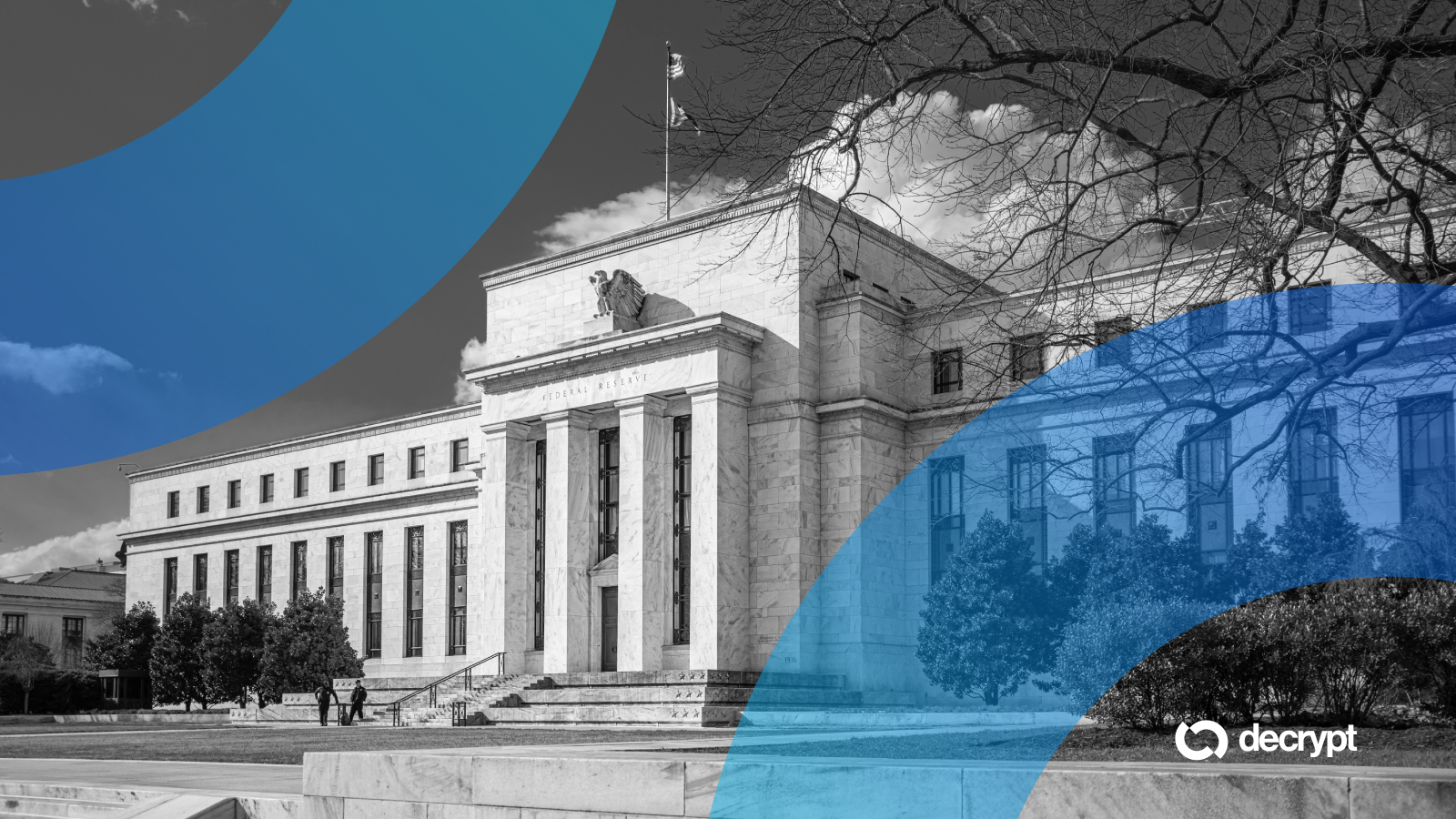
Federal Reserve Governor Michael Barr's call for enhanced AML controls on stablecoins signals increased regulatory scrutiny, potentially impacting their accessibility and adoption. The focus on secondary market accessibility for stablecoins highlights a key regulatory concern for illicit finance, suggesting potential technological or procedural interventions. While the article discusses potential regulatory actions, the immediate impact on stablecoin pricing is likely limited, warranting a 'WATCHLIST' approach for traders.
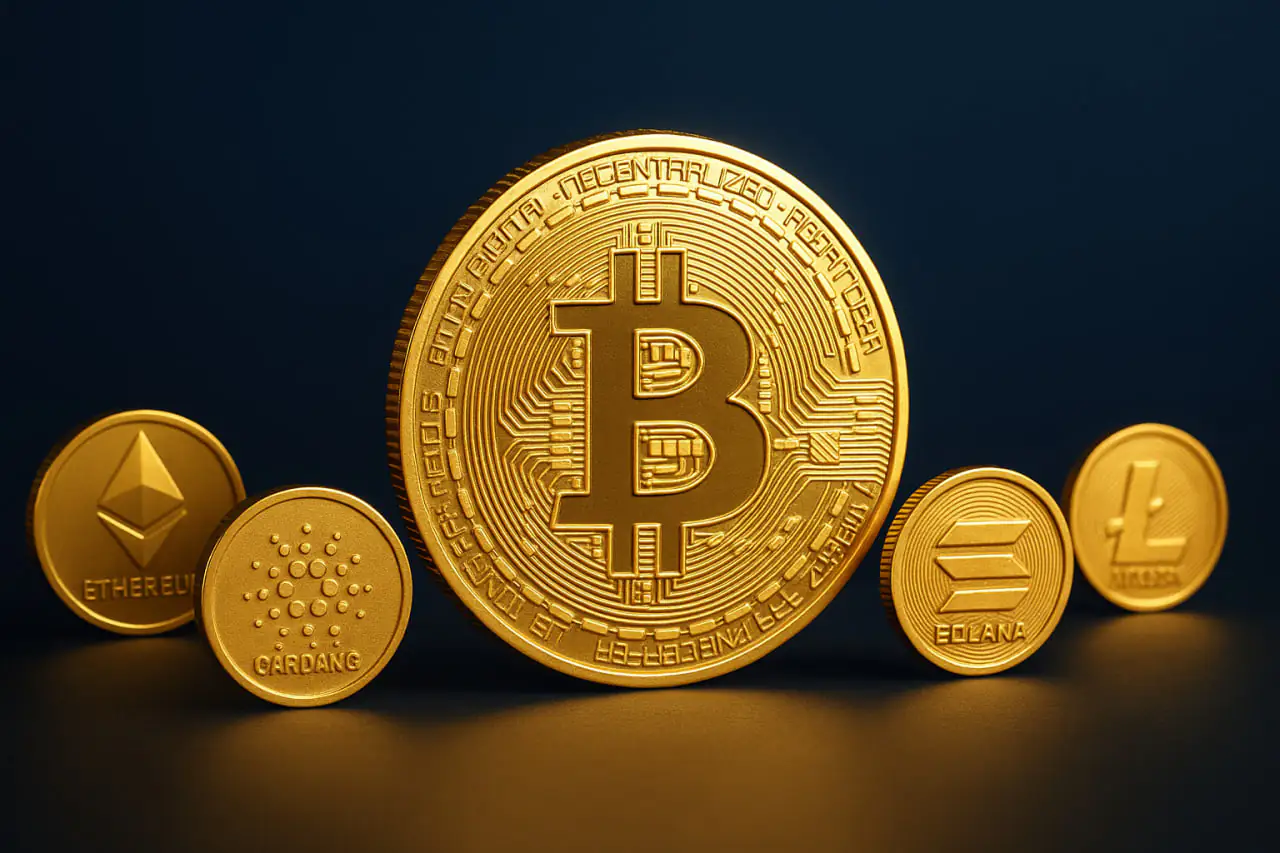
Geopolitical de-escalation in the Strait of Hormuz could reduce macro uncertainty, potentially favoring risk-on assets like Bitcoin and Ethereum. The significant drop in ETH exchange supply to an all-time low of 11% suggests strong accumulation, potentially reducing selling pressure. Bitcoin's transaction fees hitting six-year lows indicates subdued network demand, historically preceding periods of heightened volatility. Franklin Templeton's launch of a dedicated crypto division with substantial AUM signals growing institutional commitment to digital assets.

The CFTC's explicit warning on insider trading in prediction markets signals increased regulatory scrutiny, potentially impacting platforms and traders engaging in high-value trades ahead of events. The classification of event contracts as swaps by the CFTC brings prediction markets under existing derivatives regulations, suggesting a move towards stricter oversight and enforcement. Legislative proposals like the Public Integrity in Financial Prediction Markets Act and the PREDICT Act indicate a growing political will to address insider trading risks in these markets. While platforms like Kalshi and Polymarket are implementing internal compliance, the CFTC's proactive stance suggests a focus on enforcement actions for clear misuse of non-public information.

Nakamoto's sale of BTC at a loss, coupled with Metaplanet share sales, signals potential distress within the digital asset treasury (DAT) sector, raising concerns of broader contagion. Analyst Nic Puckrin forecasts continued Bitcoin weakness, projecting a potential drop to $55,700-$58,200, which could intensify pressure on DATs and trigger further forced selling. While MARA also sold BTC, its stated reason was debt repurchase, not a fundamental shift in treasury strategy, suggesting varying motivations among crypto treasury companies.
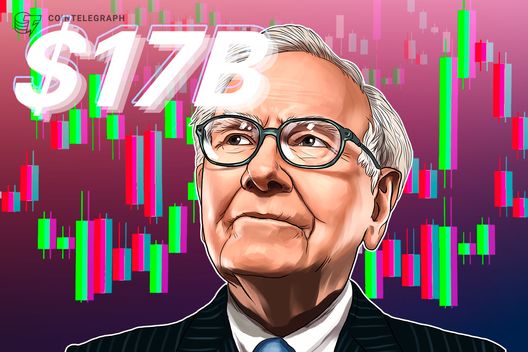
Warren Buffett's significant increase in cash reserves and purchase of US T-bills signals a risk-off sentiment, potentially pressuring risk assets like Bitcoin due to its correlation with traditional markets. Historical patterns suggest Buffett's accumulation of cash precedes major stock market downturns, implying a bearish outlook for equities and, by extension, Bitcoin in the near to medium term. The article highlights Bitcoin's increasing correlation with the Nasdaq, suggesting that a potential stock market correction, as signaled by Buffett's actions, could lead to a significant price decline for BTC.

Bitcoin faces a critical test at the $70,000 resistance zone, where a large supply overhang from recent buyers is expected to be absorbed by renewed demand, influenced by upcoming U.S. payroll data. Improved macro conditions, including easing geopolitical tensions, a softer dollar, and lower yields, provide a supportive backdrop for Bitcoin, but internal market structure requires validation through increased demand to break through overhead supply. The derivatives market shows neutral funding and compressed volatility, indicating reduced leverage and a lack of strong directional conviction, suggesting conditions are ripe for a significant move once a clear catalyst emerges. U.S. ETF flows are showing positive signs, but not yet at a scale to overcome the immediate $70,000 resistance, highlighting that while external factors are improving, internal demand must prove sufficient to absorb selling pressure.
XRP is showing technical indicators suggesting a bottom near $1.35, coupled with an ascending triangle pattern, which analysts believe could lead to a short-term price surge to $3.32. The broader altcoin season narrative, supported by a rising market cap and historical patterns, combined with XRP's increasing real-world utility via Bitget Wallet integration and RLUSD, suggests potential for significant long-term upside targets. The convergence of technical analysis, a favorable altcoin market cycle, and expanding utility positions XRP as a key asset to watch, potentially driving broader market growth if trends persist.
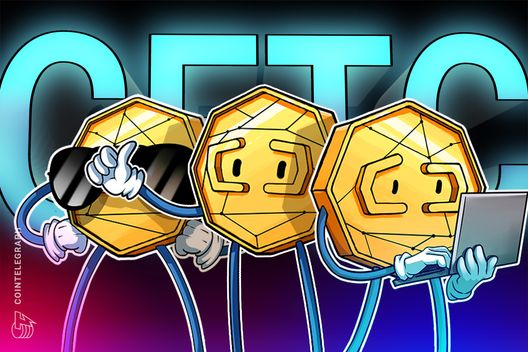
CFTC Chair Michael Selig's statement indicates the agency is prepared to regulate the entire crypto market, suggesting a potential shift towards greater regulatory oversight without immediate legislative action. The CFTC's stance on prediction markets as 'swaps' rather than 'gaming' could lead to increased enforcement actions and regulatory clarity in this niche, impacting platforms like Kalshi and Polymarket. Despite the CFTC's readiness, the stalled market structure bill highlights ongoing legislative hurdles, implying that comprehensive regulatory clarity for the crypto industry may still be some time away.
Signal context only. Validate with price action, liquidity, and risk limits before taking a position.
