
Navigating Crypto News

CoinFeather
Navigating Crypto News

Quick market read from this story
The article positions Ethereum, Bitcoin, and Solana as market leaders for the next cycle, but highlights Pepeto's presale as a potential high-upside opportunity due to its infrastructure products and experienced founder.
Pepeto's development of dedicated infrastructure (Swap, Bridge, Exchange) for the $45 billion meme coin economy, coupled with a SolidProof audit and token burns, suggests a focus on utility within a speculative sector.
The mention of a PEPE cofounder directing operations and a previous successful venture implies a narrative of experienced leadership aiming to replicate past success, potentially attracting speculative capital.
With exchange listings approaching and a presale price of $0.000000186, the scarcity narrative is being emphasized to drive demand, positioning it as a potential early-stage opportunity before broader market access.
Deep Dive
As the cryptocurrency market anticipates a potential new super cycle, investor focus is shifting towards assets demonstrating strong adoption, clear use cases, and robust market structures, moving beyond hype alone. While Bitcoin, Ethereum, and Solana are key players, a new Ethereum-based project, Pepeto, is gaining attention for its infrastructure development targeting the meme coin economy.
Bitcoin is trading around $74,234, showing conviction from long-term holders. Analysts suggest that a return of ETF inflows could push its price towards $100,000, with some long-term projections reaching as high as $400,000. Despite its significant market cap, reaching $100,000 represents a modest 1.3x increase from current levels. Similarly, the Ethereum price prediction indicates steady appreciation rather than explosive growth.
Solana, trading near $94.42, is experiencing strong demand from both retail and institutional investors, with whale activity suggesting confidence in future price increases. The upcoming Alpenglow upgrade is expected to significantly reduce transaction times. Sui, currently at $1.02, has seen a surge in demand for scalable layer-one solutions. Both networks are characterized by speed, ongoing upgrades, and increasing adoption, though their substantial market caps mean their early-stage explosive growth phases are likely behind them.
Pepeto, an Ethereum-based project, is building momentum by developing dedicated infrastructure for the $45 billion meme coin economy. Its upcoming products include PepetoSwap, Pepeto Bridge, and Pepeto Exchange. The project has undergone a SolidProof audit, burned over 4 billion tokens, and offers a 196% APY staking reward. Notably, the co-founder of PEPE, who was instrumental in a project that generated billions, is leading Pepeto's development.
Pepeto has raised $8.1 million during a cautious market, attracting thousands of wallets. The project aims to address a market with no existing infrastructure, backed by a founder with a proven track record. The presale is currently priced at $0.000000186 and is set to close upon exchange listings, a move expected to create scarcity and drive significant trading volume. Analysts view Pepeto as a standout opportunity, particularly for investors seeking sharper upside potential compared to larger-cap cryptocurrencies.
Source, catalyst, and sector overlap from the latest feed.
Cardano's integration with LayerZero marks its largest interoperability rollout, fundamentally shifting its position from a siloed ecosystem to a connected player within the broader crypto landscape. The LayerZero OFT standard enables over 700 existing tokens to deploy on Cardano and grants access to over $90 billion in cross-chain liquidity, addressing historical compatibility challenges with EVM chains. While the infrastructure is now in place, actual growth hinges on adoption by token issuers, developers, and users, as past integrations have shown mixed results despite increased accessibility. This development structurally addresses a key limitation for Cardano, positioning it to compete more effectively in the multi-chain environment, though its success will depend on execution and user migration.
Hyperliquid's HIP-3 derivatives market has achieved a new milestone with open interest exceeding $1.43 billion, indicating robust demand for decentralized perpetual futures trading. The significant trading volume in WTI crude oil contracts, surpassing Ethereum and nearing Bitcoin, highlights a growing trend of non-crypto asset trading on decentralized platforms. The shift towards tokenized real-world assets (RWAs) like S&P 500 and precious metals dominating Hyperliquid's active markets suggests a broader diversification of trading interests beyond traditional crypto pairs.
Algorand's price is consolidating near a key support zone, indicating potential accumulation and a possible shift from its downtrend if a breakout above $0.105 occurs. Long-term price predictions for ALGO suggest significant upside potential, with forecasts reaching $1.35 by 2026 and $5.65 by 2030, contingent on broader market recovery and ecosystem growth. The article presents a speculative price forecast rather than reporting on a specific market event, suggesting a neutral stance on immediate trading action.
The ASTER mainnet launch is a significant catalyst, shifting focus from speculation to execution and potentially driving demand for its L1 derivatives-focused blockchain. Despite the mainnet launch, ASTER price is consolidating below key resistance at $0.74-$0.76, indicating that the market has not yet fully priced in the development, with a breakout above $0.81 needed to target $1. Technical indicators like RSI and CMF suggest potential for an upside breakout, with buyers accumulating on dips, but confirmation above resistance is crucial for sustained upward momentum.
Polygon's role as an Ethereum scaling solution is highlighted, with forecasts suggesting significant growth potential driven by increasing demand for faster and cheaper blockchain infrastructure. On-chain analysis indicates a recovery signal with rising Daily Active Addresses and accumulation by 'whale' addresses, suggesting fundamental strength and potential for price appreciation. Long-term price predictions for MATIC range from $0.75 by 2026 to potentially $4.94 by 2030, contingent on sustained adoption and development within the Polygon ecosystem.
The integration of AI agents into commerce, handling on-chain contracts and payments, signals a potential shift towards durable transactional growth and increased network usage for the crypto market. Stablecoins like USDC are positioned to benefit significantly as they are expected to become the native currency for machine-to-machine commerce, with circulation already showing substantial year-over-year growth. The development of AI-driven commerce could represent a fundamental catalyst for crypto prices, moving beyond speculative hype towards genuine utility and structural demand for on-chain assets. Significant challenges remain regarding trust, security, and regulatory clarity for AI agents executing on-chain transactions, which could temper adoption and introduce new risks.
PayPal's expansion of its PYUSD stablecoin to 68 additional countries significantly broadens its utility for international remittances and payments, potentially driving adoption by offering cheaper, faster transactions and interest-like rewards. The integration of a 4% annual reward on PYUSD balances globally transforms user wallets into interest-bearing accounts, incentivizing long-term holding and increasing platform engagement, which could boost PYUSD's circulating supply. This strategic move by PayPal positions it as a major player in the digital payments and stablecoin space, directly challenging existing remittance services and potentially increasing institutional interest in stablecoins as a hedging tool against market volatility.
Ripple's strategic expansion into Brazil, including applying for a VASP license, signals a commitment to regulated digital asset services and cross-border payments in a key Latin American market. The integration of custody, payments, and stablecoin settlement solutions, alongside partnerships with local institutions, positions Ripple to capitalize on Brazil's growing financial technology sector. The increasing adoption of Ripple's RLUSD stablecoin by Brazilian exchanges and fintechs, coupled with the firm's existing global licenses, suggests a growing institutional appetite for compliant digital asset infrastructure.
The PEPE cofounder's new presale project, Pepeto, is attracting significant capital ($8.1 million raised) by targeting the $45 billion meme coin economy with dedicated trading infrastructure, suggesting strong investor interest in specialized meme coin platforms. While Monero (XMR) is seeing renewed interest for privacy, and USDe represents an experimental stablecoin, Pepeto's presale offers a distinct opportunity for potentially high returns, contrasting with the limited upside of established privacy coins and stablecoins. The rapid fundraising and token burn of Pepeto, coupled with a high APY staking reward, indicate aggressive supply management and early investor conviction, positioning it as a notable development within the meme coin sector. The article frames Pepeto's presale as a time-sensitive opportunity, implying that upcoming listings will lead to a significant price appreciation, urging potential investors to act before the presale window closes.
Nvidia's DLSS 5 introduces 'neural rendering,' a significant shift from performance enhancement to AI-driven image generation, potentially altering artistic intent in games. While developers praise the technical leap, widespread gamer backlash and viral memes highlight concerns about AI overreach and the 'uncanny valley' effect, suggesting a potential disconnect between technological advancement and user perception. The shift to AI making aesthetic decisions rather than solely improving performance could redefine player expectations and the perceived value of graphical fidelity, impacting future game development and player engagement.
Increased adoption of cryptocurrency for goods and services in Australia, doubling to 12%, indicates a growing perception of crypto as a practical payment method. Despite rising adoption, banking friction for Australian crypto users has worsened, with 30% experiencing transaction delays or rejections, highlighting ongoing institutional caution. The report underscores the critical need for clear licensing and regulation in Australia to bridge the gap between crypto exchanges and traditional banks, fostering greater certainty for investors and businesses. The findings suggest that while crypto usage is growing, persistent banking hurdles and a lack of regulatory clarity are significant impediments to broader mainstream adoption in Australia.
Robert Kiyosaki reiterates his long-standing call for Bitcoin and Ethereum accumulation, framing it as a hedge against an imminent global economic collapse and fiat currency devaluation. Kiyosaki's 'buy low' philosophy suggests that the optimal time to acquire assets like BTC and ETH is now, anticipating significant price appreciation once traditional markets correct. While predicting a $750,000 BTC price target, Kiyosaki acknowledges personal risk mitigation through real estate and businesses, advising followers to prioritize their own financial safety.
Short-term holders are selling into rallies above $70K, creating a persistent ceiling that requires significant demand to overcome. Positive net volume delta on major exchanges indicates returning buyer interest, suggesting a potential shift in market participants despite ongoing resistance. Accelerating institutional accumulation by firms like Strategy and Metaplanet at current price levels suggests a belief in Bitcoin's near-term upside, contrasting with short-term holder behavior. A contested 23-bar cycle theory presents a critical decision point for Bitcoin, with key price levels ($77K and $65K) dictating the immediate trend direction.
Live Feed
Loading the broader stream in the same flow as the homepage feed.

Bitrefill's infrastructure was compromised by the Lazarus Group, leading to the exposure of 18,500 purchase records and the transfer of funds from hot wallets. The company will cover all losses from operational capital, indicating financial resilience despite the security breach. This incident highlights ongoing threats from sophisticated state-sponsored hacking groups targeting crypto platforms and underscores the need for enhanced security measures. While customer data was not the primary target, the exposure of payment and IP addresses necessitates user vigilance against potential phishing or social engineering attempts.
SBI Mutual Fund's significant stake increase in Urban Company, acquiring nearly 4% post-lock-in expiry, signals strong institutional conviction despite other investors exiting. The substantial block deal, valued at ₹632 crore, indicates a potential shift in ownership and investor sentiment following the end of the IPO lock-in period. Urban Company's stock surge of over 15% highlights immediate market reaction to the increased institutional buying, suggesting potential short-term upside momentum.
The U.S. housing market is experiencing a significant 'lock-in effect' where homeowners with low mortgage rates are reluctant to sell, artificially inflating prices by an estimated 7% and reducing sales by 1.7 million units. This 'mortgage lock-in' creates a two-tier market, protecting existing homeowners with low rates while severely limiting affordability and access for first-time buyers, who now represent a record low share of purchases. While a slight thaw is possible if rates fall to the mid-5% range, the structural issues of limited inventory and high prices suggest affordability challenges will persist, keeping many sellers trapped.
Donald Trump's evolving stance and proposed policies, such as a Strategic Bitcoin Reserve, signal a potentially more favorable regulatory environment that could boost institutional confidence and adoption. The establishment of a US Strategic Bitcoin Reserve, potentially utilizing seized BTC, could position Bitcoin as a recognized reserve asset and encourage global adoption by other nations. While Trump's pro-crypto rhetoric and policies may attract investment, potential risks include macroeconomic volatility, regulatory uncertainty, and the inherent instability of linking crypto markets to political events. Investors should monitor the translation of pro-crypto campaign promises into concrete legislation and the success of initiatives like the Strategic Bitcoin Reserve to gauge their impact on Bitcoin's long-term trajectory.

UK parliamentary committee proposes an immediate ban on cryptocurrency donations to political parties, citing high risks of foreign interference and illicit funding. An industry expert warns that a ban could create new cybersecurity risks by forcing parties to centralize donor data, potentially becoming a target for adversaries. The proposed ban highlights ongoing regulatory scrutiny of crypto's role in political finance, with concerns over the use of mixers, privacy coins, and AI for micro-donations to evade disclosure rules.

Senator Tim Scott anticipates a potential compromise on stablecoin yield payments this week, suggesting progress on the stalled crypto market structure bill. A breakthrough on the stablecoin yield provision could unblock the broader crypto market structure legislation, impacting regulatory clarity for exchanges and stablecoin issuers. Negotiations over stablecoin yield payments highlight a key conflict between banking and crypto lobbyists, with potential implications for DeFi and exchange business models. While the stablecoin yield issue is prominent, other aspects of the bill concerning DeFi and regulatory scope are also being addressed, indicating a multi-faceted legislative effort.
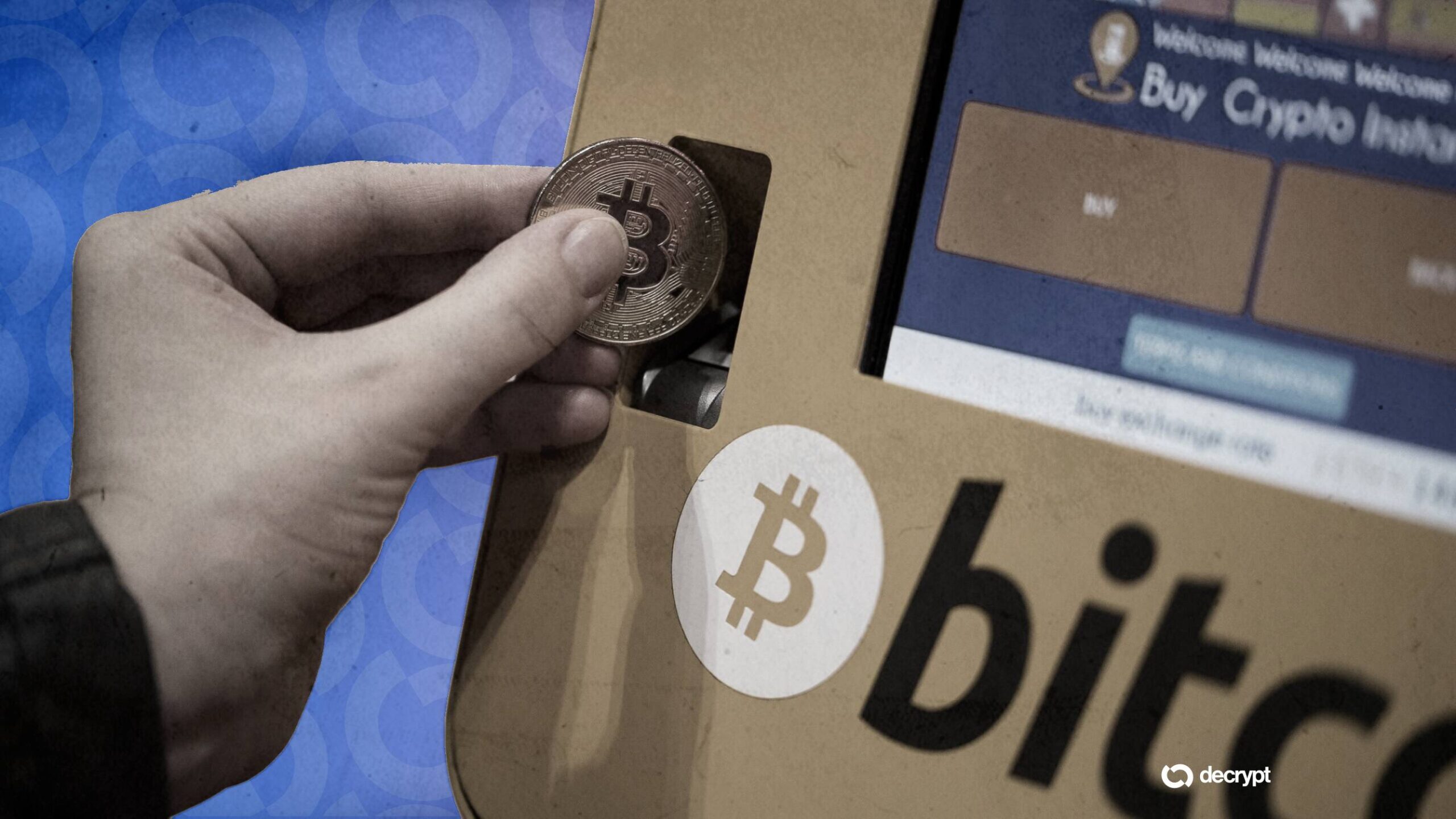
Connecticut regulators have suspended Bitcoin Depot's money transmission license due to alleged fee overcharges and inadequate refunds, forcing the company to cease operations in the state. The suspension, coupled with Bitcoin Depot's disclosure of "material weaknesses" in internal controls, signals increased regulatory scrutiny for the Bitcoin ATM industry, potentially impacting other operators. Bitcoin Depot's stock has seen a significant decline year-to-date, and this regulatory action exacerbates existing financial pressures, suggesting a bearish outlook for the company's immediate future. While the event highlights operational and compliance failures, analysts suggest it may not be catastrophic for the company but serves as a warning for the broader ATM sector to enhance compliance measures.

XRP's price action is currently consolidating above a significant $14.6 million options cluster at the $1.40 strike on Deribit, suggesting this level will act as a key inflection point for short-term trading. The concentration of open interest at the $1.40 strike, particularly for the March 27 expiry, indicates potential 'pinning' behavior from market makers, which could draw XRP towards this price level as expiry approaches. Traders should closely monitor the $1.40 level as a critical support or resistance zone; a break above could invalidate put options, while a drop below may trigger amplified selling pressure due to hedging flows. The unwinding of this substantial options open interest is likely to be a primary driver of XRP's price movement in the immediate days leading up to the March 27 expiry.

Increased Bitcoin inflows to centralized exchanges, particularly large deposits, historically signal heightened selling pressure, suggesting potential headwinds for BTC's price above $75,000. Bitcoin faces immediate resistance at the $75,000 level, which represents the lower band of traders' on-chain realized price, a historically significant barrier. Despite recent price strength, the potential for the Federal Reserve to signal no rate cuts this year due to inflation and geopolitical concerns could dampen broader market sentiment.
Signal context only. Validate with price action, liquidity, and risk limits before taking a position.
